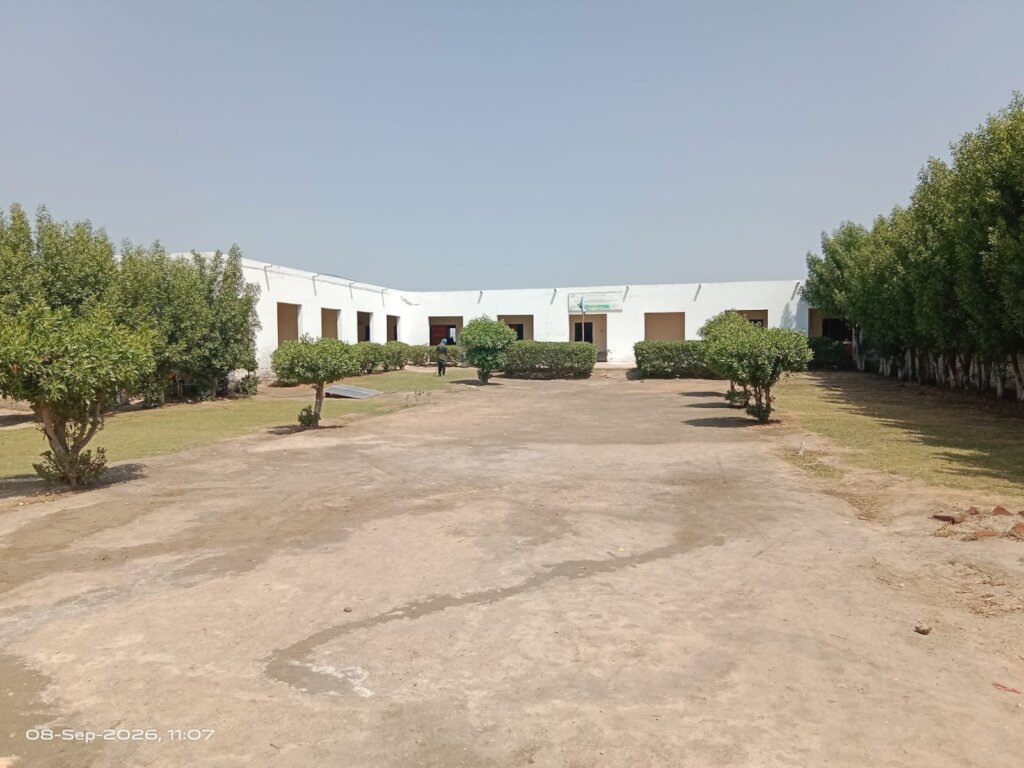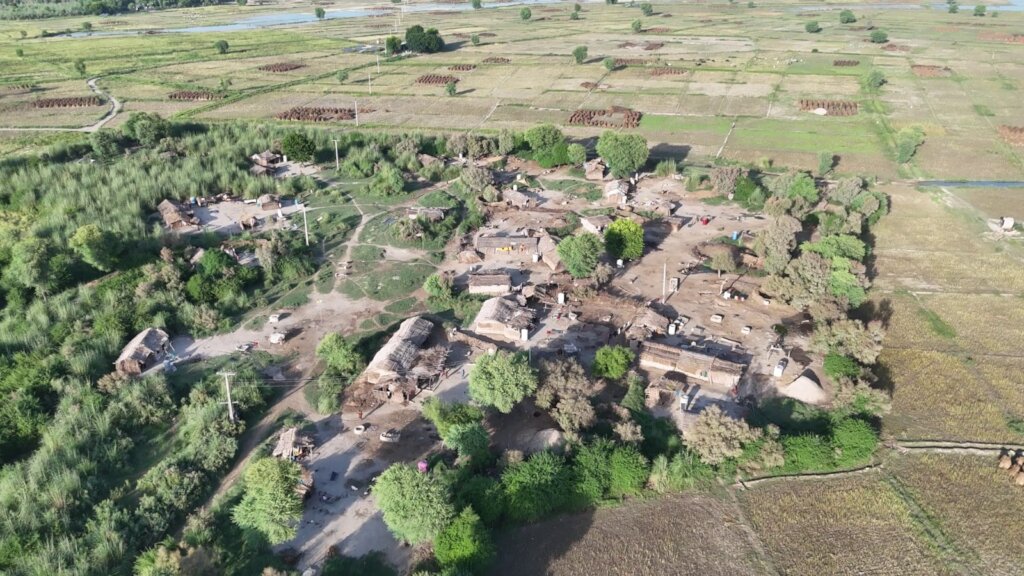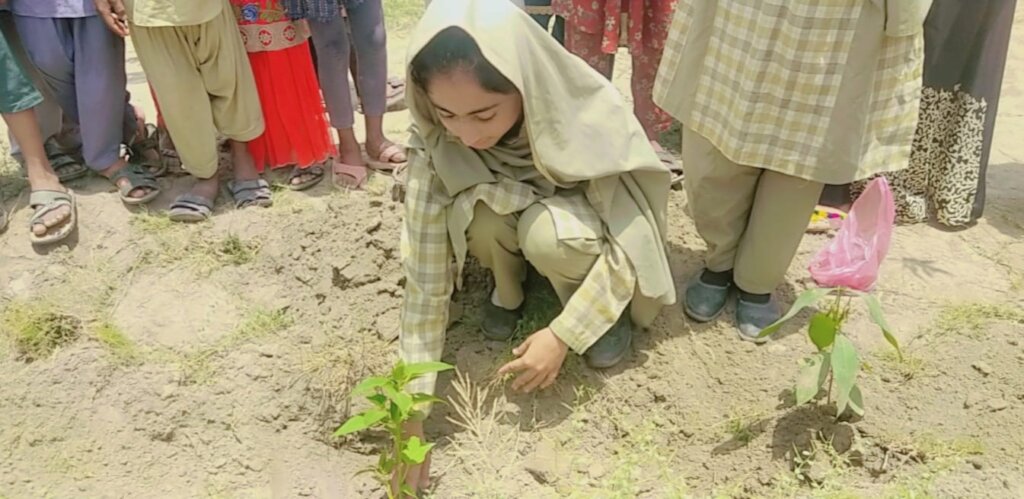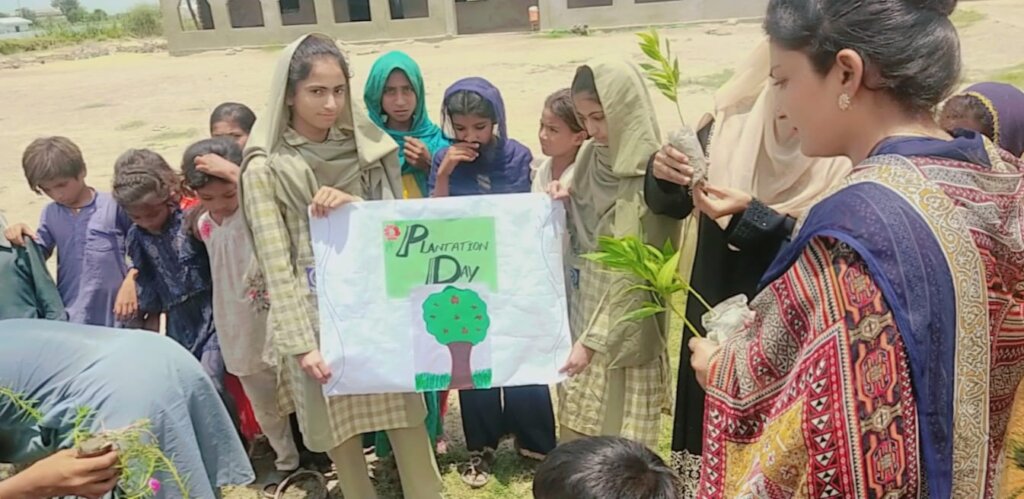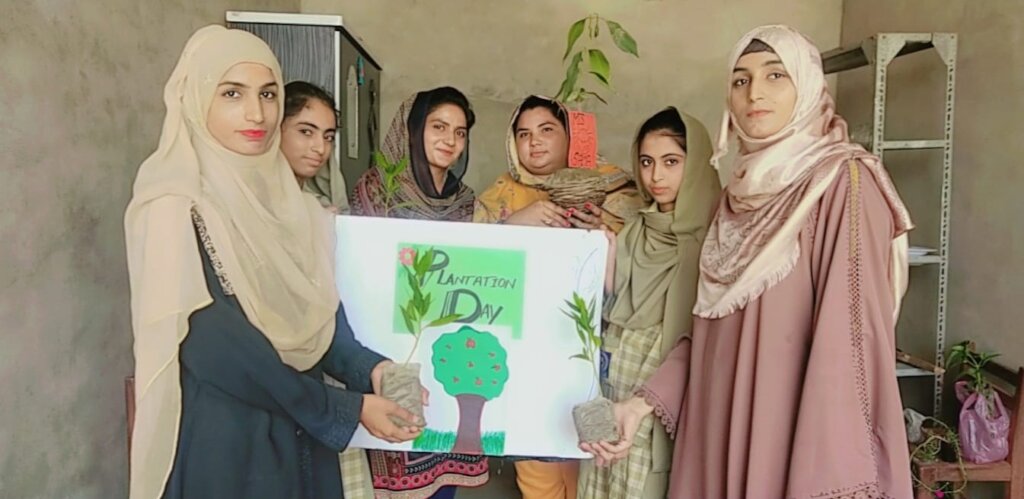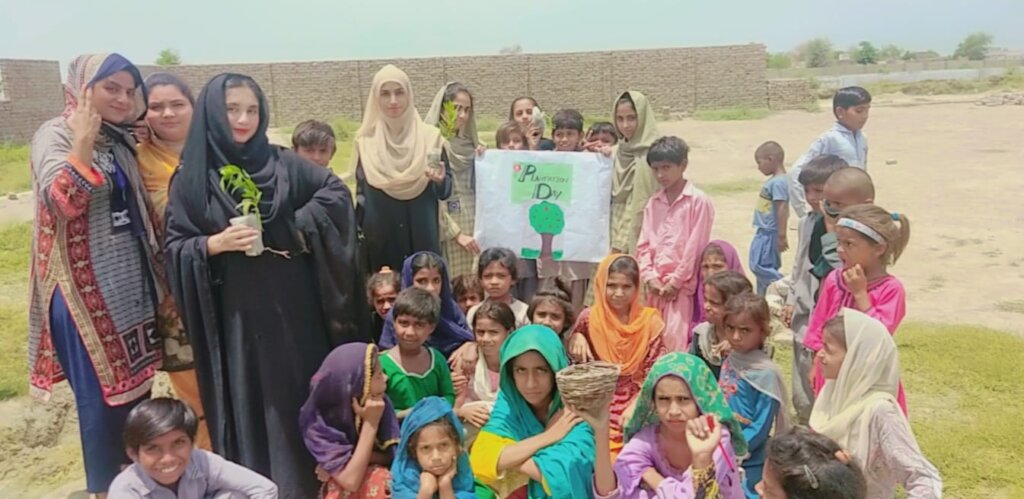
In Sanghar - Sindh, Pakistan extreme climate vulnerabilities, including scorching heatwaves exceeding 50C and severe recurring floods. AMRDF is launching a commounity-led climate resilience initiative to plant 10,000 climate-adapted native trees (Neem, Moringa, Shisham, Peepal) and establish 10 micro nursuries across rural schools. By empowering 500+ student climate ambassadors and local youth, this project ensures high tree survival rates while protecting rural communities.
Rural Sindh is at the frontline of global climate change. Deforestation, rapid soil erosion, and severe heatwaves have degraded agricultural land and increased community vulnerability to extreme weather events like the catastrophic floods. In District Sanghar, lack of green cover intensifies local temperatures and degrades air quality. Rural communities lack the financial resources and technical knowledge to implement sustainable tree planting and water conservation drives.
AMRDF will establish 10 school micro-nurseries where students and local youth learn sapling propagation and care. Through community plantation drives, 10,000 native, drought-resistant trees will be planted across school yards and flood-prone villages. To guarantee an 85%+ survival rate, AMRDF will equip nurseries with solar-powered drip irrigation and train 500 "Climate Champions" to monitor tree growth. This integrated approach combines environmental education and physical climate mitigation.
10,000 mature trees will absorb tons of carbon dioxide annually, reduce localized ambient temperatures, and stabilize soil against flood erosion. Students and community members will gain practical environmental stewardship and sustainable farming skills. 10 self-sustaining nurseries will continuously supply saplings for future community planting drives across District Sanghar for years to come.


Support this important cause by creating a personalized fundraising page.
Start a Fundraiser