By Anagha A | Project Contributor
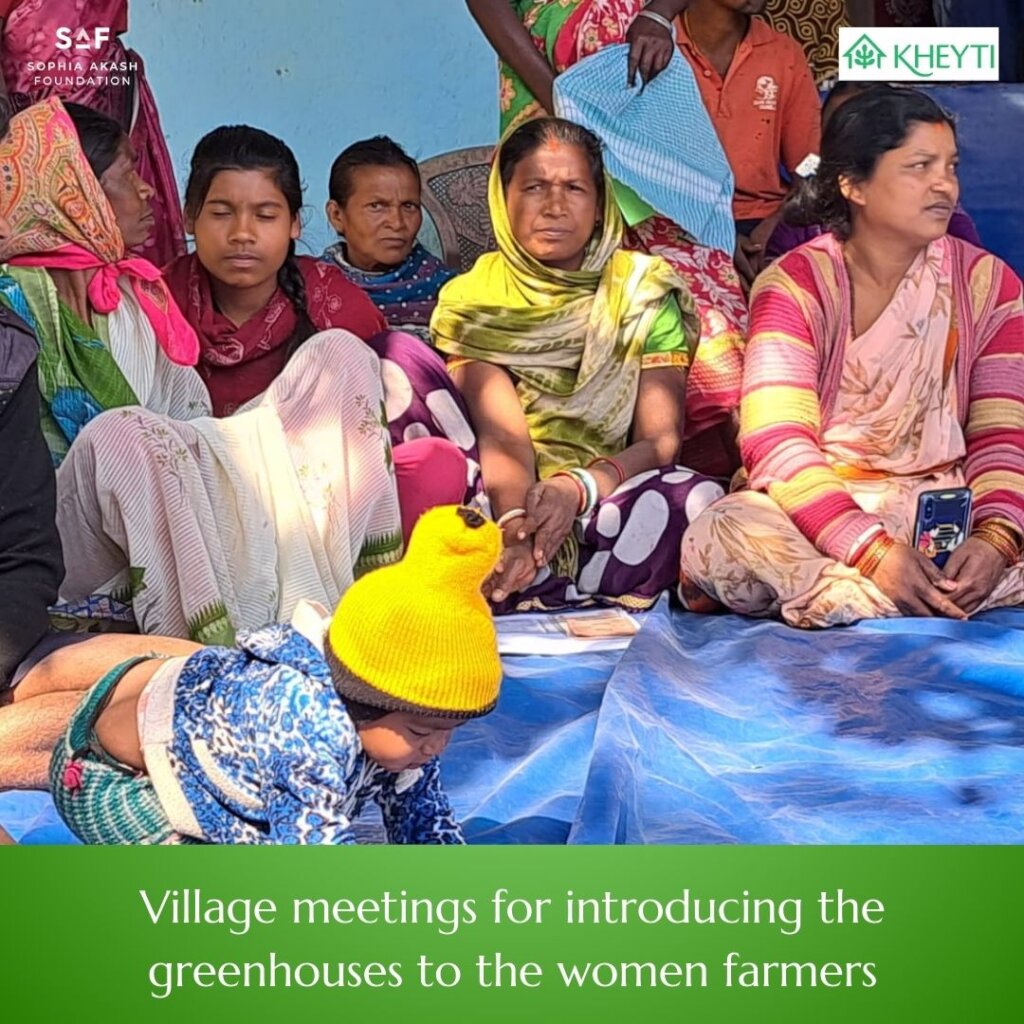
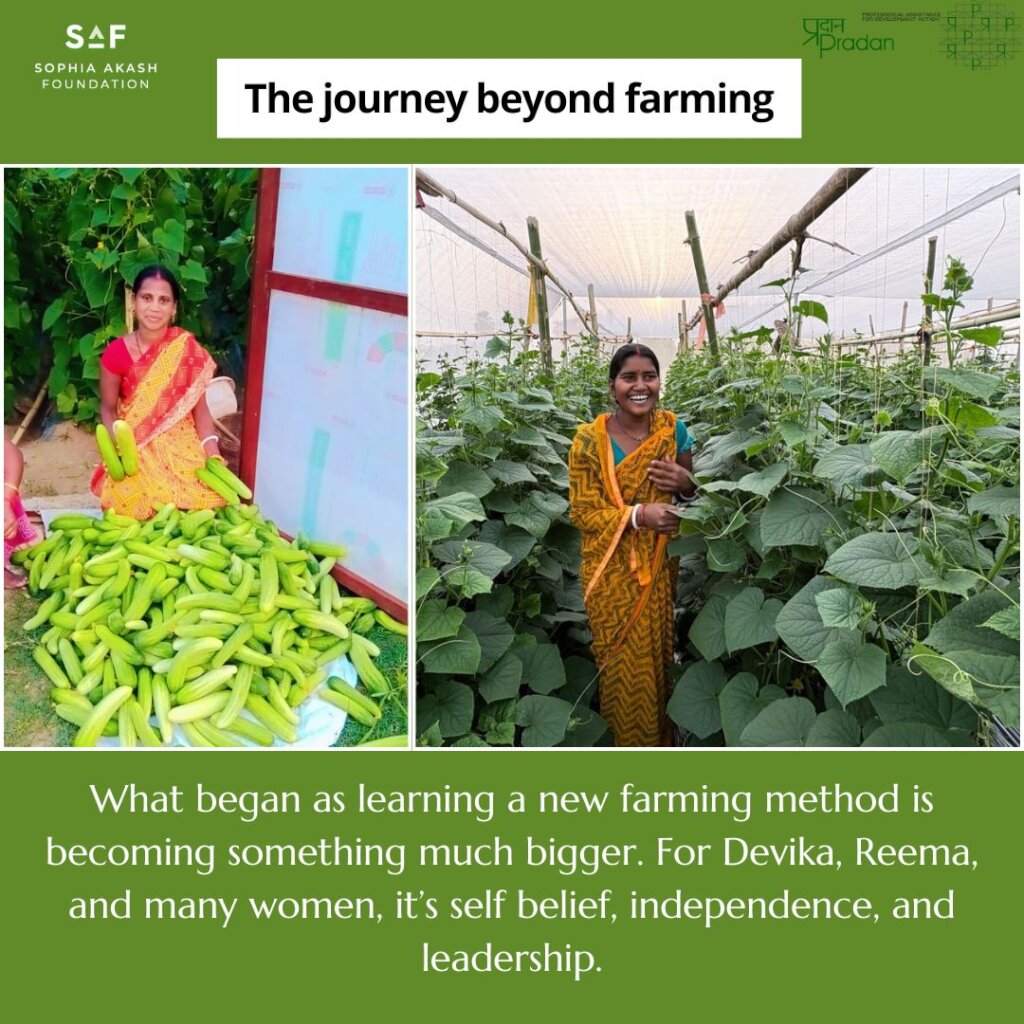
“There was a time when we only thought about getting through one harvest at a time. Now we sit together, think ahead, and talk about what we want the next season to look like,” says Devika from Bihar.
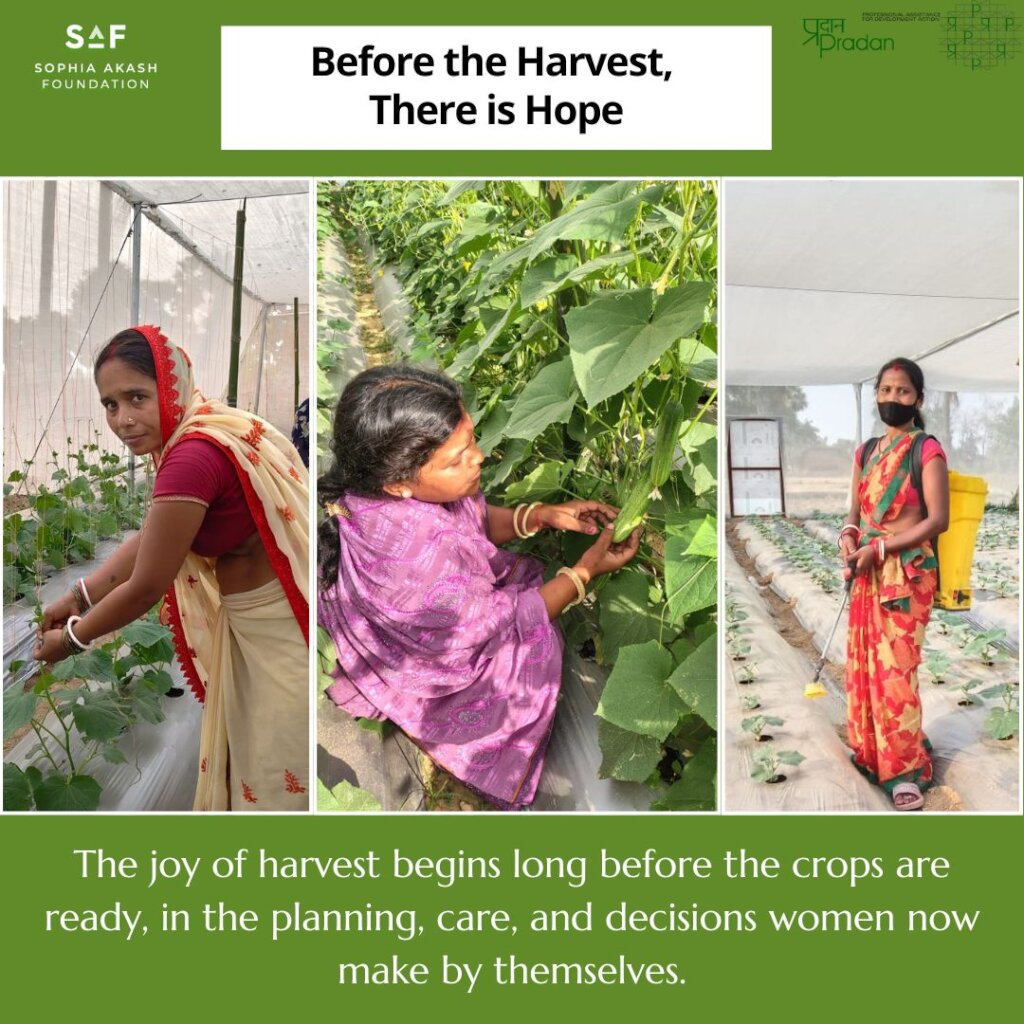
These words reflect a quiet but meaningful shift taking place across the villages of Bihar. What began as a new farming practice is now becoming part of everyday life, shaped increasingly by the women themselves. Across each crop cycle, they are making more decisions independently, supporting one another through challenges, and steadily strengthening their role within their households and communities.
Planning for the Future, Not Just the Next Harvest
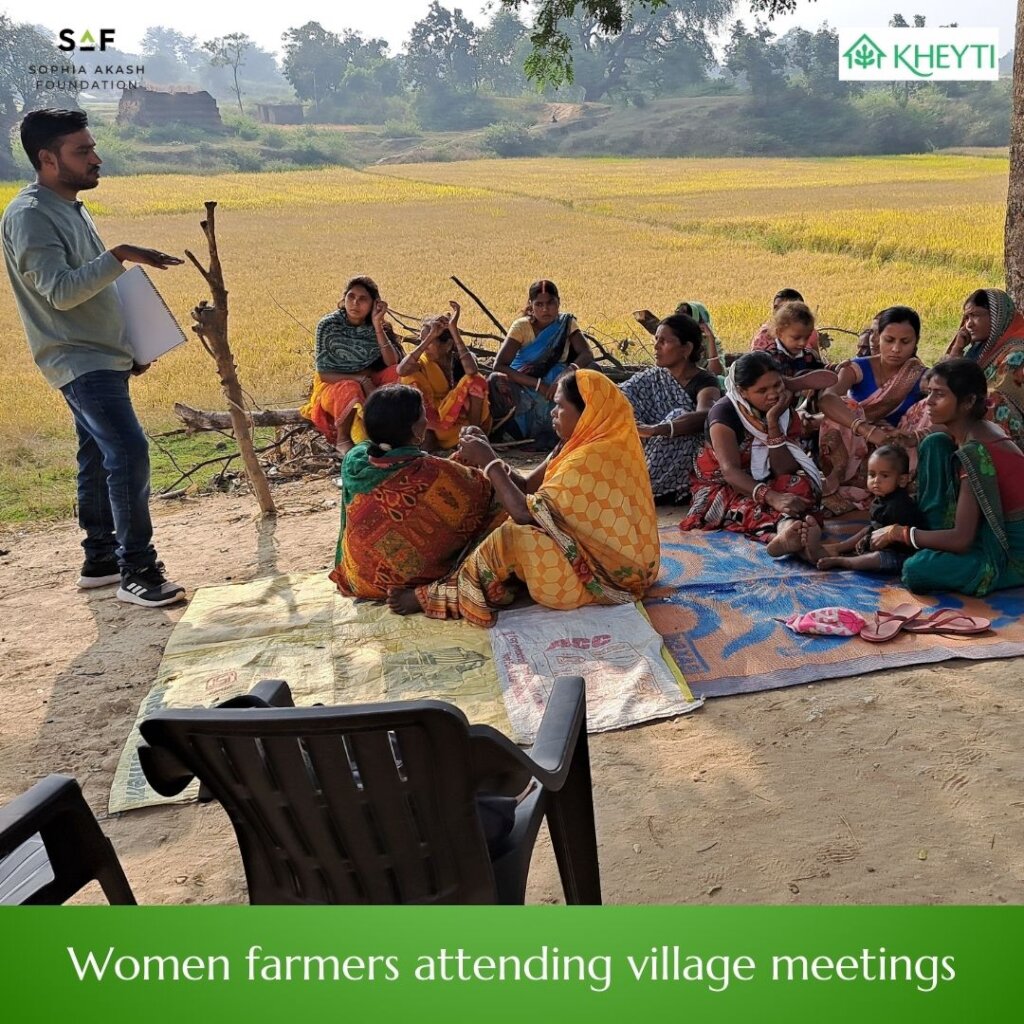
During our recent field visits, one thing stood out clearly: conversations among the women are beginning to sound different. Where earlier discussions were mostly about the current crop and immediate needs, they are now increasingly about what comes next, what to plant in the following season, how to prepare the soil better, and how to manage water more carefully.
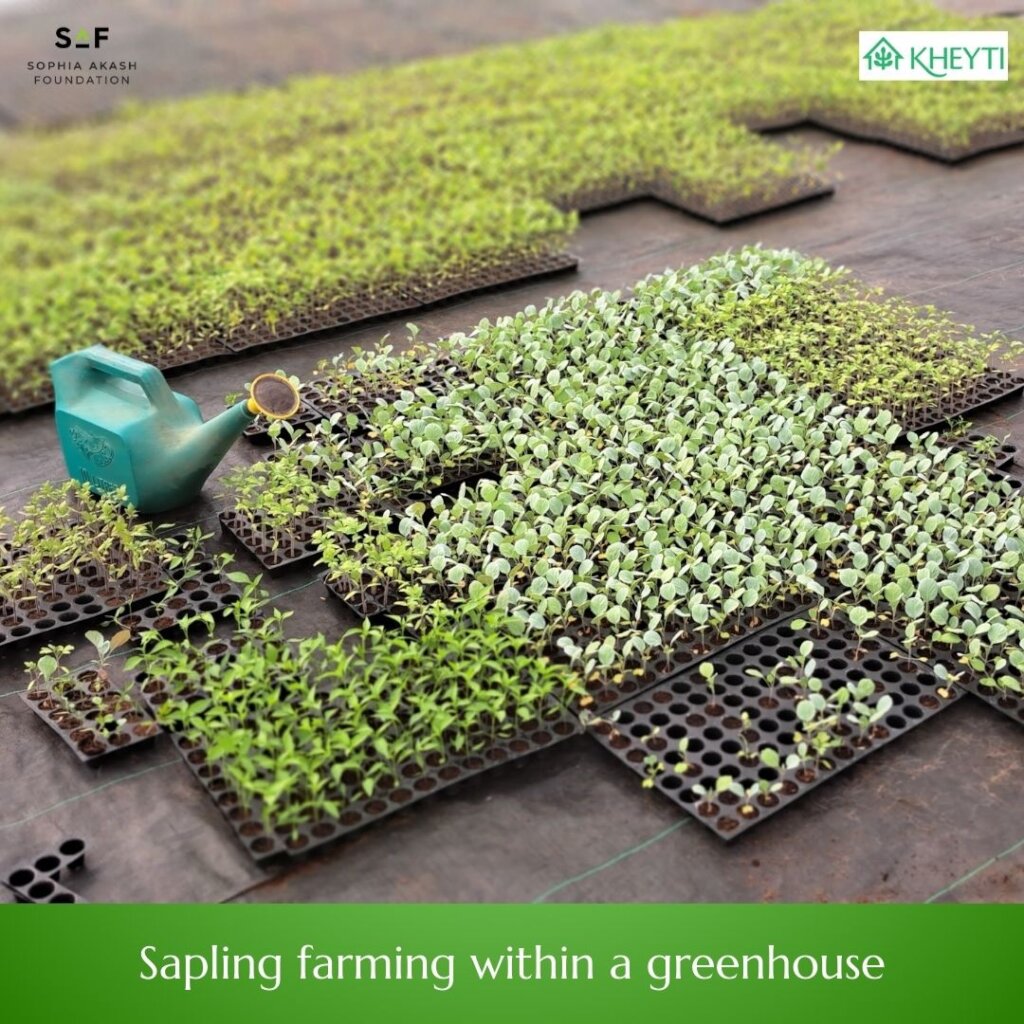
With their experience from the previous crop cycles, women understand and learn many aspects. They are now actively discussing market demand, irrigation needs, seasonal suitability, and expected profitability before selecting crops such as cauliflower, tomato, coriander, leafy vegetables, capsicum, and strawberries.
Sitting together outside her greenhouse, Devika shared, “Earlier, we would only think about the crop in front of us. Now, even before one harvest is over, we are already discussing what to grow next and how to do it better.”
It is in these small but important conversations that we are seeing a deeper shift take root. The women are no longer looking at farming as a means of surviving one season, but as an ongoing journey that requires planning, patience, and learning across seasons.
With each completed cycle, there is a growing understanding that our efforts are not only about one good harvest, but about building something that can continue to support their families steadily over time.
Where Experience is Taking Root
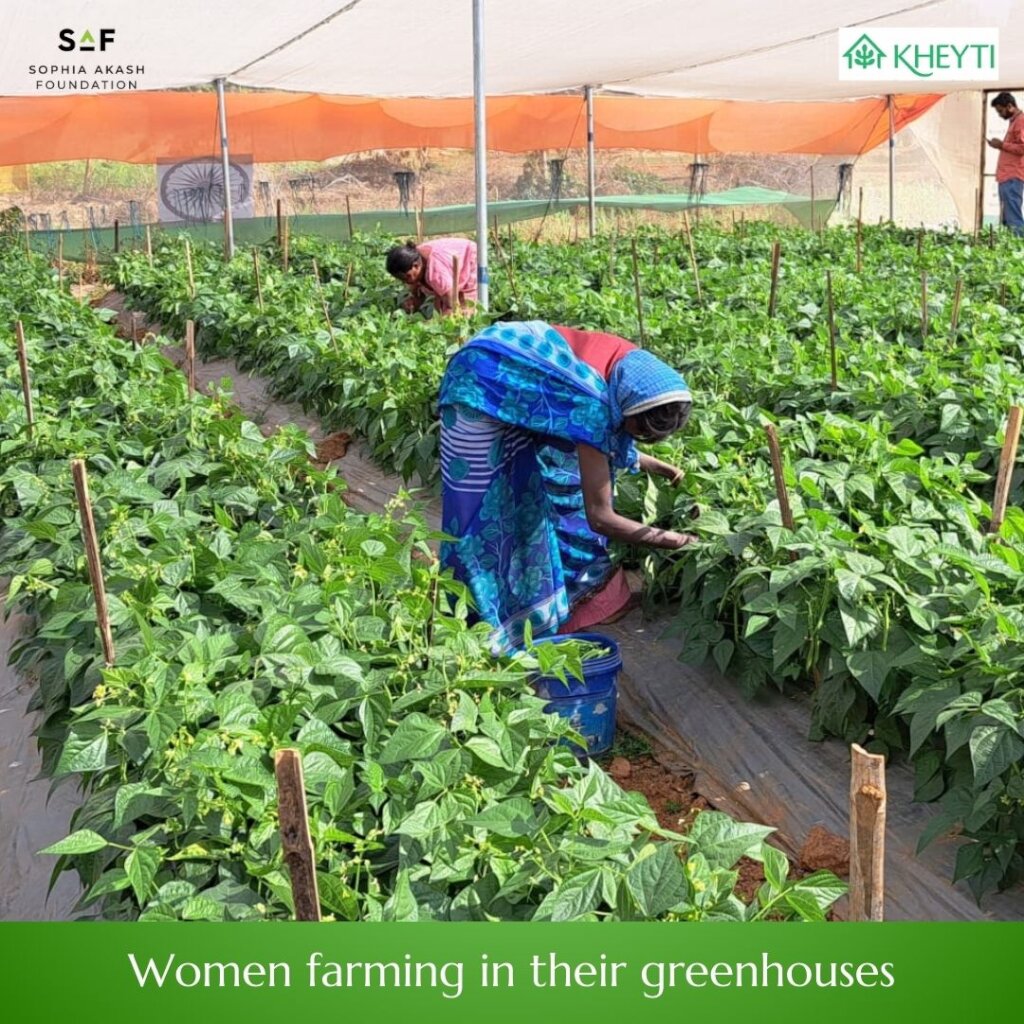
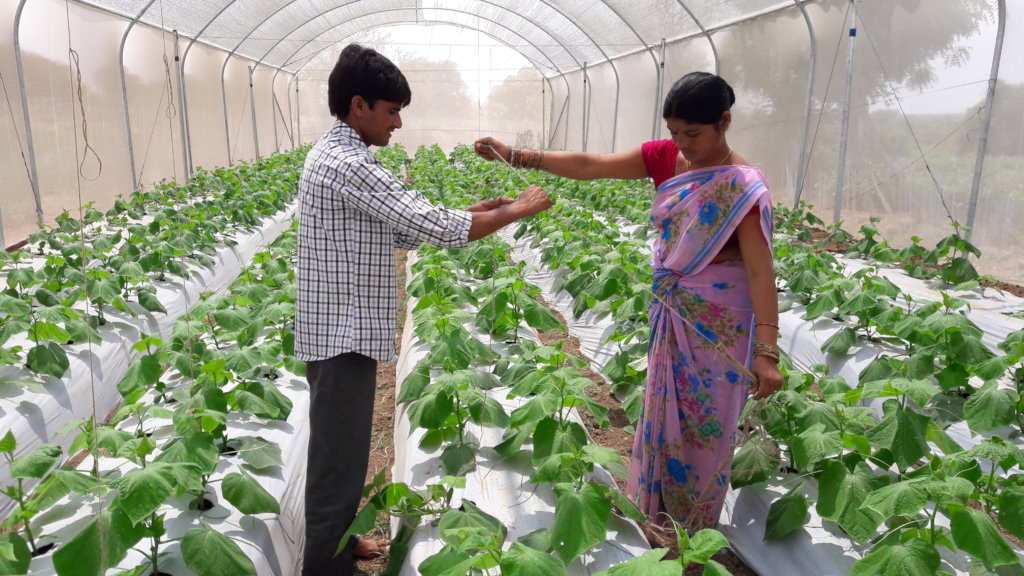
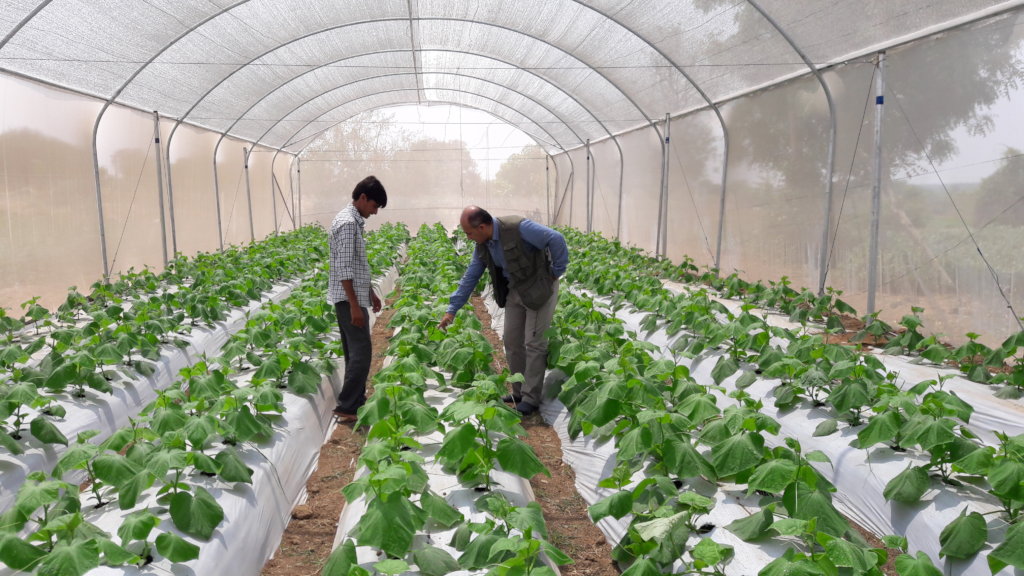
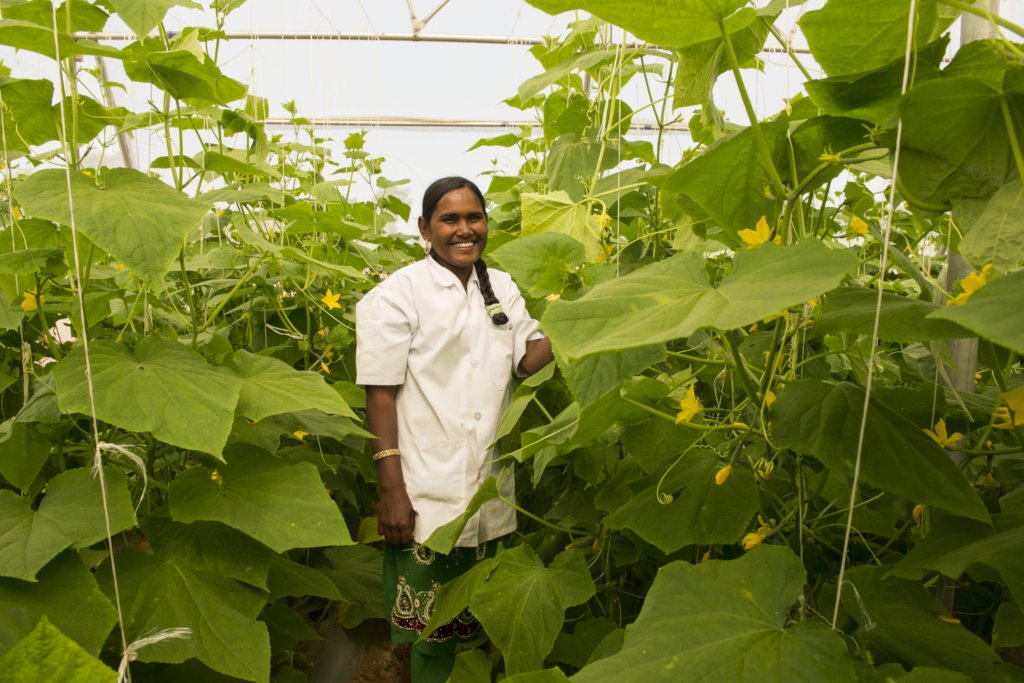
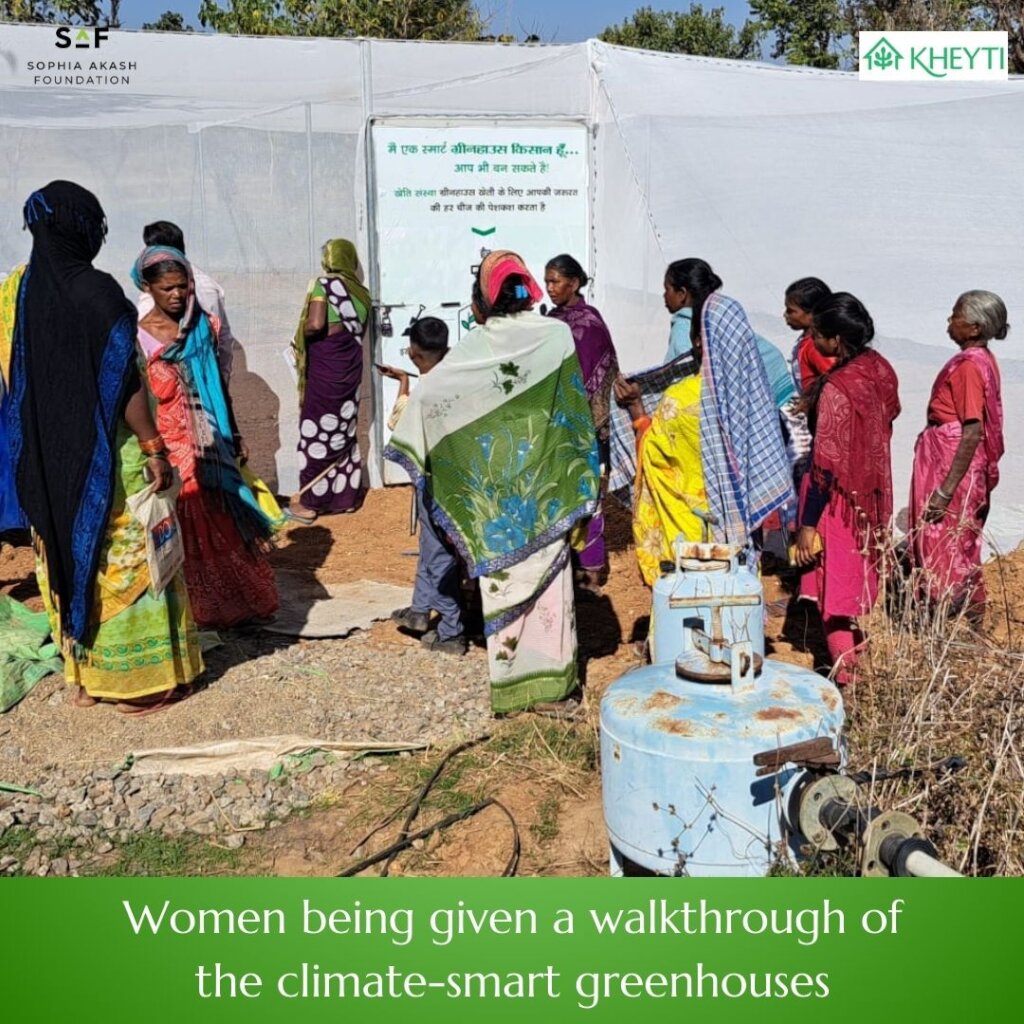
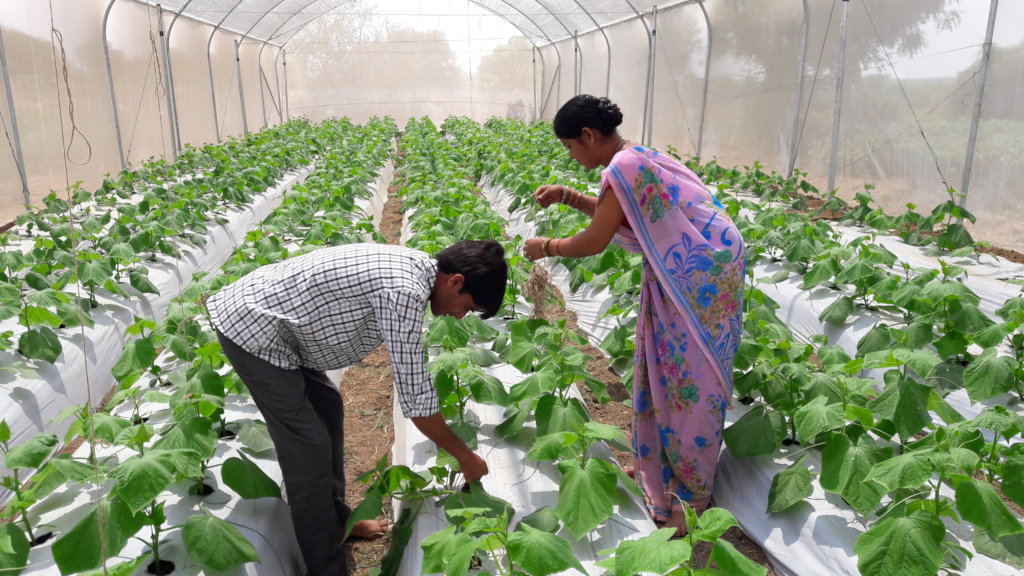
One of the most encouraging changes has been the consistency with which the women continue to manage their climate-smart greenhouses. From preparing for each crop cycle to responding to changing weather conditions, they are moving through the process with greater steadiness and less uncertainty, increasingly on their own.
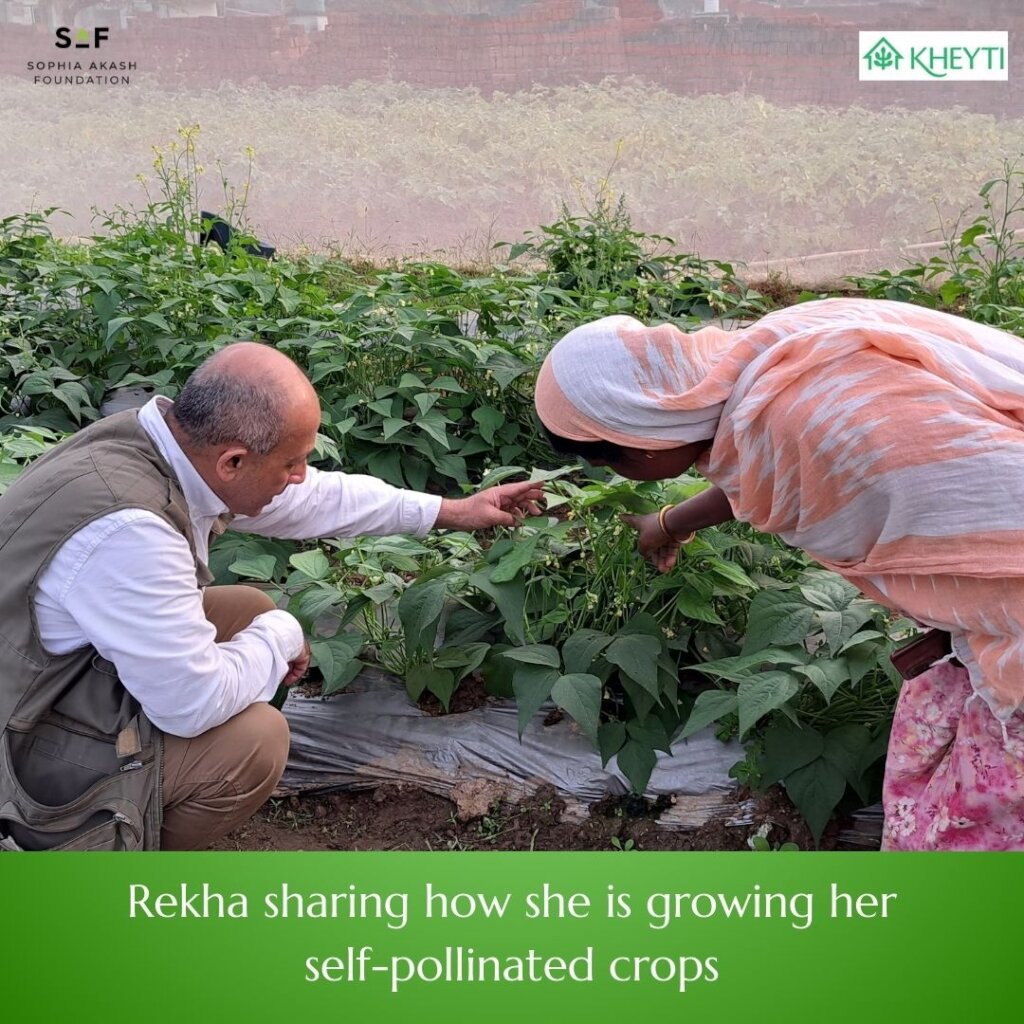
They are preparing their own bio-organic inputs, managing pests with greater care, covering the soil to retain moisture, and even trying simpler, smarter ways to help these inputs reach plant roots more effectively through pipes.
The ability to farm across seasons is helping strengthen this continuity, encouraging the women to carry these sustainable practices forward as an integral part of how they grow and sustain their livelihoods.
A Moment That Stayed With Us
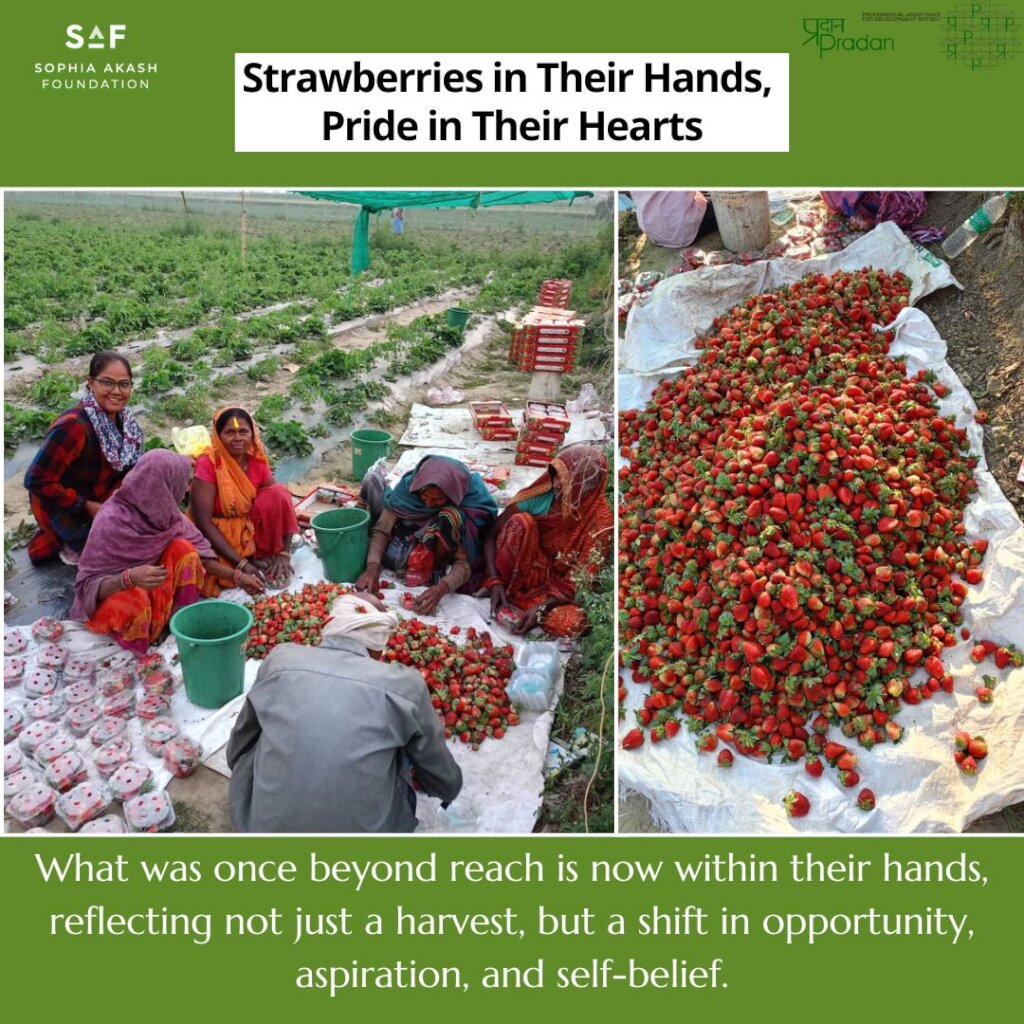
As the women move through each crop cycle, some moments reveal the deeper meaning of this work in ways we could not have anticipated. This season, one such moment came when several women from historically marginalised communities successfully cultivated strawberries inside their climate-smart greenhouses, a crop that had never before been part of their farming lives.
For many of them, strawberries had always belonged elsewhere, seen in markets, spoken of by others, but never imagined as something they could grow themselves. To care for the crop and watch it bear fruit brought with it a quiet but powerful sense of pride.
Sita’s journey reflects this feeling. “I had only seen strawberries in the market before. I never thought I would one day grow them myself,” she shares. The experience was not just about trying something new, but about realising that certain things she once thought were out of reach could, in fact, be hers too.
For us, it was deeply moving to witness how this journey, which began as an effort to strengthen livelihoods in difficult climate conditions, is also creating moments like these, moments where women begin to see themselves differently, with greater dignity, and with a renewed sense of what they can aspire to be.
Changing the Shape of Everyday Life
As women continue to manage their farming more independently, many are also taking a greater role in handling the financial side of their work and households. From planning expenses for the next crop cycle to setting aside money for everyday family needs, they are becoming more closely involved in how resources are managed and used.
Over time, this growing involvement is bringing visible changes within families. With farming creating a more steady source of support, many households are feeling less pressure to depend on seasonal migration by male family members in search of work. This has helped families spend more time together and brought greater continuity to everyday life.
These shifts are also shaping how women are seen within their communities. More and more, they are being recognised not only for their role at home, but for the work they are carrying forward and the stability they are helping build for their families. In many ways, these changes are strengthening both the household and the wider community around them.
Looking Ahead with Hope
Preparations are already underway for the next capsicum cultivation cycle, including soil testing, greenhouse management training, improved water management, and exposure visits with experienced farmers.
Collective marketing through the farmer groups is also progressing, helping women understand the benefits of aggregation and collective negotiation.
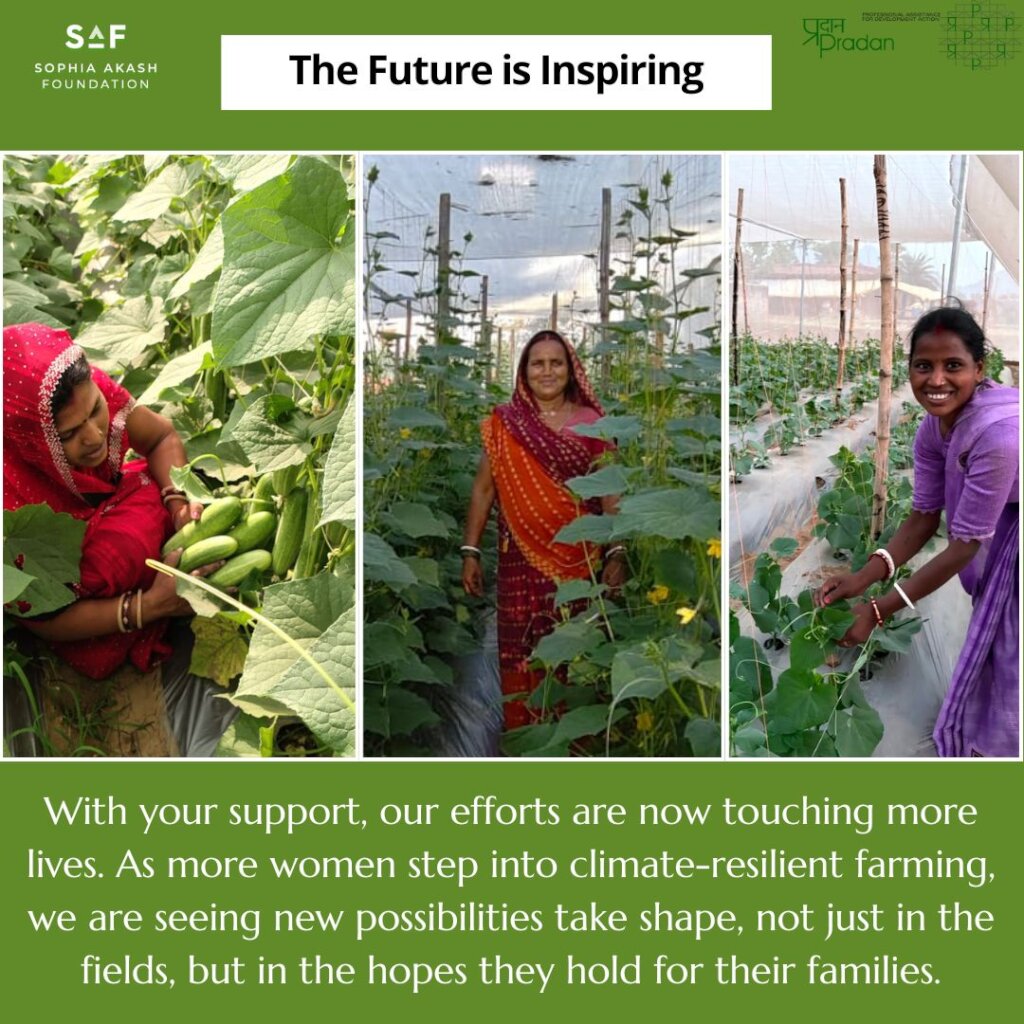
We are witnessing our initiative steadily evolving into a scalable, women-led model of climate-resilient farming, one that strengthens livelihoods, builds resilience, and creates lasting pathways to economic independence.
We thank you for being part of this journey. Together we are demonstrating that when women have access to knowledge, appropriate technology, and sustained support, they become powerful agents of lasting change.
Project reports on GlobalGiving are posted directly to globalgiving.org by Project Leaders as they are completed, generally every 3-4 months. To protect the integrity of these documents, GlobalGiving does not alter them; therefore you may find some language or formatting issues.
If you donate to this project or have donated to this project, you can receive an email when this project posts a report. You can also subscribe for reports without donating.



Support this important cause by creating a personalized fundraising page.
Start a Fundraiser