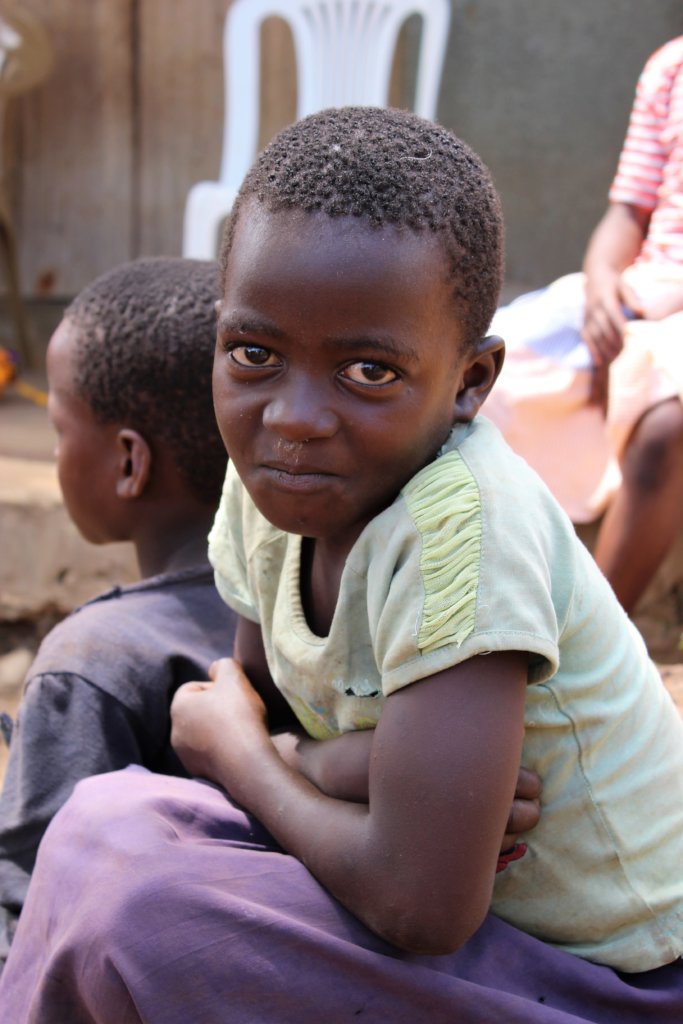
That brought home very starkly to me that the children are hungry, they are last in the queue for food, their growth is stunted, their energy is sapped. They know they must help with the digging and fetching water, they do so gladly, but it would be good to let them learn to read and write as well and get them out of this cycle of poverty.
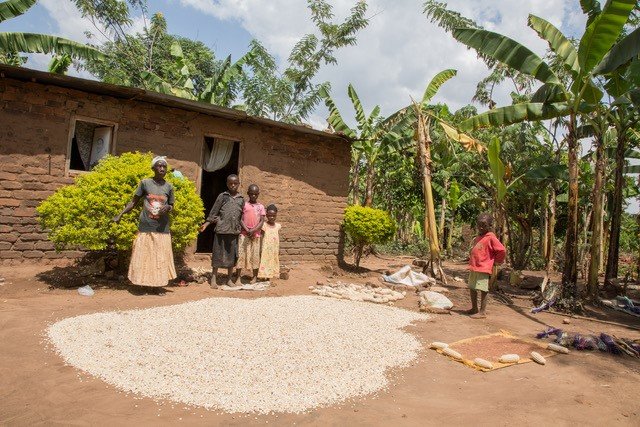
Subsistence farming is a hard way of life in Uganda - the plots are small and the yields are low. Poor storage of crops after harvest causes further loss due to infestation and contamination by dangerous fungi. This fragile food chain affects all, especially babies and young children.
Preparing School Dinner.
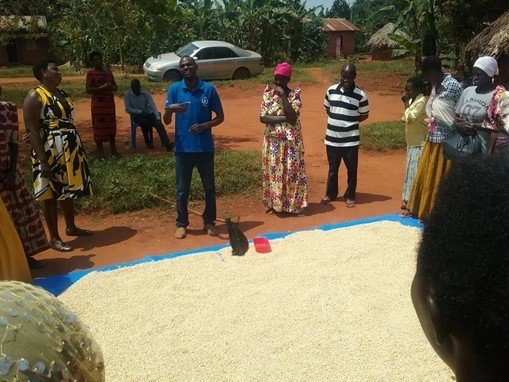
If their nutritional needs are not met, the growing child is at risk of irreversible growth stunting and poor neurological development. They are susceptible to infection and even death. The COVID-19 crisis has dramatically worsened this situation. 35 women farmers in the Mayuge district of Uganda have already taken part in Act4Africa's proven Grains for Growth programme and tell us they have benefitted from improved food security throughout the pandemic.
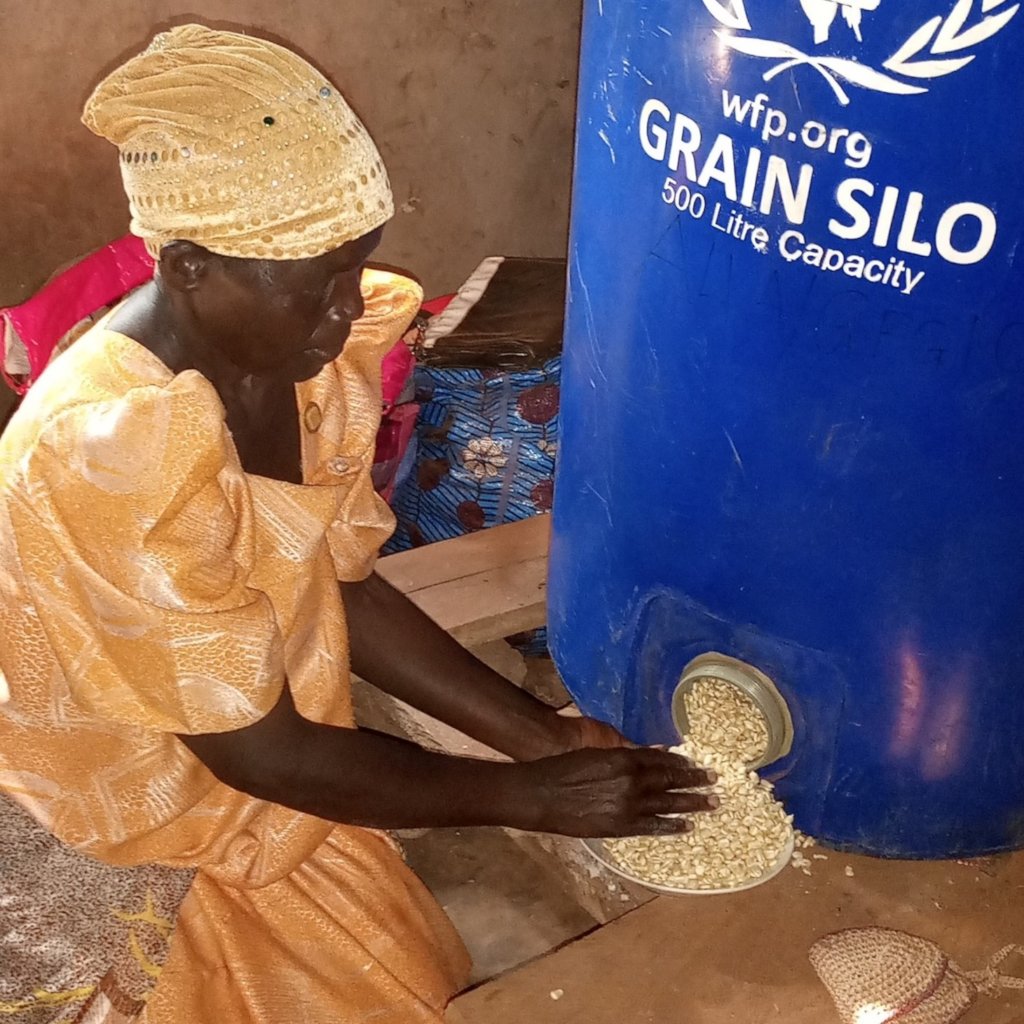
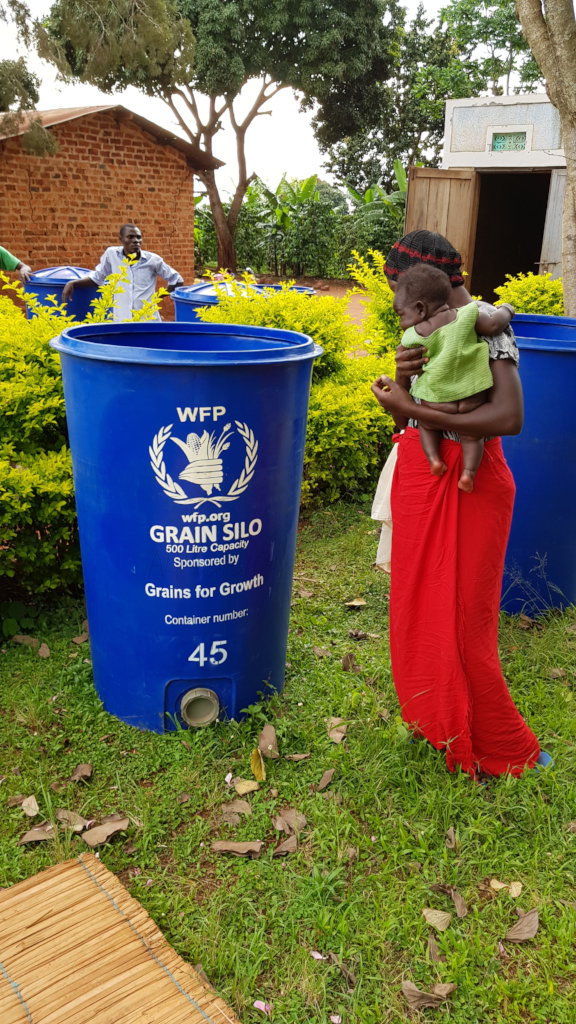
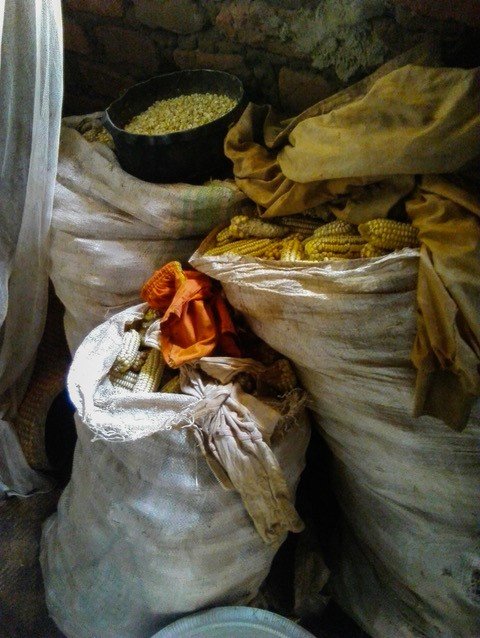
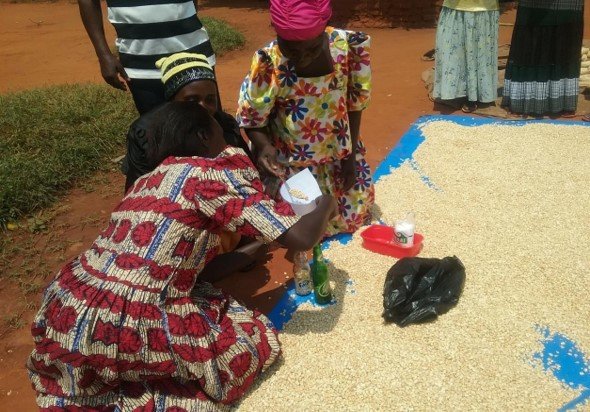
The women are shown new ways to check that the crop is dry enough for storage, it is then placed in reusable containers to prevent any deterioration. The loss of maize after harvest has reduced from 30-50% to virtually zero. The family then has a safe, secure supply of food for use or sell later in the year. A handful of grain may even used as part payment of school fees, meaning children are less likely to miss school.
Uganda is currently experiencing a new wave of COVID-19 cases and has recently gone into total lockdown once again. This means millions more people will be pushed into extreme poverty, due to an inability to work, making the need for us to deliver this project even greater.