By Thereza Nalumansi | Programme Officer
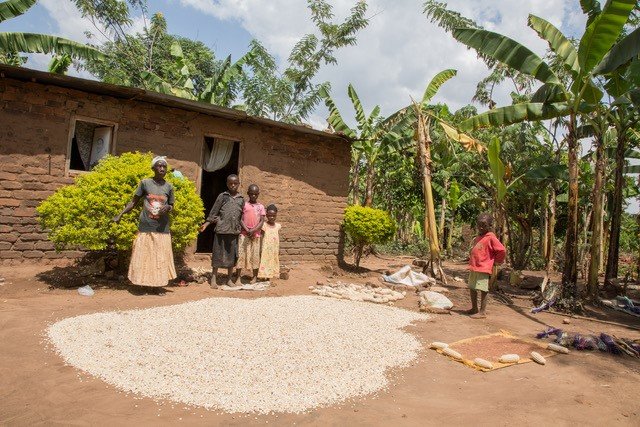
Farmers in Mayuge district continue to employ poor agricultural methods. Planting low-quality grain, drying grain on bare ground, beating maize with sticks to get it off the cobs, storing grain with moisture content >13%, and mixing grain with ash to kill bugs are just a few of these procedures. This means that many households are at risk of consuming, or have already ingested, food contaminated with cancer-causing aflatoxins, whether stored at home or purchased at a market.
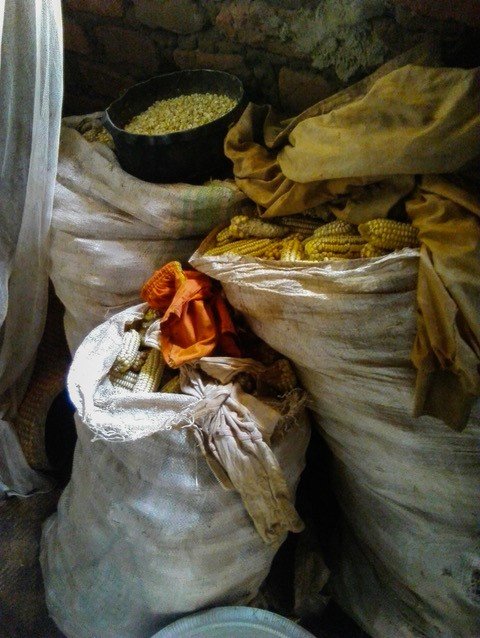
Furthermore, there is inadequate preparation for harvesting and a lack of understanding of appropriate storage procedures, which is the primary reason why farmers have consistently lost 30% of their produce. Pests are easily attracted to grain that is stored in conventional storage bags and containers (weevils and rats). Other farmers have stored their corn along the walls and on the floors, which collects water and causes mould to grow. Losses because of the aforementioned methods have left some families without food for consumption, resulting in malnutrition, particularly among children, and other morbidities, exacerbating farmers’ poverty.
What is Act 4 Africa doing?
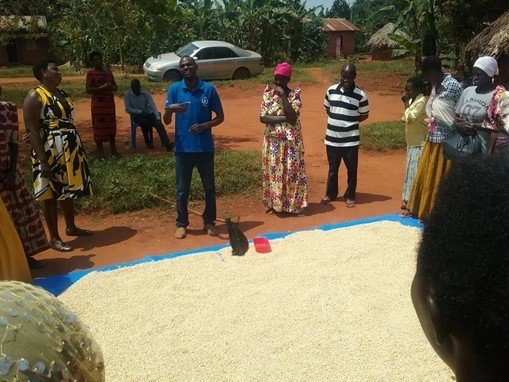
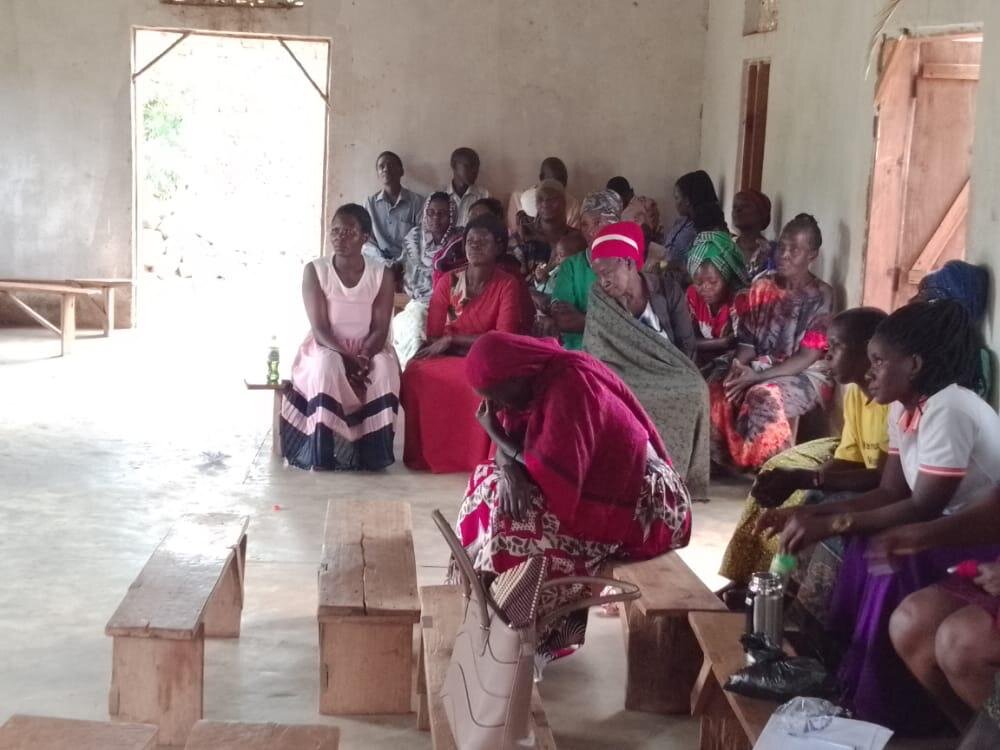
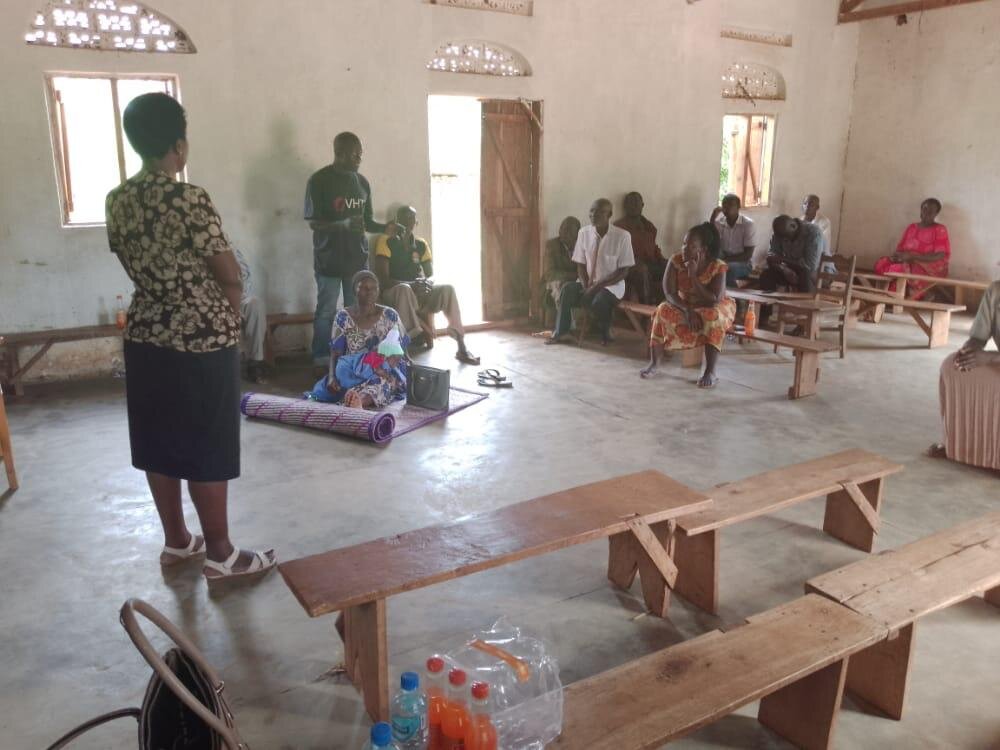
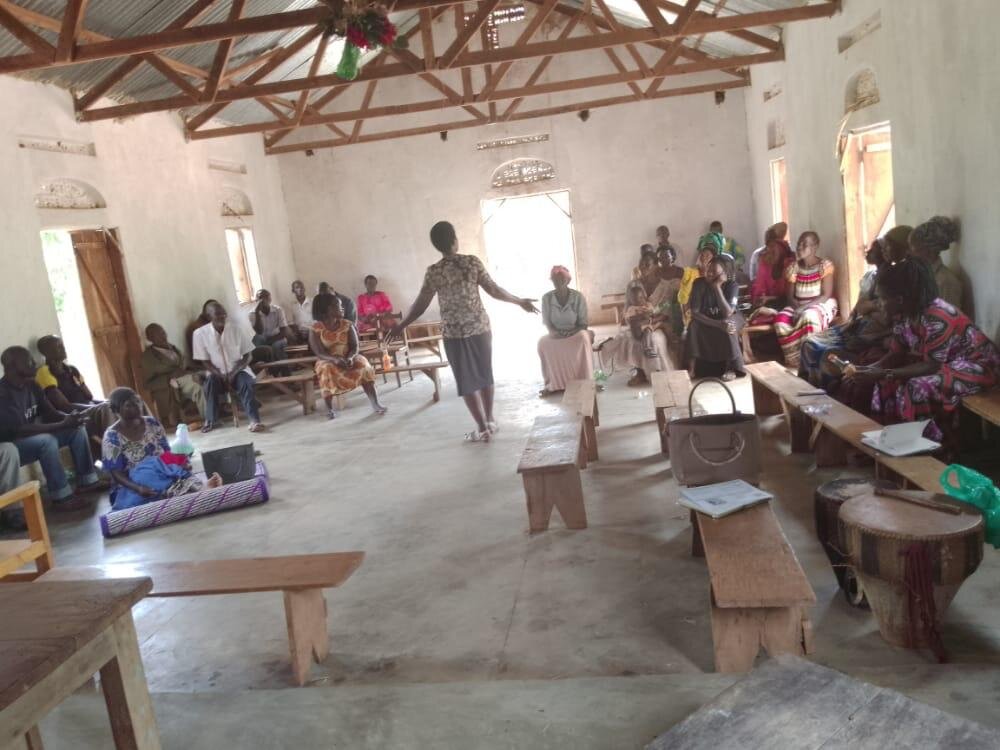
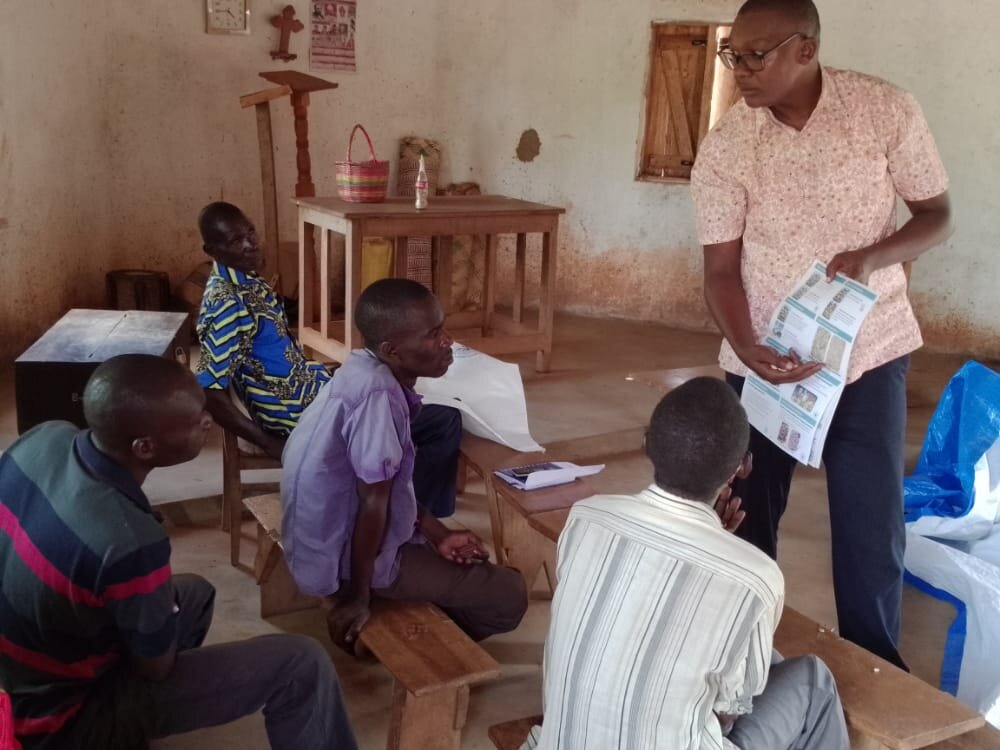
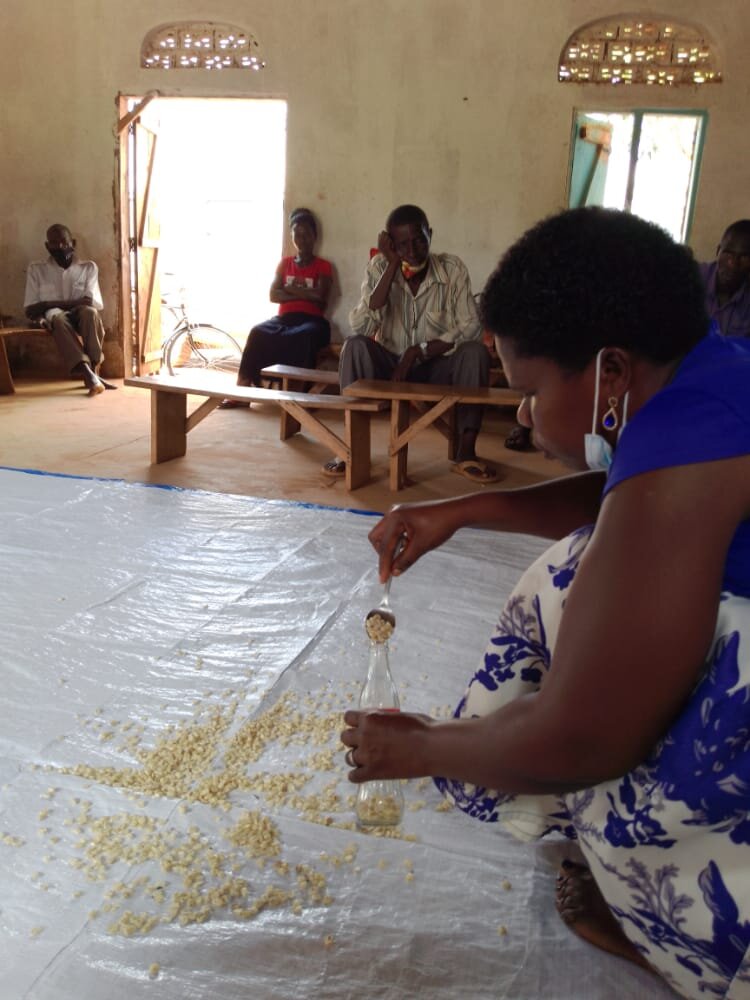
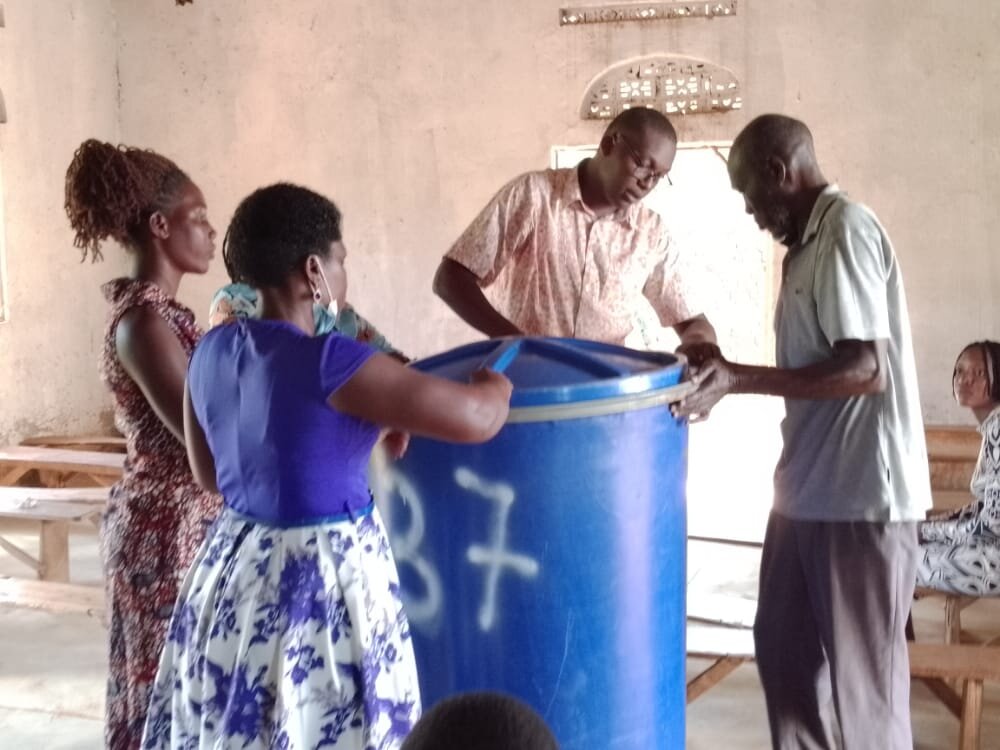
Act 4 Africa's Grain for Growth initiative has put in place training to help farmers learn improved agronomy practices for a bumper harvest, increase knowledge on postharvest technologies and avail low-cost technologies to reduce grain loss. This will in the long run increase food security among beneficiary farmers and enable them to emerge from poverty. Act 4 Africa conducted a preharvest training on 25th and 26th May 2022 for 50 beneficiaries chosen in Lwabala village. These beneficiaries are parents and spouses of Act 4 Africa’s primary beneficiaries under the health and wellbeing project funded by UKAID’s Small Charities Challenge Fund (SCCF) comprising 36 women and 14 men (72 % women, 28 % men). Act 4 Africa's program staff, who had previously received training in pre-and post-harvest handling of grain, led the training.
The objective of this training was to equip farmers with knowledge of the best agronomy practices which include pre-planting and planting activities for maize production, land preparation, fertilizer application, and weed management. Through the training, the following agronomy practices were emphasized.
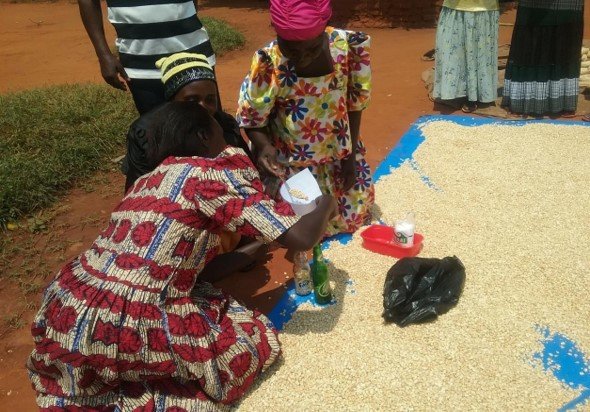
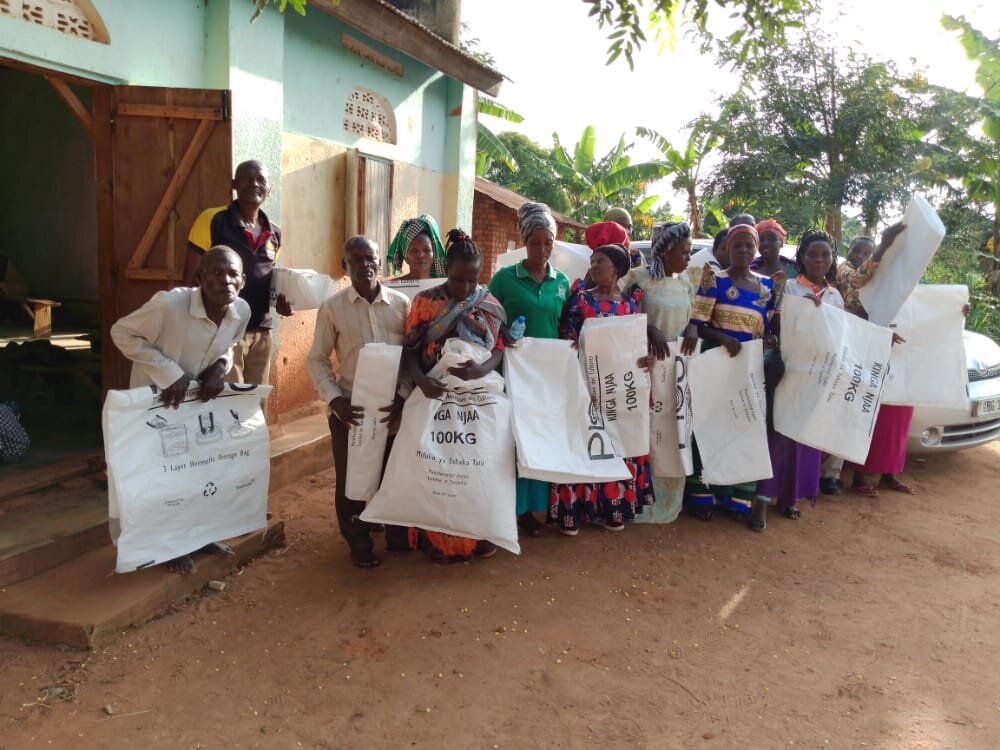
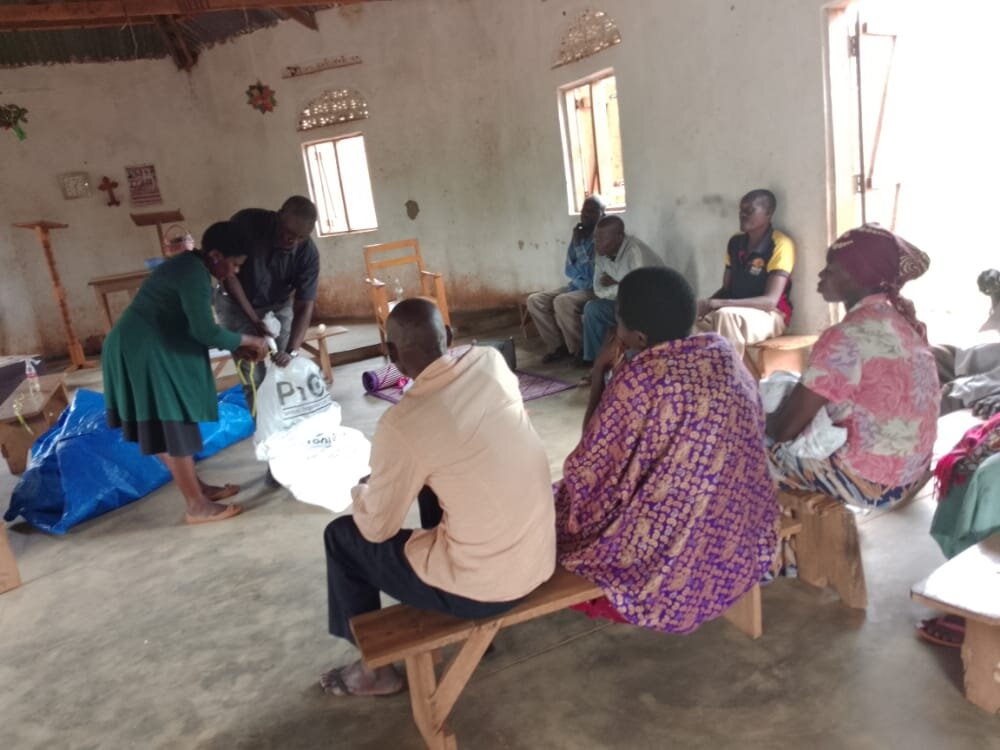
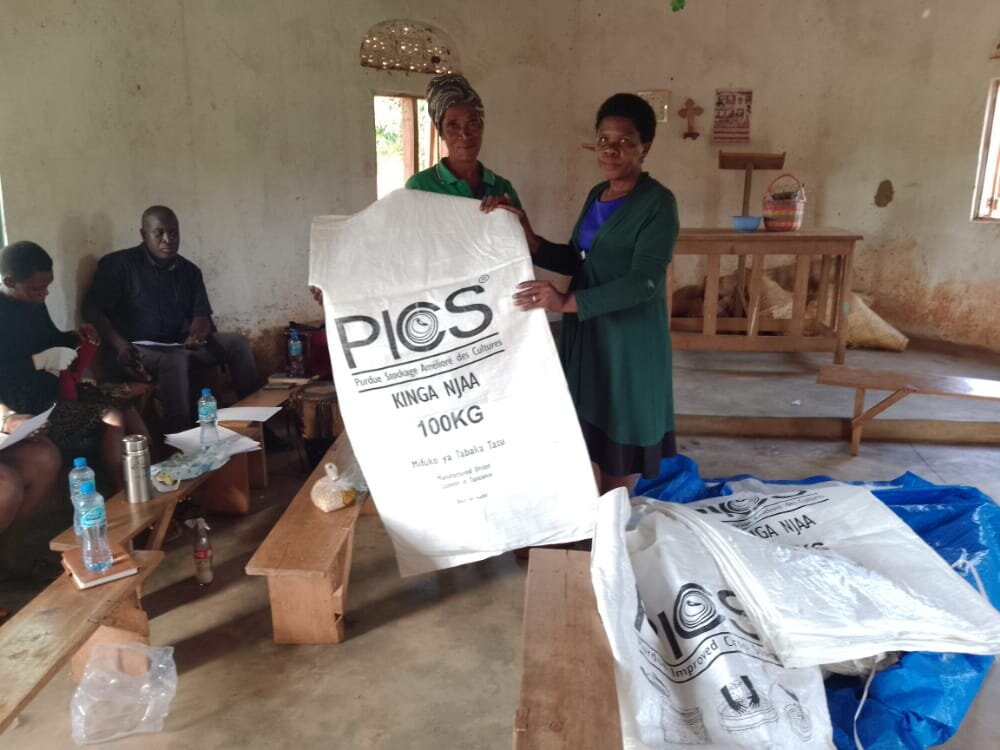
Due to demand from the participants to know about the best storage options, the team briefly demonstrated the use of the hermetic bags as one of the best options for storing grain. Following this demonstration, 20 farmers purchased hermetic bags in preparation for their harvest season.
Comments from participants.
“I used to slash grass from my garden, burn it and then dig holes for planting. However, through this training, I have learnt that ploughing a depth of 20cm two weeks before planting will increase my yields and help me escape poverty. Thank you, Act 4 Africa, for enlightening me.
Next steps.
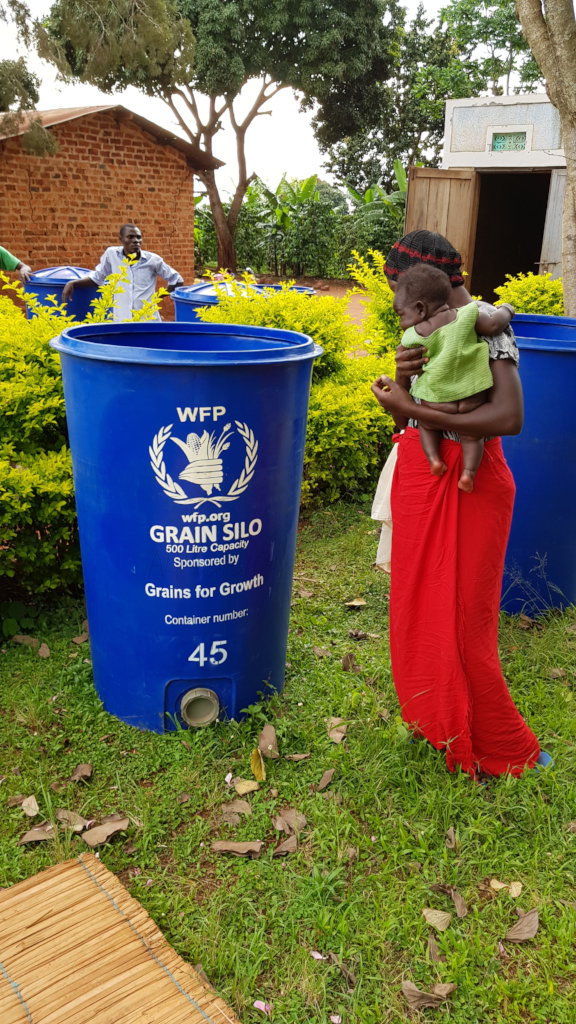
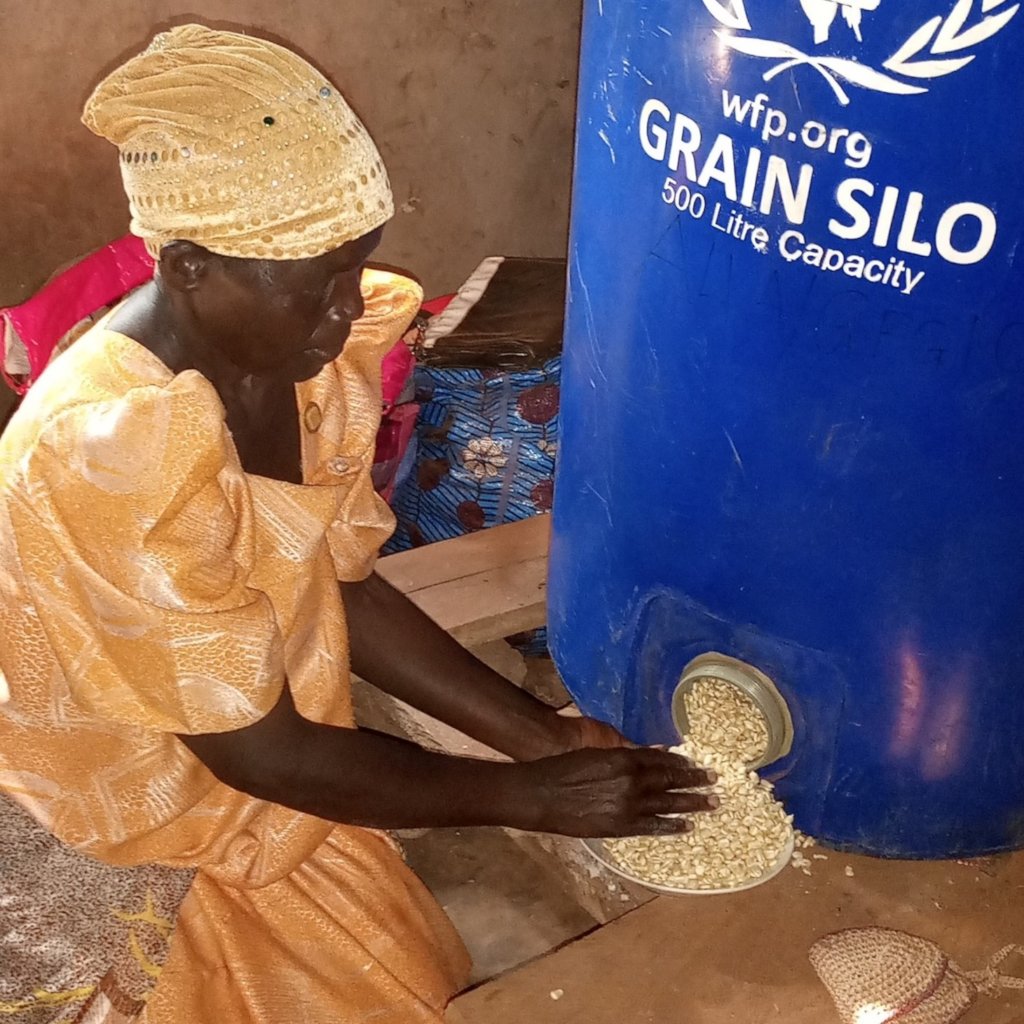
Act 4 Africa intends to do a follow-up on these beneficiaries to see their progress regarding the practices shared and provide support where necessary. Furthermore, Act 4 Africa will conduct comprehensive post-harvest training to discuss and demonstrate the best storage methods of using the storage silos and hermetic bags.
Thank you so much for supporting Act 4 Africa.
By Madelaine Johnston | CEO of Act4Africa
By Madelaine Johnston | CEO of Act4Africa
Project reports on GlobalGiving are posted directly to globalgiving.org by Project Leaders as they are completed, generally every 3-4 months. To protect the integrity of these documents, GlobalGiving does not alter them; therefore you may find some language or formatting issues.
If you donate to this project or have donated to this project, you can receive an email when this project posts a report. You can also subscribe for reports without donating.



Support this important cause by creating a personalized fundraising page.
Start a Fundraiser