GOMA & BUKAVU CRISIS RESPONSE IN EASTERN DRCONGO.

by CHILD & WOMEN INTERNATIONAL DEVELOPMENT
GOMA & BUKAVU CRISIS RESPONSE IN EASTERN DRCONGO.

Project Report | Jun 8, 2026
GOMA & BUKAVU CRISIS RESPONSE IN EASTERN DR CONGO.

By ESPOIR KITUMAINI | REGIONAL COORDINATOR

GOMA & BUKAVU CRISIS RESPONSE IN EASTERN DEMOCRATIC REPUBLIC OF CONGO by Child & Women International Development – CHWID.

1. Executive Summary

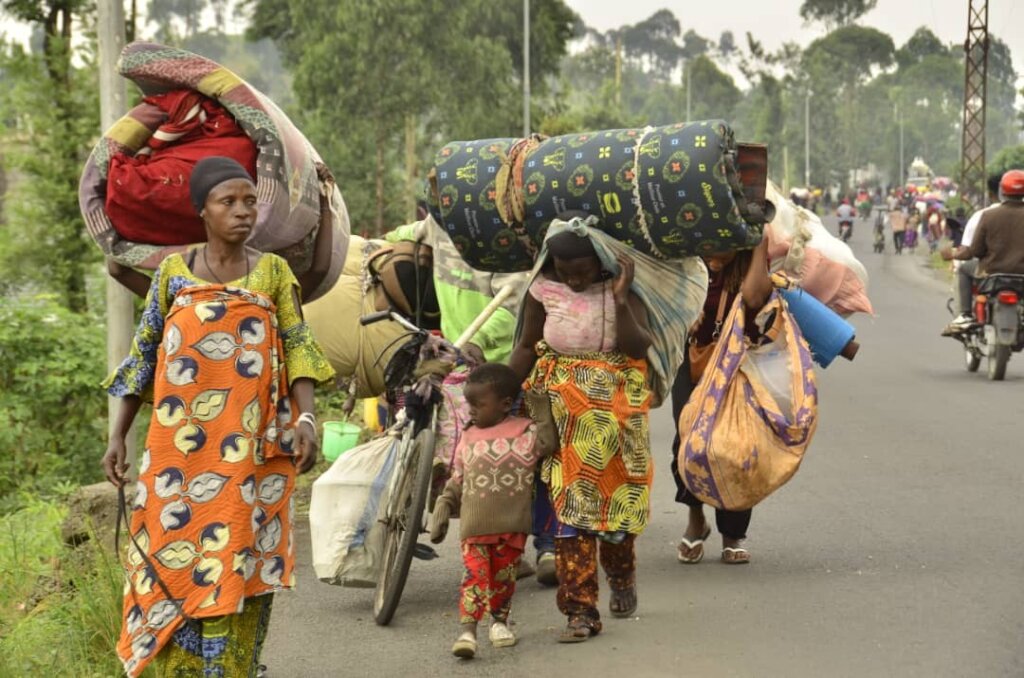
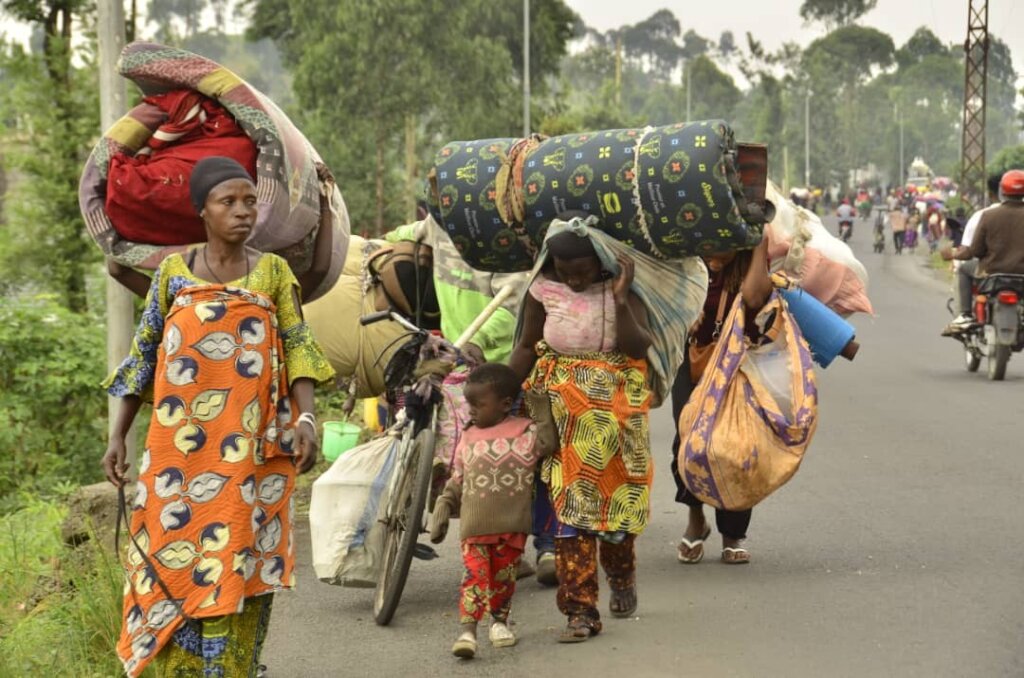
The humanitarian crisis in Eastern Democratic Republic of Congo (DRC), particularly in North Kivu and South Kivu provinces, has intensified following renewed armed conflict and the capture of key urban centers including Goma and Bukavu. The escalation has resulted in large-scale population displacement, destruction of civilian infrastructure, food insecurity, limited access to clean water, and disruption of essential health and protection services.

The Goma & Bukavu Crisis Response Project was implemented to provide emergency humanitarian assistance to conflict-affected households through food support, water and sanitation interventions, protection services, and community resilience activities. The project targeted displaced populations, returnees, and vulnerable host communities affected by the ongoing conflict.

2. Background and Context

Eastern DRC continues to experience protracted conflict involving armed groups, resulting in repeated displacement and humanitarian emergencies. During 2025, intensified fighting in North and South Kivu forced hundreds of thousands of civilians to flee their homes. Many displacement sites around Goma were destroyed or abandoned, leaving families without shelter, food, or basic services.

The crisis severely affected women, children, elderly persons, and people living with disabilities. Humanitarian access remained constrained due to insecurity, damaged infrastructure, and limited funding for emergency response activities.

3. Project Goal

To alleviate suffering and improve the living conditions of conflict-affected populations in Goma and Bukavu through emergency humanitarian assistance and community resilience support.

4. Project Objectives

  1. Improve access to emergency food assistance for vulnerable households.
  2. Enhance access to safe drinking water and sanitation facilities.
  3. Strengthen protection and psychosocial support services for women and children.
  4. Support social cohesion and resilience among displaced and host communities.
  5. Build community capacity for recovery and sustainable livelihoods.

5. Target Beneficiaries

  • Internally Displaced Persons (IDPs)
  • Returnee households
  • Women-headed households
  • Children and youth
  • Elderly persons
  • Persons with disabilities
  • Vulnerable host community members

Total direct beneficiaries: 500 households

6. Key Activities Implemented

Food Security Response

  • Distribution of emergency food packages.
  • Cash-based assistance for vulnerable households.
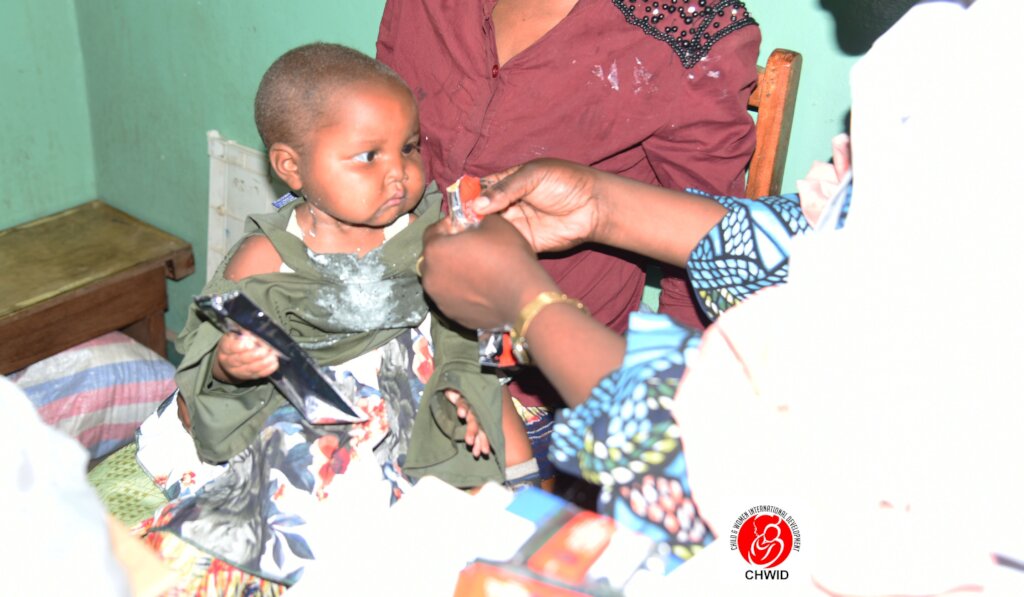
  • Nutrition awareness sessions for caregivers.

Water, Sanitation and Hygiene (WASH)

  • Rehabilitation of community water points.
  • Distribution of water treatment supplies.
  • Hygiene promotion campaigns.
  • Construction and rehabilitation of emergency sanitation facilities.

Protection and Psychosocial Support

  • Establishment of safe spaces for women and children.
  • Psychosocial counseling sessions.
  • Gender-based violence awareness and referral services.
  • Child protection monitoring and support.

Community Resilience

  • Community dialogue and social cohesion activities.
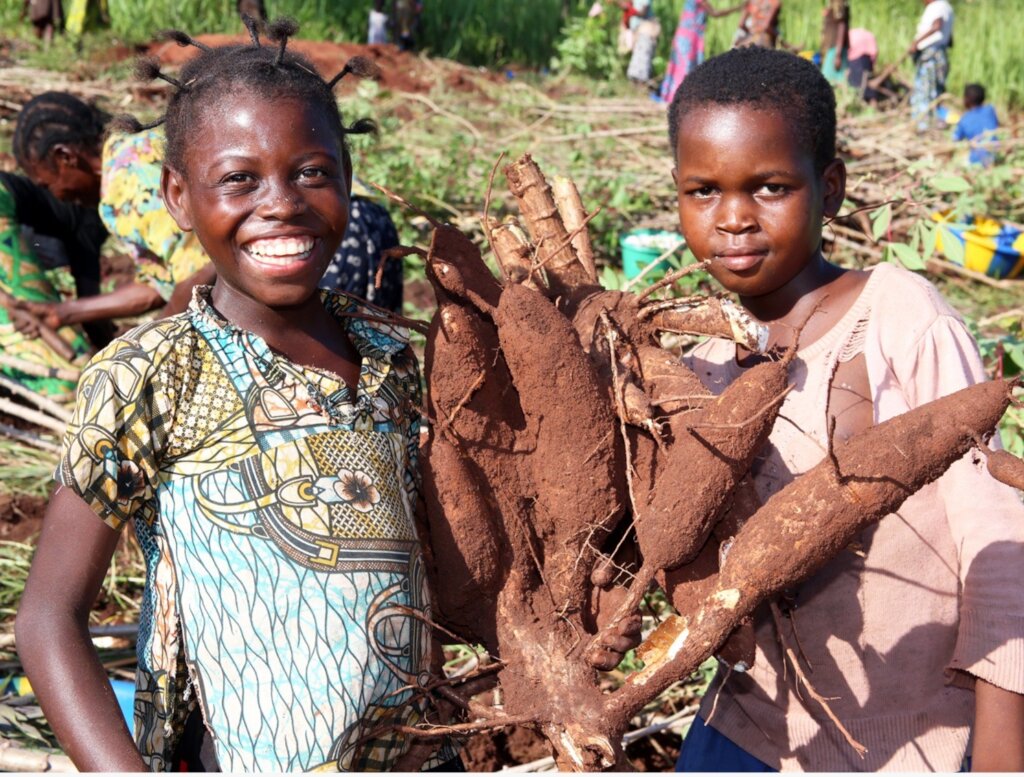
  • Livelihood recovery training.
  • Formation of community support groups.
  • Capacity building for local leaders and volunteers.

7. Results Achieved

Food Security

  • 500 households received emergency food assistance.
  • Household food consumption improved among targeted beneficiaries.
  • Reduced negative coping mechanisms related to food shortages.

WASH

  • Increased access to clean and safe water.
  • Improved hygiene practices among beneficiary households.
  • Reduced risk of waterborne diseases.

Protection

  • Vulnerable women and children accessed protection services.
  • Psychosocial support improved emotional well-being among affected individuals.
  • Increased awareness of protection risks and available services.

Community Resilience

  • Strengthened social cohesion between displaced and host communities.
  • Enhanced community participation in local recovery initiatives.
  • Improved community preparedness for future shocks.

8. Challenges Encountered

  • Continued insecurity and movement restrictions.
  • Limited humanitarian access to some affected areas.
  • Rising operational costs.
  • Inadequate funding relative to growing needs.
  • Damage to infrastructure and public services.
  • Large influx of newly displaced populations.

9. Lessons Learned

  • Community-led approaches improve acceptance and sustainability.
  • Integrated interventions provide greater impact than standalone assistance.
  • Local partnerships are critical in insecure environments.
  • Flexible programming enables rapid adaptation to changing contexts.

10. Recommendations

  • Increase funding for life-saving humanitarian interventions.
  • Expand food security and nutrition support.
  • Strengthen protection services for women and children.
  • Invest in durable water and sanitation infrastructure.
  • Support livelihood recovery and economic resilience programs.
  • Enhance coordination among humanitarian actors and local authorities.

11. Conclusion

The Goma & Bukavu Crisis Response Project provided essential humanitarian assistance to vulnerable populations affected by conflict and displacement in Eastern DRC. Despite significant operational challenges, the project contributed to improved food security, access to safe water, protection services, and community resilience. Continued support remains essential to address ongoing humanitarian needs and promote sustainable recovery for affected communities.


Attachments: Share on Twitter Share on Facebook

About Project Reports

Project reports on GlobalGiving are posted directly to globalgiving.org by Project Leaders as they are completed, generally every 3-4 months. To protect the integrity of these documents, GlobalGiving does not alter them; therefore you may find some language or formatting issues.

If you donate to this project or have donated to this project, you can receive an email when this project posts a report. You can also subscribe for reports without donating.


Sign up for updates

Organization Information

CHILD & WOMEN INTERNATIONAL DEVELOPMENT

Location: KINSHASA - Congo, Democratic Republic of the
Website:
Facebook: Facebook Page
X / Twitter: Profile
Project Leader:
ESPOIR KITUMAINI
KINSHASA , KINSHASA Congo, Democratic Republic of the
$1 raised of $180,000 goal
 
2 donations
$179,999 to go
Donate Now

Help raise money!

Support this important cause by creating a personalized fundraising page.

Start a Fundraiser

Learn more about GlobalGiving

Teenage Science Students
Vetting +
Due Diligence

Snorkeler
Our
Impact

Woman Holding a Gift Card
Give
Gift Cards

Young Girl with a Bicycle
GlobalGiving
Guarantee

Get incredible stories, promotions, and matching offers in your inbox

WARNING: Javascript is currently disabled or is not available in your browser. GlobalGiving makes extensive use of Javascript and will not function properly with Javascript disabled. Please enable Javascript and refresh this page.