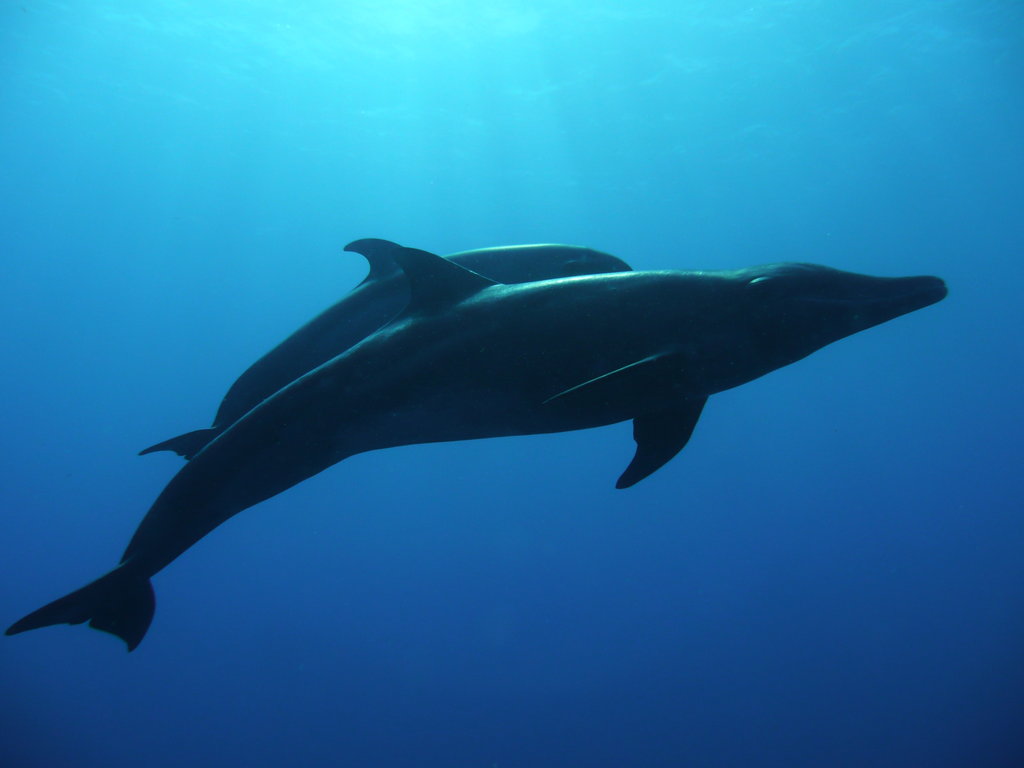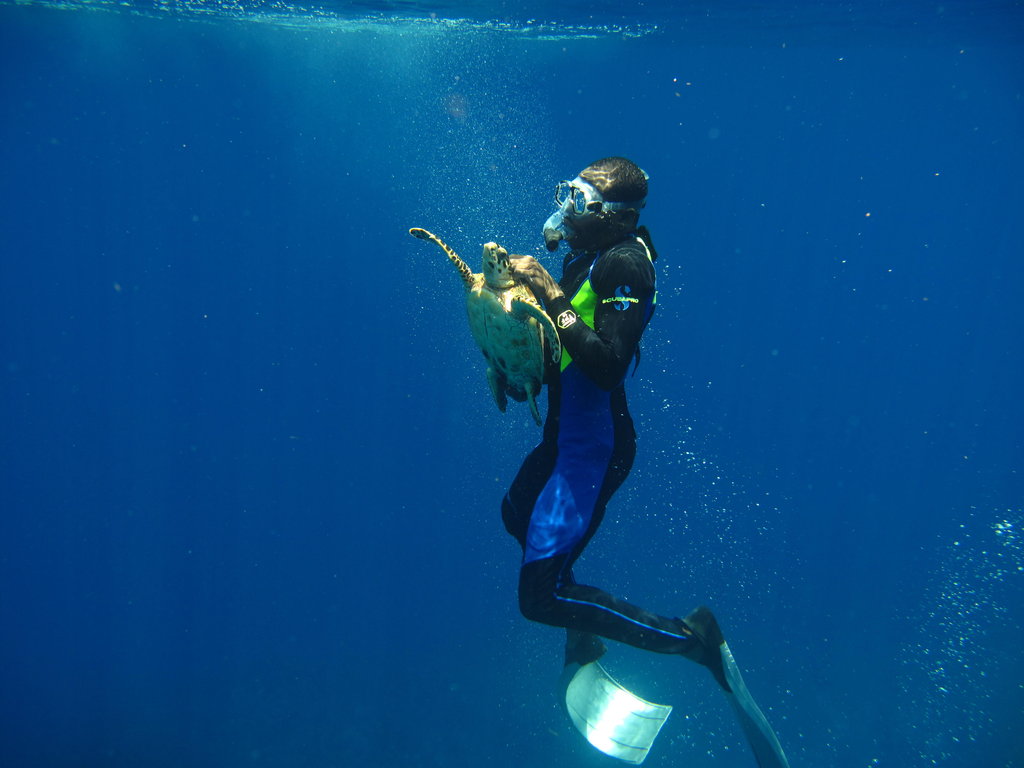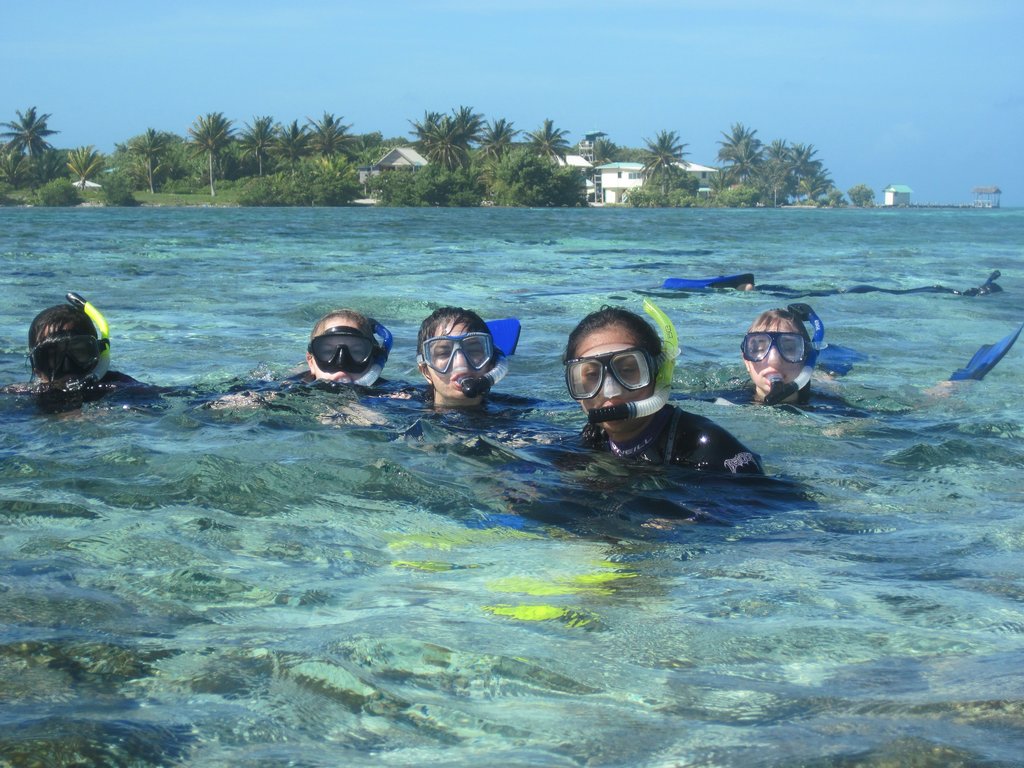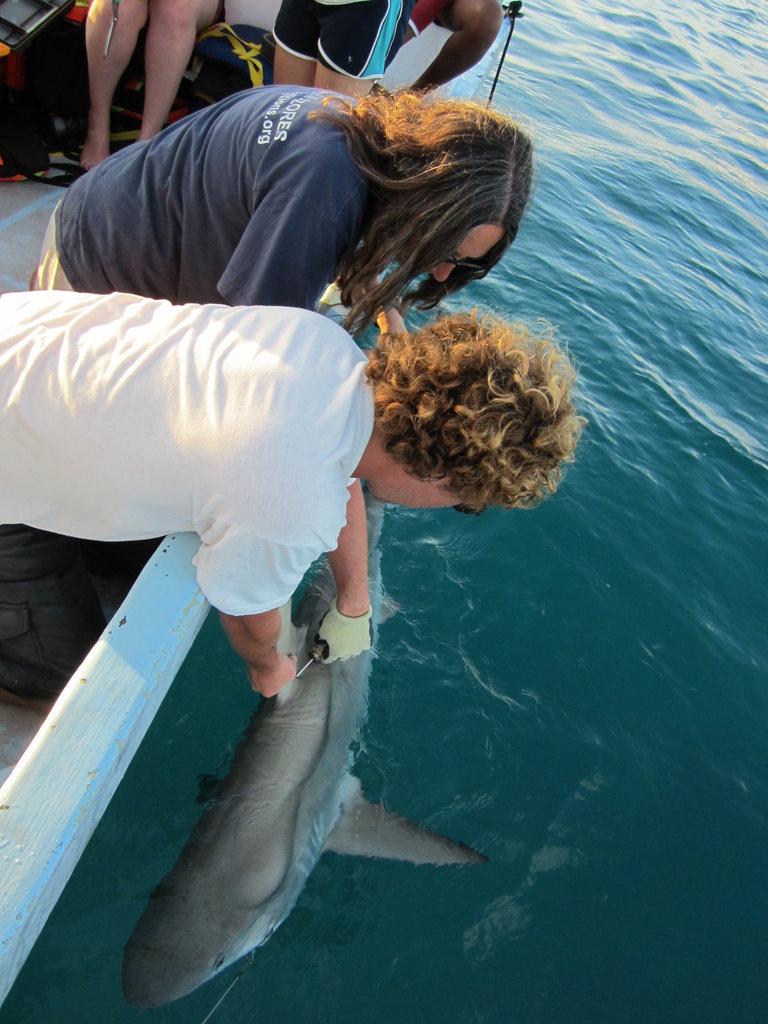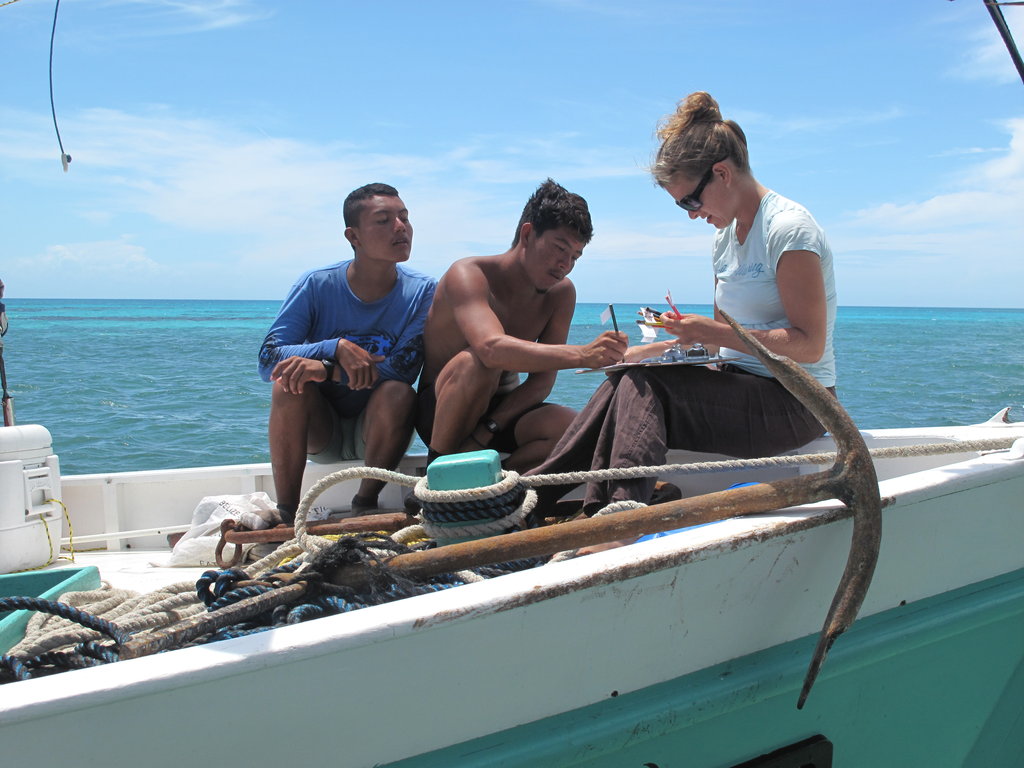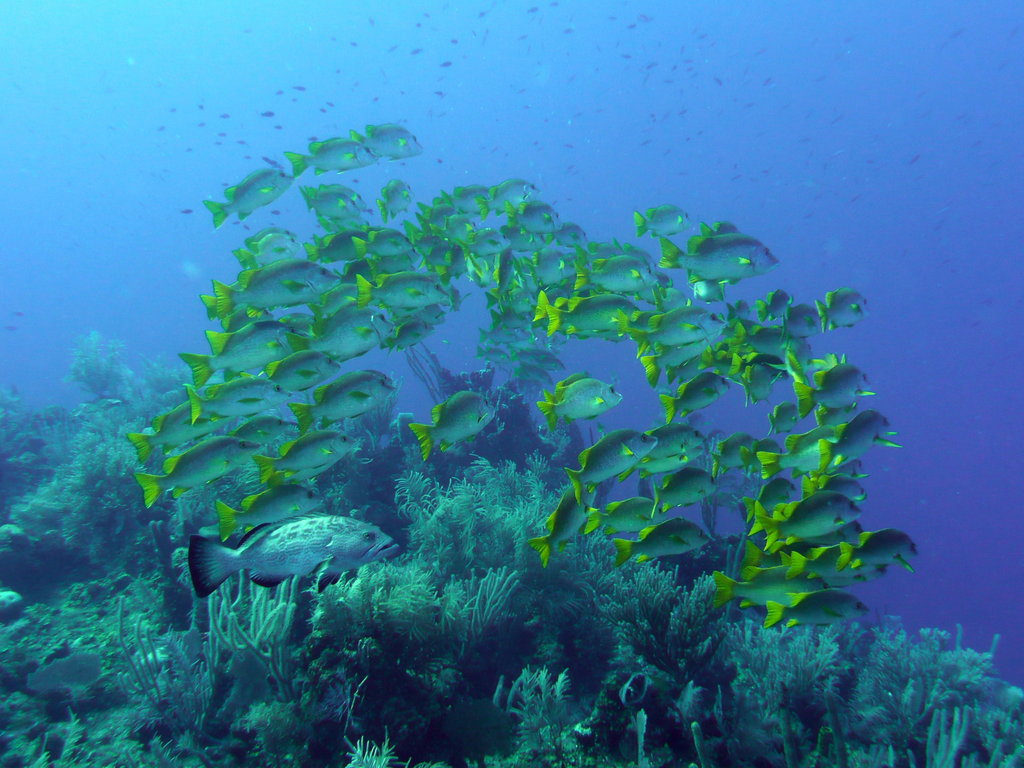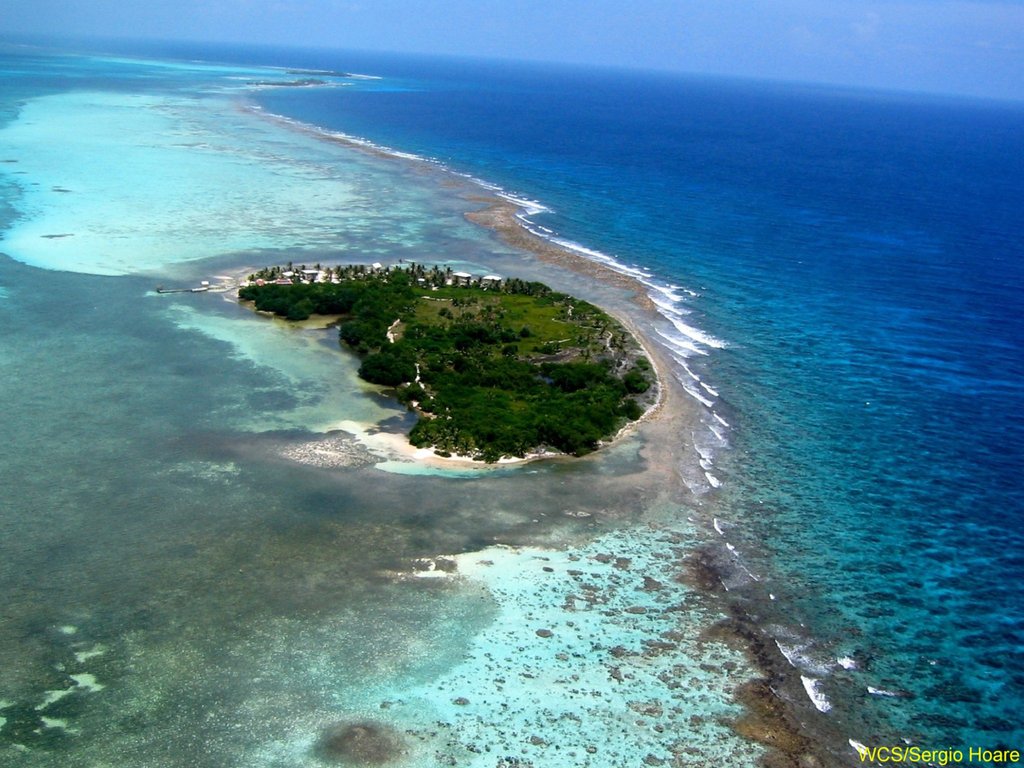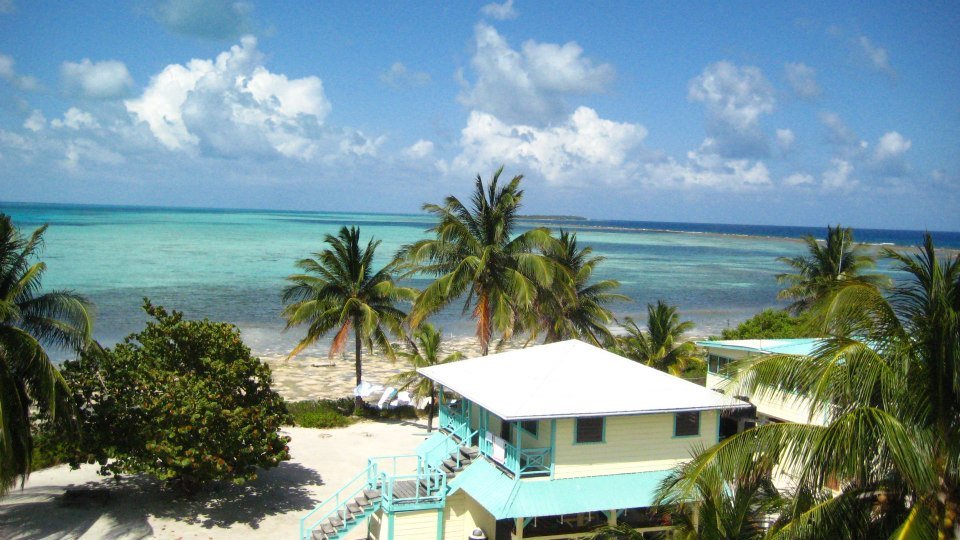
Take action with the Wildlife Conservation Society by supporting Glover's Reef Research Station - a platform for cutting-edge marine science on the Belize Barrier Reef. The research conducted here by scientists and students from around the world helps protect threatened sharks and rays, sea turtles, reef fish, and much more at one of the Caribbean's most important coral reef systems, and advances the training and education of the next generation of marine scientists and ocean advocates.
The Caribbean is one of the three major hotspots of marine biodiversity in the world; however, as is the case globally, these waters face enormous threats from over-fishing, pollution, excessive resource extraction, and the impacts of climate change. The ocean feeds over a billion people, harbors massive biodiversity, and is the world's largest carbon sink - yet only 1% of it is protected. Conserving the marine environment through rigorous science, outreach, and education is critical.
From monitoring sea turtle populations to assessing the health of coral reefs, research at Glover's Reef Research Station will help improve the management of marine protected areas and fisheries and provide valuable knowledge of coral reefs, marine species, and climate change impacts - all critical to protecting the waters of the Caribbean and beyond. Further, inspiring students to become advocates for conservation through hands-on experiences will create a brighter tomorrow for our oceans.
Over the long term, Glover's Reef Research Station will support the education, training, and research of hundreds of students and scientists, as well as produce research that will help improve the management of fisheries and marine protected areas in Belize and around the world, protect threatened marine species such as sharks and rays, provide insight into the resilience of coral reef ecosystems in the face of climate change impacts, and much more.