By Paul Medici | Manager, American Operations--ARF
Dear Donors,
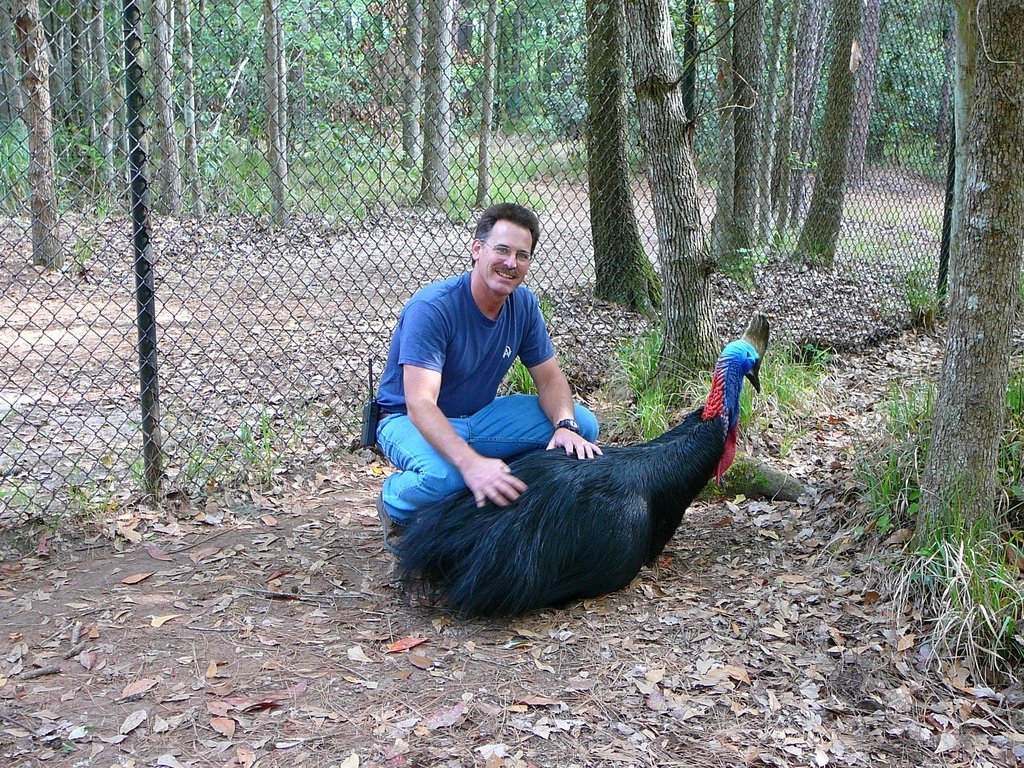
It is great to be reporting back to you today. There is great activity going on around the globe that is helping save the cassowary and it's habitat.
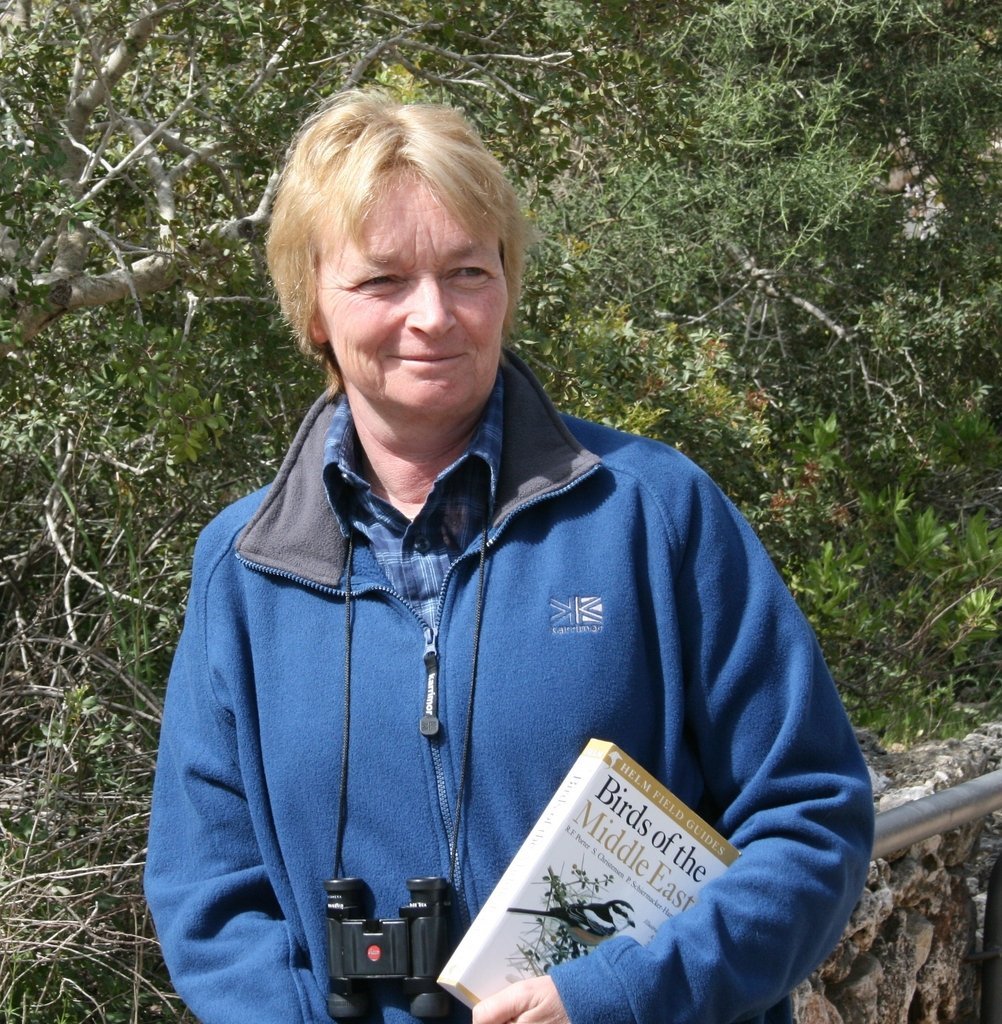
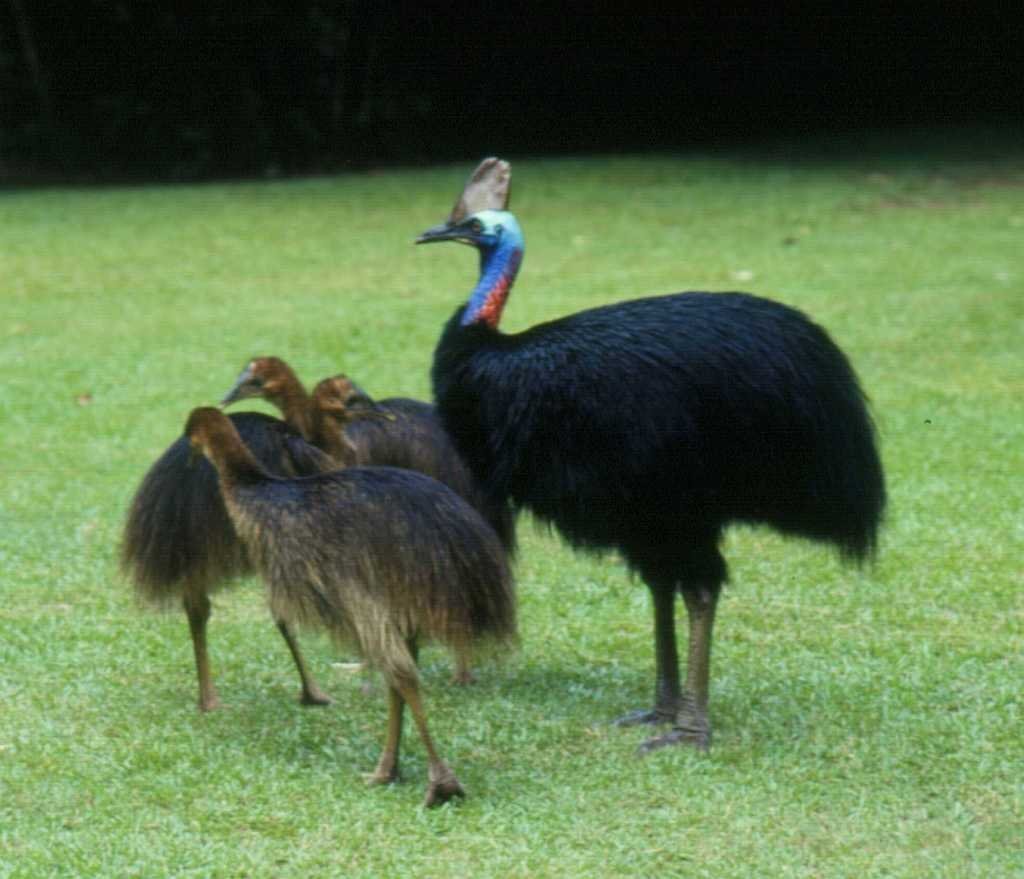
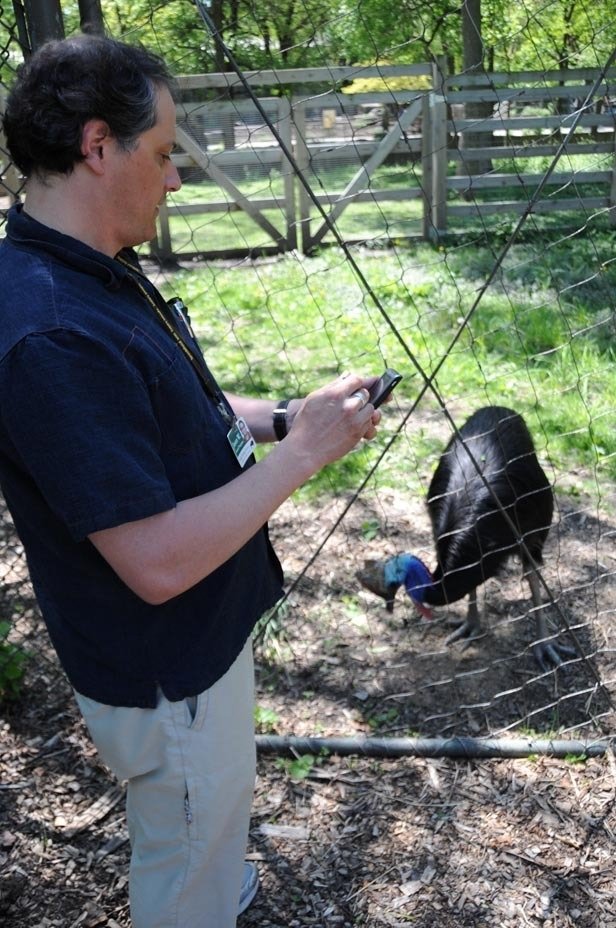
First, an update out of the UK and Paignton Zoo. Jo Gregson, Curator of Birds at Paignton Zoo, has been very busy studying cassowary behavior at her zoo using the EthoTrak program. EthoTrak mixes IT specialists with Animal Behavioral Managers to get the best data possible. The Australian Rainforest Foundation helps fund the EthoTrak team and some American zoos using EthoTrak, and has been a big supporter in helping these studies start up. This data is not only collected at the zoo using mobile devices, but is also shared and interpreted by institutions around the world that are also using the EthoTrak program to study vital cassowary behaviors. These behavioral studies on the captive cassowary population are offering clues as to how we can save the cassowary in its natural habitat in Australia and PNG.
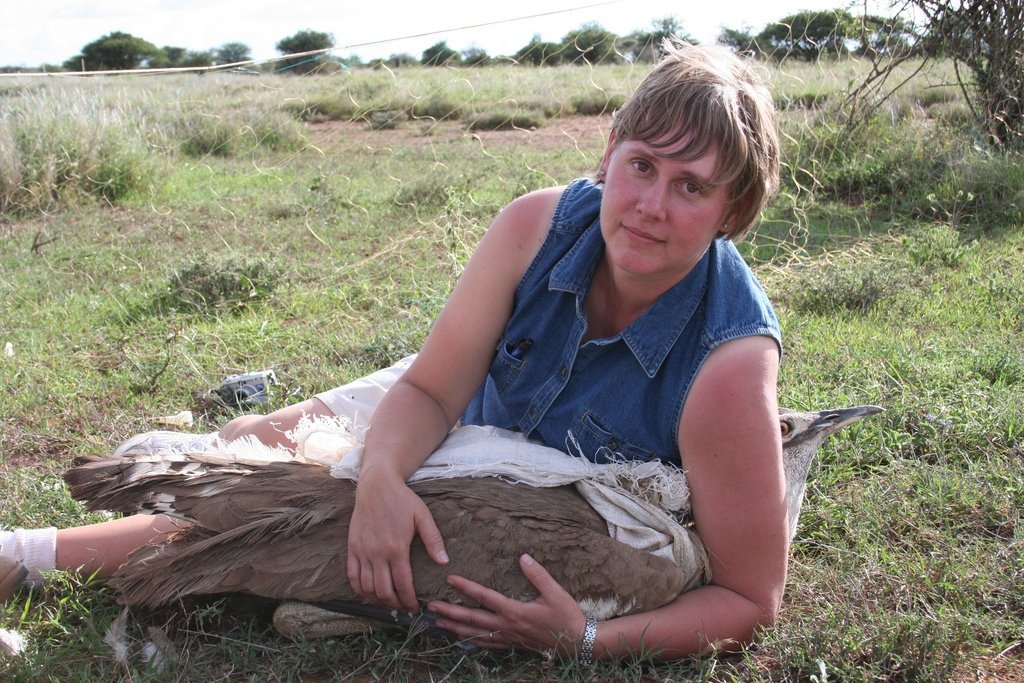
Jo Gregson traveled to the United States in April of this year to meet up with the American team of the International Cassowary Recovery Team (ICRT) at the Association of Zoos and Aquariums Mid-Year conference in Virginia Beach. Paul Medici, Manager of American Operations for the Australian Rainforest Foundation, also attended the meeting and joined in with other ICRT members including Nicole LaGreco, Sara Hallager, Chad Comer, Jason Watters and more on prioritizing ICRT business for the year. Jo is also working with the Edinburgh Zoo with their Trace Wildlife Forensics Network on DNA research using cassowary feathers. The goal is to try and determine the country of origin for their captive cassowary population, either Indonesia or Australia.***Similar tests on cassowary feathers from cassowary here in the states at the zoos is also at hand. ICRT member, the San Diego Zoo, has donated the money needed to test the cassowary in American zoos. Finally, with the help of Dr. Ross McEwing, scientist at the Edinburgh Zoo and their Trace Wildlife Forensics Network, tests on wild cassowary feathers in Indonesia is also a real possibility. The Australian Rainforest Foundation is working on funding Australian tests of cassowary feathers--from cassowary in the wild and the captive population as well.
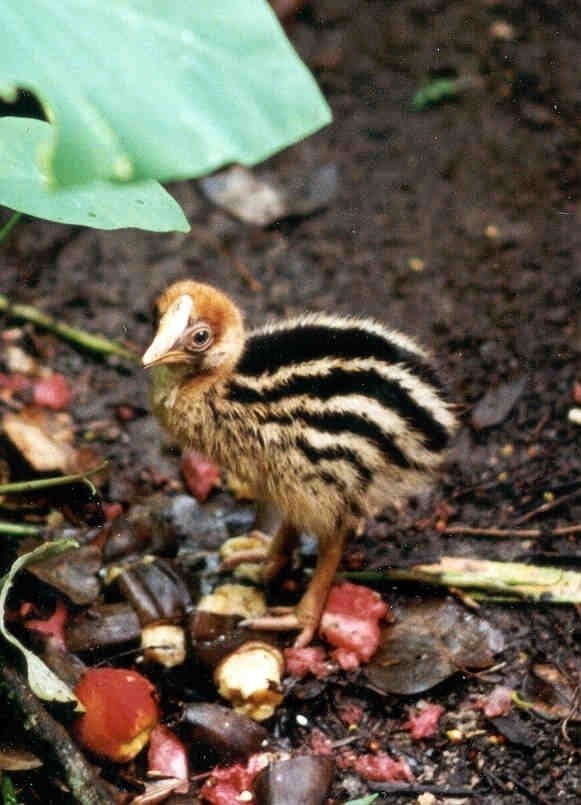
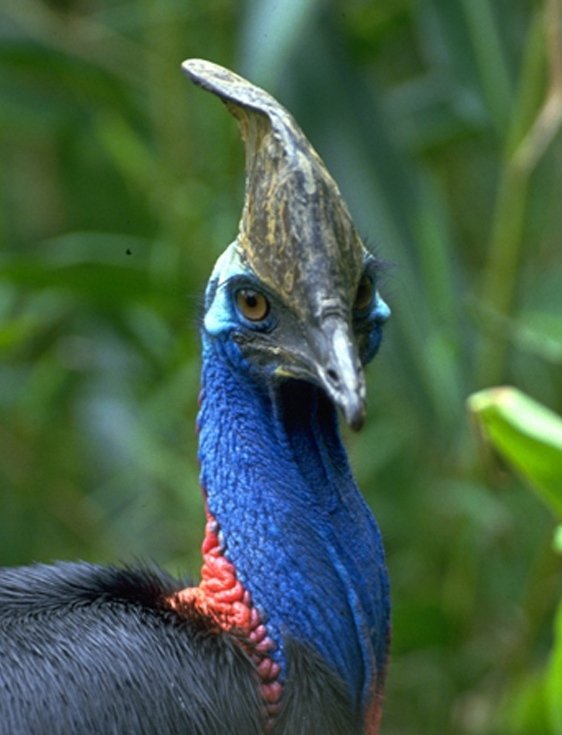
Science and Technology, mixed with passion and dedication, is changing the way zoologists, conservationists, biologists, etc...work with animals in order to save them. This project focuses on the Keystone Specie (the 'Gardener of the Rainforest') the Cassowary. Without the cassowary roaming the oldest rainforests in the world, the high level of biodiversity that only 130 million years can create, would be in extreme danger. Species would fall, plant families would die and the natural order of things would be thrust into chaos.
The first two paragraphs above talk lot about studying animal behavior. Sara Hallager, AZA Ratite TAG Chairperson and also the Avian Scientific Advisory Group Chairperson, told me just recently that studying the cassowary is boring! I guess compared with other birds (maybe because the cassowary is a flightless bird) it is. I was lucky enough to see cassowary in the wild in Australia and it was incredible! But Sara and the rest of the ICRT are committed to studying this sometimes "boring" bird because without a doubt, it's incredibly important. As a Keystone Species, many (possibly exciting) species rely on the cassowary to roam the rainforests, disperse of the large rainforest fruit seeds, take part in the germination process and keep order in the oldest rainforests in the world--these World Heritage Listed areas. Thanks to IT, this work is advancing.
Cheers,
Paul Medici
Project reports on GlobalGiving are posted directly to globalgiving.org by Project Leaders as they are completed, generally every 3-4 months. To protect the integrity of these documents, GlobalGiving does not alter them; therefore you may find some language or formatting issues.
If you donate to this project or have donated to this project, you can receive an email when this project posts a report. You can also subscribe for reports without donating.