By Karan Singh | Senior Manager Resource Mobilisation
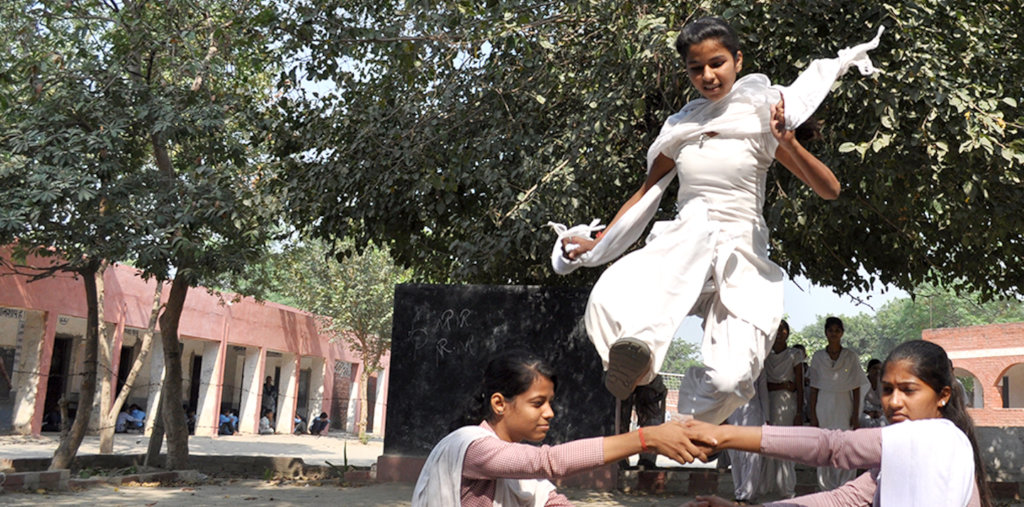
At Breakthrough, we work with adolescents (11–18) through a two-year gender equity programme in schools and communities, and with young adults (19–25) through leadership and capacity-building initiatives. By strengthening aspiration, agency, and negotiation skills and engaging parents, teachers, and local governance we are building an ecosystem where gender-based violence is unacceptable and girls can thrive.
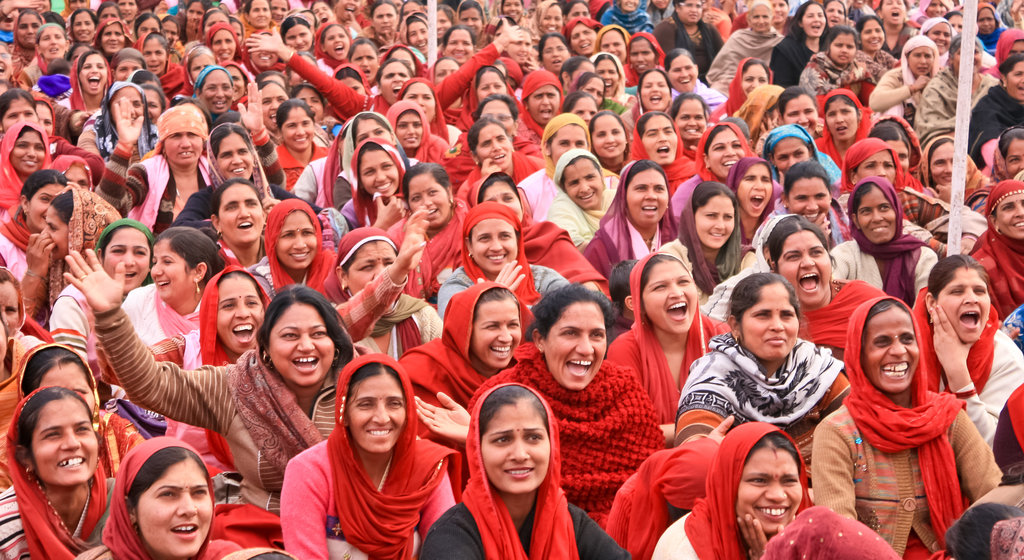
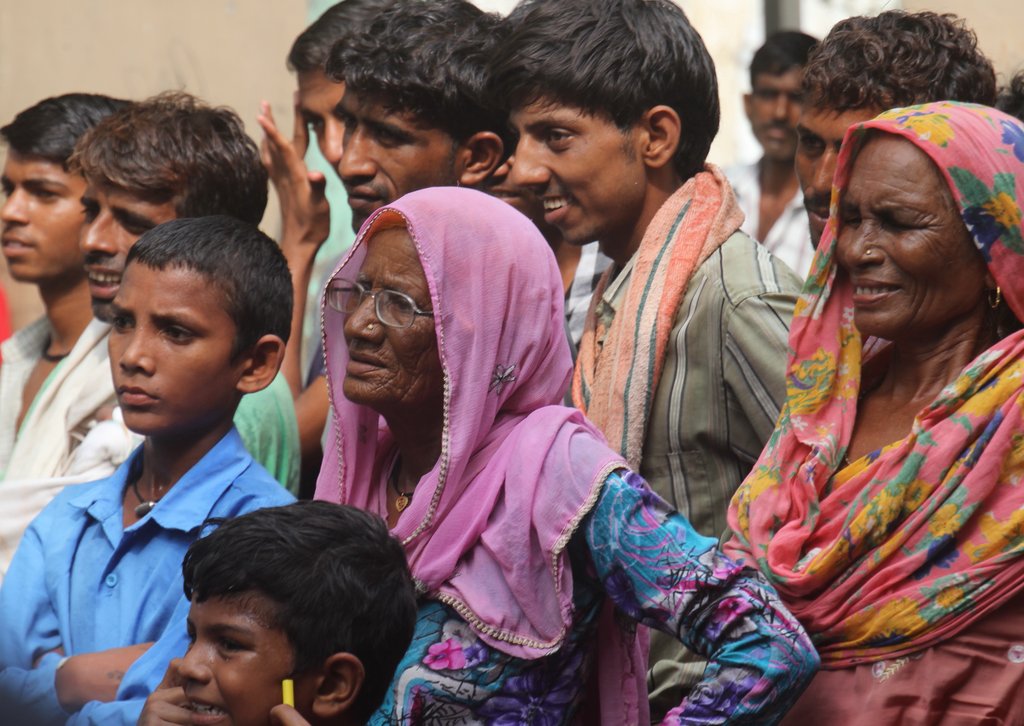
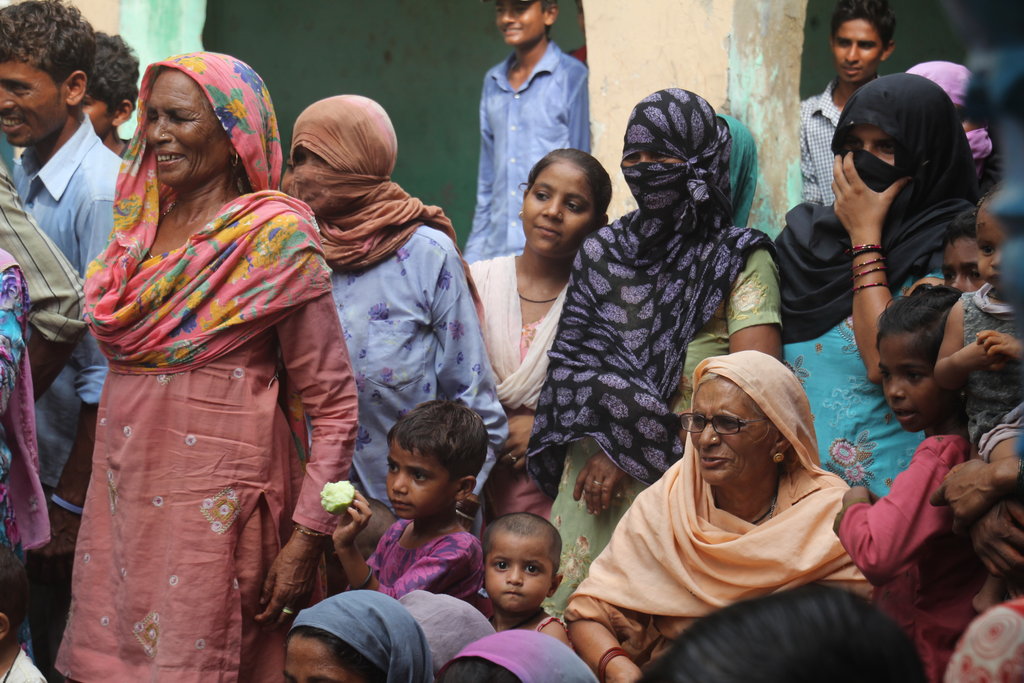
Between September and November 2025, we witnessed something powerful: adolescent girls stepping into leadership, communities questioning long-held gender norms, and local institutions moving from passive support to active partnership.
Here is a snapshot of what your support made possible this quarter:
In a village in District Rohtak, Haryana sustained advocacy by a Kishori group (15-18 year old girls) and youth collective (19-25 year old) led to the installation of 300 streetlights- a tangible shift toward safer public spaces.
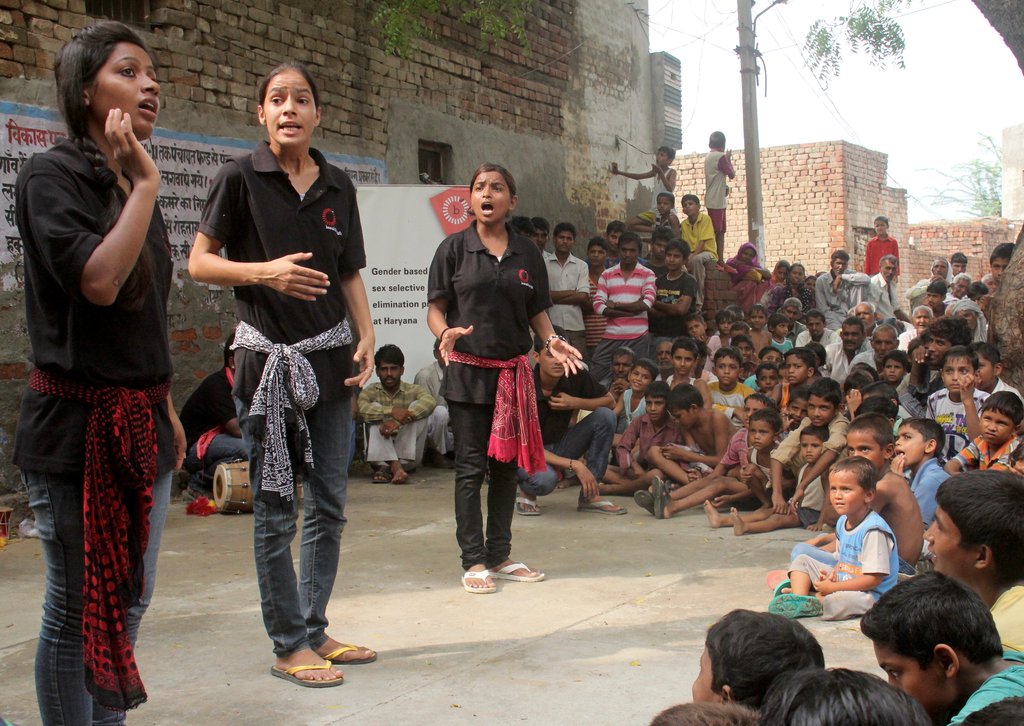
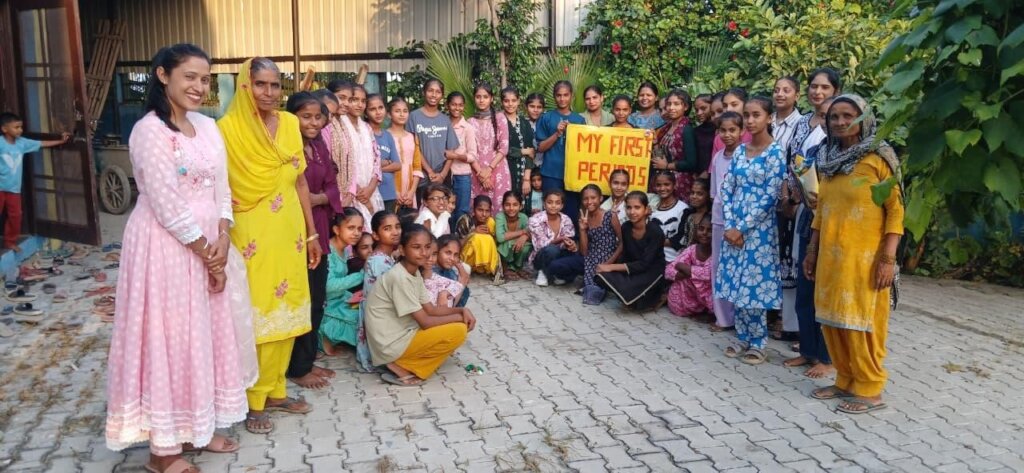
In District Karnal, Kishori groups organized “My First Period Story” events- public conversations about menstruation in villages where the topic is often silenced. Girls created safe spaces to share experiences and challenge stigma.
As one Kishori leader shared:
“Earlier, I was not able to express myself openly, but after getting the opportunity to lead the Kishori group, I started speaking confidently. I encouraged other girls to do the same. Even when Ruby sister is not with us, we all sit together and talk about our dreams and studies. Together, we wrote a letter to the Sarpanch regarding the school toilet. Since the Sarpanch’s house was far away, one of our group member’s mothers accompanied us to deliver the letter.”
Deeply entrenched norms often restrict girls’ education and career choices. Through sustained engagement with girls, families, and youth groups:
Asha (name changed) from Devipur village, District Karnal shared:
“In my village, girls are not allowed to study outside. But with support, my family agreed. Now I am pursuing ITI and living my dream.”
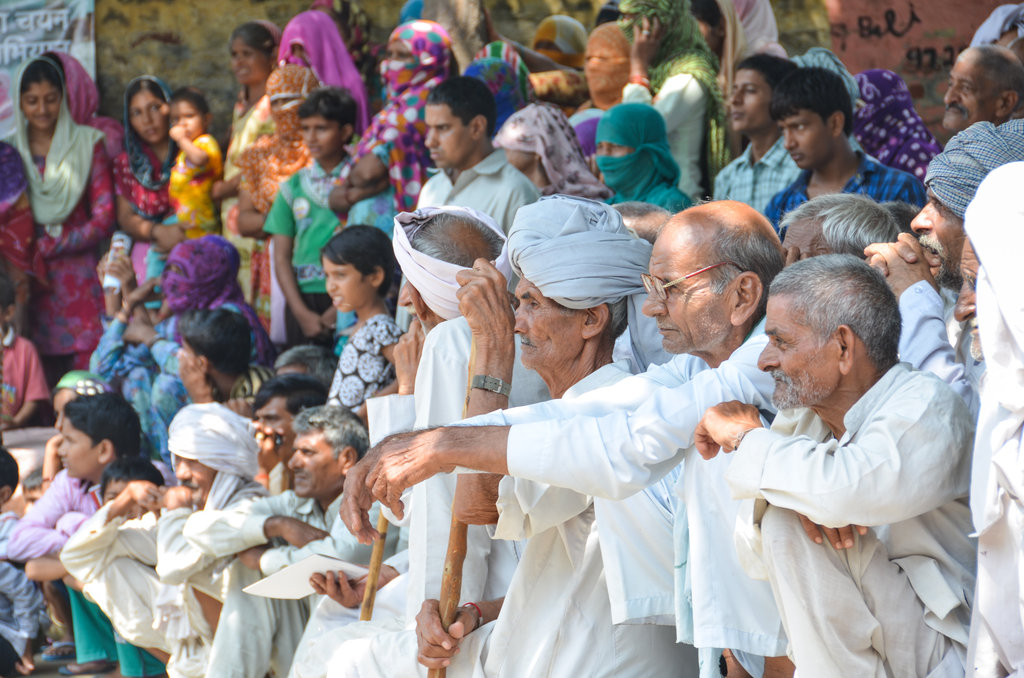
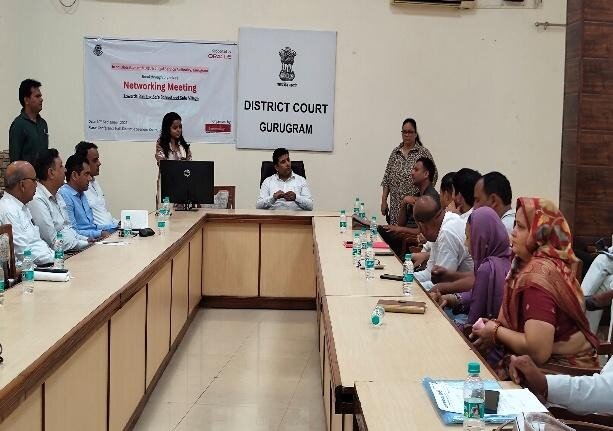
This quarter, 250 government stakeholders, including Chief Judicial Magistrates (CJMs), education officials, school heads, and Panchayat representatives, participated in cross-departmental meetings across 6 districts of Haryana.
We saw a meaningful shift: officials moved from acknowledging our work to actively requesting collaboration. Importantly we also observed increasing participation and voice of women Sarpanchs, strengthening gender representation in local governance.
As CJM Tarannum noted:
“Creating a safe environment is not just the responsibility of the school principal or village head, it is the collective responsibility of the entire community. Safety committees can only be effective when regular meetings ensure continuous dialogue and problem-solving.”
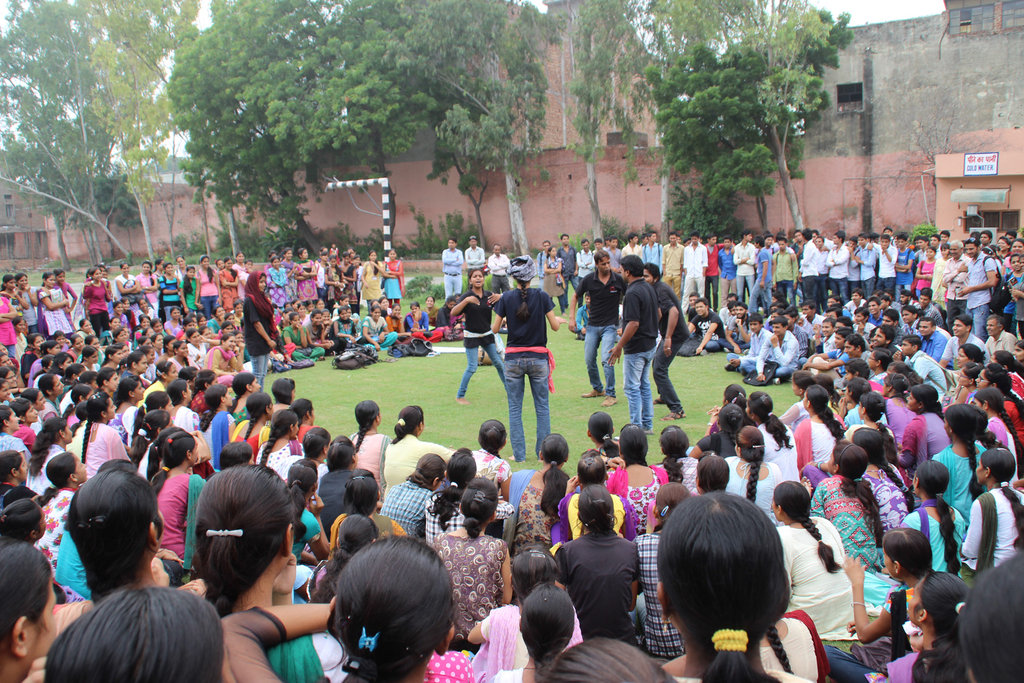
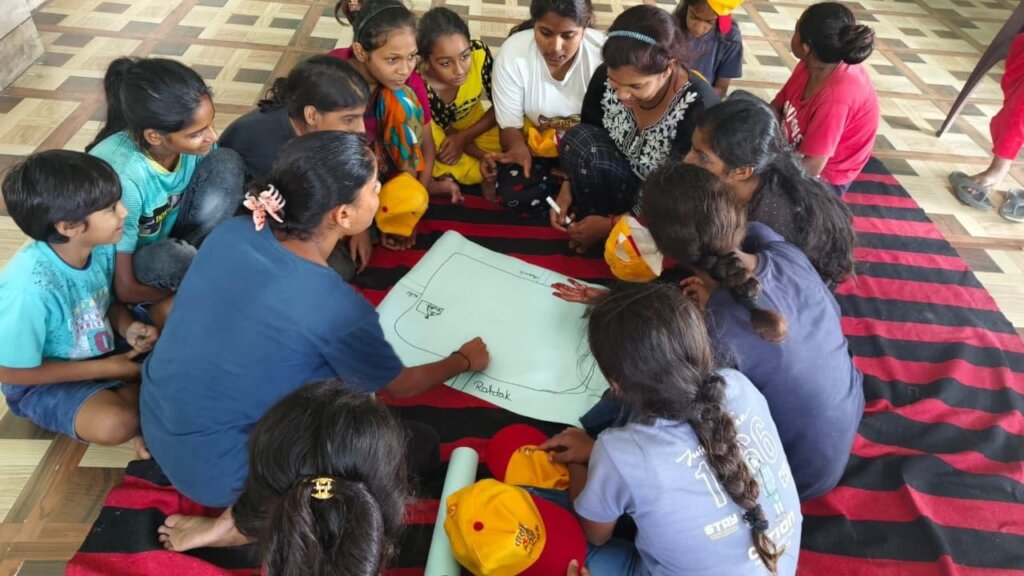
Participatory Rural Appraisal (PRA) engages communities in identifying challenges, mapping resources, and prioritising collective solutions. In Haryana, PRA exercises were conducted with adolescents, youth, adult men and women, Community Developers, Team Change Leaders, and Panchayat representatives to surface barriers affecting girls’ mobility, safety, and aspirations. Using participatory tools, communities examined governance systems, caste and gender dynamics, and access to services, shifting dialogue from problem identification to action.
During the sessions, a recurring expectation emerged that girls should marry immediately upon turning 18, significantly limiting their mobility, education, and life choices. One illustrative example was the community’s reaction to a 35-year-old unmarried woman from the USA, where even women participants advised that she should get married. This response highlighted not only the intense social pressure faced by women who challenge traditional norms but also how deeply these norms are internalised by women themselves, underscoring the complex social context in which the programme operates.
Key findings across Gram Panchayats:
In Jasia (District Rohtak), discussions revealed strong expectations for girls to marry at 18, underscoring how deeply internalised restrictive norms remain.
In Karola (District Gurugram), a male adult group collaborated with the Sarpanch to install streetlights in unsafe areas, demonstrating movement toward gender-responsive, community-led solutions. Youth also raised gender demands during Gram Sabhas and public hearings.
In the Ladsouli (District Sonipat) community, a PRA activity was conducted with the Kishori Group. A major issue identified by most of the adolescent girls was restriction on mobility. One of them, Afreen, shared that while she was only allowed to visit her friend’s place after her parents had spoken to her friend’s family, her brothers were allowed to go out anytime they wanted. She also shared that since the village school is only up to Class 10, many girls have to discontinue their education afterwards.
5. Parents as Partners in Gender Equality
We conductedspecial trainings with parents to strengthen supportive home environments and nurture adolescents’ aspirations. Through interactive sessions, parents reflected on shared responsibility, communication, and equal support for daughters and sons.
A father shared:
“Be it a boy or a girl, we should support them the same way.”
A mother said:
“My husband does not usually allow me to go anywhere. I am happy my children are part of this space… I will share this with him.”
Sheela’s Journey: Transforming Mindsets and Empowering Girls
Sheela, a resident of Bhadani village, District Jhajjar, Haryana, grew up in a household where strict gender roles confined women to domestic duties. Her perspective began to shift when she was invited to serve as School Management Committee (SMC) head, responsible for improving school functioning and student welfare. Initially hesitant, Sheela worked closely with Breakthrough staff, learning about gender equality, girls’ rights, and violence prevention.
Empowered by these insights, Sheela advocated for the installation of proper drinking water facilities, successfully resolving the issue through persistent engagement with the SMC. Her commitment extended to her family, where she now ensures equal opportunities for her two daughters and son, actively challenging gender stereotypes at home.
Sheela also supported adolescent girls’ sports initiatives. When a local girls’ group faced resistance from parents to play, Sheela convened meetings, explained the importance of equality, and motivated parents to allow participation. As a result, a Kho-Kho team was formed, with Sheela actively encouraging the girls at every game. Reflecting on her journey, she shares, “Breakthrough has given me new ideas and perspectives. I will stay connected and continue working to promote equality, reduce violence, and empower girls.”
Through her leadership, Sheela has improved school facilities, challenged traditional norms, and created safe, inclusive spaces for girls, inspiring her community to embrace gender equality and adolescent empowerment.
Across villages, we see a consistent pattern: when girls gain voice and agency, when parents shift attitudes, when boys and men participate in dialogue, and when institutions collaborate, the ecosystem begins to change.
This quarter was not just about activities completed. It was about:
Norm change is gradual. But every letter submitted, every girl re-enrolled, every repaired streetlight, and every community conversation brings us closer to a generation that rejects gender-based violence and believes in equal futures.Thank you for helping us make this possible.
Project reports on GlobalGiving are posted directly to globalgiving.org by Project Leaders as they are completed, generally every 3-4 months. To protect the integrity of these documents, GlobalGiving does not alter them; therefore you may find some language or formatting issues.
If you donate to this project or have donated to this project, you can receive an email when this project posts a report. You can also subscribe for reports without donating.



Support this important cause by creating a personalized fundraising page.
Start a Fundraiser