Project Report
| Dec 3, 2025
Fall and Winter: Slower but not Slow
![]()
Fall at the sanctuary usually means the end of baby season, though squirrels are trying to change that. Climate change has stretched their traditional spring and fall mating seasons, and they seem to be actively working towards a year-round season. Eek! Nonetheless, for day-to-day activities, life slows down a bit in the fall and into winter. We switch from caring for babies and growing them to fixing and repairing the enclosures that house and protect them (which they tend to destroy simply by being themselves). Older enclosures are repaired and rebuilt to newer standards. Enclosures with wire floors are dug out and rewired deeper to promote more natural behavior in species that dig and burrow. Repairs and upgrades keep us busy even when patient care doesn't.
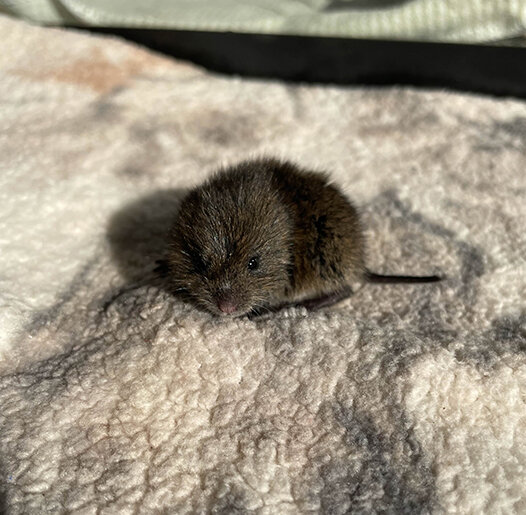
Yet deferred maintenance accounts for only a part of the day; there are still animals to care for, some like our education ambassadors that live with us year-round, some that were injured and need more time to heal, and some that continue to come in throughout the fall and winter months. This fall has seen us intake multiple groups of displaced native mice as well as flying squirrels and even a tiny vole! The vole was found outside a rescuer's door, unresponsive and not moving, and after a visit to the veterinarian, was transferred to us for long-term care. In vole terms, that means release in a few weeks, as they don't hibernate and only live about three to six months in the wild. Our goal is to get him back to the wild as soon as possible!
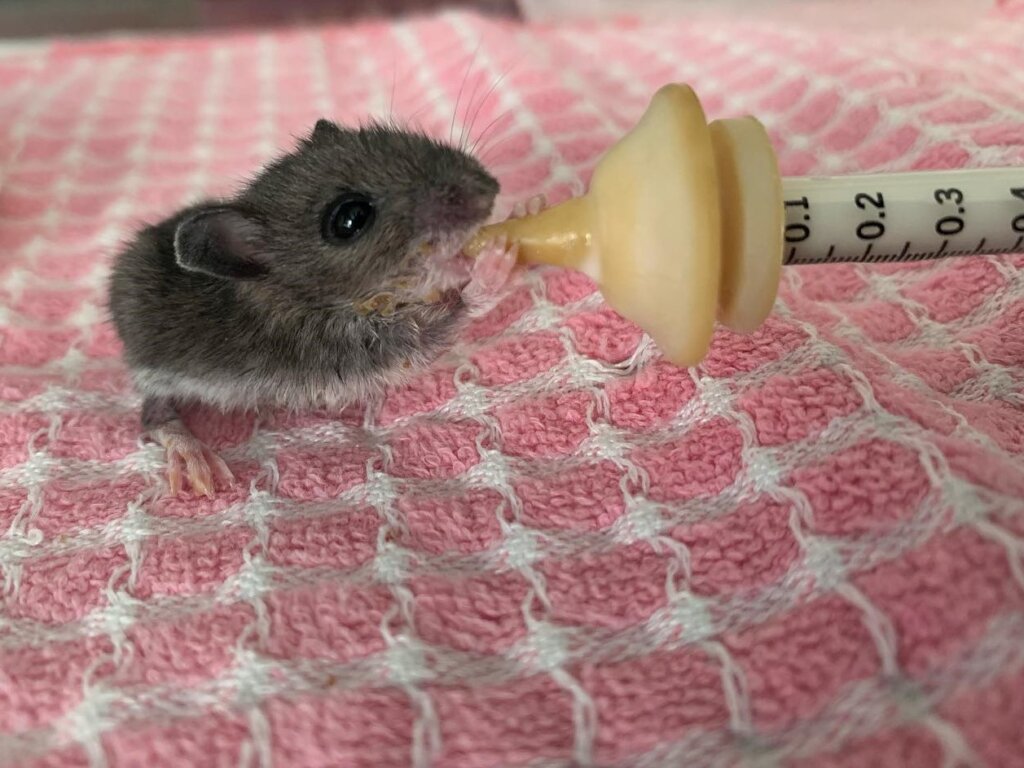
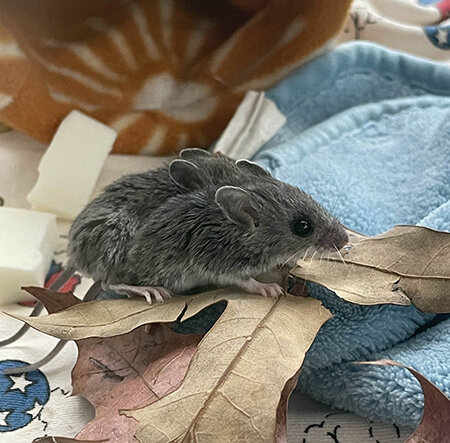
Like the vole, the white footed mice that come to us as infants, usually with their eyes still closed, will stay for a relatively short time. In the wild, they have an average lifespan of only one to two years, so much like as with their mom, we try to get them back to the wild as soon as they are weaned.
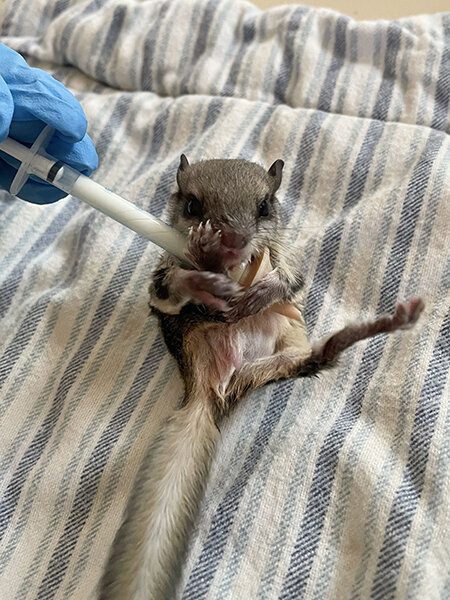
The flying squirrels will have a longer stay with us. When we get them in so late in the season, our only recourse is to keep them for the entire winter. This is because they don’t hibernate and live off of food that they have stored/cached for the winter months. So, they cannot be released until spring, when they will have time to find and store their food for next winter.
We're often asked why we bother rehabbing mice, voles, or other animals that many folks tend to write off. At RWS, we care for every native animal that needs us, and we know that prey species like mice are just as worthy of compassionate care as any owl or fox. Every animal has a valuable role to play in our native ecosystems, and treating patients regardless of their species helps us contribute to population health and conservation.
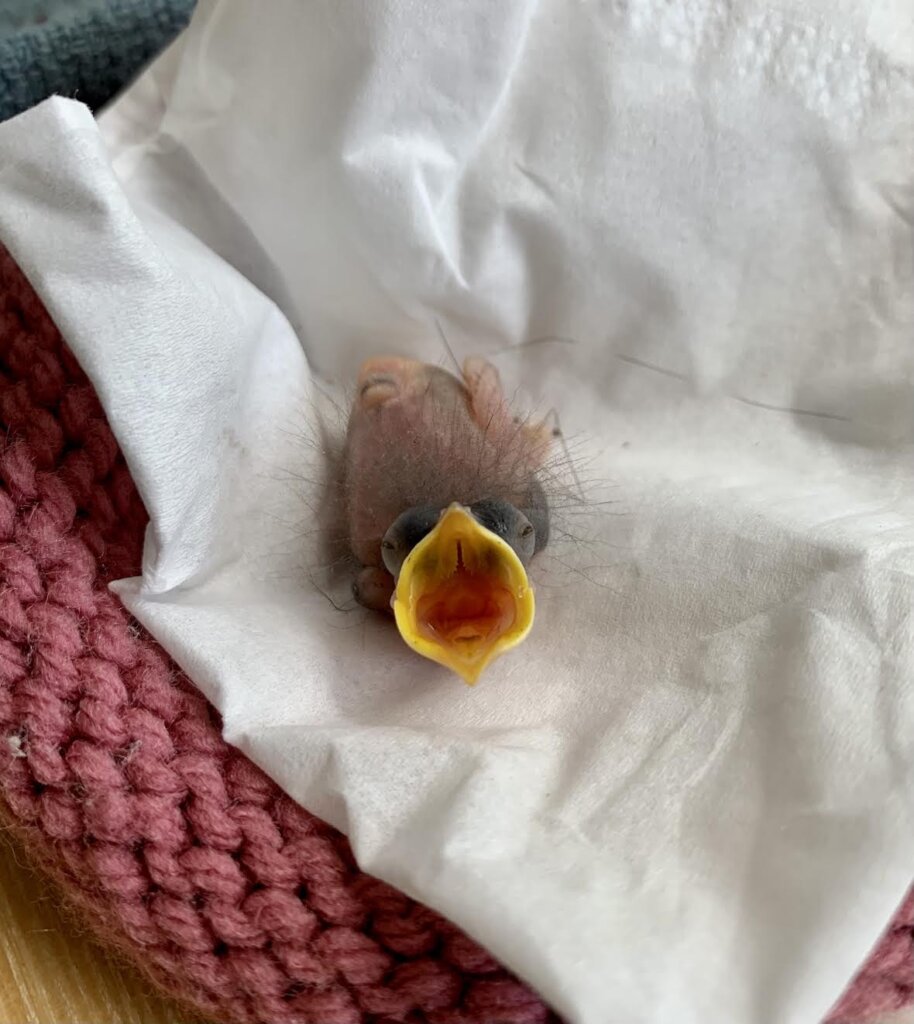
All in all, there is plenty to keep us busy throughout the winter months - even without having to feed baby birds every 15 minutes. Every day is different, every day is unique, but mostly every day is rewarding in some way, shape, or form. Thank you to all who support our work, and Happy Holidays!
![]()
![]()
Links:
![Share on Twitter]()
![Share on Facebook]()