By Jeff Wilbur | Administrator
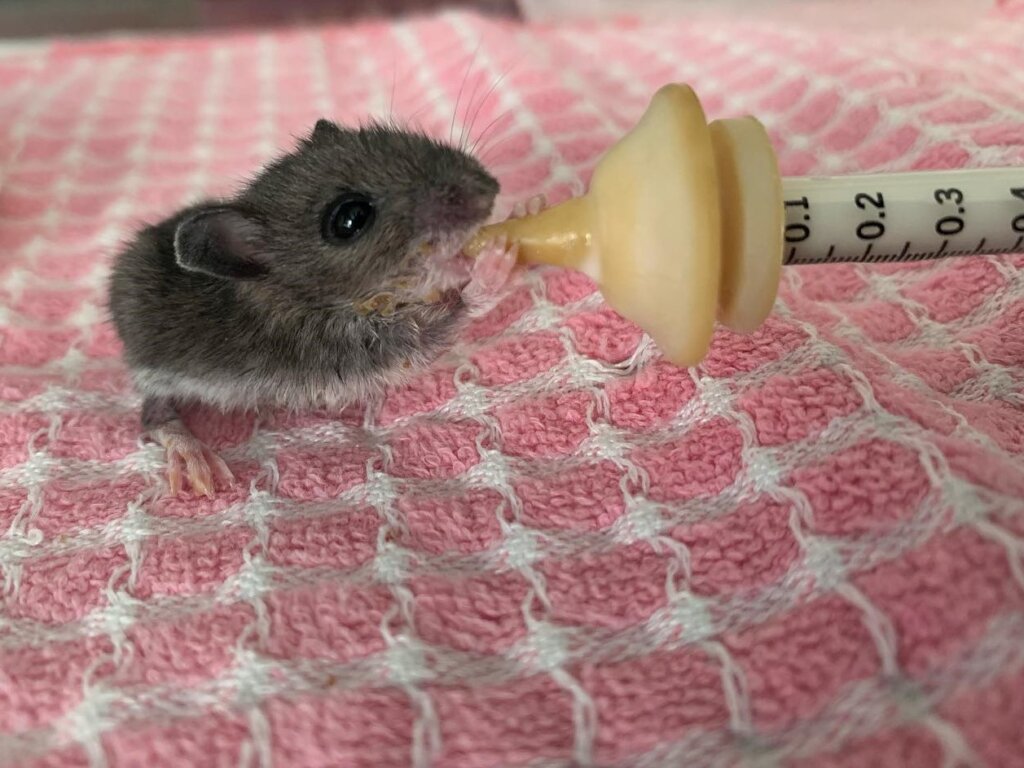
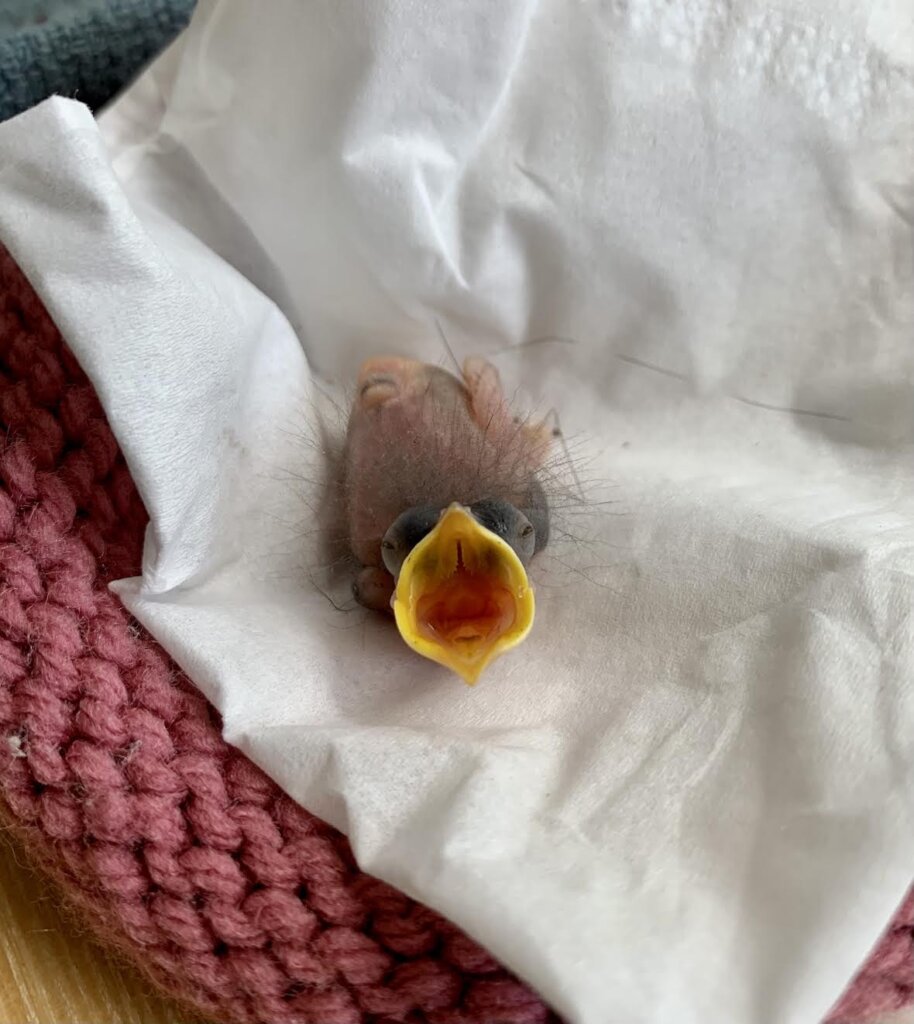
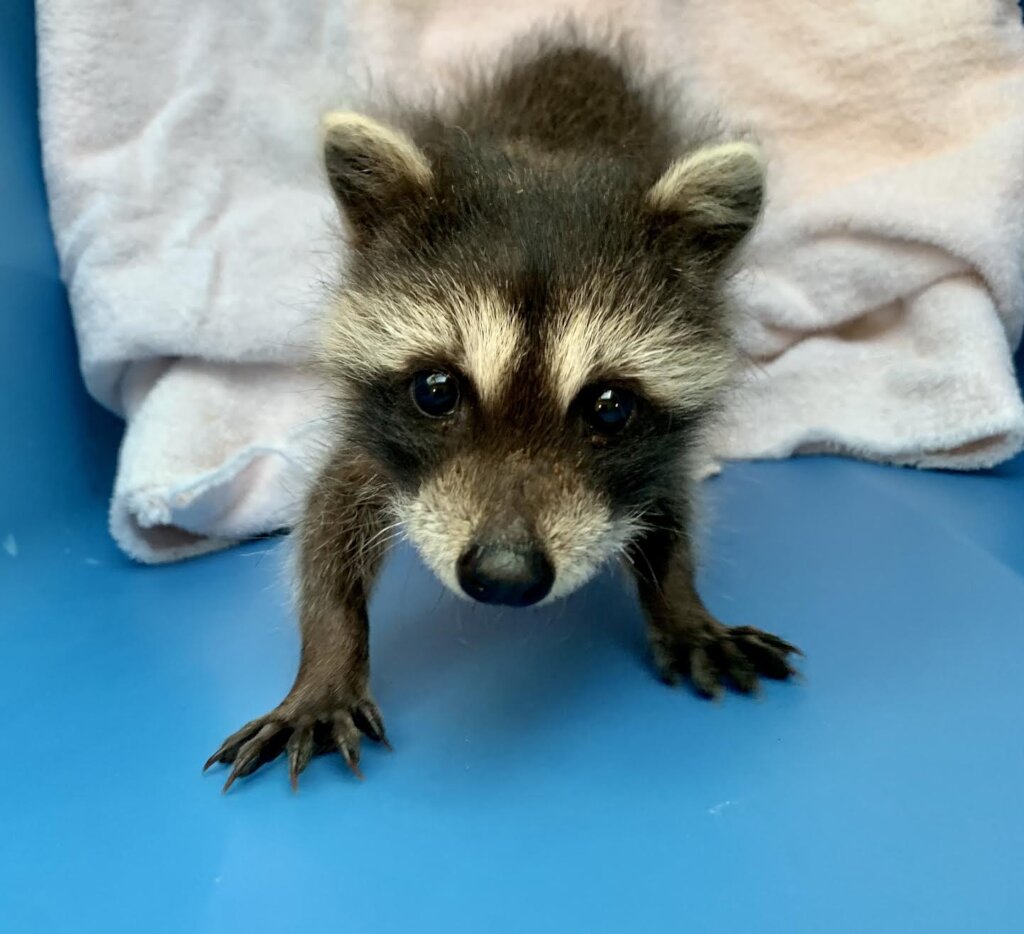
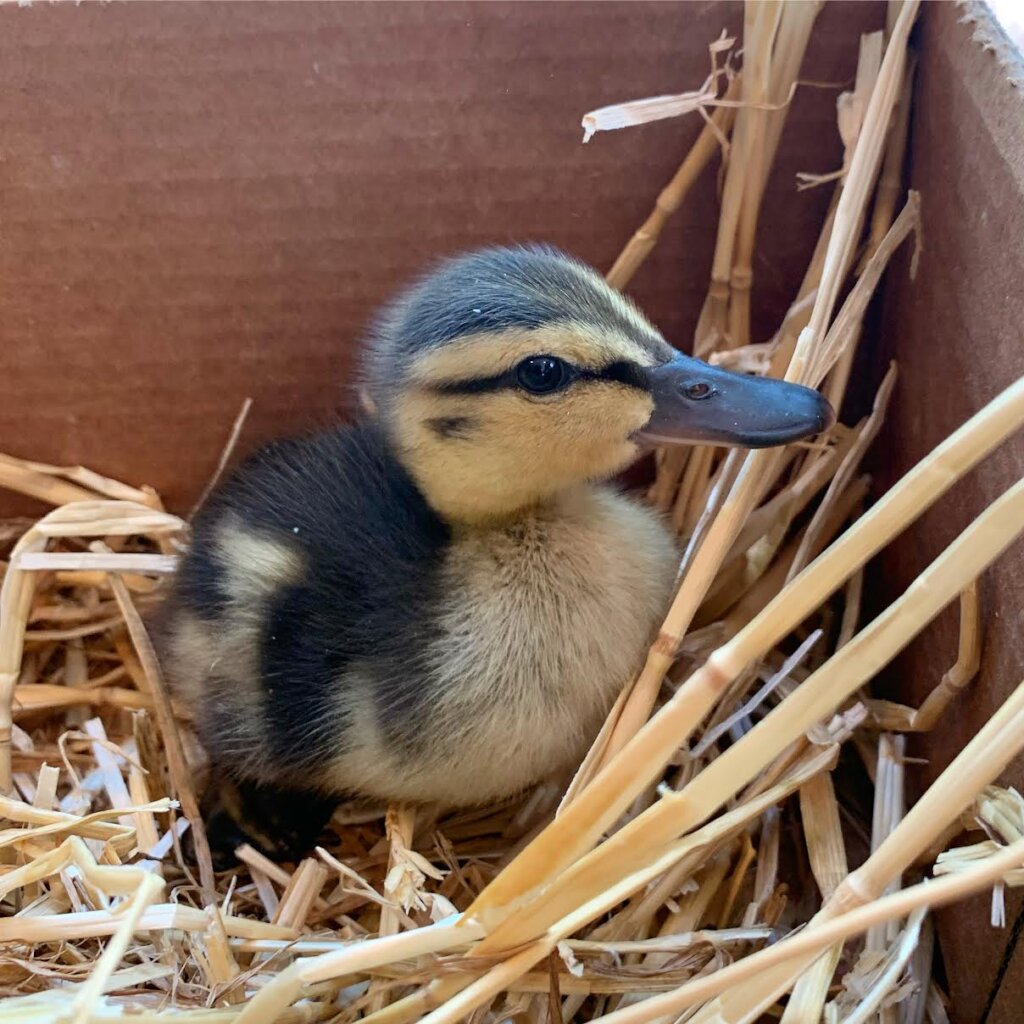
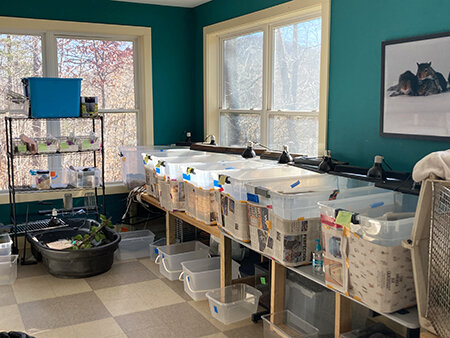
For many years, the rhythm of activity at the Sanctuary has followed a similar pattern - a busy spring, summer, and fall season followed by a respite in the winter. The world's changing climate has impacted that pattern, and the new pattern is one of year-round activity. Spring and fall baby seasons are both starting earlier and extending later in the year, causing some adjustments to our established routines. Overwintering, which is our term for keeping animals in our care through the winter season, has become a new normal.
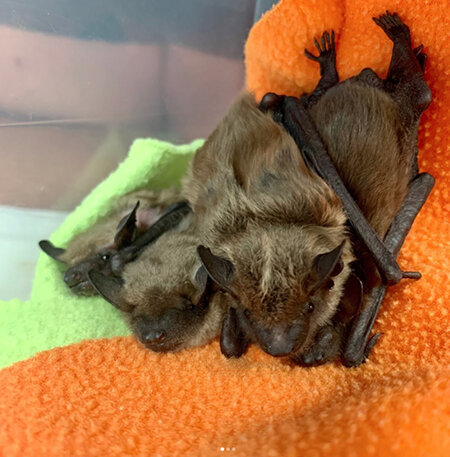
While there are any number of reasons that an animal has to remain at the Sanctuary over the winter, like home construction that disturbs some hibernating bats or tree work that displaces a squirrel nest, the bulk of our overwintering patients are late-season babies and animals that need more time to recover from an injury. The reasons for keeping them under our care are both practical and regulatory. On the practical side, both young adults and recovering patients need time to acclimatize to a new environment; learn where and how to get food, and need time to find or build their own homes, etc. On the regulatory side, addressing the issues noted above, there are species-specific dates after which the law requires them to stay at the Sanctuary for the winter. For example, box turtles that are still in our care after Oct. 1 must be kept and cannot be released until May 1.
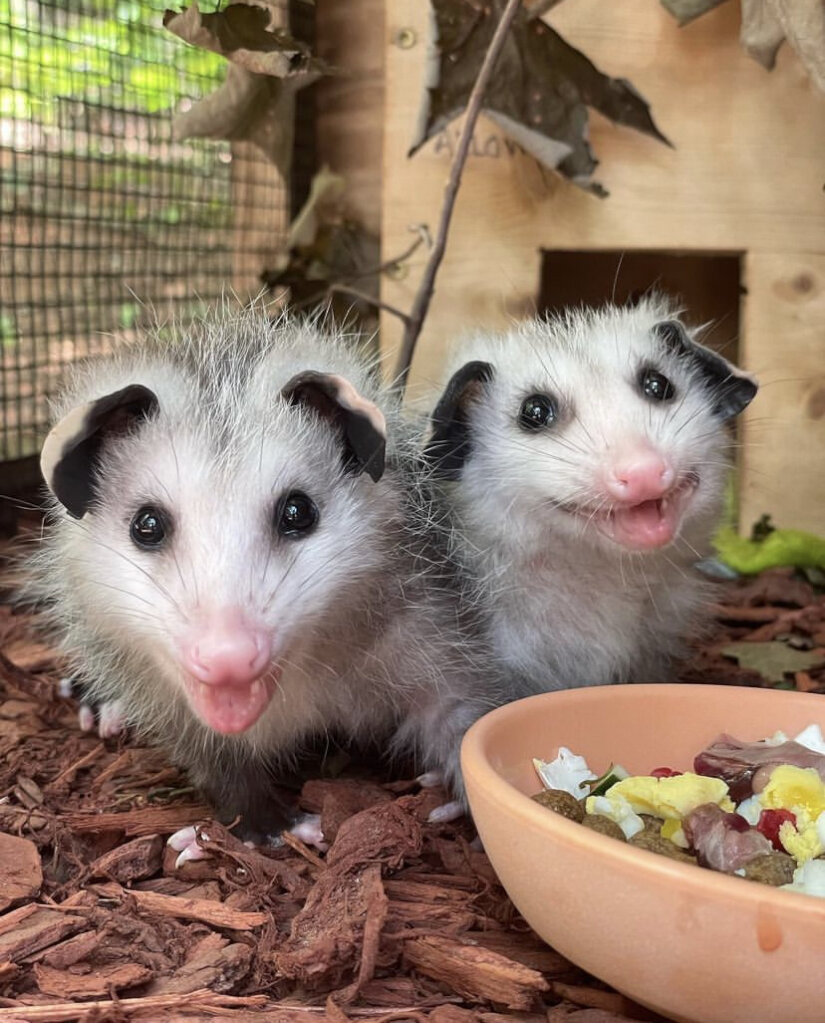
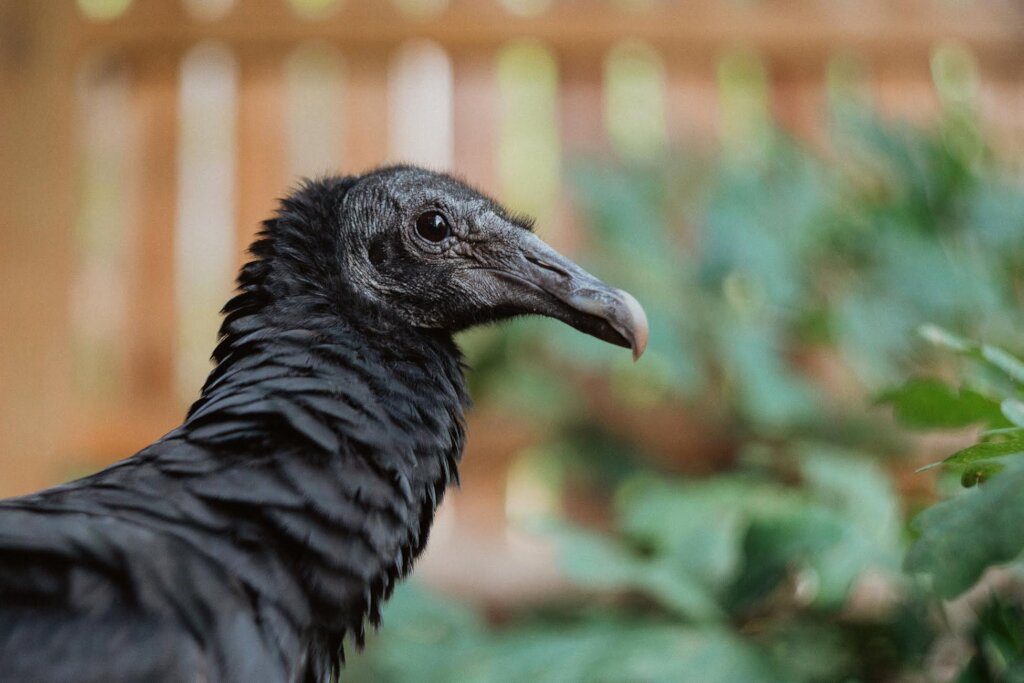
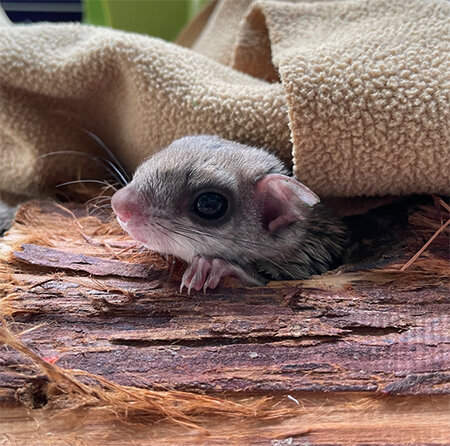
As the number of overwintering patients grows each year, the downtime that was previously used to fix and repair enclosures becomes taken up by animal care. This year's contingent of overwintering patients consists of box turtles, bats, flying squirrels, eastern grey squirrels, red foxes, and a barred owl - along with our cadre of educational animals: an American Crow, a Red-tailed Hawk, a Black Vulture, two snakes, a woodland box turtle, a Russian tortoise, and a red-eared slider. With only a small staff of 4 people, the ability to repair, recharge, and prepare for the next season is impacted and may soon force us to grow our staff along with our patient load. Luckily, there is also no shortage of people wanting to work with us and help care for our wildlife patients. Last year alone, we had over one hundred and twenty five applicants for our three internship positions.
All of which would not be possible without the support of all the wonderful donors who believe in our desire to help wildlife. Thank You all so much!
Links:
Project reports on GlobalGiving are posted directly to globalgiving.org by Project Leaders as they are completed, generally every 3-4 months. To protect the integrity of these documents, GlobalGiving does not alter them; therefore you may find some language or formatting issues.
If you donate to this project or have donated to this project, you can receive an email when this project posts a report. You can also subscribe for reports without donating.



Support this important cause by creating a personalized fundraising page.
Start a Fundraiser