By Jeff Wilbur | Administrator
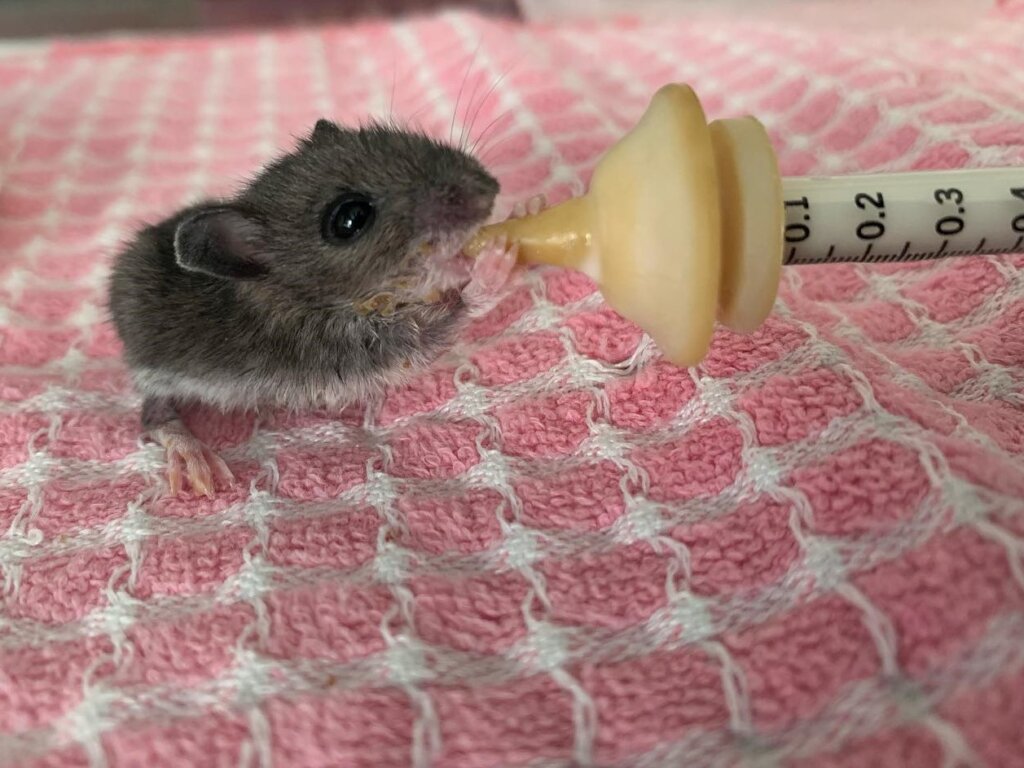
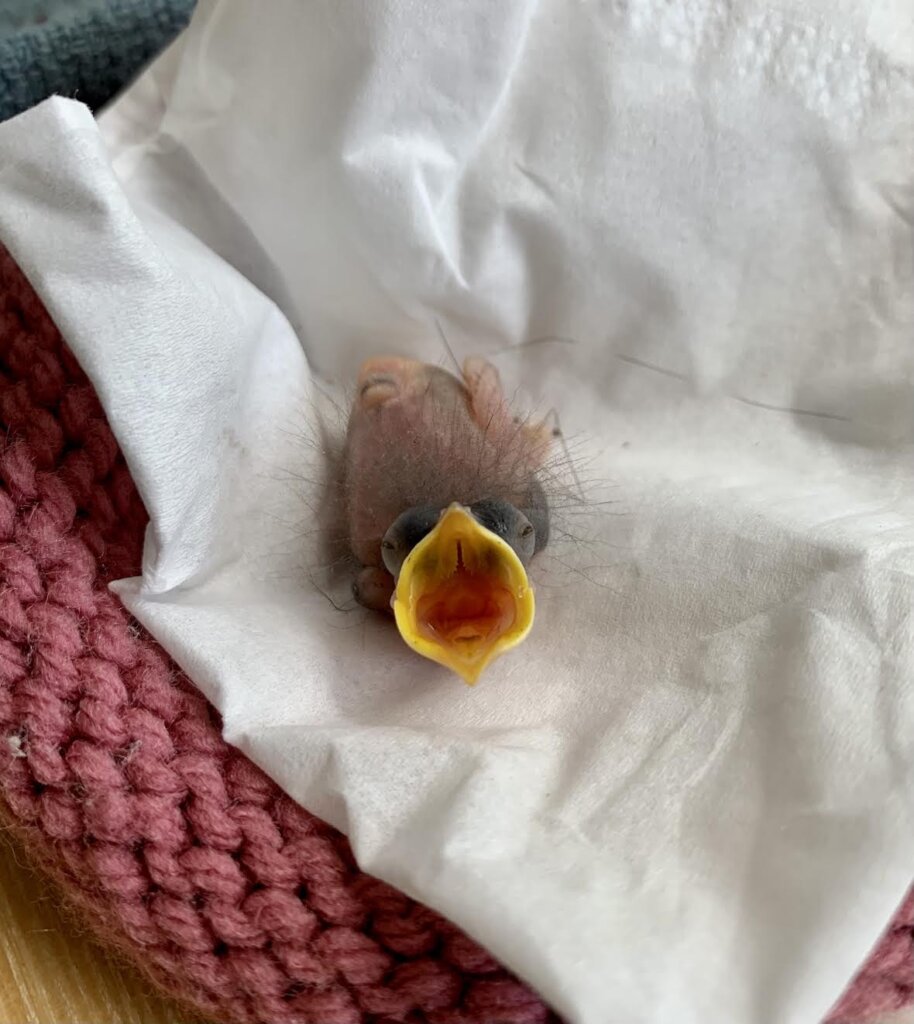
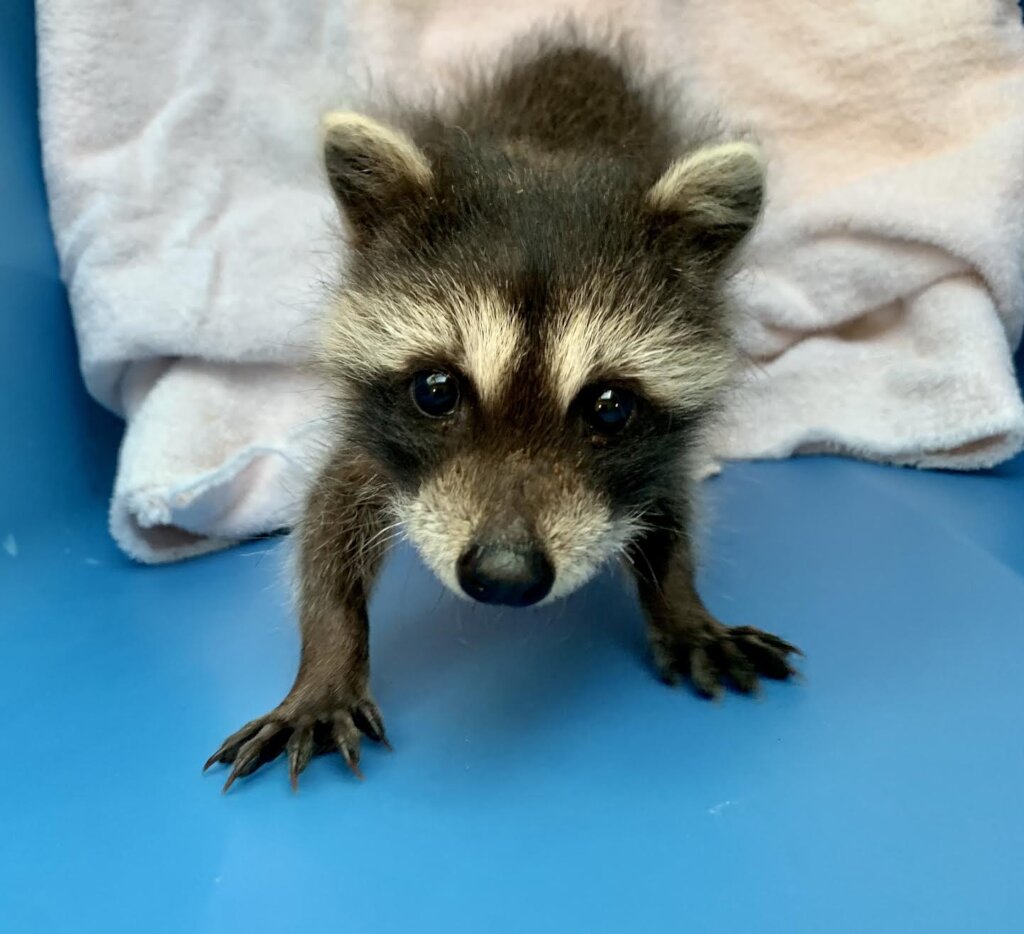
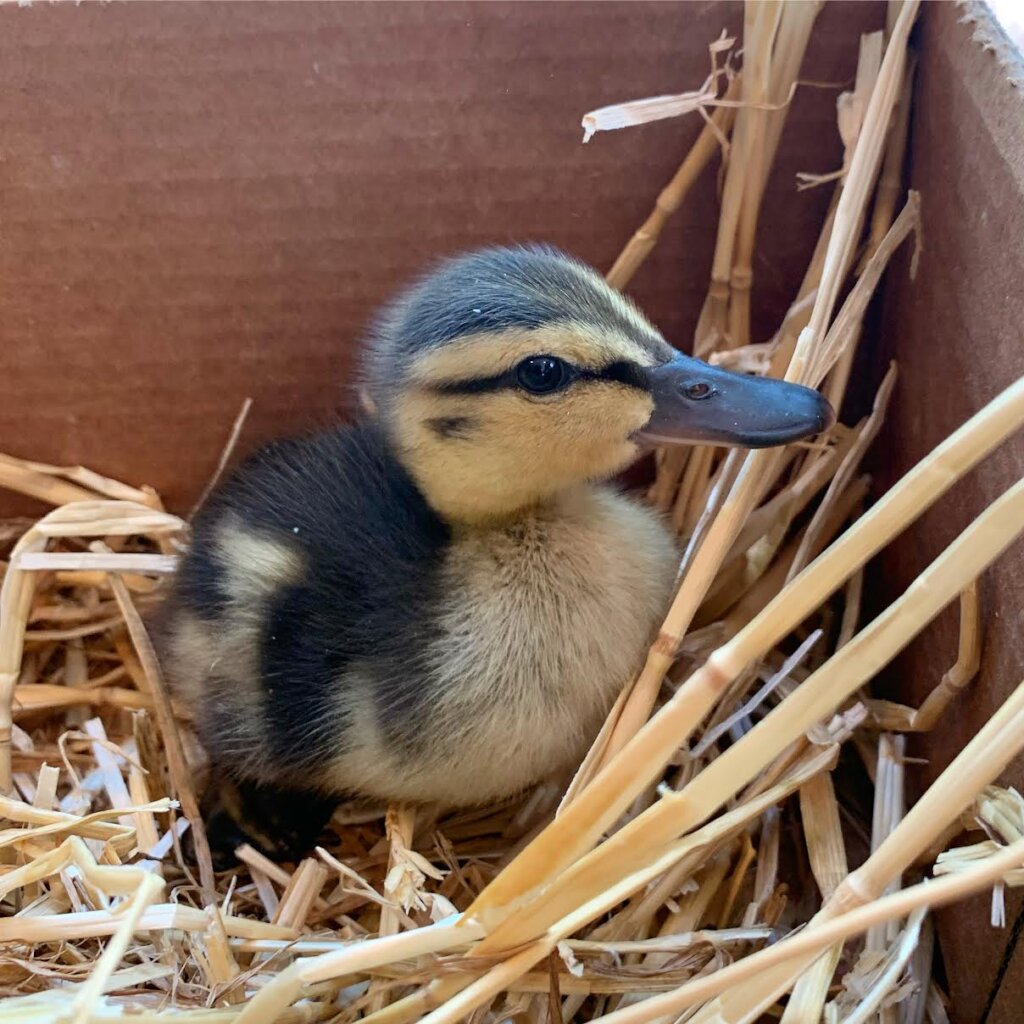
The end of our busy baby season brings a much-needed respite to our staff but by no means brings the Sanctuary to a halt. Winter is a time to plan, prepare and get the facility ready to receive hundreds of next season’s patients! Ever-increasing patient numbers mean we need to have an ever-increasing supply of enclosures to handle them all. It also means that our current enclosures need to be kept in great shape despite the wear and tear of daily use and unpredictable weather.
Existing enclosures each get checked for loose lumber staples since the winter freeze-thaw cycles tend to push them out. Boards gnawed on by rodent patients – a natural part of rodent tooth care – get replaced. Wood that has warped over time to the point of hampering door use gets replaced too. On top of it all, each of our fifty outdoor enclosures undergoes deep cleaning and sanitation in preparation for the coming season.
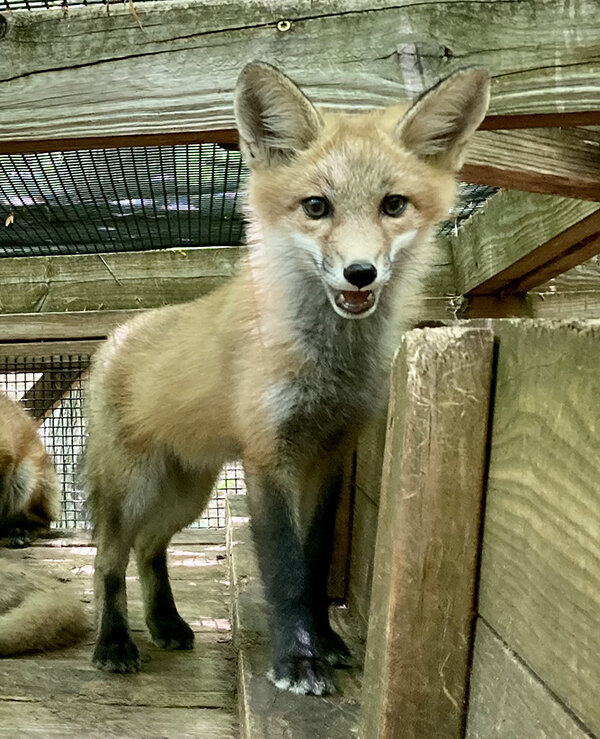
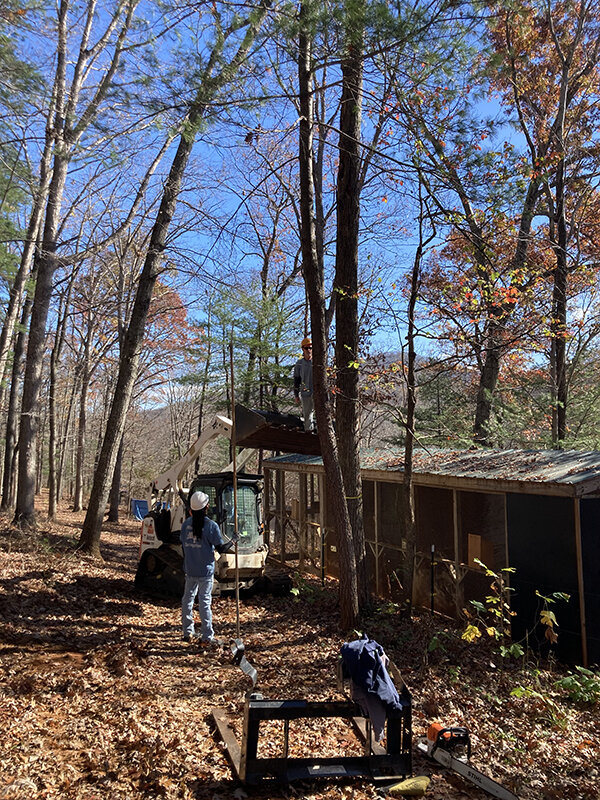
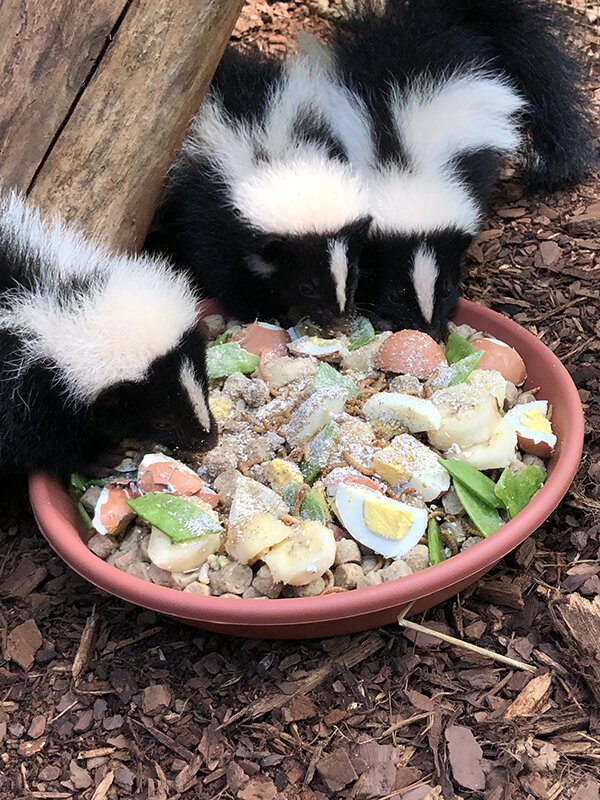
We have some special projects happening at the Sanctuary this winter in particular. Because we care for over twenty orphaned striped skunk kits annually, we are re-designing our skunk enclosures to allow for more natural digging behavior. This includes excavating the enclosure floors and burying escape-proof mesh deeper so the stinky, adorable patients can dig and tunnel as they would in the wild. We are also expanding some of our fox enclosures to give growing red fox kits more room to roam around. We are even constructing one large, brand-new fox enclosure to meet the region’s high demand for fox rehabilitation! This endeavor requires extending our access road further into the woods because our fox enclosures are the farthest away from our main building. The distance from most activity allows the kits to grow in as much of a wild area as possible without being stressed by frequent human noises and interactions.
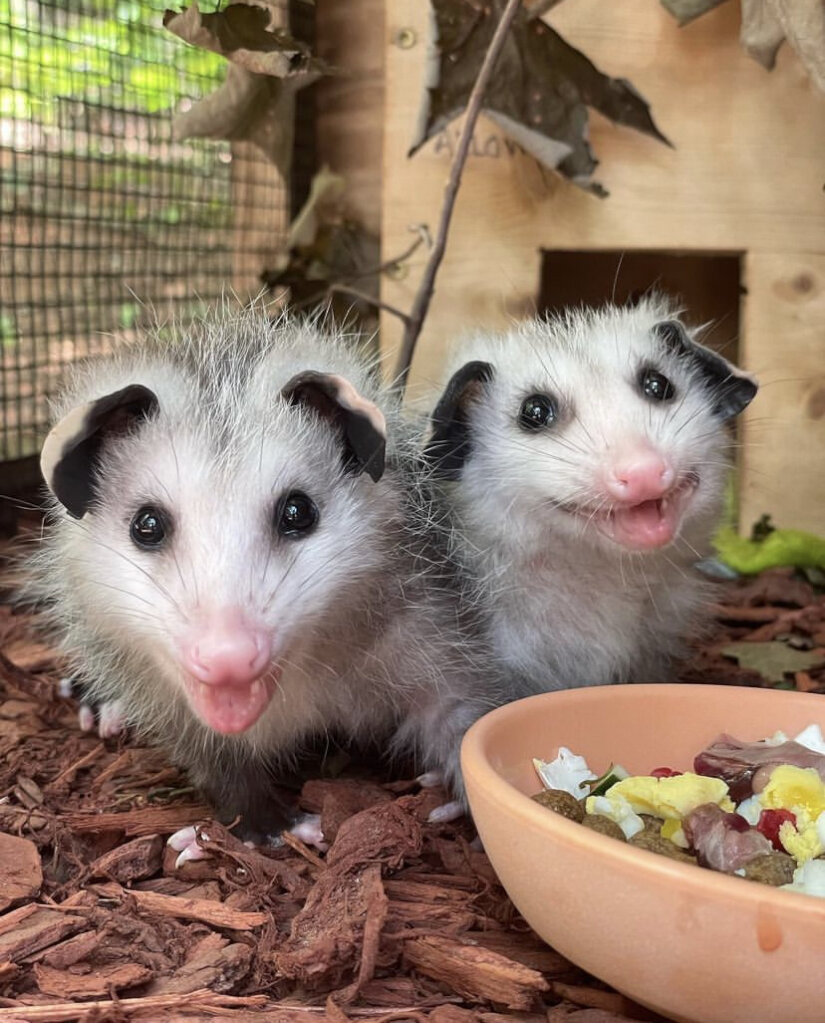
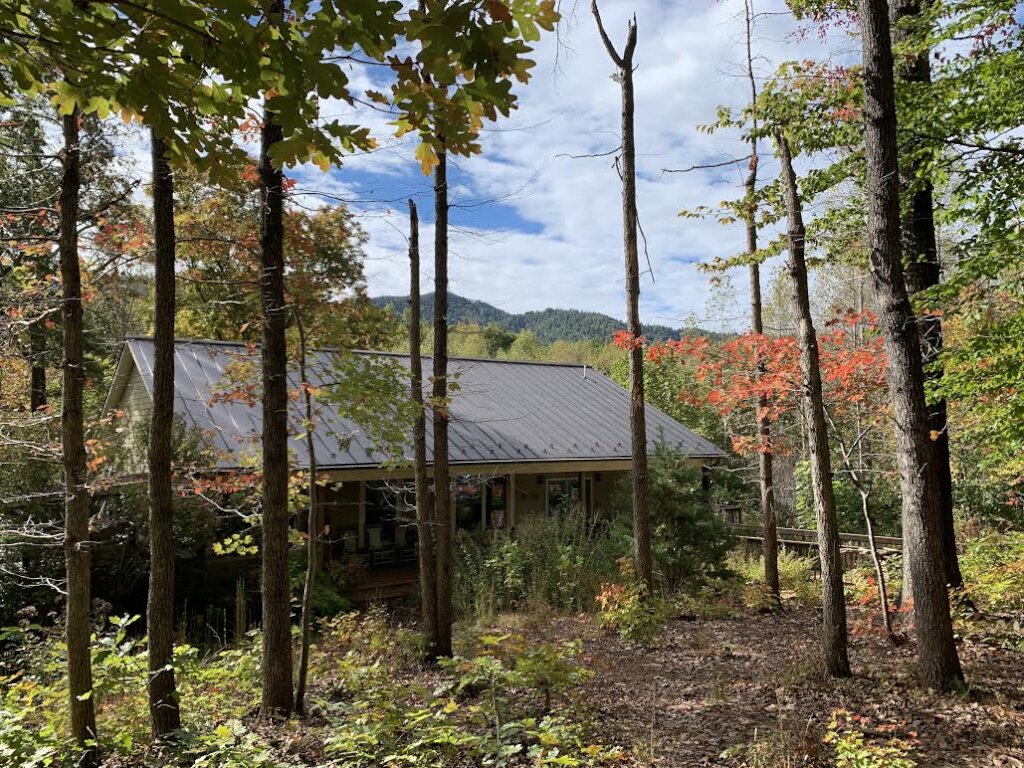
Because our enclosures are spaced throughout our rural 22-acre wooded property, we also must keep track of the condition of the forest that we inhabit. As the Sanctuary’s native trees grow and change, falling limbs and trunks present safety concerns for our enclosures and for our staff. This season, an arborist removed seven dead trees in danger of falling and harming our team. We left the dead trees on the property to ensure they could fulfill the next stage of a tree’s life cycle: providing a home and nutrition for ground-dwelling creatures, from natural bacteria and fungi to Virginia opossums.
While we tackle these many maintenance projects, we still care for our small squad of year-round residents. These are our education ambassador animals who live with us because they were medically or behaviorally non-releasable. We are also “overwintering” patients who arrived too late into the fall to be released safely before the start of winter. These wintertime patients include a nursery full of box turtles still recovering from car collisions, a few orphaned juvenile bats in our nursery’s makeshift hibernaculum, thirty eastern gray squirrels in outdoor enclosures, and a small litter of flying squirrels. Luckily, due to differing growth schedules, we can use our bat enclosure as a flying squirrel enclosure for the winter before their early spring release (and bat move-in). We’re all about adaptive reuse at RWS!
Links:
Project reports on GlobalGiving are posted directly to globalgiving.org by Project Leaders as they are completed, generally every 3-4 months. To protect the integrity of these documents, GlobalGiving does not alter them; therefore you may find some language or formatting issues.
If you donate to this project or have donated to this project, you can receive an email when this project posts a report. You can also subscribe for reports without donating.



Support this important cause by creating a personalized fundraising page.
Start a Fundraiser