By Jeff Wilbur | Sanctuary Administrator
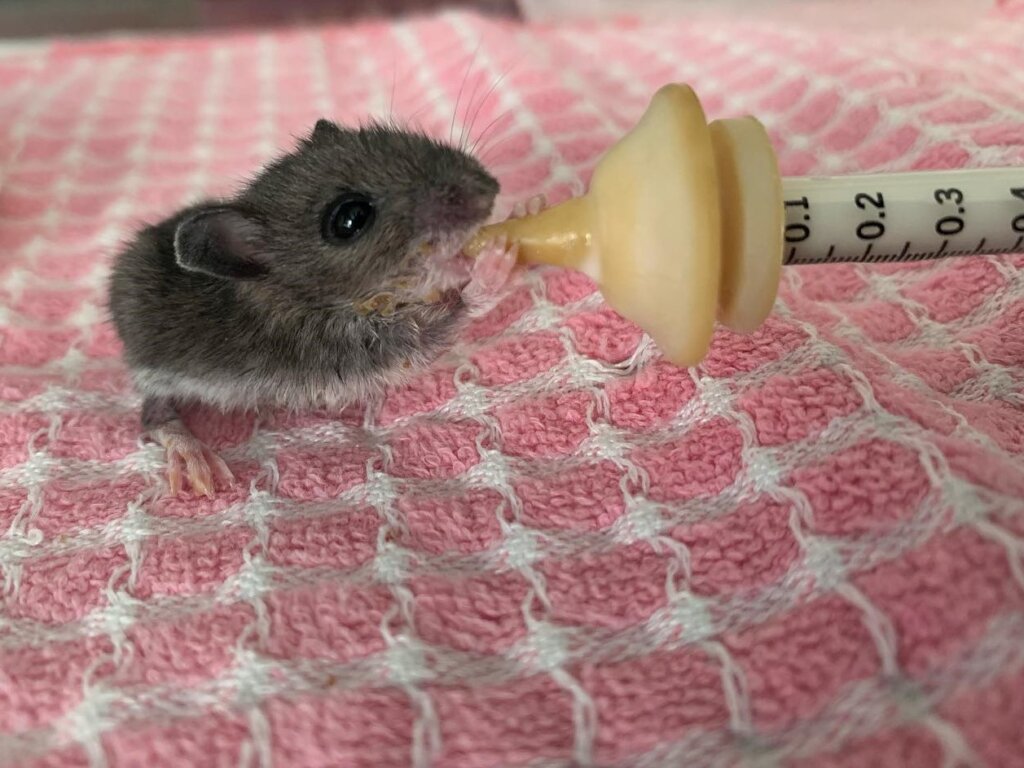
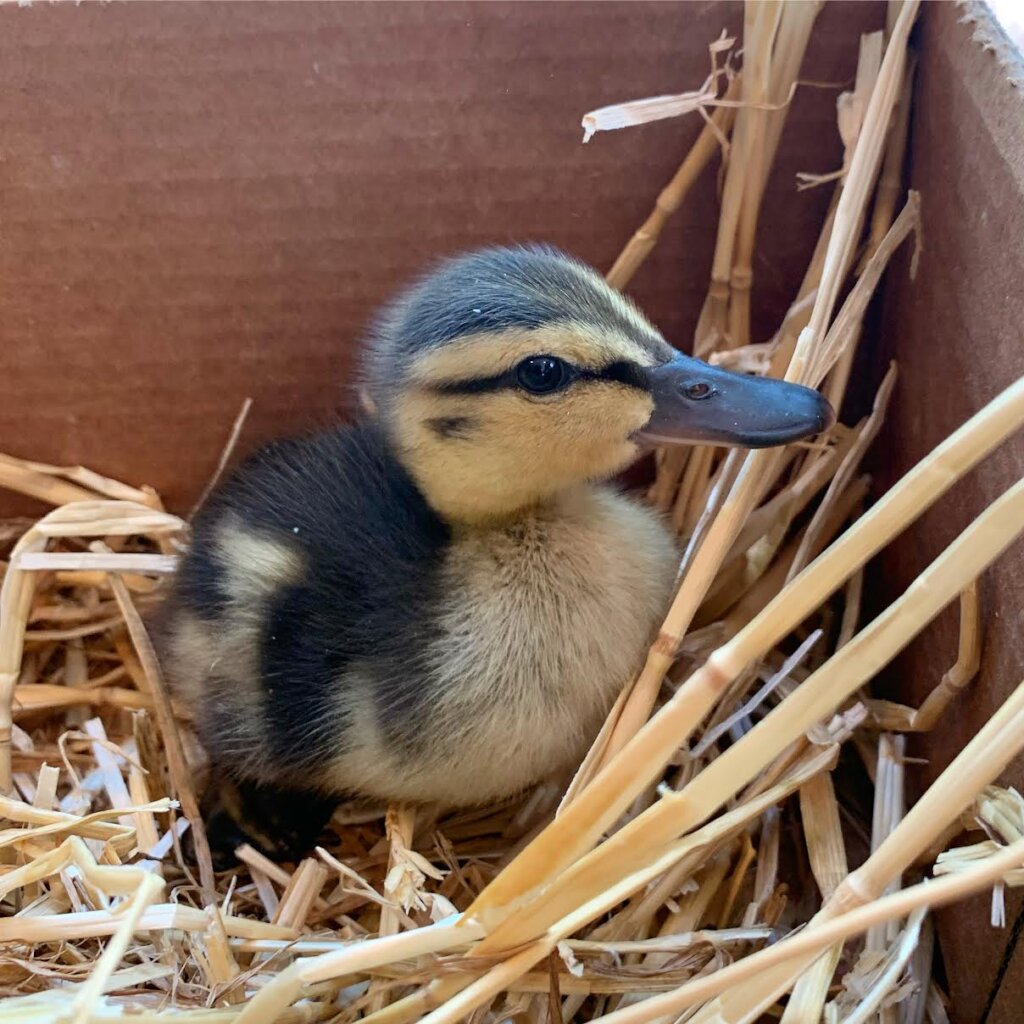
As our country begins to return to normal, the animal intakes at Rockfish Wildlife Sanctuary have returned with a bang this spring! As of right now, we are 100 intakes ahead of our patient load this time last year. Luckily, our stellar volunteers and interns are also returning to help manage the feeding and care. Every one of our 52 outdoor enclosures is currently being used. In other words, we are busy!
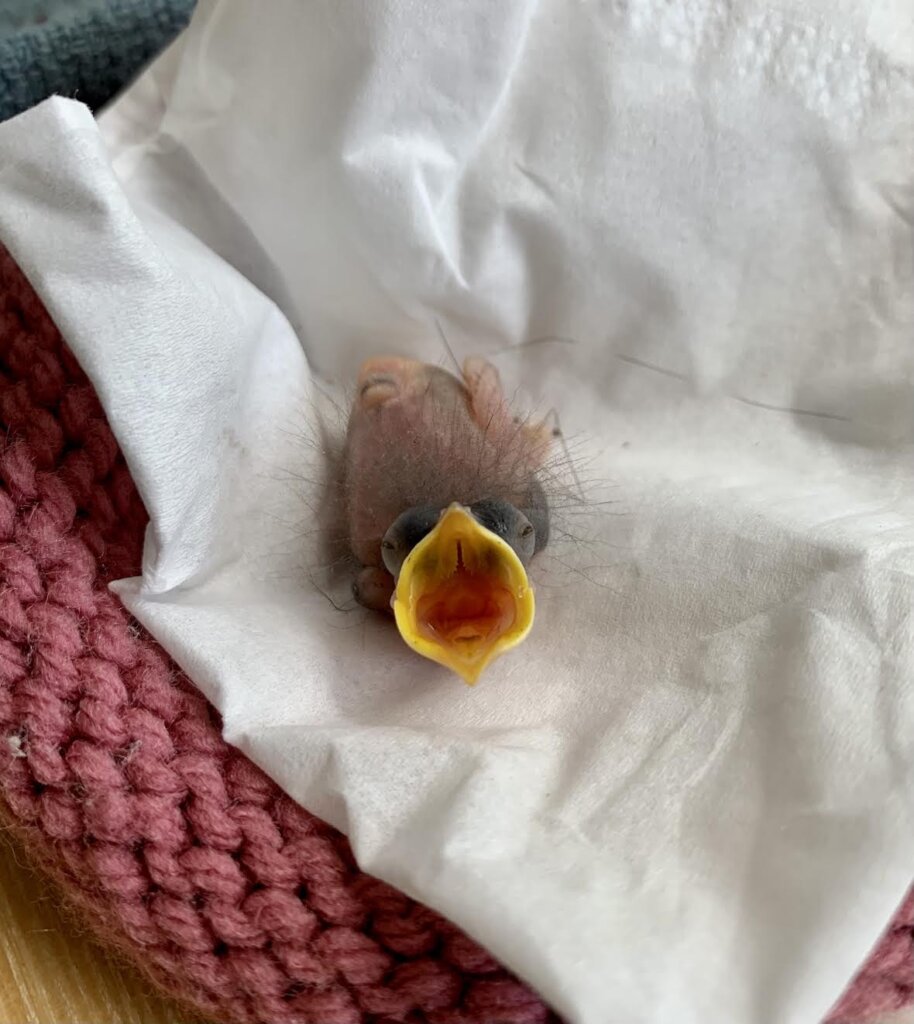
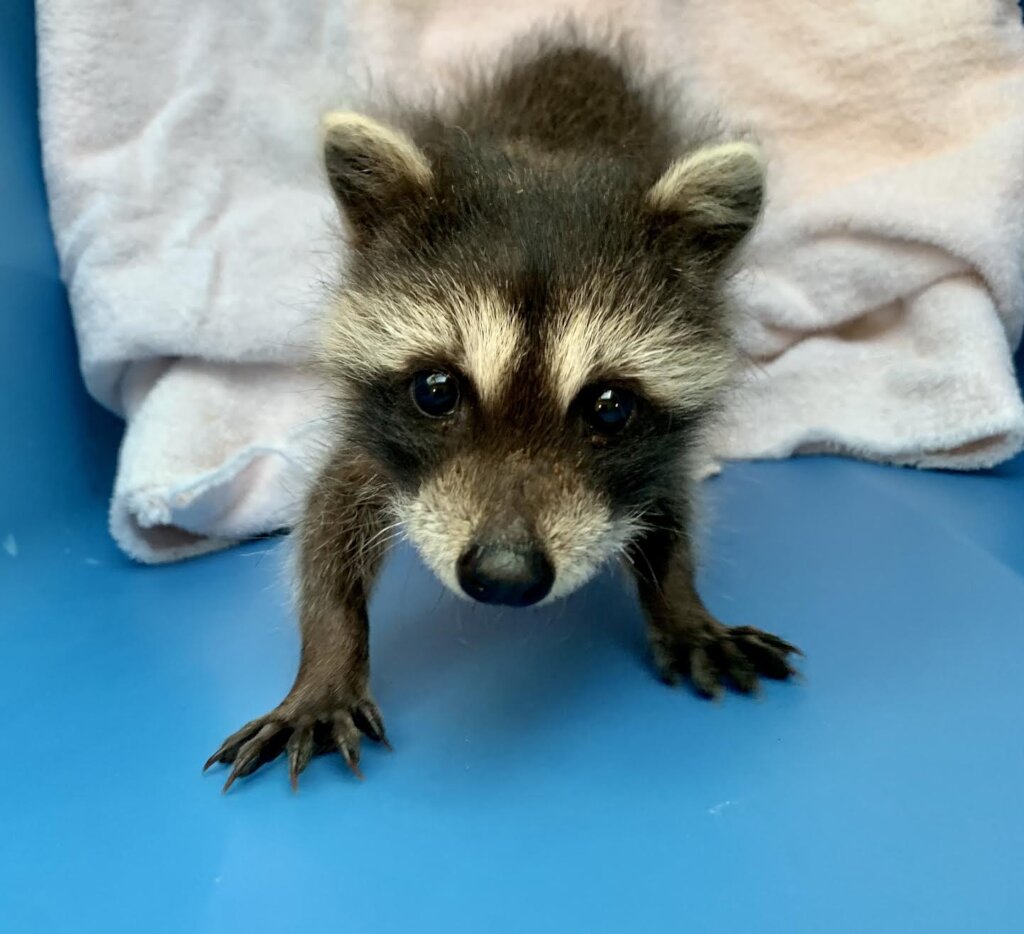
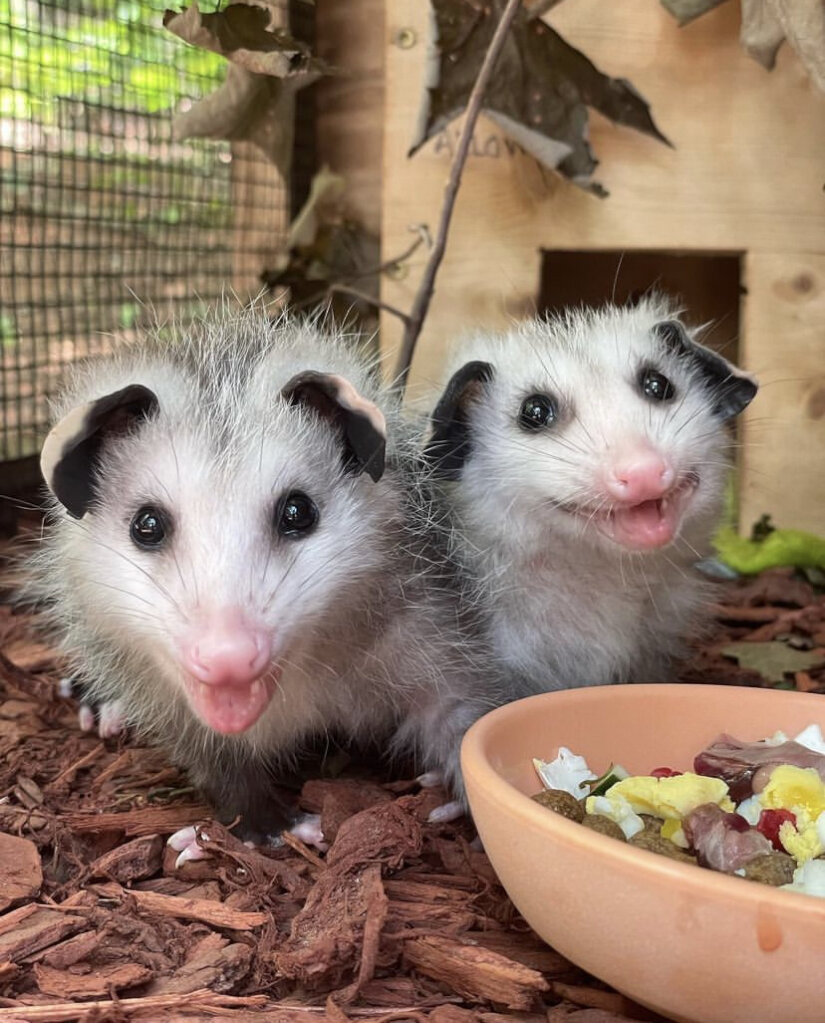
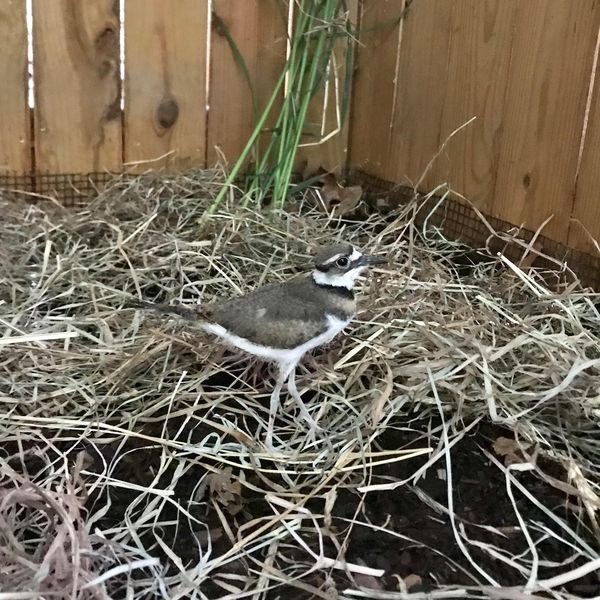
Fox kits, opossums, and raccoons make up the bulk of our usual patients and so far, this year is no exception. The unusual patients this year have come in the form of baby birds, from both the sizes we've seen and the variety of species as well. Our most unusual patient arrived at the Sanctuary looking like a cotton ball on sticks. It was a baby killdeer! It has grown up quickly to be one fast little squeaky toy (because their call reminds us of a typical dog toy) and has already been released into the wild. Upon its release at a quiet riverbank, the killdeer came out of its carrying crate, looked around, and immediately started eating. It was a heartwarming sight that made all the effort to raise it so, so rewarding.
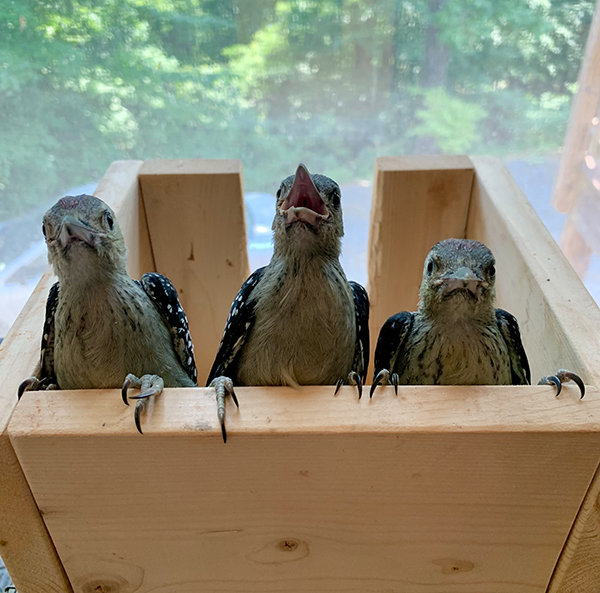
Another unusual bird that arrived came in as triplets. Three hatchling woodpeckers were delivered to us after the tree they were inside of was cut down for a construction project. The woodpeckers arrived being listed as red-headed but we think - and time and feather growth will tell for sure - that they are red-bellied. Woodpecker nomenclature can be confusing because both red-headed and red-bellied have some red on their head. Red-headed woodpeckers have a completely red head as if they were wearing a red hoodie, while red-bellied woodpeckers have a red stripe along the top of their head as if it were a red mohawk. Both have zygodactyl feet, where two toes point forwards and two toes point backward. Those unusual feet make them excellent at climbing and hanging, so we house them in small wooden enclosures. That way they get some “hanging out” practice even before they leave our nursery. But they also require some other housing specifics, including zero cloths or towels. Why? Because woodpeckers have barbed tongues, designed for pulling bugs out from trees. Their tongues could easily get caught on any fabric. Ouch! As a result, we only house woodpeckers on newspapers, paper towels, or tissues. This is just another example of how an animal’s natural history and unique physical adaptations inform its needs in rehabilitative care.
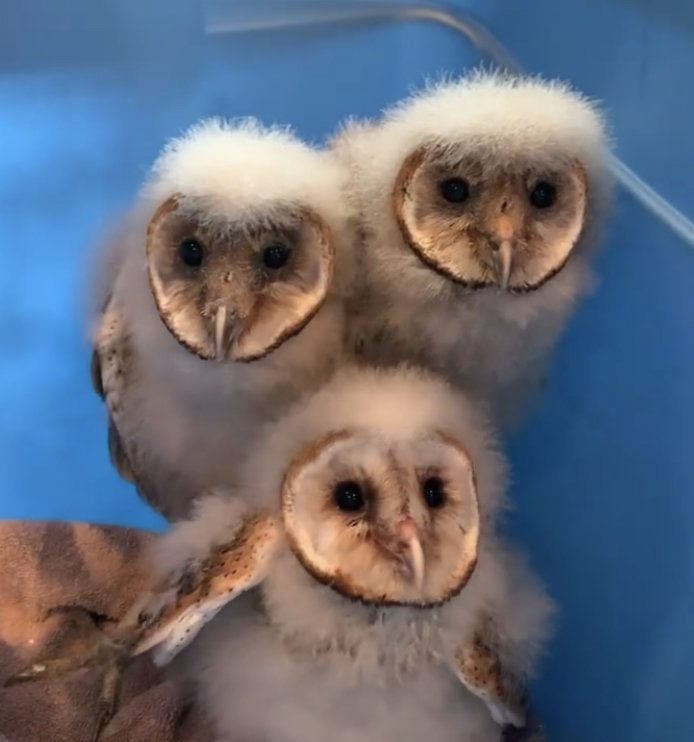
Our third unusual bird species also arrived at the sanctuary in a group of three - baby barn owlets! This is the second year in a row that we have the honor of raising this beautiful species. One thing we learned about them last year, was that they are voracious mouse-eaters. They can go through 18 mice per day, which gives you just a glimpse of the rodent control that they provide in the wild!
While these unusual babies keep all of us at the sanctuary entertained and entranced, they also put a strain on our budget - between the extra use of paper goods and extra mouse usage, we can use extra support as well!
Links:
Project reports on GlobalGiving are posted directly to globalgiving.org by Project Leaders as they are completed, generally every 3-4 months. To protect the integrity of these documents, GlobalGiving does not alter them; therefore you may find some language or formatting issues.
If you donate to this project or have donated to this project, you can receive an email when this project posts a report. You can also subscribe for reports without donating.



Support this important cause by creating a personalized fundraising page.
Start a Fundraiser