Project Report
| Jul 2, 2026
Quarterly Report
By Brenda Nakirya | Managing Director
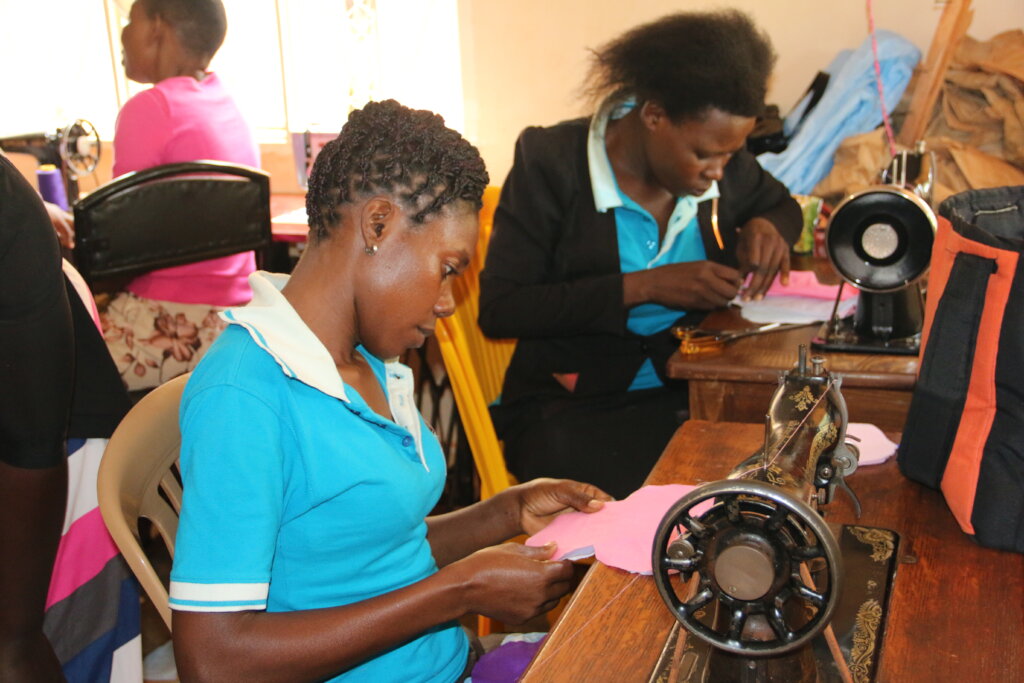
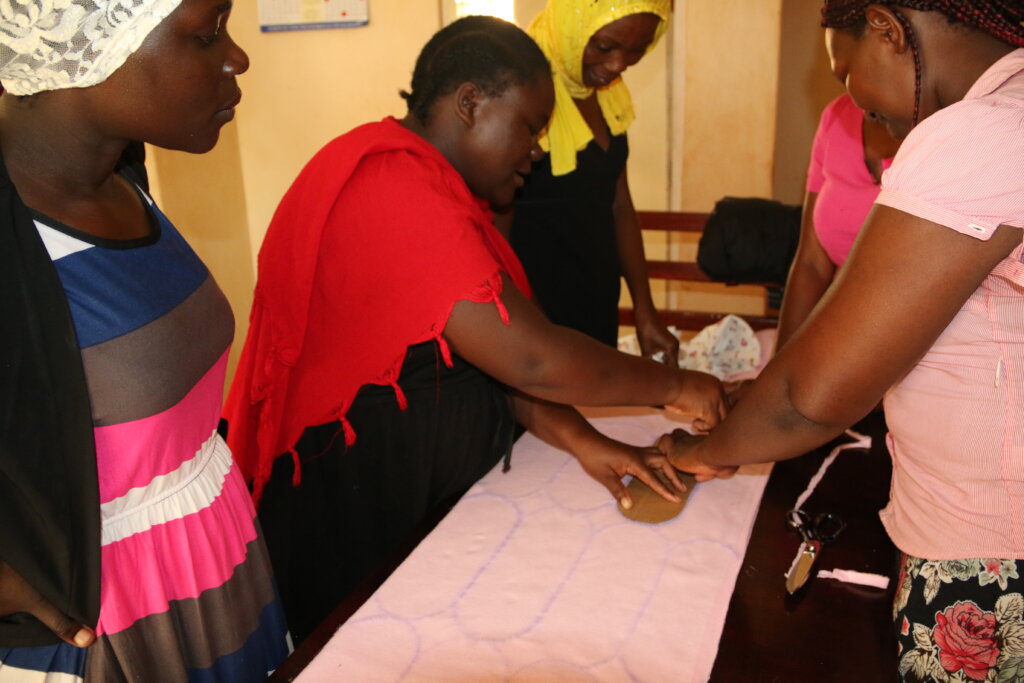
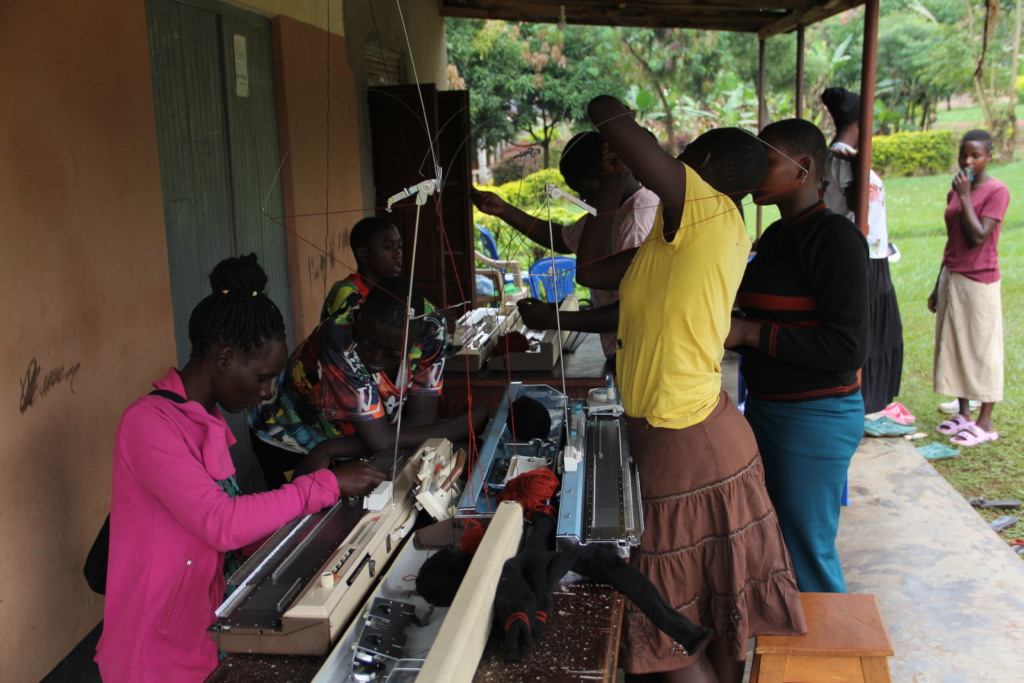
During the reporting period, the Girls’ Education and Mentorship Support (GEMS) Program, implemented by Community Concerns Uganda Initiative (CCUg) in partnership with Luigi Guissan Foundation and L-Pacer, made notable progress in delivering vocational skills training to out-of-school girls in Kamuli and Luuka districts. Training in hairdressing and tailoring was successfully conducted across four vocational centres, equipping participants with practical, income-generating skills.
Achievements
- Strong stakeholder engagement, with 149 stakeholders actively involved in project supervision, monitoring, and support across target communities (Naluwoli, Namwendwa, Matuumu, Nakabaale)
- Active participation of 25 district and community leaders in sensitization meetings promoting girls’ re-enrolment, retention, and completion of education.
- Successful vocational exhibitions conducted across four centres (Naluwoli, Namwendwa, Matuumu, Nakabaale), enhancing transparency, accountability, and community ownership.
- A total of 120 out-of-school youths completed vocational skills training in hairdressing (62) and tailoring (58), gaining practical, income-generating skills.
- 27 trainees registered and sat for UVTAB certification exams, improving their employability prospects.
- 274 participants (girls and boys) benefited from Life Skills and Competencies (LSC) sessions, gaining skills in mental health, financial literacy, communication, and entrepreneurship.
- Approximately 214 girls demonstrated improved knowledge of gender issues, rights awareness, and confidence to challenge harmful norms.
- 120 girls actively participated in club activities, reporting increased confidence, decision-making ability, and active engagement.
- Strengthened parental engagement, with 149 parents participating in sessions and demonstrating improved awareness, communication, and commitment to supporting girls’ education and protection.
Key Challenges
- Limited resources to meet the high demand for vocational training and expanded support.
- Irregular attendance among some participants due to socio-economic constraints.
- Logistical difficulties in coordinating activities across multiple and geographically dispersed training centres.
- Active involvement of community leaders and stakeholders is critical for strengthening ownership, sustainability, and community support for girls’ education.
- Integrating life skills with vocational training enhances both personal development and economic empowerment outcomes.
- Parental engagement plays a key role in reinforcing learning, safeguarding, and retention of girls in education.
- Creating safe and inclusive learning environments significantly boosts confidence, participation, and positive behaviour change among beneficiaries.
Lessons Learned
- Active involvement of community leaders and stakeholders is critical for strengthening ownership, sustainability, and community support for girls’ education.
- Integrating life skills with vocational training enhances both personal development and economic empowerment outcomes.
- Parental engagement plays a key role in reinforcing learning, safeguarding, and retention of girls in education.
- Creating safe and inclusive learning environments significantly boosts confidence, participation, and positive behaviour change among beneficiaries.
Attachments:
![Share on Twitter]()
![Share on Facebook]()
Jul 31, 2024
Mid year Report
By Nakirya Brenda | Managing Director
![Some of the young mothers learning tailoring]()
Some of the young mothers learning tailoring
The vocational training project was happening in three communities and these are Ntinkalu, Wairasa and Waitambogwe all in Mayuge District. This project is for young mothers aged 12 to 24years. These are young mothers who are struggling to takecare of their householdsand some of them have been abandoned by the men who impregnated them. We decided to enroll them into this project sothat they can gain a skill and enable them to earn a living.
We enrolled a total of 56 adult learners who are school dropouts and young mothers from Wairasa and Waitambogwe villages. Tailoring enrollments include seven students from Wairasa and 25 from Waitambogwe; hairdressing enrollments include five students from Wairasa and 19 from Waitambogwe.
Activities/Achievements
- The students learnt different fashions of tailoring and styles of hairdressing.
- The tailoring students have learnt how to make shirts, uniforms, African wear, skirts and trousers.
- The hairdressing students have learnt how to plait, pencil, twist, and do threes, weaves, and washing and setting.
- The students are also saving throughout the course of their training to enable them to purchase start up kits to open their own businesses once they finish their coursework.
Thank you for your generosity towards this project. Keep up with the good spirit of giving.
![Share on Twitter]()
![Share on Facebook]()
Dec 6, 2023
Quarterly Report
By Brenda Nakirya | Managing Director
Objective
The project aims to empower young mothers with the necessary skills to effectively participate in society, enhance their employability, and improve their overall quality of life., especially through vocational training.
Activities / Achievements
- Tailoring students have learnt how to make pair of shorts, school uniforms and sportswear, shirts with collars, African shirts, round skirts, skirts with gathers, dresses that are round, dresses with gathers, and dresses that are u-shaped.
- The students of hairdressing have also been able to learn how to plait twist, threes, lines, treatment of hair, retouch of hair, crocheting of hair are now able to plait one another’s hair.
Challenges
- Almost 95% of the current learners under vocational training and education are experiencing domestic violence. Fifteen students reported that their male partners and / or families don’t support their continued uptake of vocational training. In one case, a young mother was physically abused by her partner and her tongue was nearly cut out and was admitted for a week. Although we planned to have reconciliation meetings to improve support towards young mothers’ vocational training, this was not possible as all mothers refused our efforts to intervene. They reasoned that if we intervened, we might heighten the risk of them experiencing more violence. This significantly affects their frequent attendance and partly explains why all learners requested CCUg to extend the training period to 7 months.
- The majority of young mothers are slow learners who need concerted efforts to learn simple tasks. Both communities where the trainings are conducted are multi-lingual, where about 95% of students know Kiswahili, Lugbara, and Japadhola. CCUg facilitators are knowledgeable in only 3 languages (Lusoga, Luganda, and English), which slows training, as some learners don’t understand any of these languages, necessitating frequent translations amongst students during lessons. In addition, most students have many competing responsibilities, including child care, work, and household chores among others. These coupled with the psychological effects of domestic violence negatively affect the speed of learning among young mothers.
- Some of them have children that they come with to class, so these children distract them.
- Some students are slow learners, requiring more time to teach them.
- Some partners are not supportive; others don’t want their women to be empowered.
Recommendations
- The entire timetable for the students should be discussed with them at the start so that when other aspects of the program start later, they are already aware.
- Conduct frequent meetings with the learners to give them psychosocial support, especially those who face domestic violence.
Lessons Learnt
- Get a facilitator who knows Kiswahili to promote learning among students that don’t know Lusoga or Luganda.
- Domestic violence among young mothers is a complex social problem to address, especially when interventions might increase the risk of continued violence.
- Frequent meetings with learners is vital in supporting them to address the issues they face. Planning and delivering conflict resolution lessons early is important for reducing violence and abuse among young mothers receiving training.
![Share on Twitter]()
![Share on Facebook]()