By Ana Godinez | Project Leader
At the close of the 2024–2026 funding cycle, the migration portfolio included nine groups working across eight states in Mexico: Baja California, Mexico City, Chiapas, State of Mexico, Nuevo León, Oaxaca, Querétaro, and Veracruz. Throughout this period, the organizations achieved significant progress in advancing access to rights for migrants and displaced people, strengthening community leadership, influencing decision-making spaces, and creating pathways for more dignified and sustainable integration.
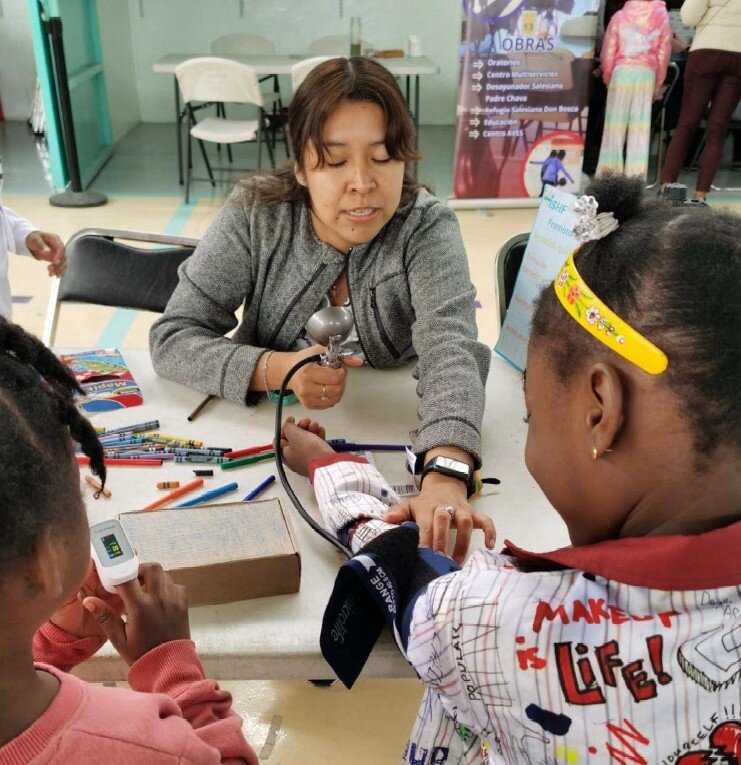
In the area of comprehensive health care, the Centro de Partos de San Cristóbal strengthened innovative strategies to ensure continuity of care in contexts of mobility. Following the dismantling of migrant camps and the resulting relocation of activities from Tuxtla Gutiérrez to Tapachula, the organization developed portable herbal medicine kits that allowed migrants to continue their treatments while in transit.
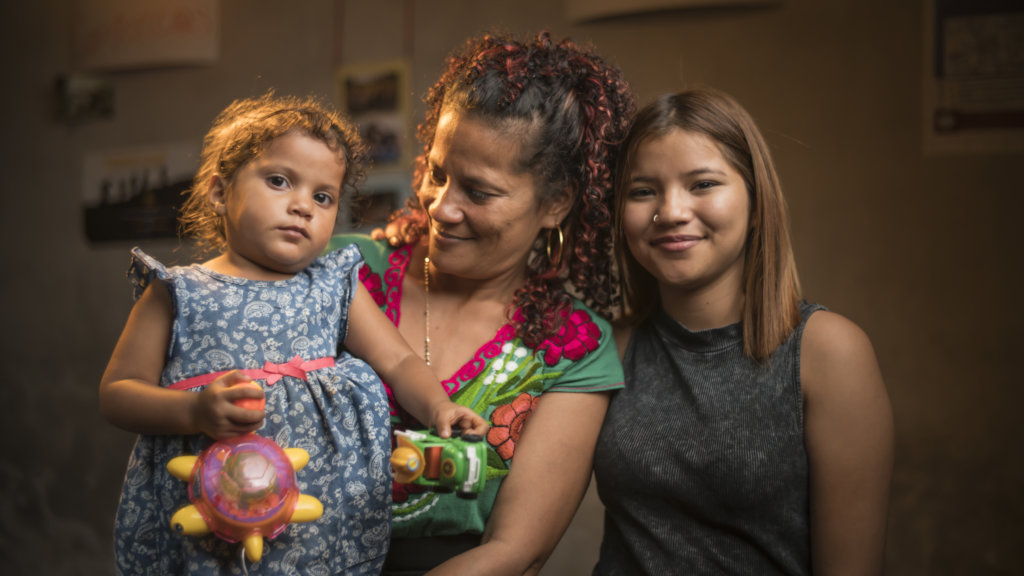
This accompaniment had a particularly significant impact on migrant and displaced women, especially those who were pregnant. Through information-sharing and holistic care processes, participants strengthened their ability to make decisions about their own health, understand their treatments, and determine how to continue them throughout their migration journeys. Services included therapy, medical care, massages, and acupuncture.
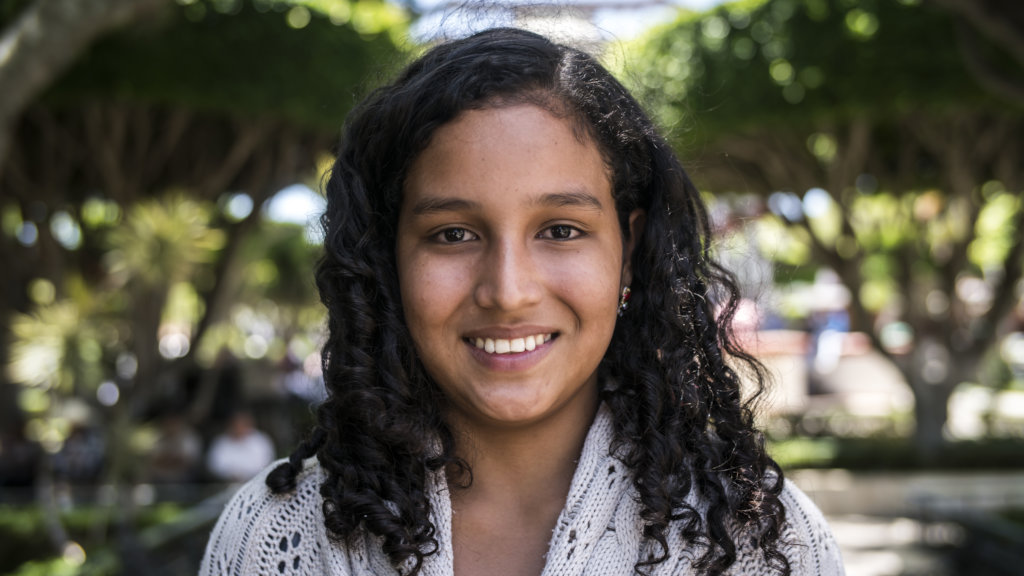
The organization also facilitated processes with adolescents and young people focused on recognizing the body as a territory, promoting tools for self-care, self-expression, and informed decision-making regarding physical and emotional well-being.
Complementing these efforts, Partería y Medicinas Ancestrales delivered training workshops and educational activities in community institutions and shelters.These activities strengthened knowledge related to health, self-care, and human rights among both residents and staff. Sustained collaboration with these shelters has contributed to creating safer, more informed, and more respectful environments, while promoting practices that strengthen autonomy and the exercise of rights among migrants and displaced people.
The period also saw important shifts in migration dynamics. Although shelter occupancy declined in several territories—for example, some shelters in Tijuana were operating at roughly half capacity—internal forced displacement continued, and migration trajectories became increasingly unstable and complex. This context intensified psychosocial impacts associated with migration, including migratory grief, anxiety, stress, complex trauma, depression, hopelessness, and suicidal ideation.
In response, organizations such as Centro 32 expanded their crisis psychological support services. Through a holistic psychosocial approach, care extended beyond mental health support to include healthcare, humanitarian assistance, and economic alternatives, recognizing that emotional recovery depends in part on having the material conditions necessary to sustain life and rebuild future prospects.
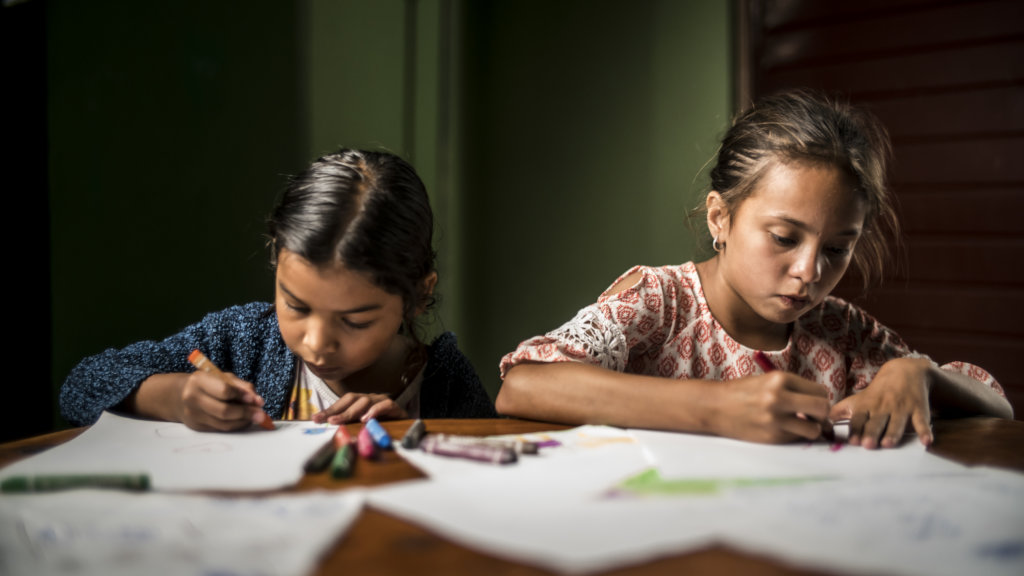
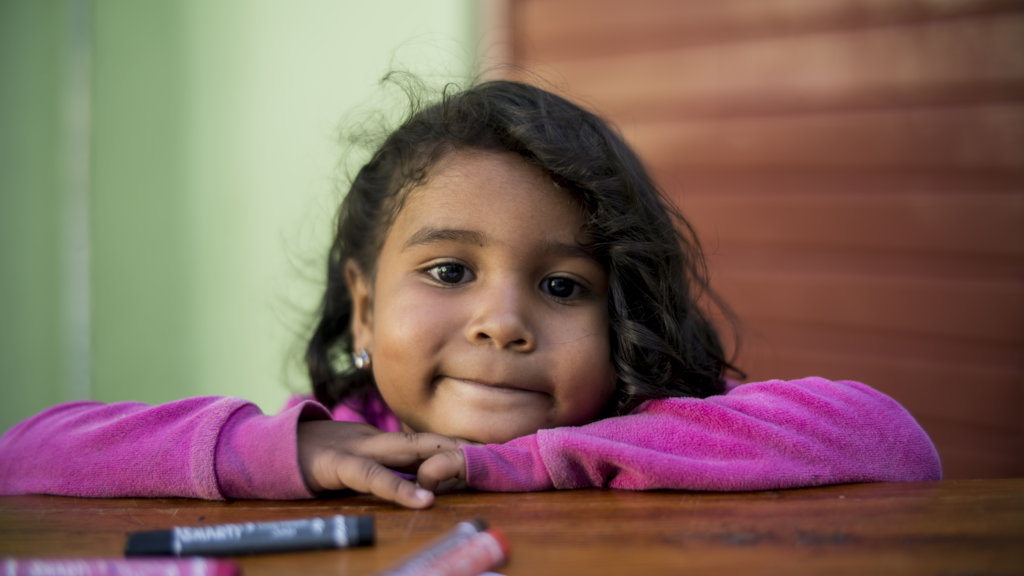
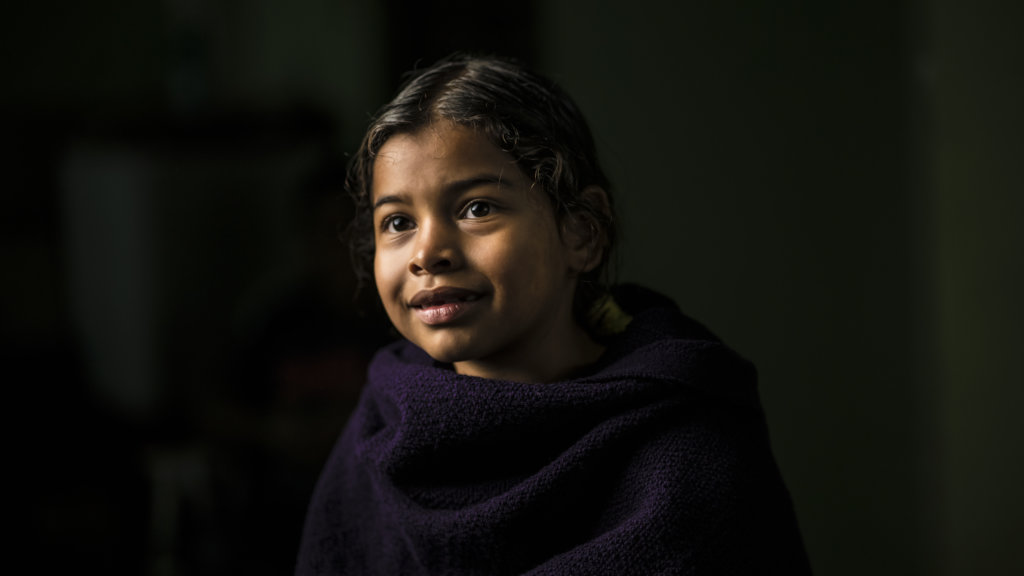
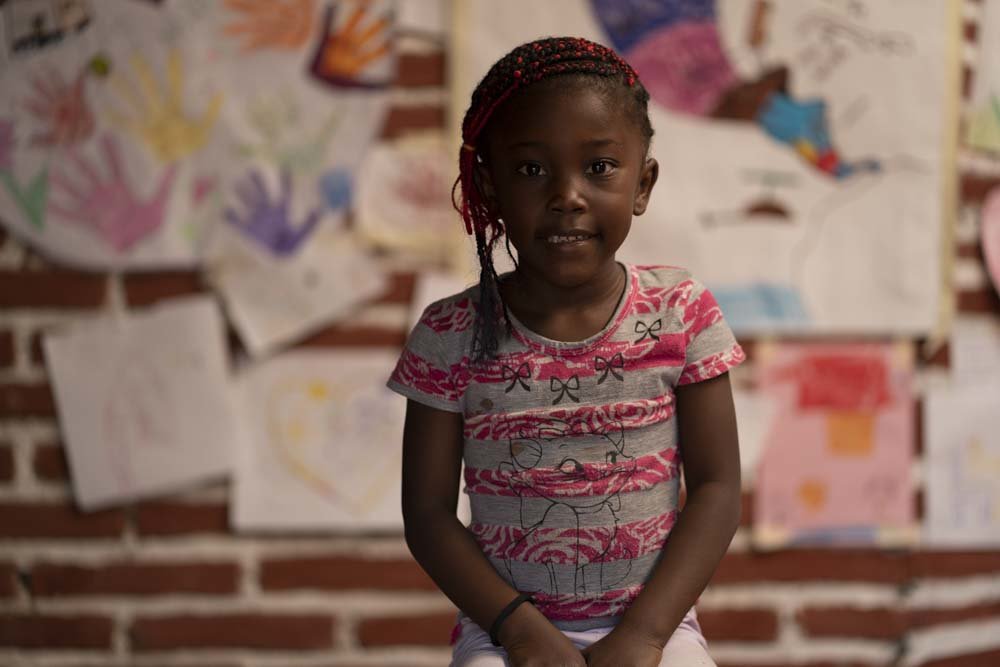
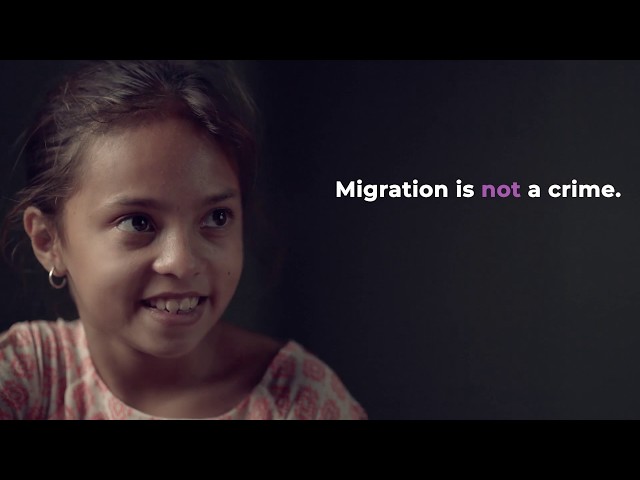
Their work with migrant children was particularly significant in drawing attention to experiences that often remain invisible within institutional responses.
“The reasons families migrate vary, but most are related to violence. When they arrive, parents are focused on what they are going to do, how they are going to survive, or where they will go next, but the children stop being seen.”
— Verónica Ochoa, Centro 32
Overall, the processes supported by these organizations contributed to 939 people increasing their participation and influence in decision-making spaces or gaining access to new resources that strengthened their life projects. Beyond addressing immediate needs, the strategies developed during this period focused on building individual and collective capacities, expanding the exercise of rights, and creating conditions for migrants and displaced people to achieve greater autonomy, security, and well-being.
Project reports on GlobalGiving are posted directly to globalgiving.org by Project Leaders as they are completed, generally every 3-4 months. To protect the integrity of these documents, GlobalGiving does not alter them; therefore you may find some language or formatting issues.
If you donate to this project or have donated to this project, you can receive an email when this project posts a report. You can also subscribe for reports without donating.



Support this important cause by creating a personalized fundraising page.
Start a Fundraiser