By Jacob Dolan-Bath | Project and Communications Coordinator
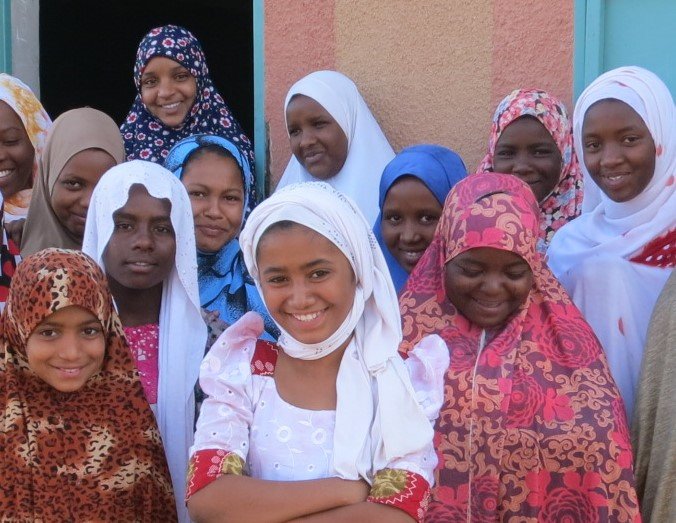
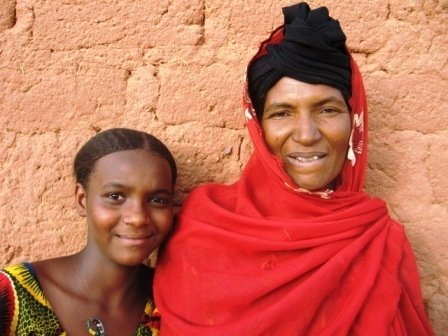
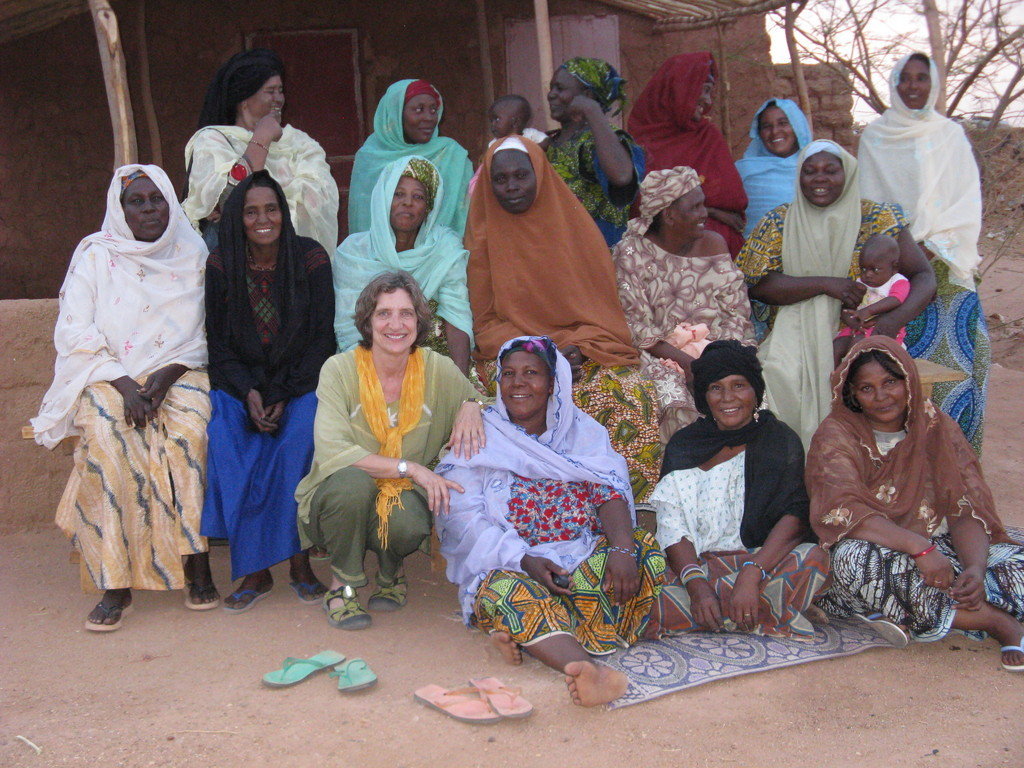
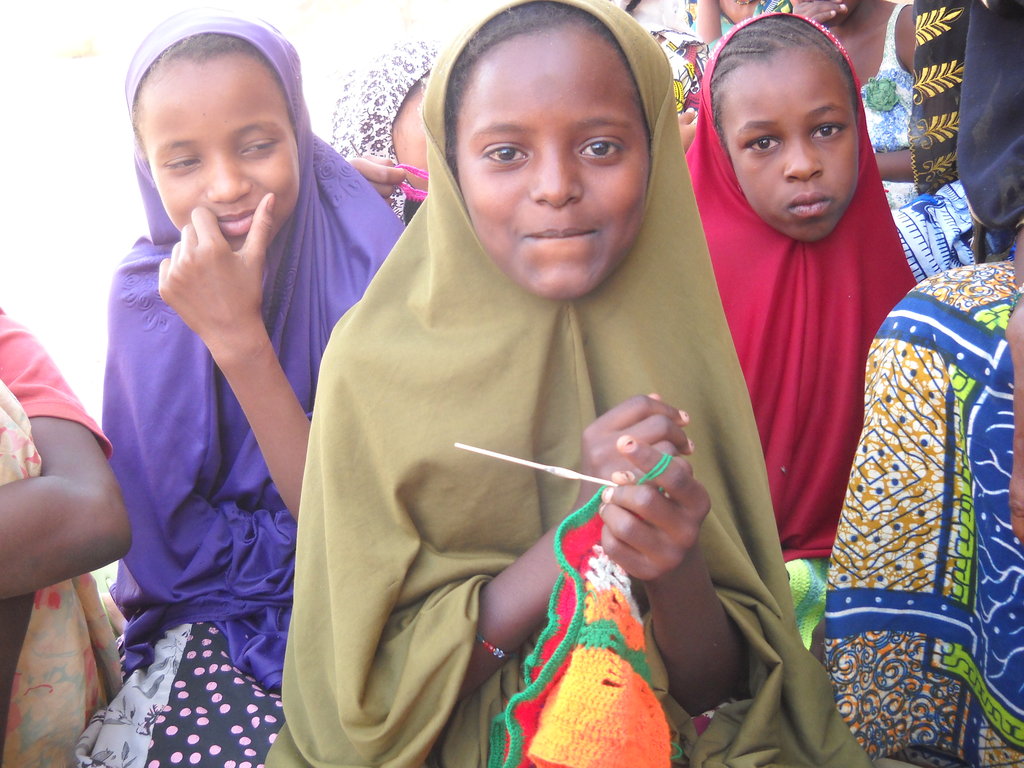
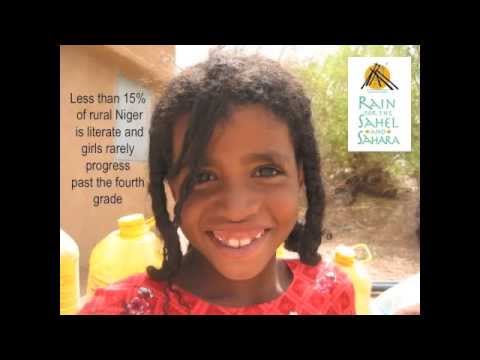
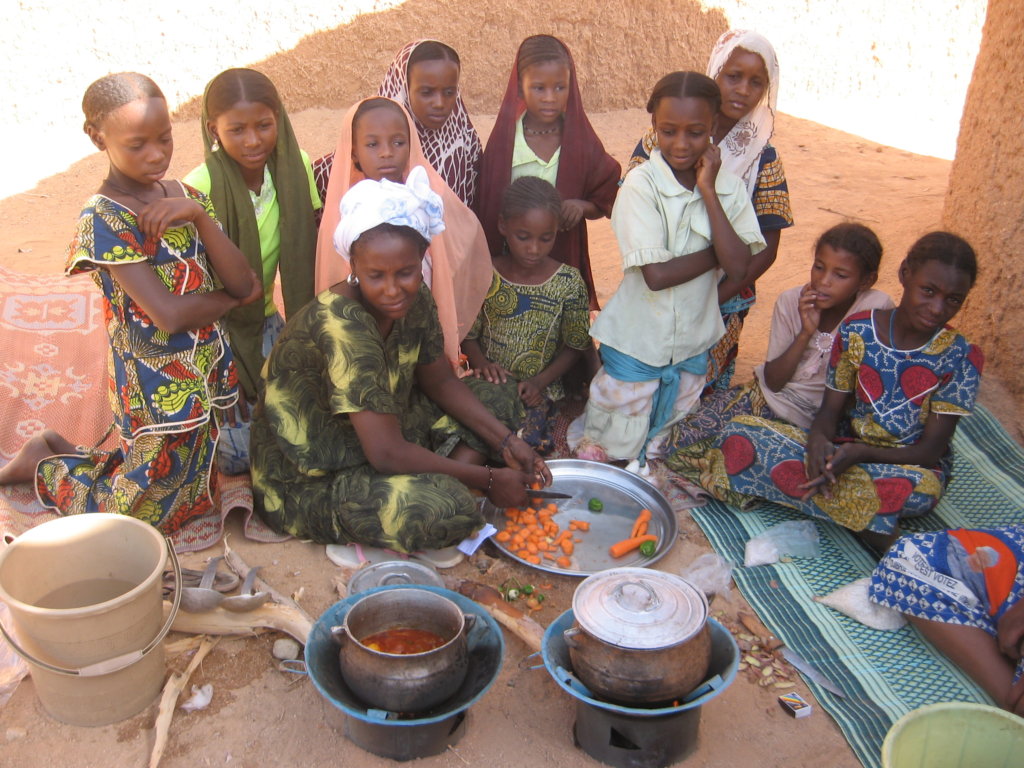
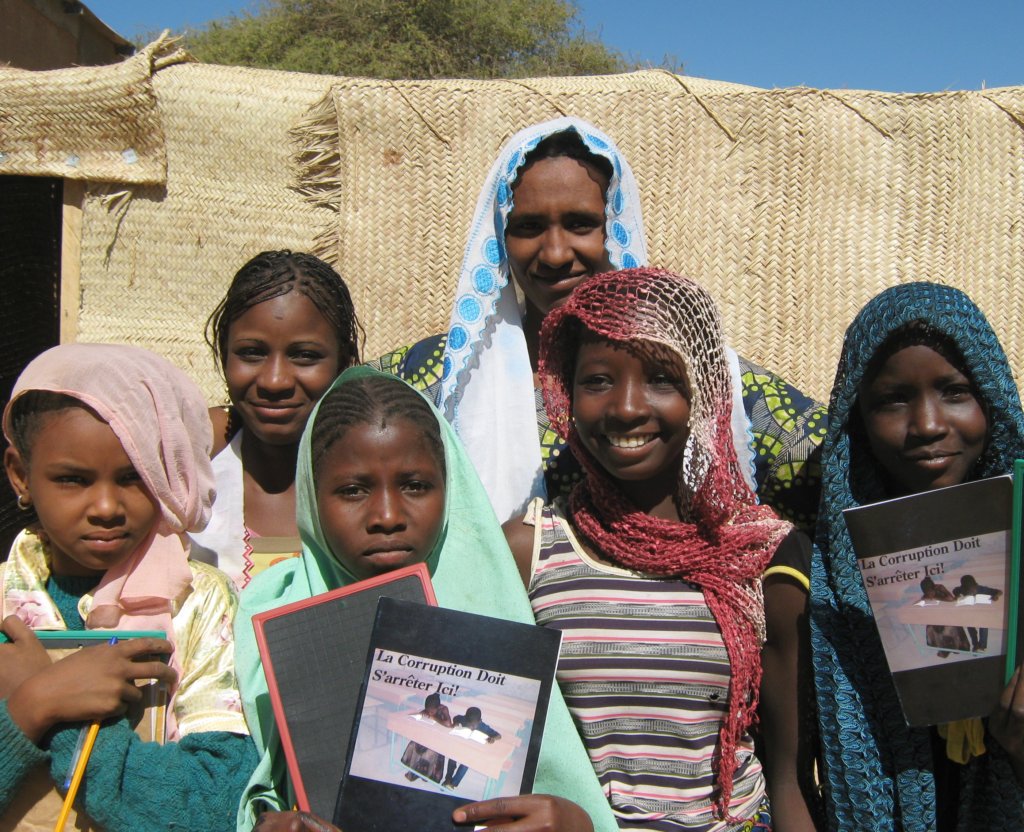
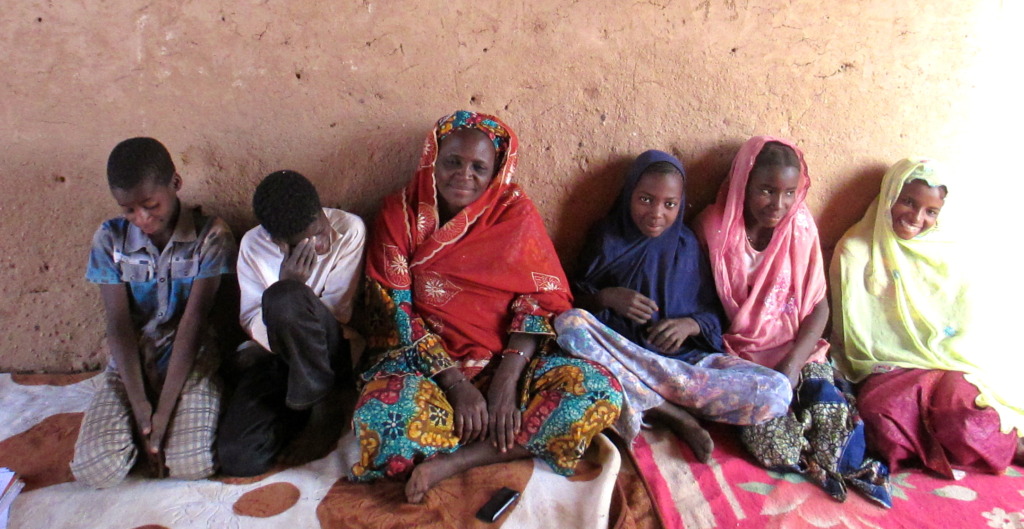
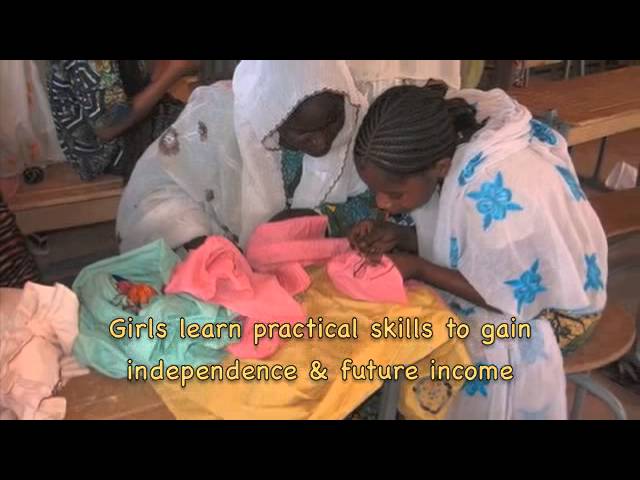
Mentoring at-risk girls is one of our most important programs. These are children that are the first in their family ever to go to school. They need the guidance and support of their women mentors to help them down the path of academia. The average number of years that a girl stays in school is 3 and 4 for boys. They don't finish primary school. That is why it is so important to keep these children in school. They give back to their communities by teaching their families and friends all the subjects that they are taught. In Niger, students only could retake a year twice before being expelled. So the mentors also keep them motivated and give them confidence by teaching traditional crafts.
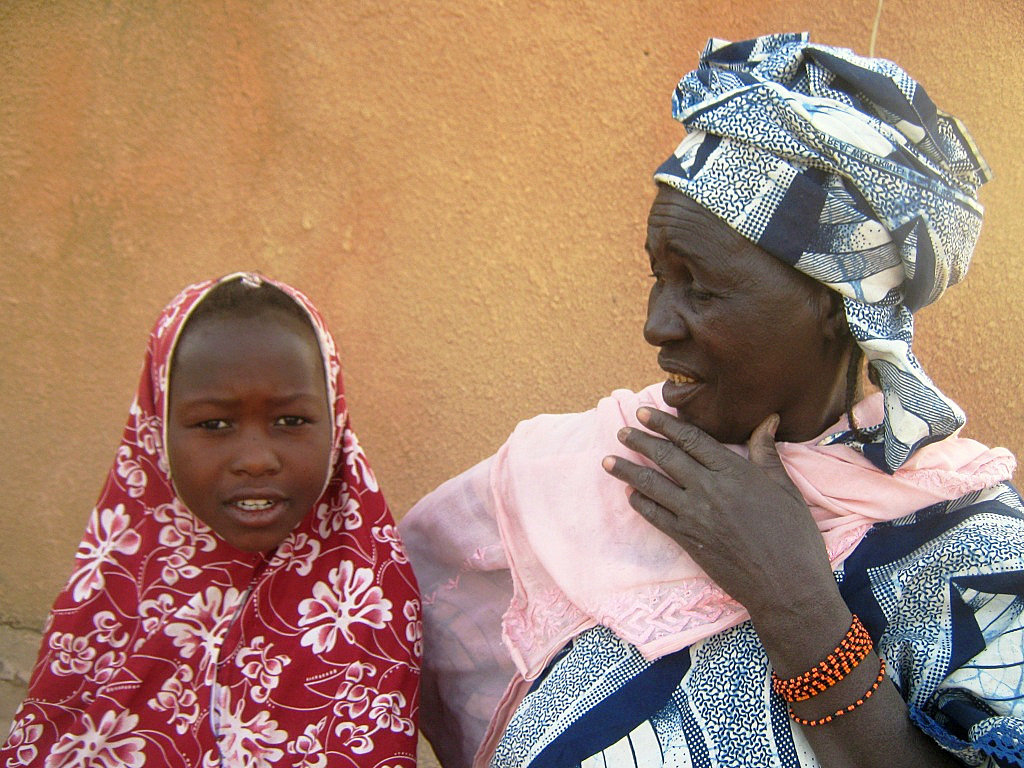
Safiatou, a student mentored by Assamhat Kamay in the Tillaberi community of Lemdou, was among those who did not pass her 6th grade exam last year. After failing, she moved back with her parents in Tinnaboa, about 10 miles from Lemdou. Not realizing she had the option to repeat the grade, her parents didn’t send Safiatou back to school in the fall.
The Lemdou school director, Ayouba, became concerned when Safiatou failed to return. Students often return late at the start of the year, due to helping at home with harvesting or seeking herd pasture, family relocation during the rainy season, or religious holidays. Ayouba contacted Assamhat to ask about Safiatou’s whereabouts. Assamhat proceeded to walk the 10 miles to Tinnaboa to investigate her absence. She confirmed that her parents were aware that the school year had started but didn’t realize their daughter could still attend. Assamhat successfully resolving the misunderstanding and Safiatou rejoined her friends at school for a second chance.
The role of the mentor as liaison between school staff and parents can’t be understated in cases like Safiatou. School directors often are unable to actively seek out each student and meet with parents who don’t understand the education system to address the multiple individual issues that come up during the year.
Without her mentor, Safiatou would have simply missed out on her chance to complete elementary school and continue on to middle school. Though mentors work on an individual and small group basis, school staff understands their role as community agents of student advocacy. Teachers and school directors work actively with the mentors to bridge the worlds of school and community to ensure the growth and success of the student population.
Safiatou
“I have learned a lot of things through my mentor. She talks with us about health, telling us to be sure to wash our hands before and after we eat and to wash our clothes regularly. If we don’t wash them enough we can get a mark on our notebook.
She also helps us understand about education with examples about its importance.
I share what I learn with my parents and with my friends. Even among us sponsored kids, I have a friend that speaks Songhai. I listen closely as my mentor explains something to us in Tamasheq, and when she finishes, I explain to my Songhai friend. She understands very well with me there.
Our mentor also teaches us how to make crafts. It’s very important for us to learn crafts, because once I’ve come to make something well, I can also teach my little sisters, my friends and anyone else that wants to learn. It is also important for me to master the crafts since they are things that we use around the house. It is a big opportunity for me to know how to do the kind of work my parents do if in the future, I stay at home after I finish my studies.
Project reports on GlobalGiving are posted directly to globalgiving.org by Project Leaders as they are completed, generally every 3-4 months. To protect the integrity of these documents, GlobalGiving does not alter them; therefore you may find some language or formatting issues.
If you donate to this project or have donated to this project, you can receive an email when this project posts a report. You can also subscribe for reports without donating.



Support this important cause by creating a personalized fundraising page.
Start a Fundraiser