By Marsha Filion | Grant Manager
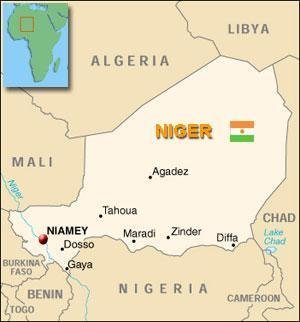
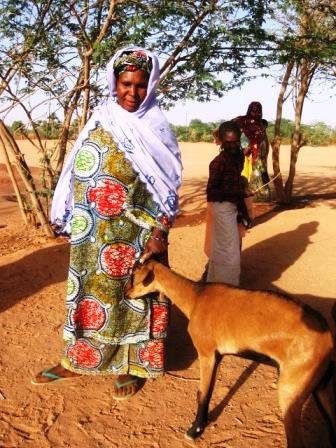
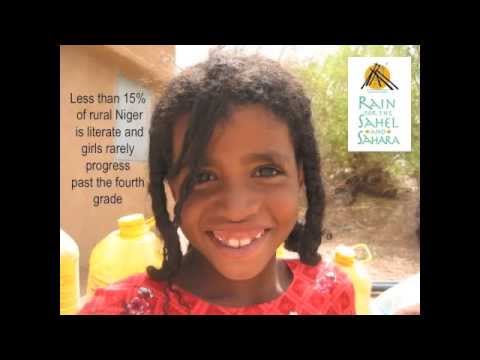
Our field agents have recently come back from the rocky mountain roadways leading to the communities we work with in the Air Mountains of northern Niger, as well as from those on the far side of the Niger River in Tillaberi, western Niger. Though located on opposite ends of the country, these communities have shared a common herding lifestyle for thousands of years. This traditional way of life is swiftly becoming unsustainable, thanks to desertification, climate change, and political instability. With an adult illiteracy rate near 90%, little infrastructure, and one of the highest child marriage rates in the world, community members are teetering on the edge of survival, with few opportunities to create a better life for parents or a better future for their children.
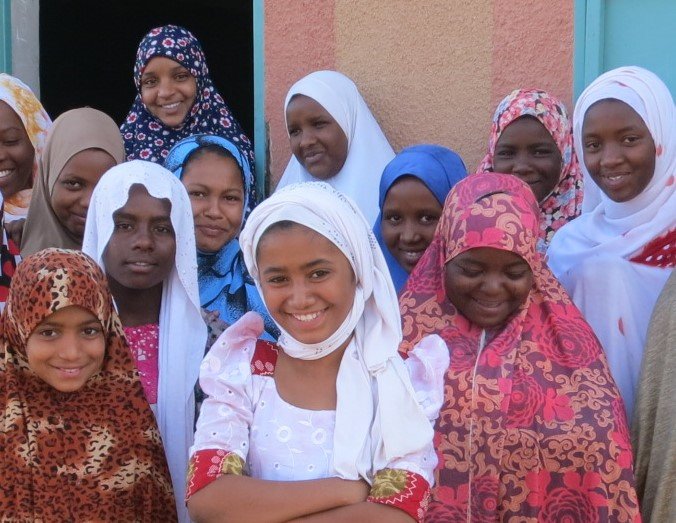
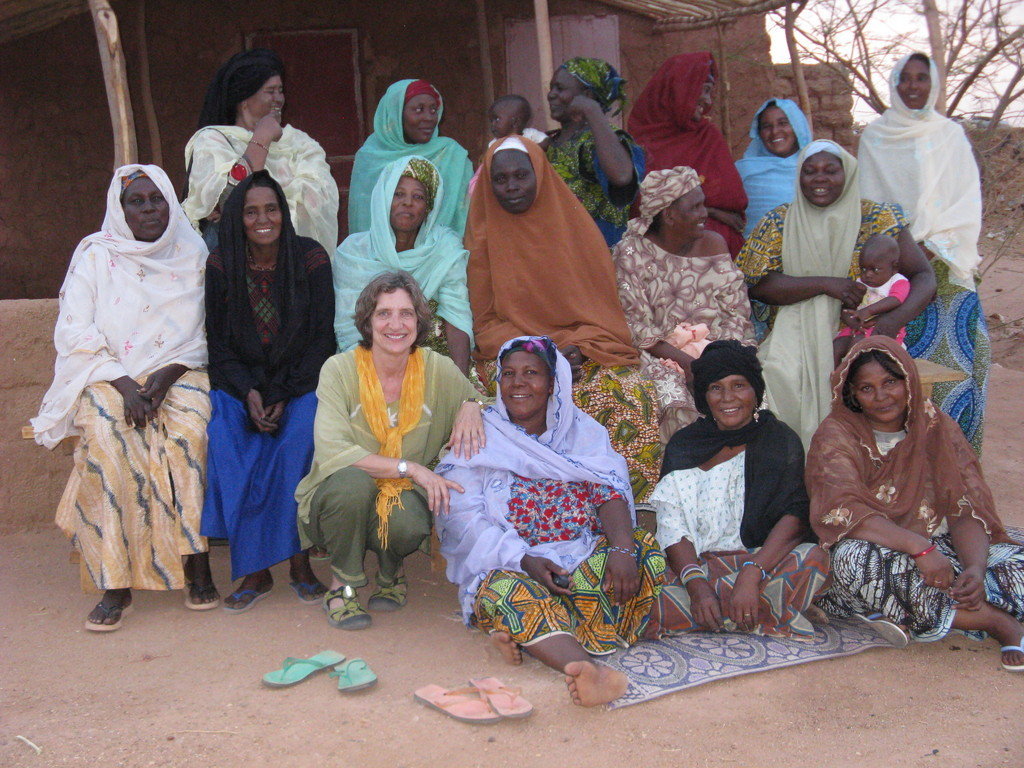
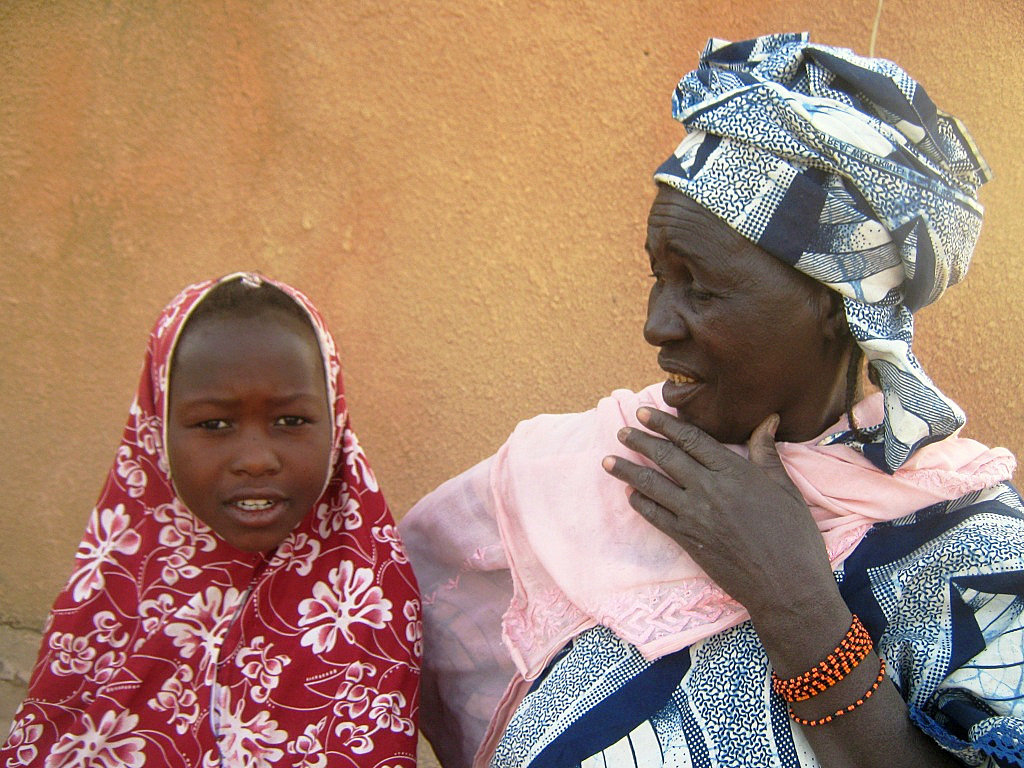
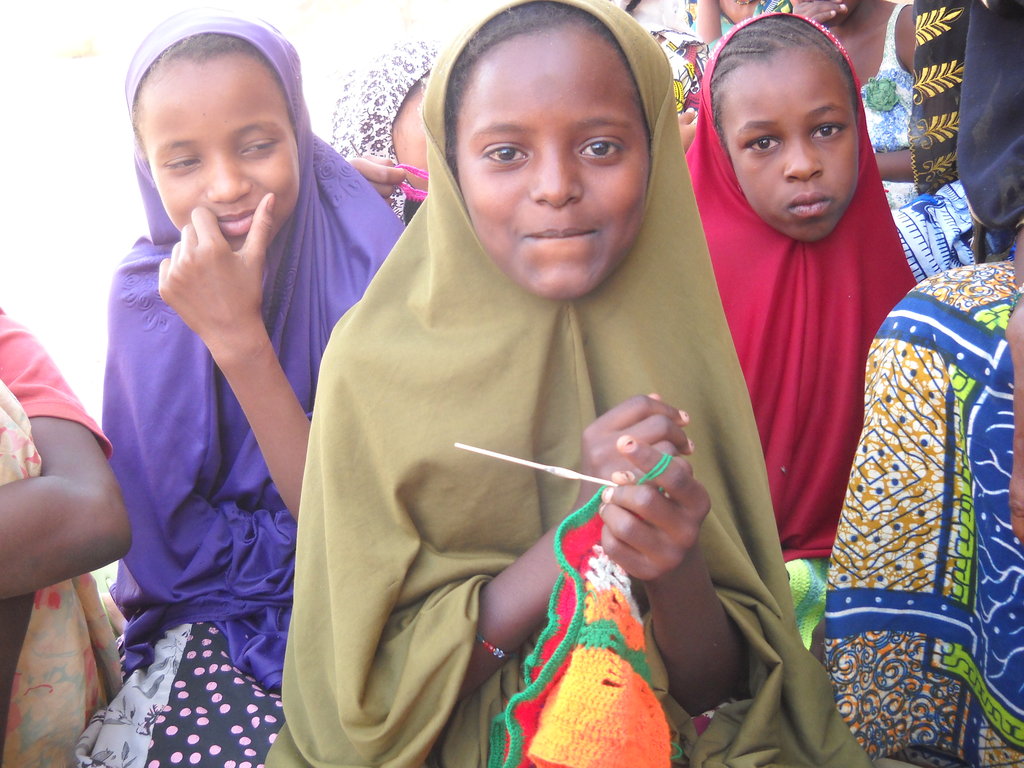
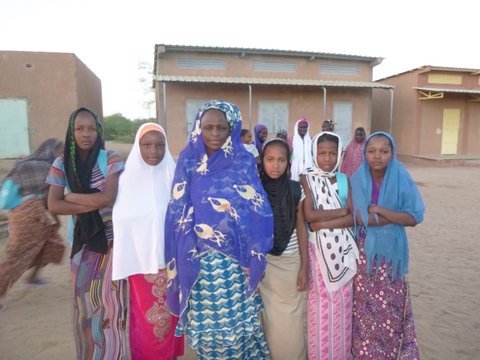
RAIN’s mentor program is designed to help girls stay in school and succeed, but also has the well being of the entire community in its sights. Currently 140 mentors support more than 600 girls as they follow their dreams of education. In addition to mediating between teachers and the parents of the five pupils they sponsor, mentors work tirelessly to instill in the community an understanding and appreciation of the benefits of education. This is important because reports show that the more education a girl receives, the better off she - and her children - will be later on in life.
During the school year, mentors watch over the health and academic progress of their sponsored children like hawks, and intervene when necessary to help students succeed.
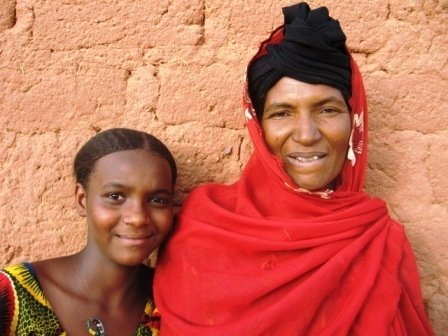
Only 12% of girls from remote communities access secondary school; even fewer attend college. So when mentor Halima Ahad found out that her student Fatima Aboutali was admitted to college, she was determined to help her.
“Fatimata never repeated a class because she loves studying. One evening Fatima came to my house to tell me that she passed her exam but unfortunately her father does not want her to go to town to attend college. He wants her to stay in the village and watch their herd grazing. I decided to visit his family to explain the importance of education. After a long discussion I realized could convince him by telling him about the creation here of a college in Gougaram. He agreed to let the girl continue her studies at the College. He does not like city life that could affect and change his daughter’s mentality.”
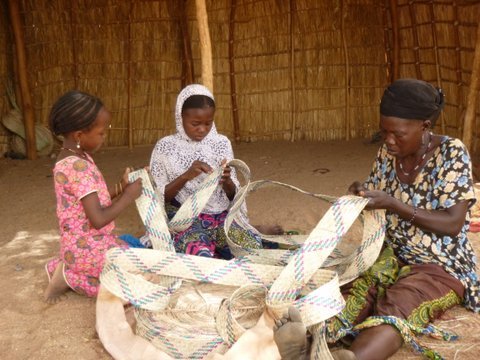
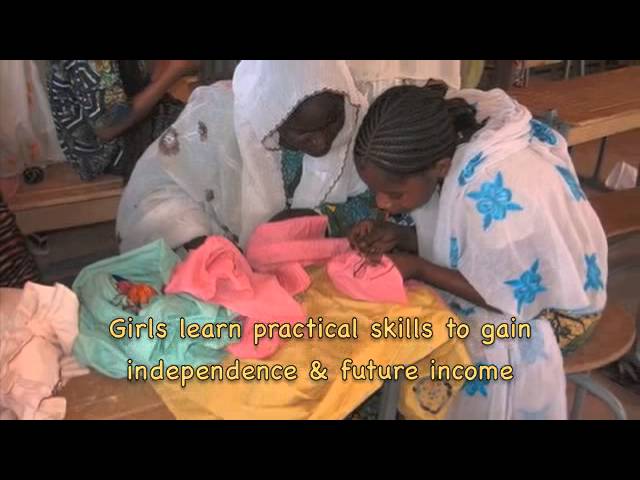
Mentors also teach their students practical skills, such as weaving, knitting, cooking, and pottery, which students can use to generate income. As 6th grader Mayala Mohamed said of the weaving skills her mentor taught her, ‘It’s good to learn how to weave a tabarma mat. Even if they kick me out of school (for being left back twice), I can keep on making tabarma mats until I die.’
The impact of the program extends to students’ parents, who are taught the mentors’ lessons in health, hygiene, and practical skills by their children. Mentors also help spark local economy though savings and loan groups and herding cooperatives, which provide mentors and other women with urgently needed income generating opportunities. These entrepreneurial activities are an important feature of the program because a portion of the profits are reinvested back into the program, contributing to its sustainability.
Thanks to your support, this year we are launching the mentor program in three brand new communities, and helping over 50 RAIN mentors from 11 communities start up herding cooperatives and savings and loan groups.
While we are excited about these new developments, much more work remains to be done. We know of thousands of girls who want to stay in school, and dream of lifting themselves and their families out of poverty.
Our mentors are committed to going above and beyond the call of duty to make a positive social impact. $40 provides one student with an entire year’s worth of skills training and support from a mentor; it costs $400 to fund a mentor program in a new community. With your continued support, we can empower one of Niger’s greatest assets - its women - to help keep girls in school and on course to greater health and opportunity for all its citizens.
Links:
Project reports on GlobalGiving are posted directly to globalgiving.org by Project Leaders as they are completed, generally every 3-4 months. To protect the integrity of these documents, GlobalGiving does not alter them; therefore you may find some language or formatting issues.
If you donate to this project or have donated to this project, you can receive an email when this project posts a report. You can also subscribe for reports without donating.



Support this important cause by creating a personalized fundraising page.
Start a Fundraiser