Key Activities and AccomplishmentsCommunity Awareness Campaign
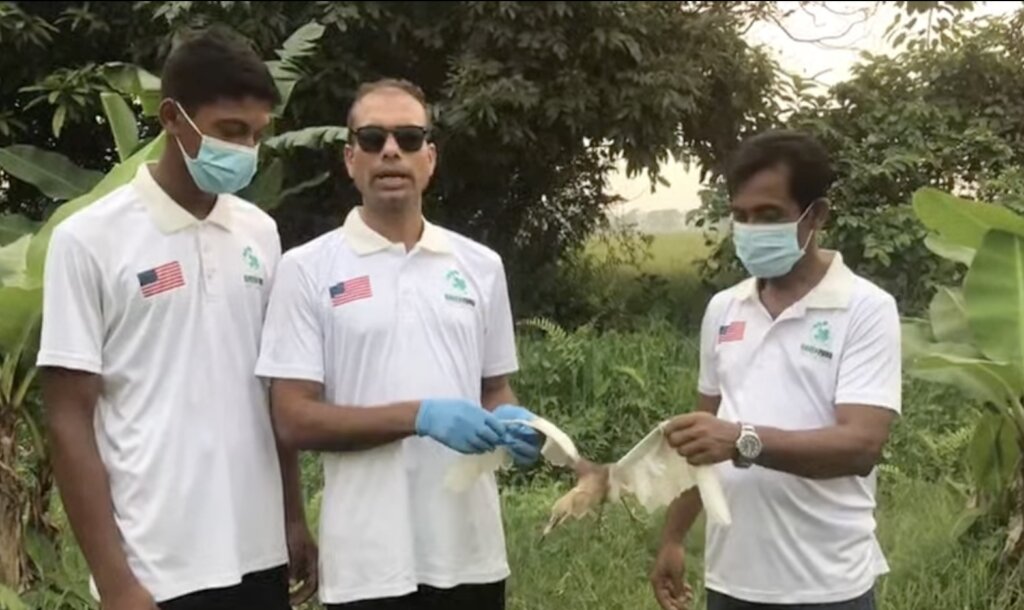
To reach remote rural communities, awareness campaigns were conducted using auto-rickshaws equipped with loudspeakers (microphones) that broadcast conservation messages on protecting birds and wildlife. The mobile announcements traveled through villages and marketplaces, reaching residents who have limited access to formal environmental education.
Distribution of Educational Materials
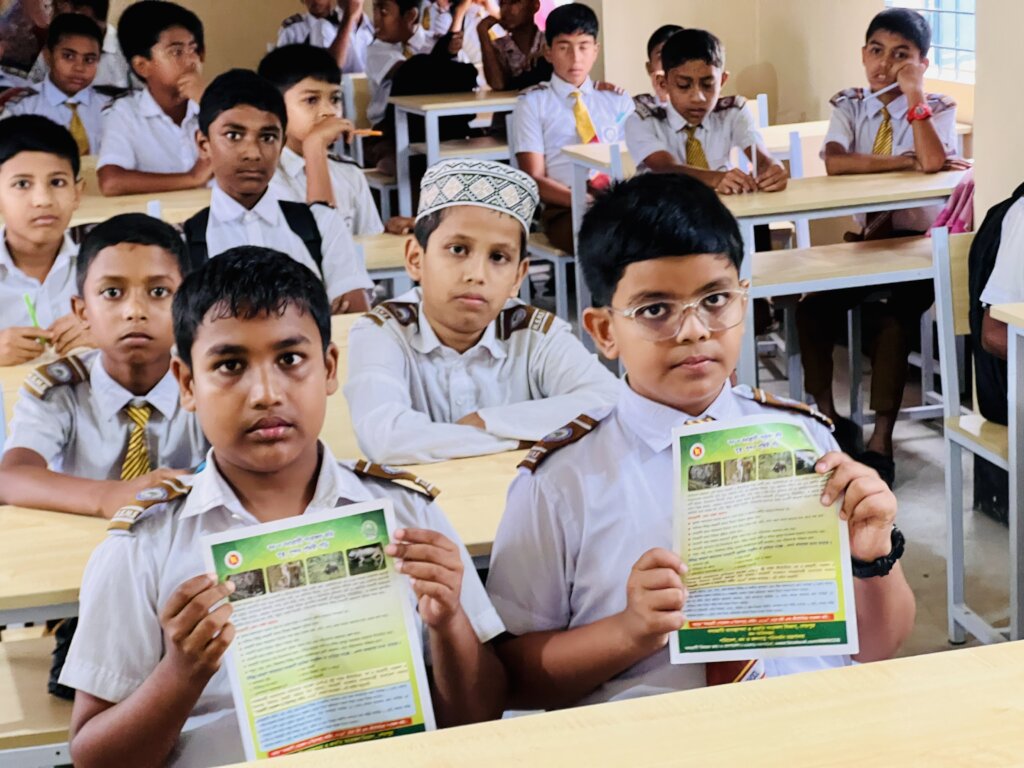
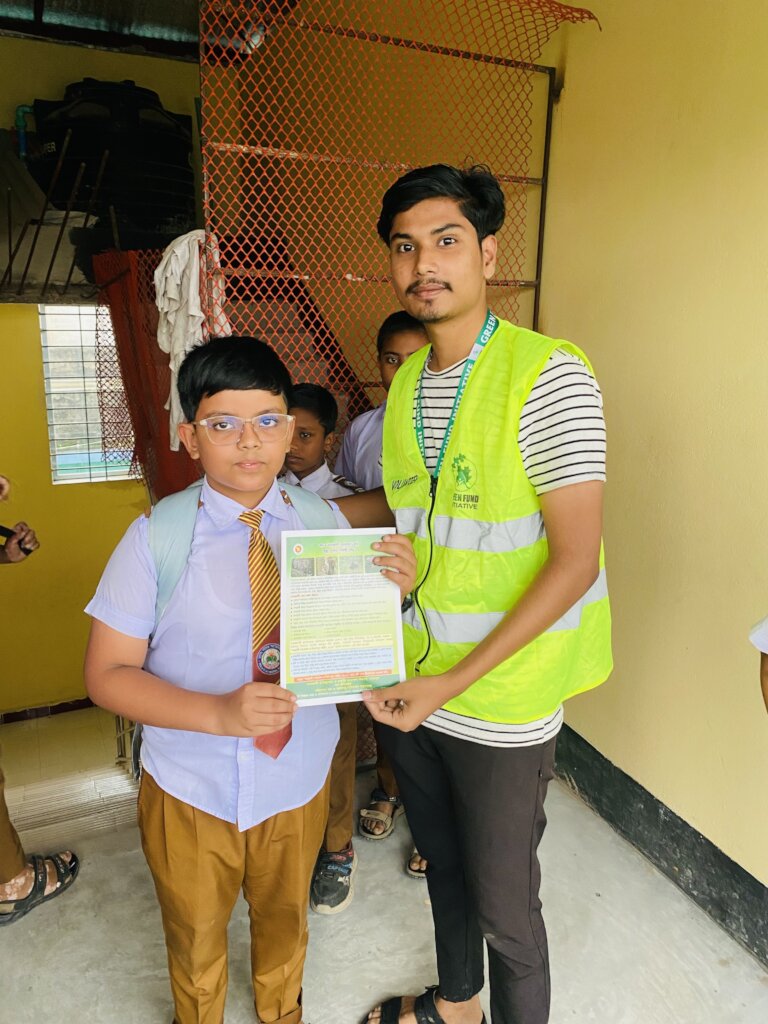
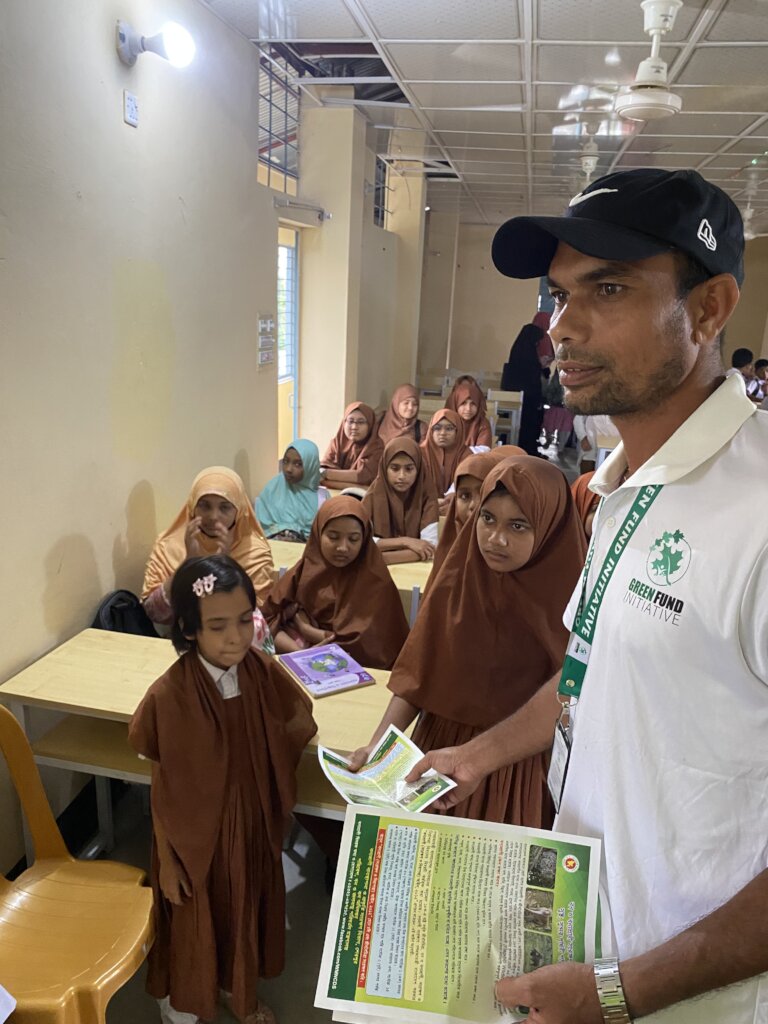
Hundreds of awareness leaflets were distributed among community members, while posters promoting bird and wildlife conservation were displayed at schools, marketplaces, public gathering points, and other important community locations. These materials reinforced key conservation messages and encouraged responsible environmental practices.
School Seminars
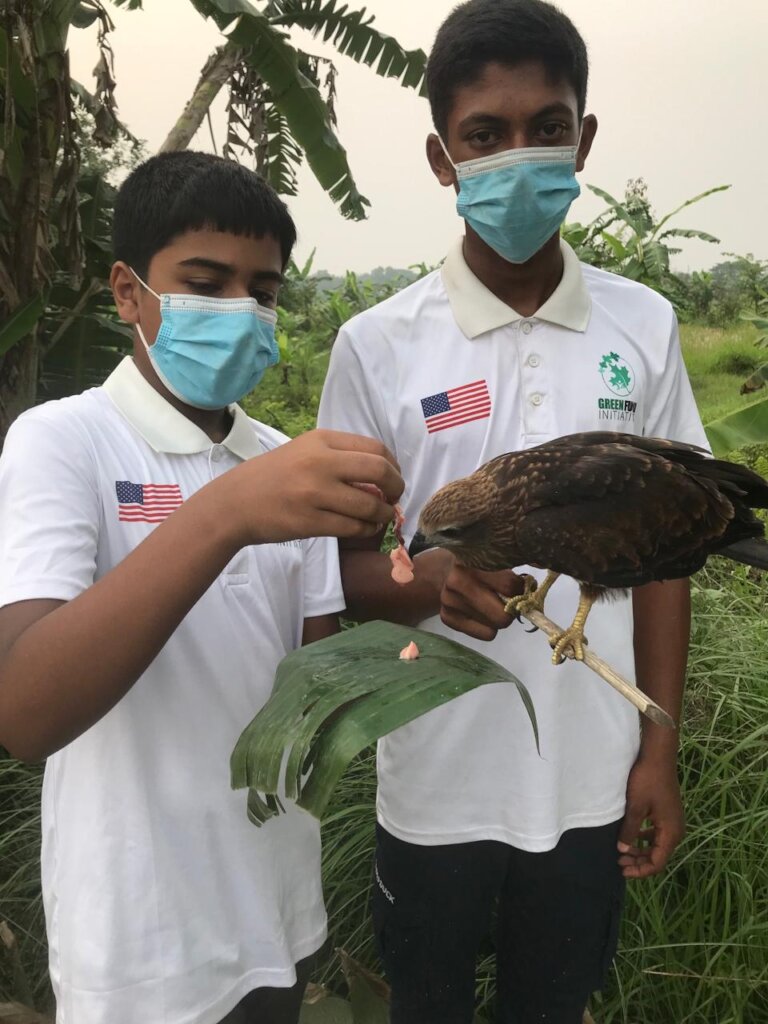
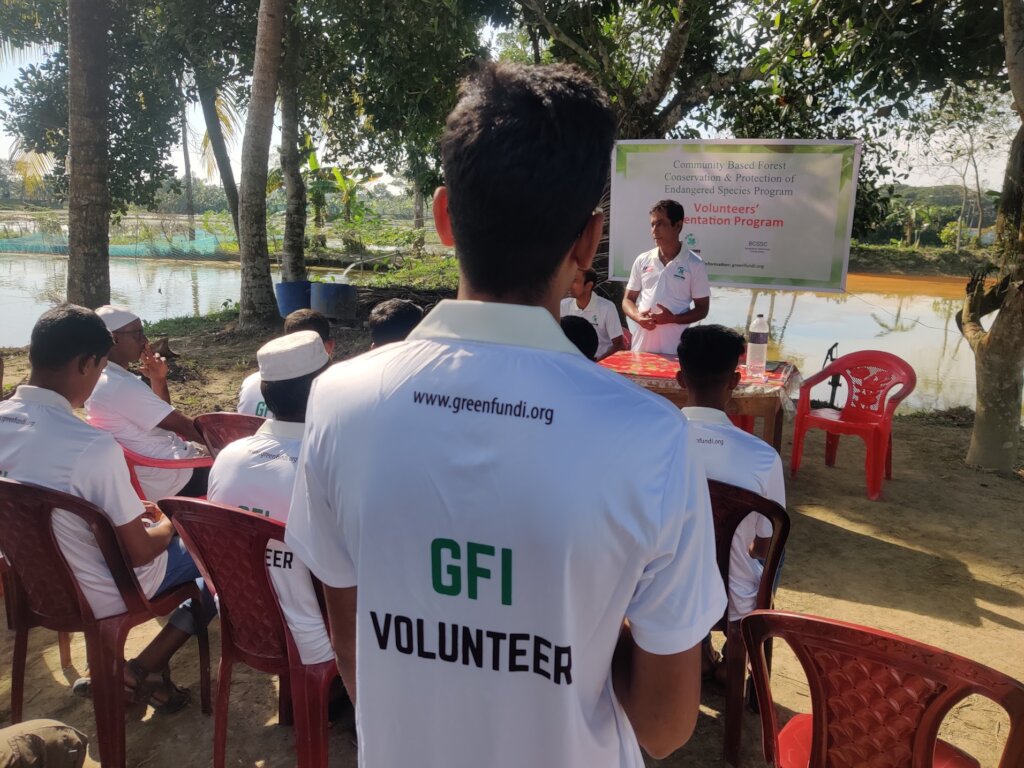
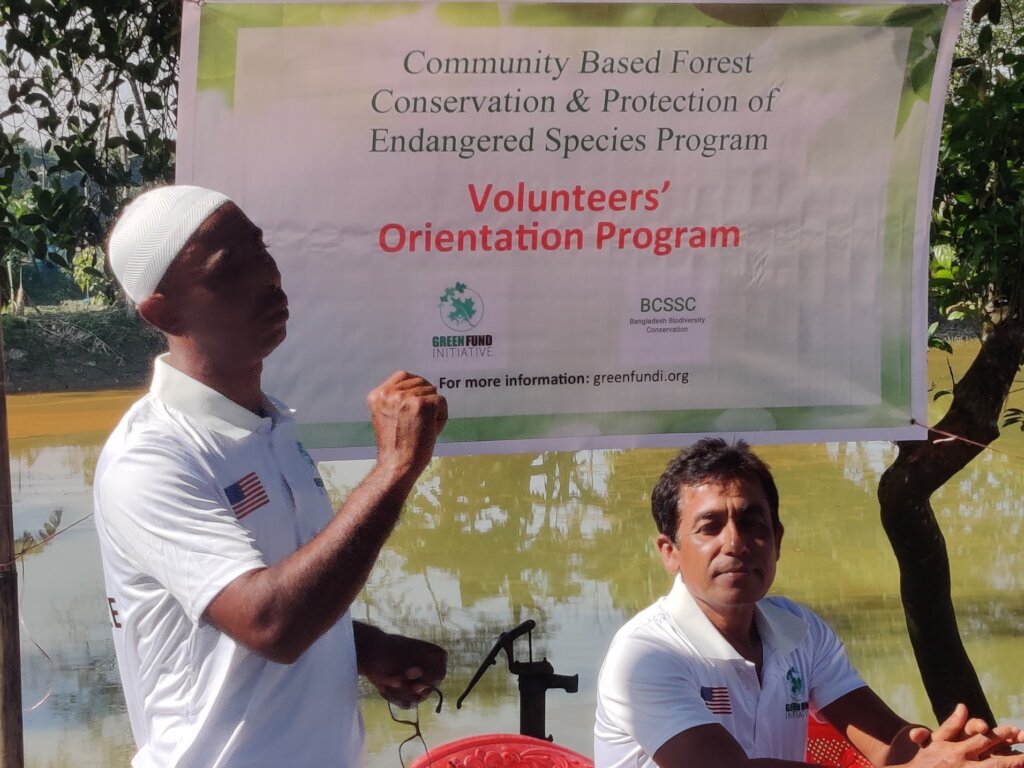
Educational seminars were organized in local schools to raise awareness among students about the importance of conserving birds, wildlife, and natural habitats. Interactive discussions encouraged young people to become ambassadors for conservation within their families and communities.
Government Engagement
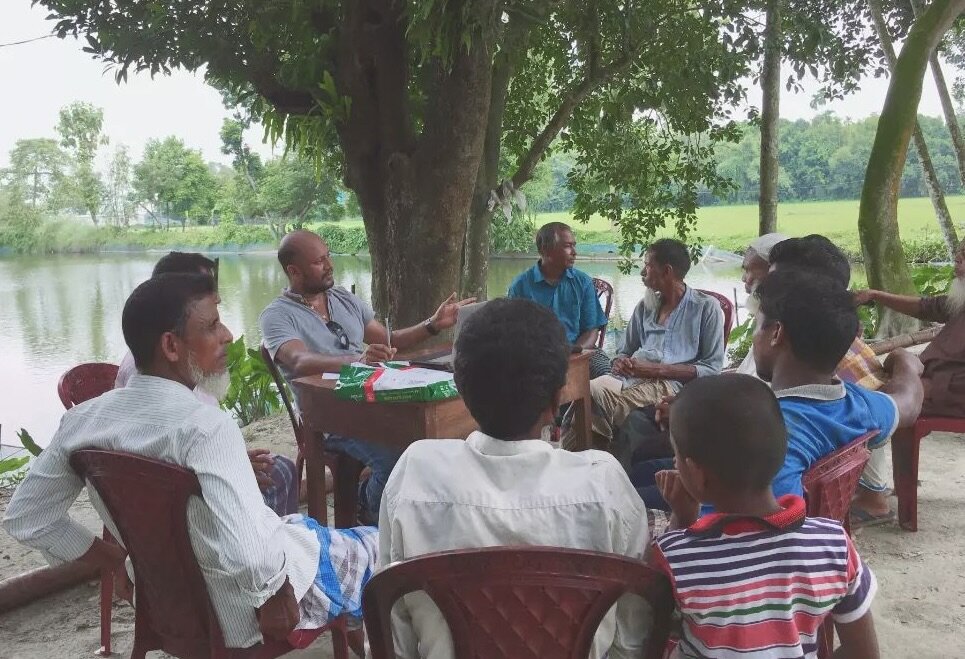
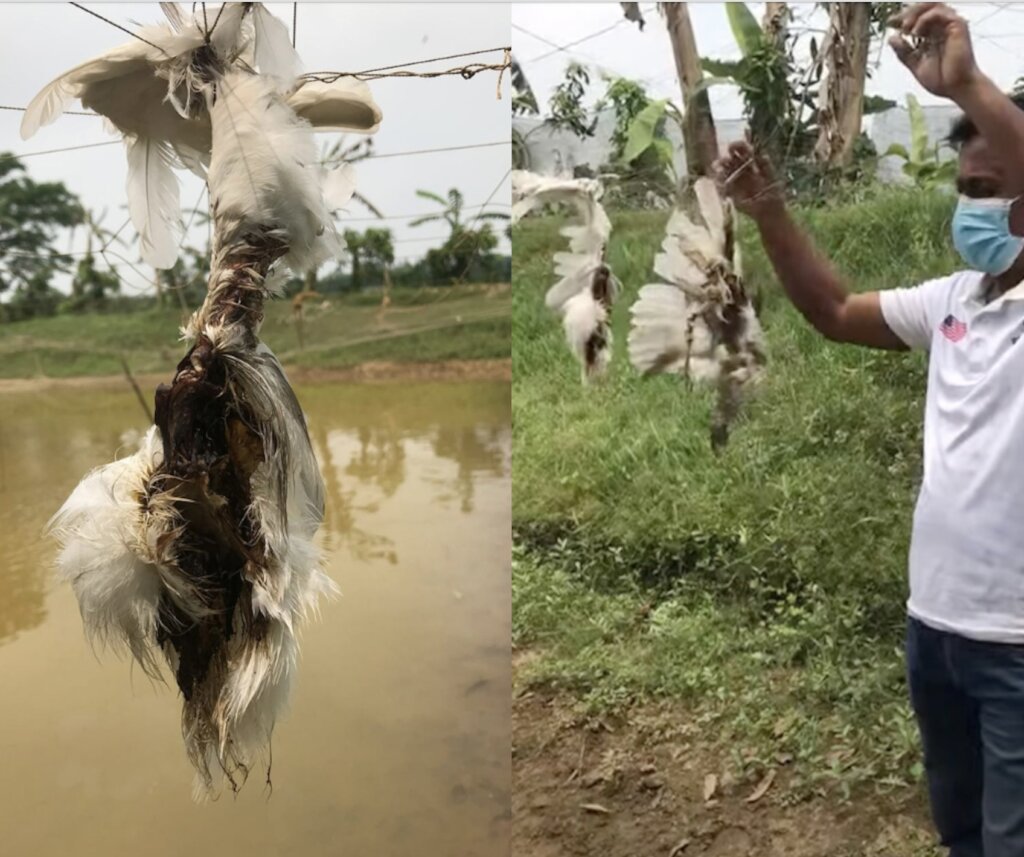
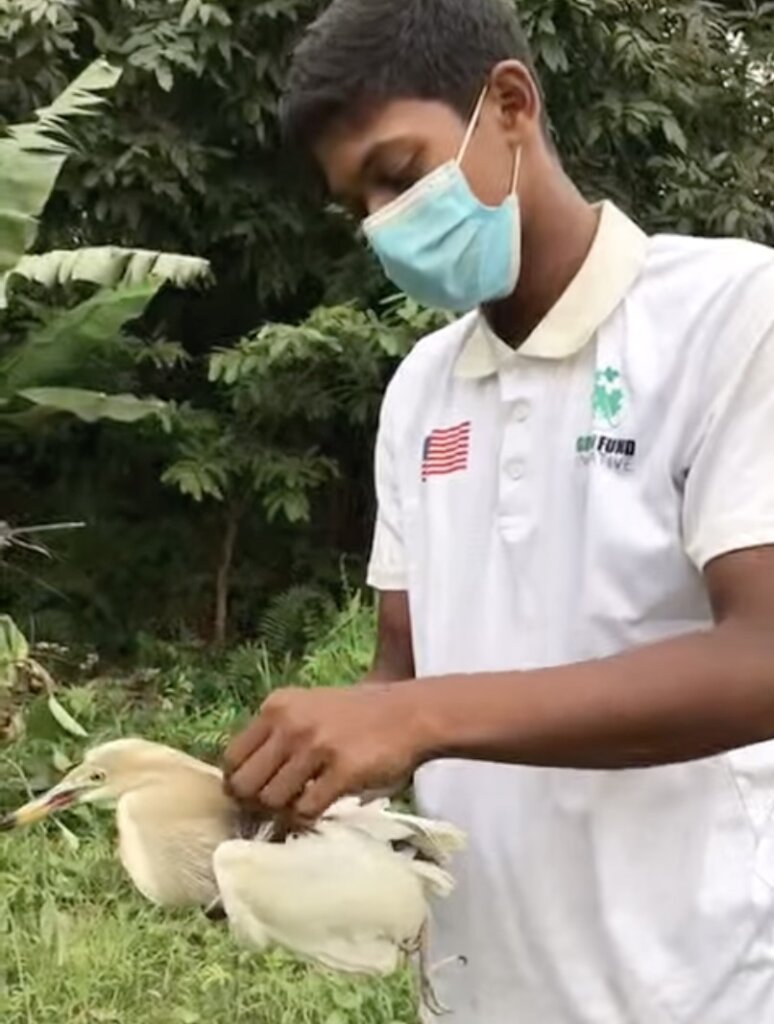
Face-to-face meetings were held with local government officials and relevant stakeholders to discuss wildlife conservation challenges and strengthen collaboration in protecting birds from human-induced threats, including the use of harmful fishing nets.
Strategic Partnerships
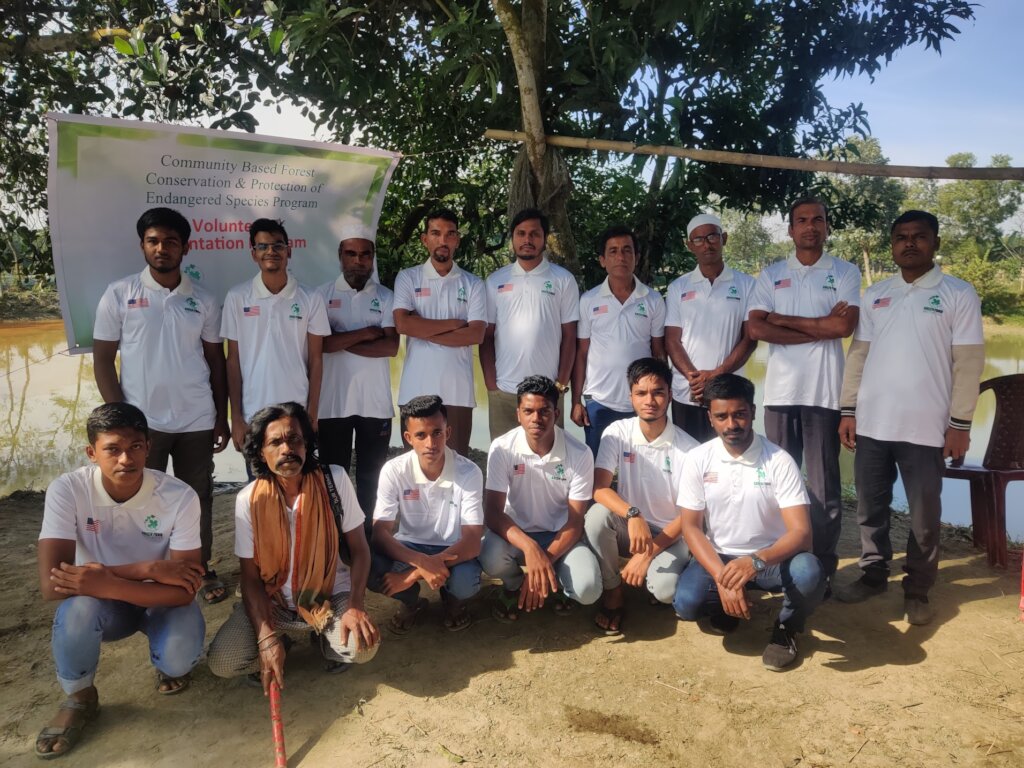
This reporting period marked strengthened collaboration with the Bangladesh Forest Department and BCSSC, whose technical guidance and community networks significantly enhanced the effectiveness and reach of our awareness activities.
Challenges Faced
Limited Financial Resources:
The project continues to operate with limited funding, restricting the scale of awareness campaigns and reducing opportunities to expand conservation activities into additional districts.
Persistent Threats to Birds and Wildlife:
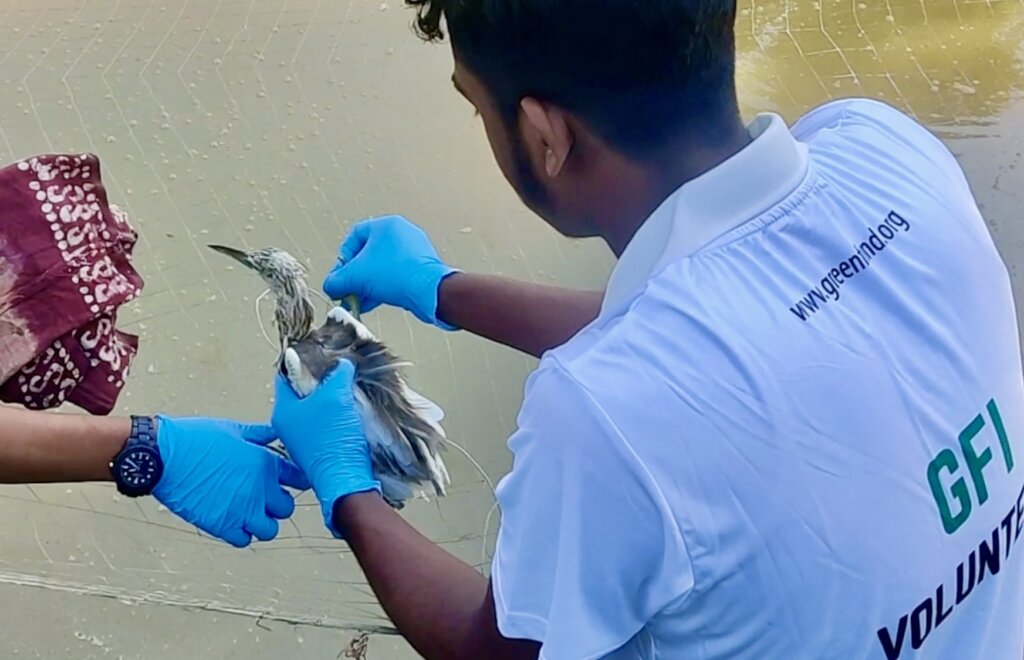
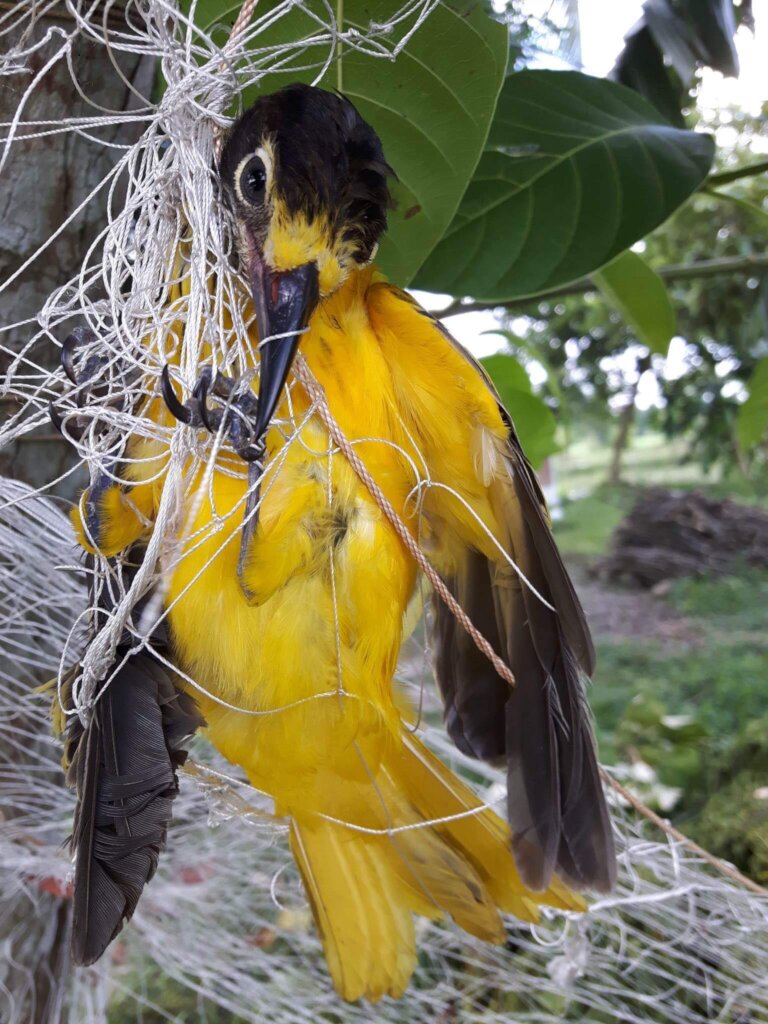
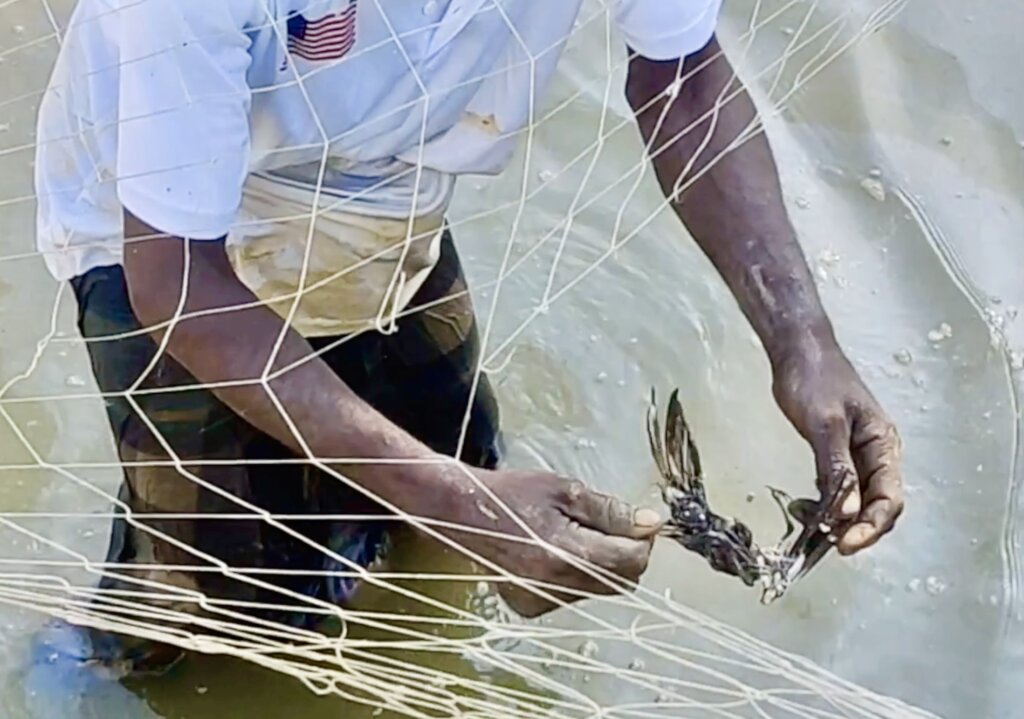
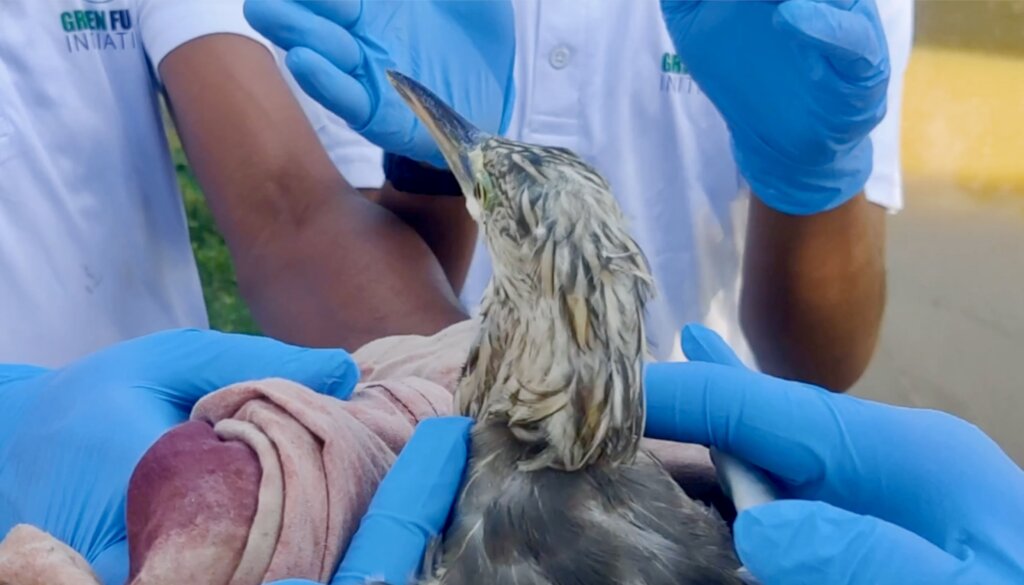
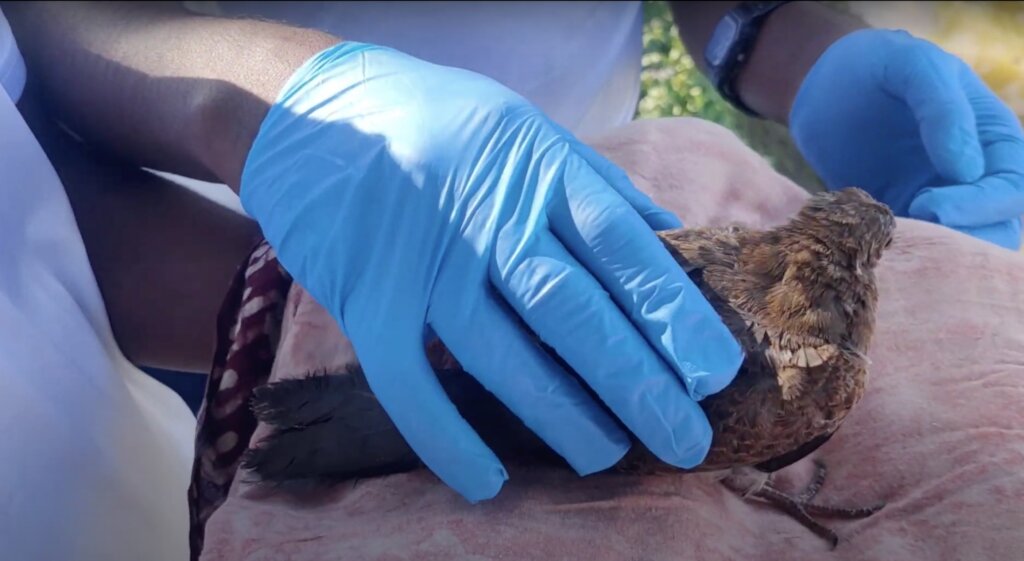
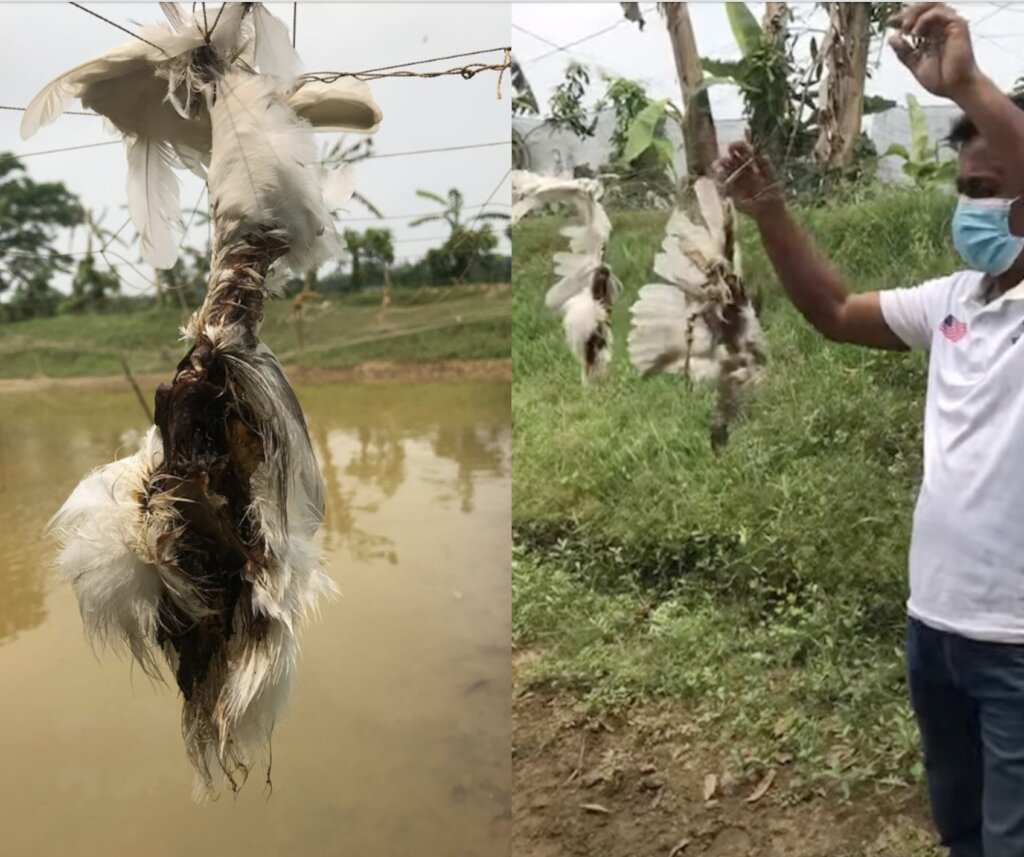
Despite growing awareness, harmful fishing nets and habitat disturbances remain significant threats to both resident and migratory bird populations.
Need for Continued Public Education:
Long-term behavioral change requires sustained awareness efforts, particularly in rural communities where knowledge of wildlife conservation remains limited.
Future Plans
- Expand awareness campaigns to additional climate- and biodiversity-sensitive regions of Bangladesh.
- Continue mobile conservation messaging using loudspeaker-equipped vehicles in rural communities.
- Increase the distribution of educational leaflets and posters.
- Organize additional seminars in schools to inspire environmental stewardship among young people.
- Strengthen collaboration with the Bangladesh Forest Department, BCSSC, local government agencies, and community leaders.
- Seek new funding and partnerships to support bird rescue, rehabilitation, and large-scale conservation awareness programs.
Conclusion
From March through June 2026, Green Fund Initiative successfully shifted its focus toward expanding public awareness and strengthening partnerships for bird and wildlife conservation in Bangladesh. Through mobile awareness campaigns, educational materials, school seminars, and engagement with government officials, the project reached diverse audiences and reinforced the importance of protecting biodiversity.
Our collaboration with the Bangladesh Forest Department and BCSSC demonstrates the value of partnerships in achieving meaningful conservation outcomes. With continued donor support, we aim to expand these initiatives, reach more communities, and further protect Bangladesh's rich bird and wildlife heritage for future generations.