By Pascal Picard | Benevolent
Gandhi and Delhi’s Evolving Relationship and Health Journey
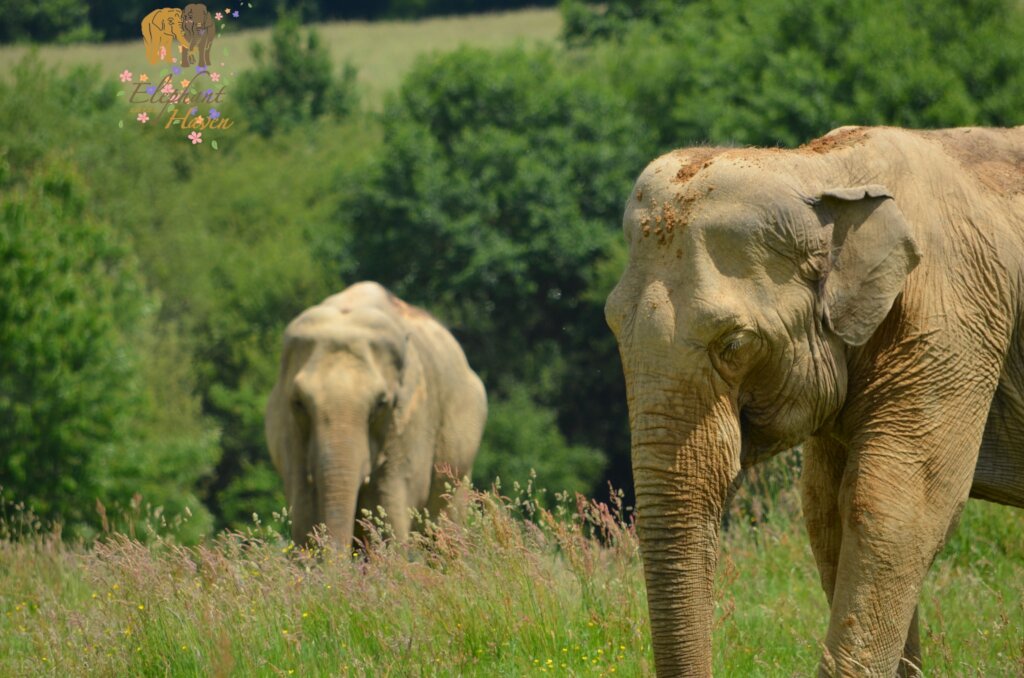
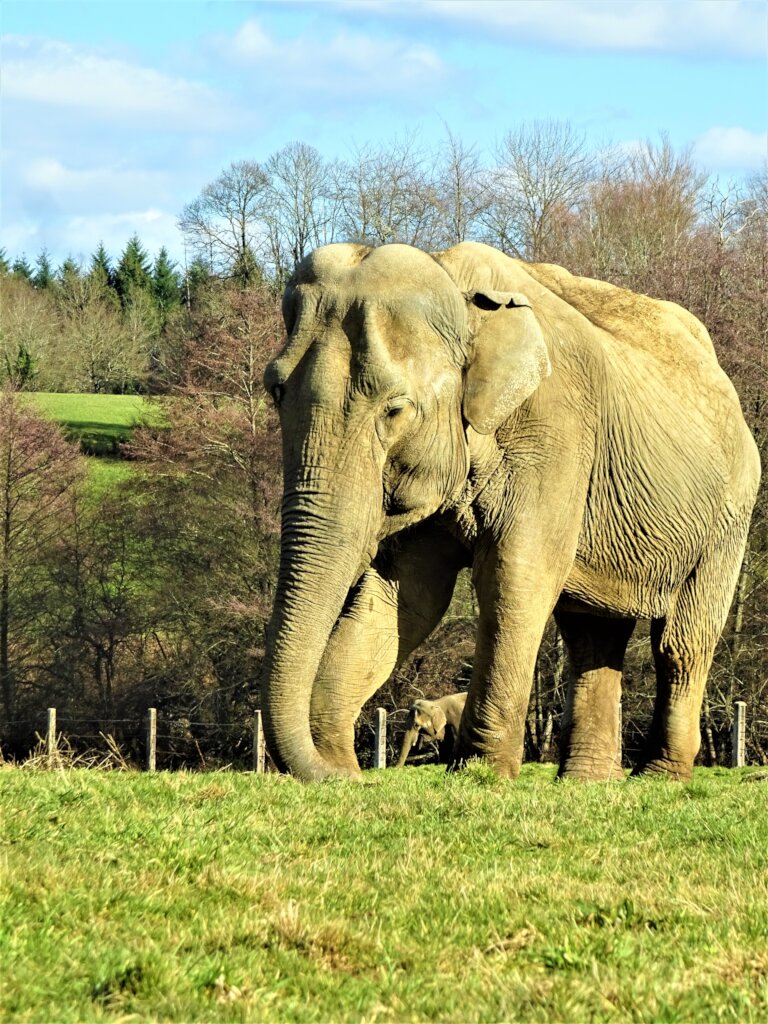
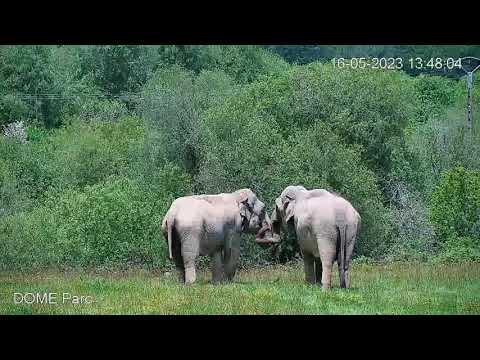
For roughly the past year, Gandhi (a 57-year-old Asian elephant who arrived at EHEES in 2021 from France’s Zoo de Pont-Scorff, now Les Terres de Nataé) and Delhi (a 43-year-old who joined EHEES in 2022 from Usti nad Labem Zoo in the Czech Republic) have been living with a deliberate pause in their shared space. This separation was not due to any conflict but rather a response to Gandhi’s changing needs as she ages. While some have asked whether the two have reconciled, their friendship has never truly wavered. Even while physically separated, they continue to have frequent, affectionate interactions—both indoors and outdoors, day and night. Delhi, in particular, remains highly attuned to Gandhi’s well-being, often checking on her when she senses her friend is having a difficult day.
1. Gandhi’s Aging and Health Challenges
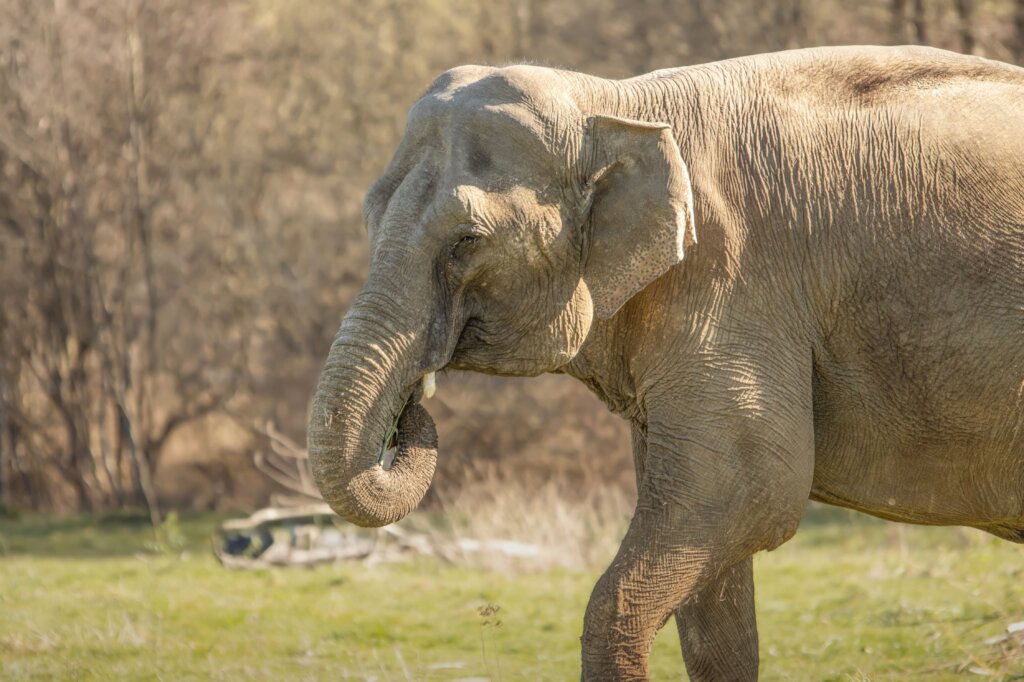
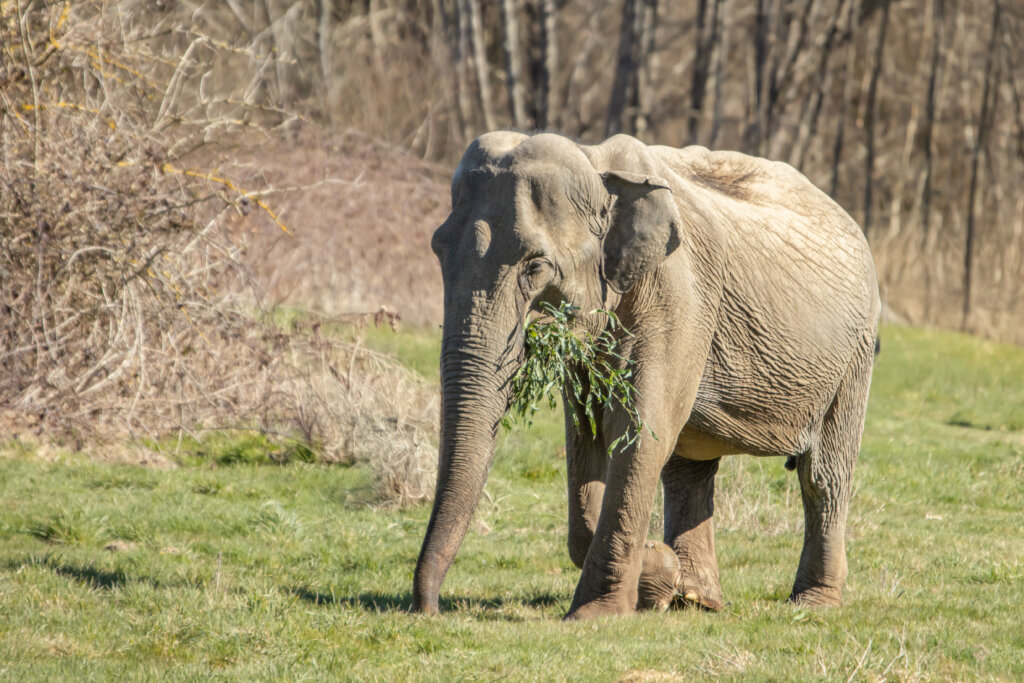
Gandhi has always been a strong-willed and intelligent elephant, but she is now aware of her declining physical and mental stamina. She tires more easily, requires more rest, and takes longer to recover from minor setbacks. After a fall in January 2026, her initial stiffness subsided quickly, but her overall resilience is not what it once was. She no longer lies down to sleep like Delhi does; instead, she rests upright, leaning against objects for support. Her sleep patterns are fragmented, with short naps interspersed with periods of eating, walking, or gently rousing Delhi.
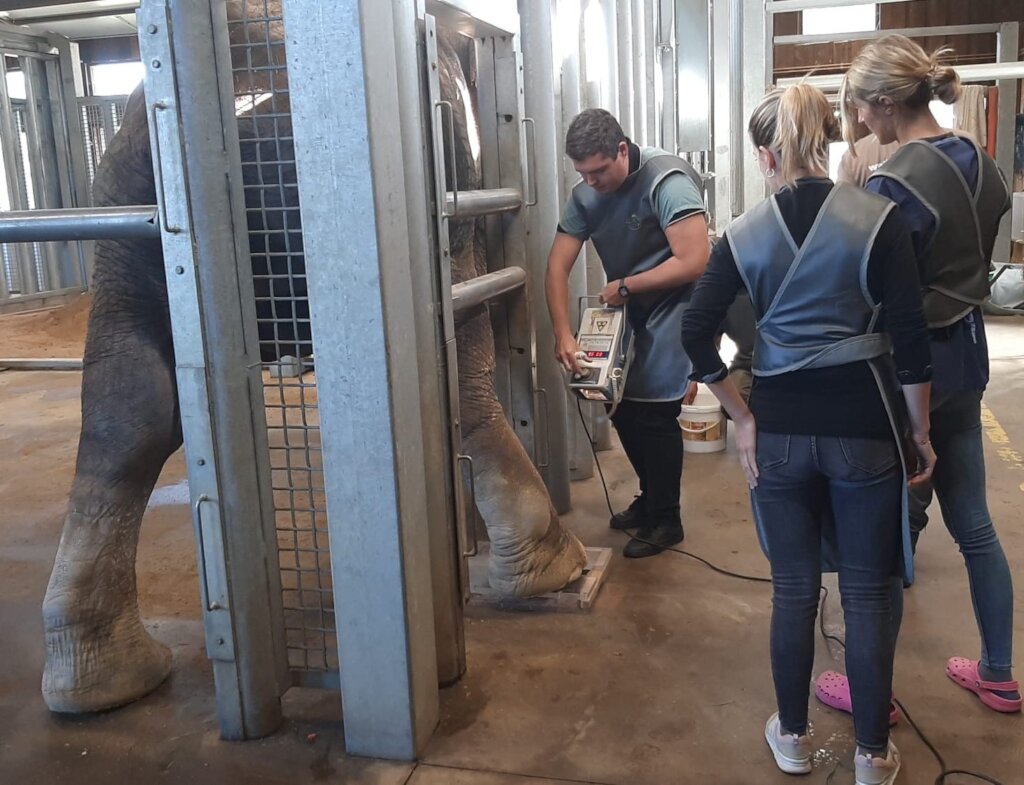
In 2025, a series of X-rays were taken of Gandhi’s right hind foot, where she has long suffered from a chronic sole issue. The images confirmed the presence of arthritis and ruled out foreign objects in her foot. However, they also revealed a potential chronic abscess, likely linked to fractures in her third phalanx—a condition not uncommon in Asian elephants. The pain from this abscess varies, flaring up at times before subsiding again. Her treatment regimen includes laser therapy, natural remedies, essential oils, and medicinal foot baths, all aimed at managing her discomfort.
Beyond her foot, veterinarians are investigating other potential health concerns. Gandhi has shown signs of discomfort which appear to be painful cramps. The cause remains unclear—it could stem from digestive issues, kidney problems, or other internal pain. There is also suspicion of uterine cysts or tumors, which are frequently seen in female elephants that have not given birth. Further tests are being considered to assess her kidney function and confirm any uterine abnormalities. While Gandhi has shown some improvement with adjusted treatments and increased hydration, her recovery is slower than in the past, signaling the natural progression of aging.
2. Delhi’s Role and Her Own Health Care
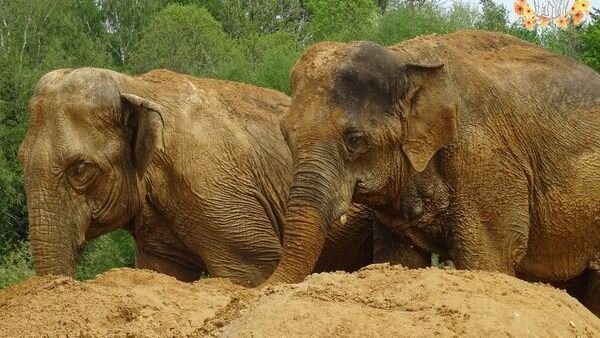
Delhi plays a supportive role in Gandhi’s life, often initiating contact through the enclosure fences or joining her for shared moments, such as grazing side by side or resting near one another at night. Their bond is evident in these consistent interactions.
Delhi, too, has had her own health concerns. Recently, she began showing signs of discomfort in her right front foot. In a remarkable display of communication, Delhi used her trunk to point directly to the painful area, helping her caregivers pinpoint the issue. After ruling out an abscess or sole injury, the team determined it was likely a minor internal contusion, possibly caused by walking on rough terrain or an unnoticed stumble. Treatment included warm foot baths with Epsom salt, clove essential oil, or turmeric powder. It was clear Delhi appreciated these foot baths. When she started playing and trying to break the bath, it was a clear sign that she was feeling better. Within a week, her discomfort had subsided.
3. Proactive and Holistic Care
The EHEES team is dedicated to the elephants’ well-being. They monitor Gandhi and Delhi closely, noting even the smallest changes in behavior, gait, or appetite. Video surveillance, and consultations with external experts (such as Danielle Dibbens for thermal imaging) are regularly employed to diagnose issues early. When injuries or discomfort are identified, treatments often combine methods such as laser therapy for inflammation, turmeric or green clay for muscle pain, natural anti-inflammatory remedies, and essential oils in conjunction with other medical treatments to offer them support in an alternative way.
The team also adapts to the elephants’ seasonal needs. During hot weather, both Gandhi and Delhi change their rhythms and are out all night long, sleepy in the morning and more active again in the afternoons and evenings. Their care plans are constantly refined based on these observations.
4. A Bond That Endures
Despite the physical separation, Gandhi and Delhi’s connection remains as strong as ever. They continue to communicate and interact in meaningful ways, whether through the enclosure fences or during the night and early-morning routines. Delhi’s empathy toward Gandhi is particularly touching, as she often seeks out her friend to offer quiet companionship.
The caregivers at EHEES are deeply committed to providing both elephants with the best possible quality of life. Every decision—from adjusting their living arrangements to refining their medical treatments—is made with their well-being in mind. While Gandhi’s aging presents new challenges, the team remains hopeful and proactive, collaborating with veterinarians and colleagues to explore every avenue of support.
Ultimately, the story of Gandhi and Delhi is one of resilience, adaptability, and enduring friendship. Each day with them is cherished, and their caregivers are grateful for the opportunity to provide them with love, care, and dignity.
Project reports on GlobalGiving are posted directly to globalgiving.org by Project Leaders as they are completed, generally every 3-4 months. To protect the integrity of these documents, GlobalGiving does not alter them; therefore you may find some language or formatting issues.
If you donate to this project or have donated to this project, you can receive an email when this project posts a report. You can also subscribe for reports without donating.



Support this important cause by creating a personalized fundraising page.
Start a Fundraiser