By Jacob Kheel | Puntacana Ecological Foundation Director
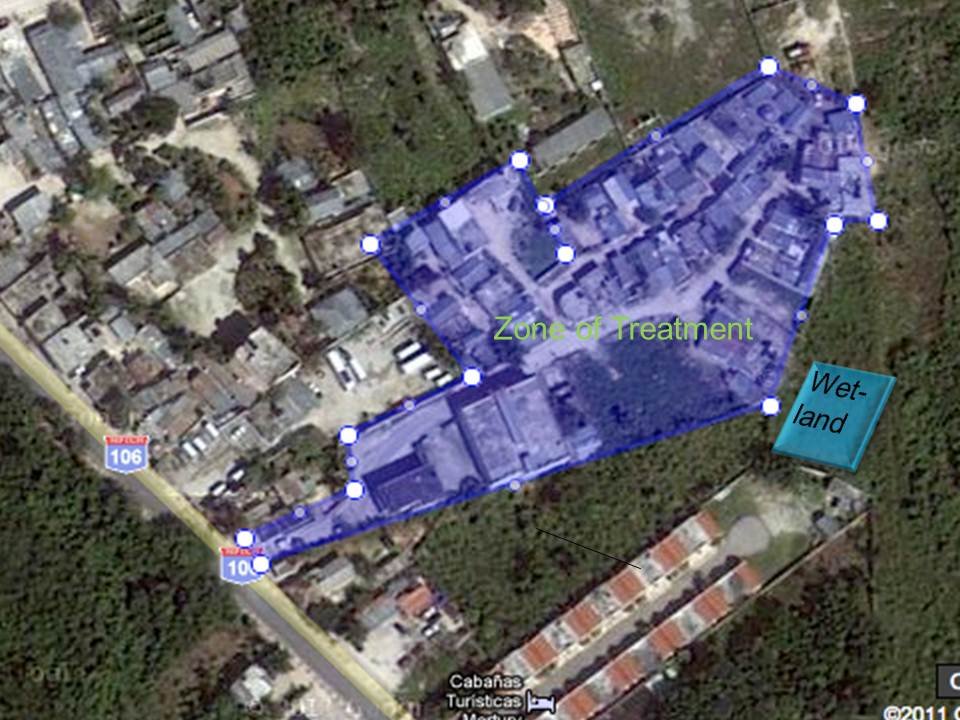
The Puntacana Ecological Foundation and the rest of the Fuentes de Vida coalition are proud to announce that the constructed wetlands wastewater treatment system has been completed!
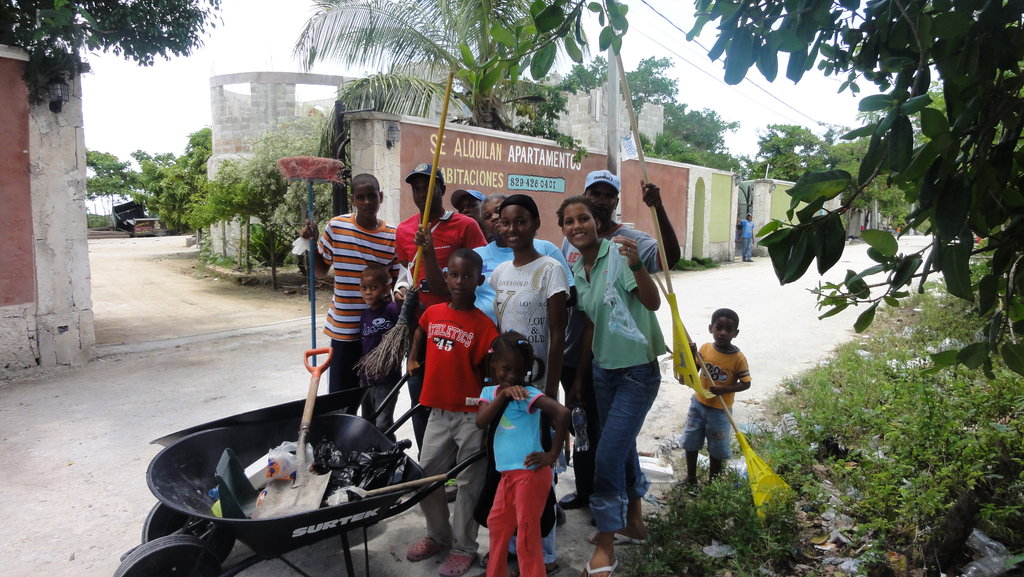
Throughout the month of March 2014, most of the work focused on excavating the wetlands area of the system. When excavation began in February a 16-inch wide Vermeer trencher was first brought in to do the work, however, after several breakdowns and delays this was then replaced by a 30-inch wide trencher although breakdowns and delays continued due to the dense limestone substrate. Finally, the excavation of the wetlands was completed during the last week of March with a 2.4 meter wide “Tambor” trencher. On March 19th, volunteers from the NGO Positive Legacy (the same group that also awarded the project over USD$26,000) realized a day of service in the community in which they helped prepare the wire frames of the septic tanks and also continued painting the community park’s mural. With the wire frames ready to be assembled, skilled masons began constructing the septic tanks on March 25th and completed their work on April 1st. On March 19th, the Response Peace Corps volunteer who had been overseeing the project returned to the United States having already trained a local Dominican engineer to take his place as the project’s lead engineer.
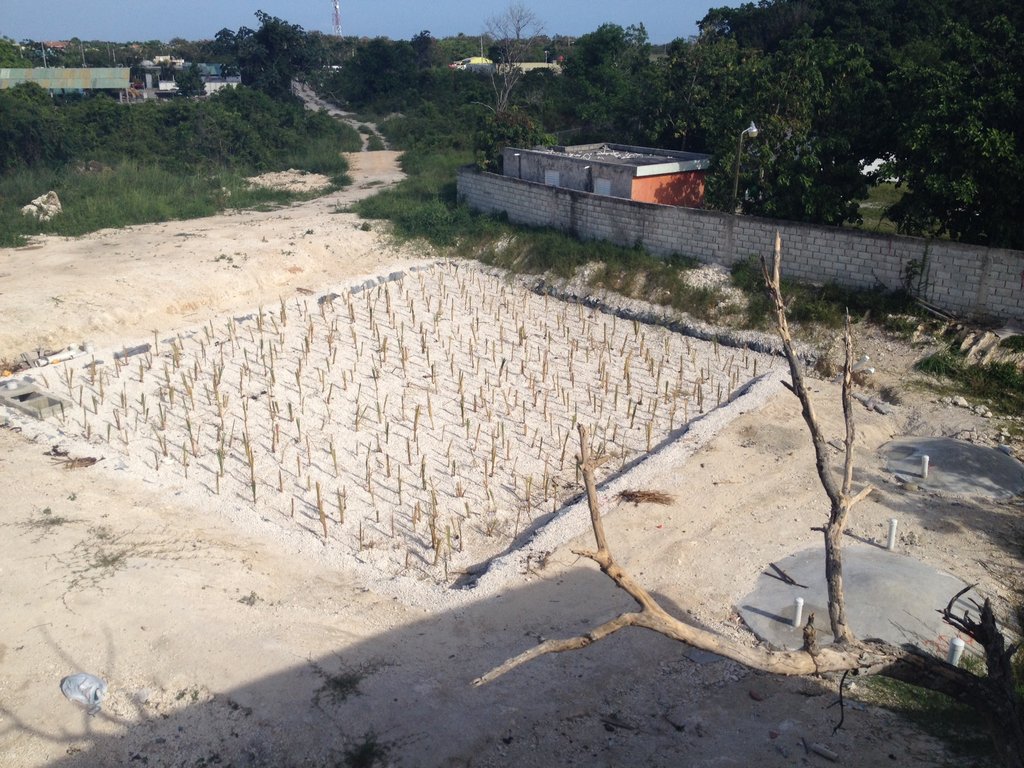
Excavation of the main sewer lines began on April 1st and was completed on April 14th with a 60 cm wide Vermeer trencher. In total, 322.05 linear meters (231.88 m3) were excavated for the main sewer lines. The geotextile liner was installed on April 7th and 8th on the bottom of the constructed wetlands to prevent any leakage in the wetlands treatment area. After the liner was installed the wetlands area was filled back in with gravel measuring ¾ of an inch and 1 ½ inches (in total 197 m3 of ¾ inch gravel and 36 m3 of 1 ½ inch gravel were installed in the wetlands). Due to equipment constraints, filling in the wetlands with the gravel had to be done manually, with wheel barrels and shovels, thus this portion of the project lasted approximately two weeks. Simultaneously, workers from the community installed the main sewer lines and refilled the trenches with the material the trencher had removed.
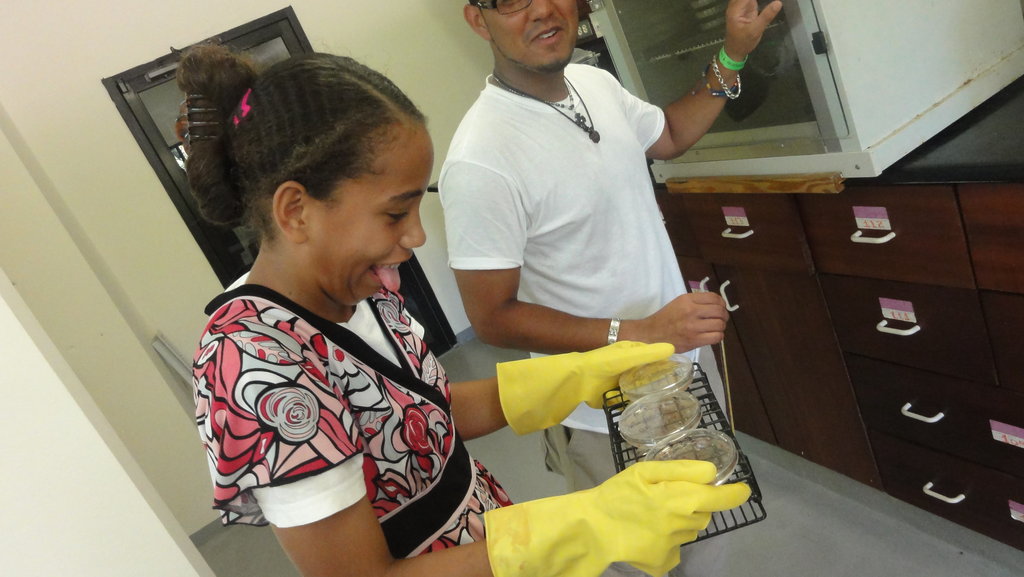
The month of May 2014 was primarily dedicated to excavating the ancillary services lines with jackhammers and connecting the bathrooms to the system. Community members were responsible for paying for the necessary labor to connect their toilets to the system, which most residents did. On May 16th a new Peace Corps volunteer arrived in Domingo Maiz to work with the community on the system’s oversight and maintenance as well as the implementation of the monthly quota, which each household is supposed to pay. By the end of May almost all of the houses in the community were connected to the system and wastewater began flowing through the treatment system. On May 21st a group of Civil & Environmental engineers from the University of Virginia Tech arrived to carry out their annual community well water sampling, however, this year’s program also included a complete review of the system including initial water testing to quantify the system’s efficacy even without the plants.
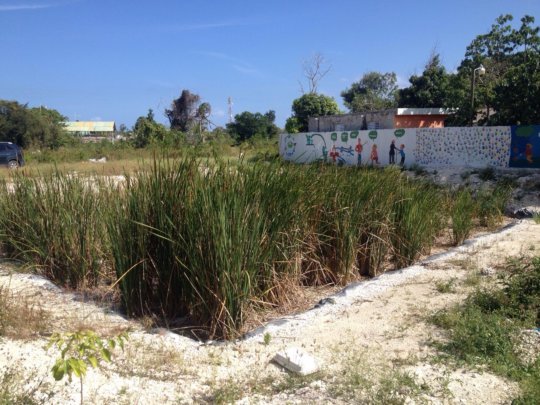
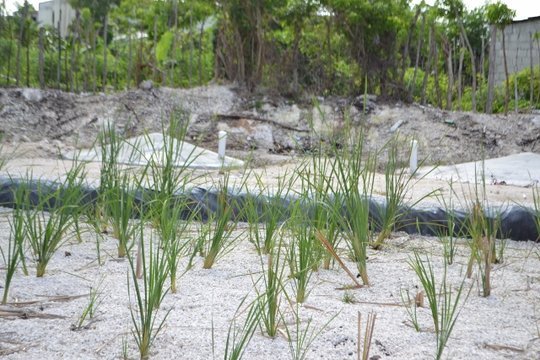
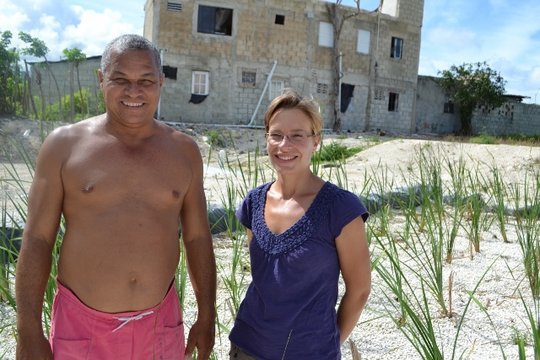
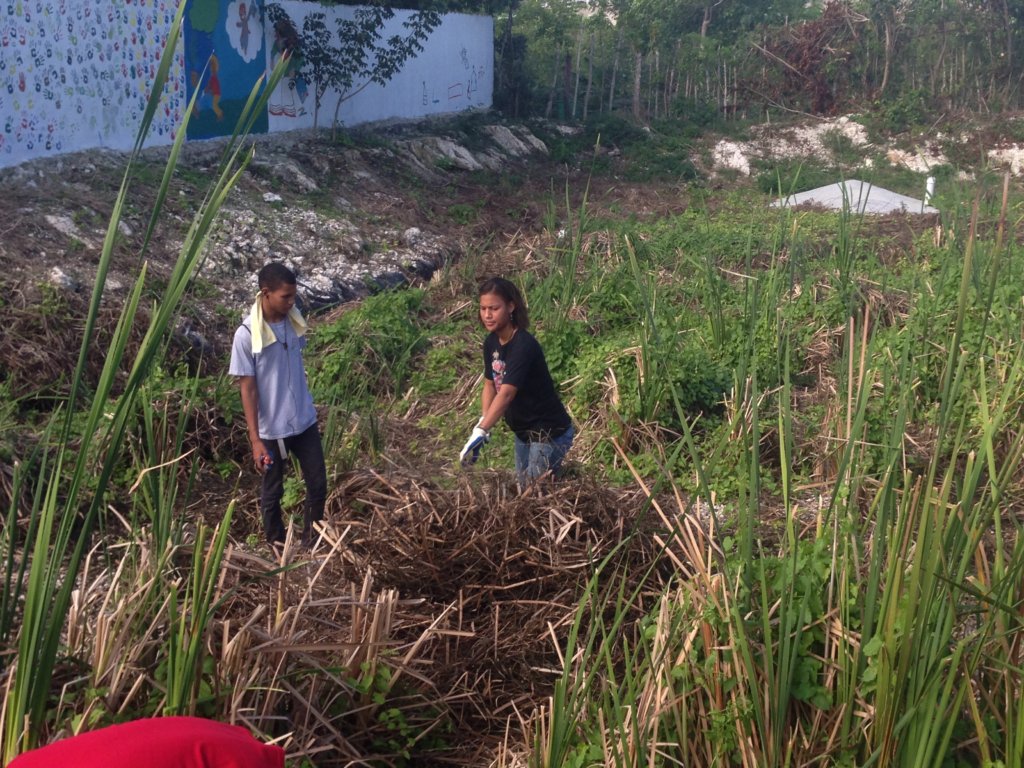
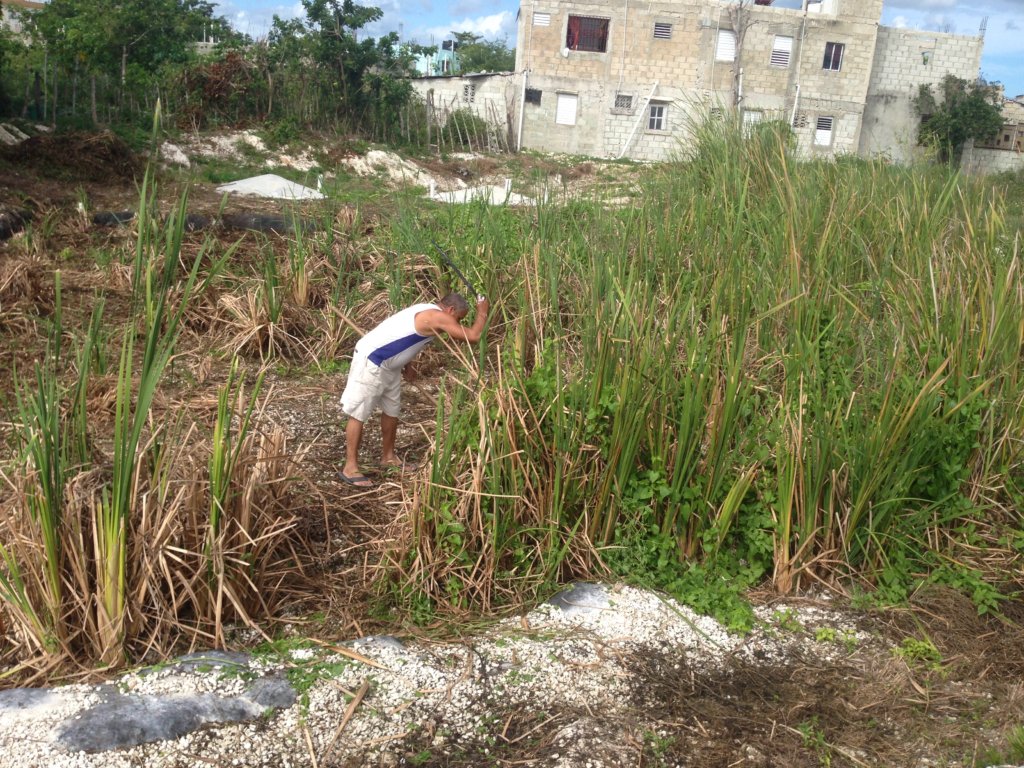
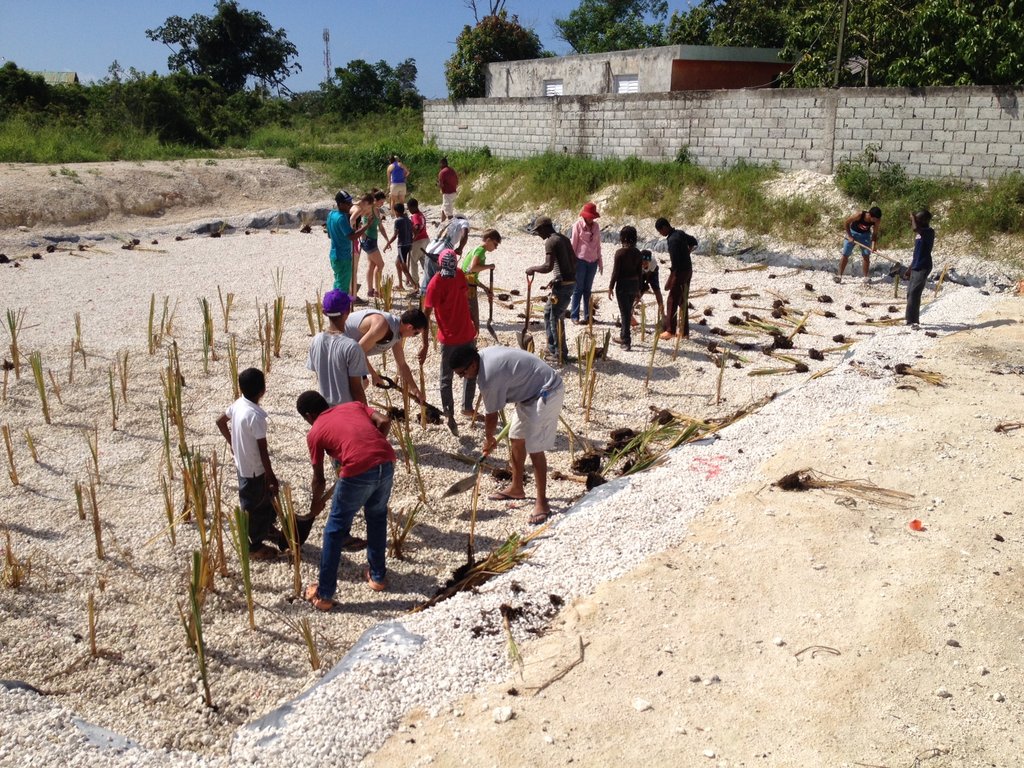
Finally on Saturday, June 14th, the community members of Domingo Maiz and volunteers from other organizations/communities all participated in planting the plants in the wetlands, symbolically and literally marking the end of the construction of the Fuentes de Vida wastewater treatment system.
Moving forward the Ecological Foundation along with its project partners in the Fuentes de Vida coalition will work with the neighborhood association of Domingo Maiz to ensure the system is operating correctly while simultaneously beginning preparations for the implementation of the potable water system in the community.
Project reports on GlobalGiving are posted directly to globalgiving.org by Project Leaders as they are completed, generally every 3-4 months. To protect the integrity of these documents, GlobalGiving does not alter them; therefore you may find some language or formatting issues.
If you donate to this project or have donated to this project, you can receive an email when this project posts a report. You can also subscribe for reports without donating.