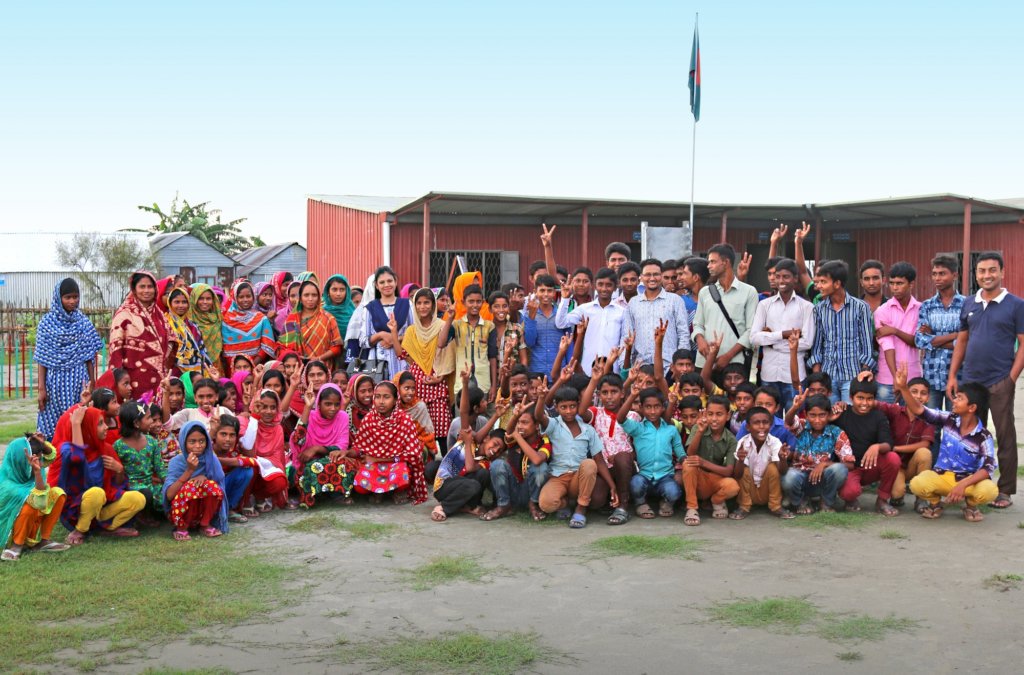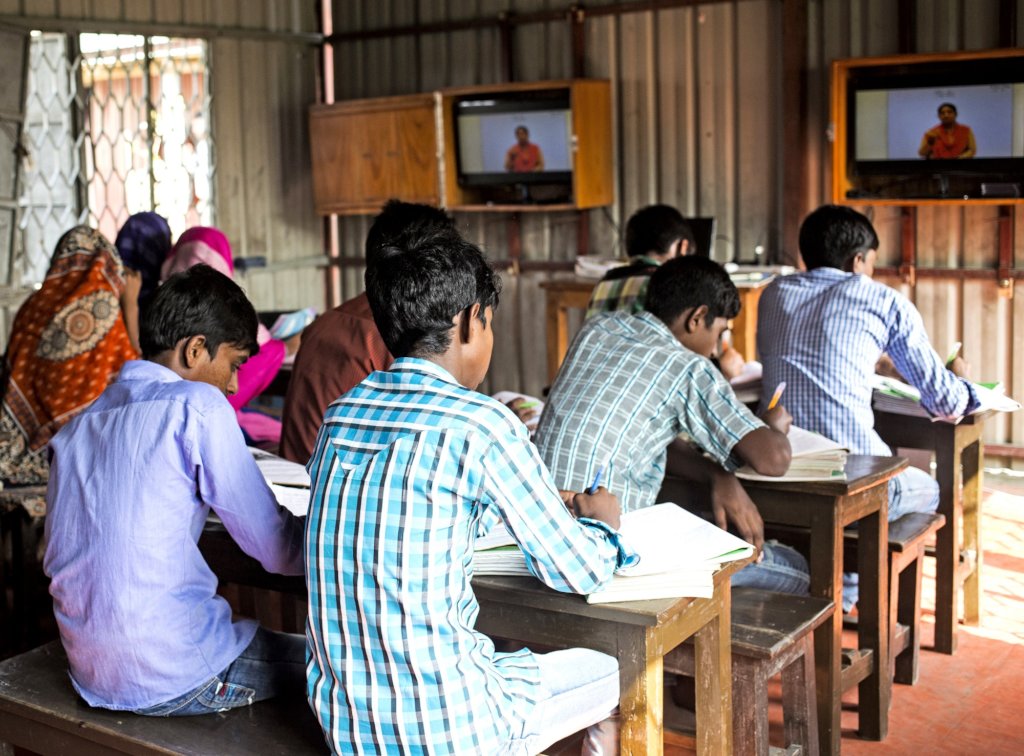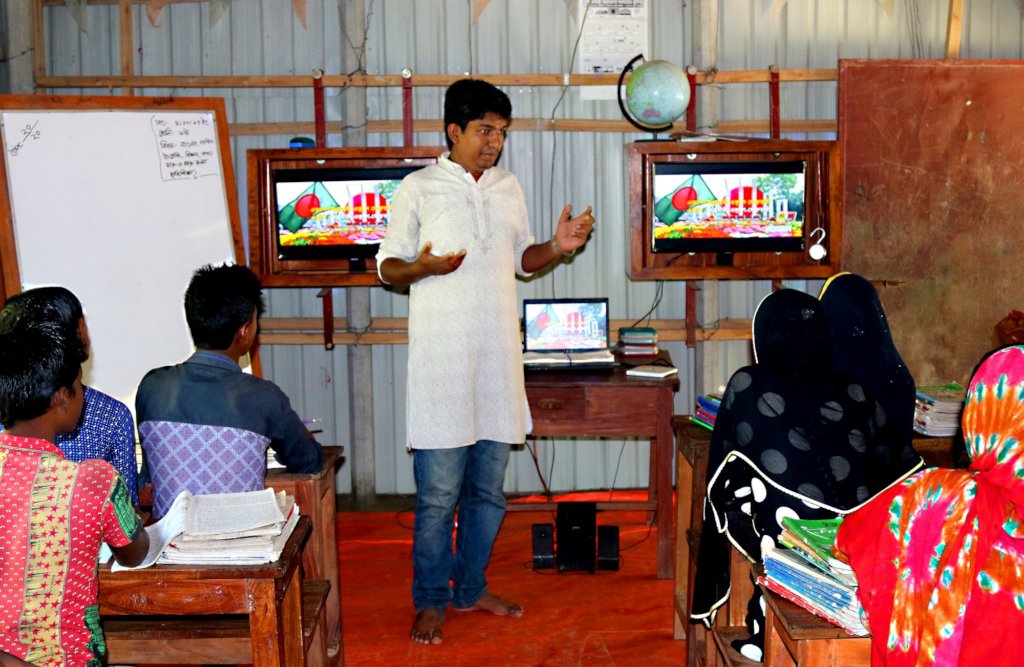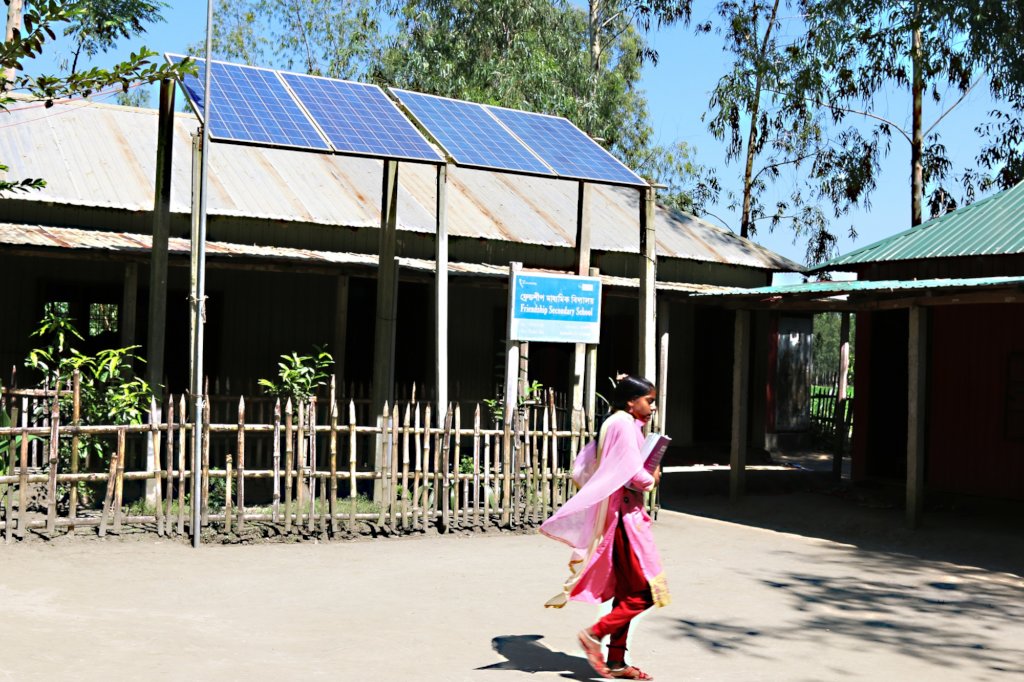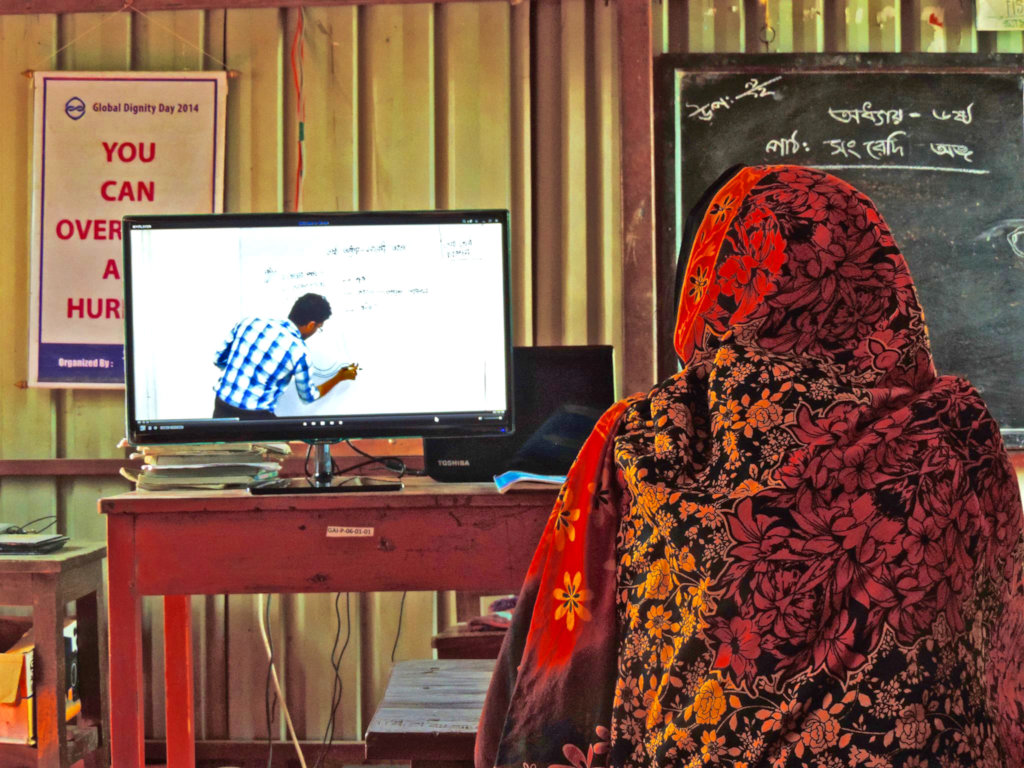
In the hard-to-reach river islands in northern Bangladesh, lack of access creates a situation in which educational institutions are extremely difficult to set up. Starting from 2014, Friendship has created 7 innovative ICT-aided secondary schools that have recently proven themselves with stellar results in a national examination. US$ 15,800 can support operation of a secondary school with a total of 40 students in 3 classes for a year. These students could otherwise not continue their education.
Bangladesh has many remote river islets far from built roads, homesteads and electricity. Among other things, the people of these areas have very little by means of education. The problem is that not only are schools hard to set up, teachers are even more difficult to find and relocate to these areas. The challenge therefore is to bypass the geographical isolation and lack of educators by using technology and out-of-the-box thinking that yield real results.
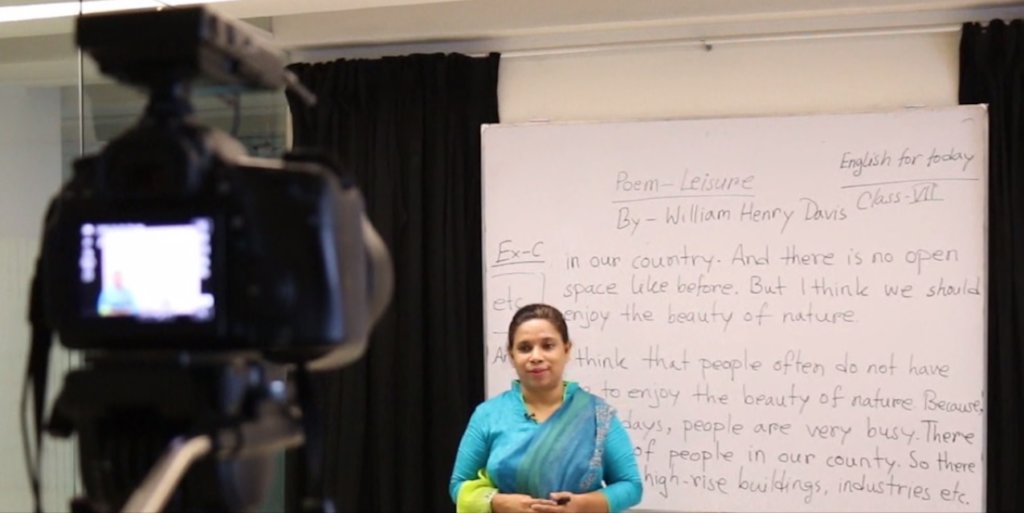
Friendship has created a unique, innovative education solution to the lack of accessibility in rural areas. Using digital media, computers and solar panels, this ICT-aided solution puts lessons that are pre-recorded by the most qualified teachers from reputed schools in Dhaka, the capital, right at the fingertips of the students. More importantly, this has proven itself spectacularly making it a viable, successful solution to this problem.
Friendship's 7 ICT-aided secondary schools have recently proven to be extraordinarily successful, with all 56 students not only passing their Junior School Certificate (JSC) exams, but 98.2% scoring an outstanding A/A- grade, putting them well above the national average, where the pass rate stood at only 85 % for the 2017 exam.We are hoping to repeat this success to see a formal, comprehensive, competitive education for every child regardless of their geographical location or financial standing.