By GEOFFREY ANGUYO | PROJECT LEADER
The urban poor refugees and host communities in Arua City in represent a large portion of the population of the City, yet little is documented about their livelihoods. There is a whole wide range of the livelihoods present among the population of the urban poor and the context in considered which they exist, that forms a foundation for future programming.
Six different livelihood strategies were identified and described: Non-poor Casual Laborers, Poor Casual Laborers, Non-qualified Salary, Qualified Salary, Vocation or Services, and Petty Traders and Street Vendors. Each of the livelihood strategies identified held vulnerabilities. Vulnerabilities include land tenure issues, malnutrition monitoring, gender based violence, insecurity and poverty. Unhygienic and unsanitary practices further expose them to infectious diseases that in one way or the other get worsened by the prevalent low social economic status.
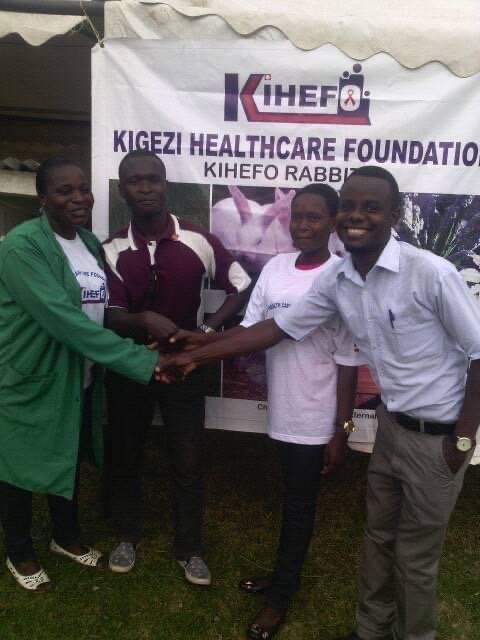
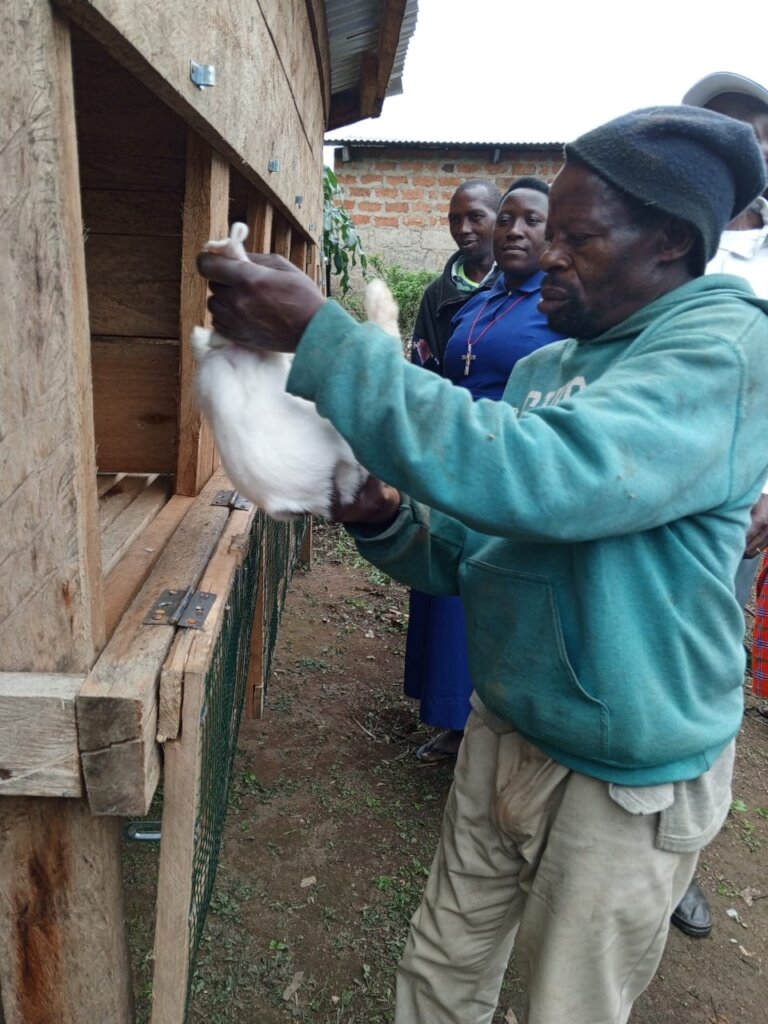
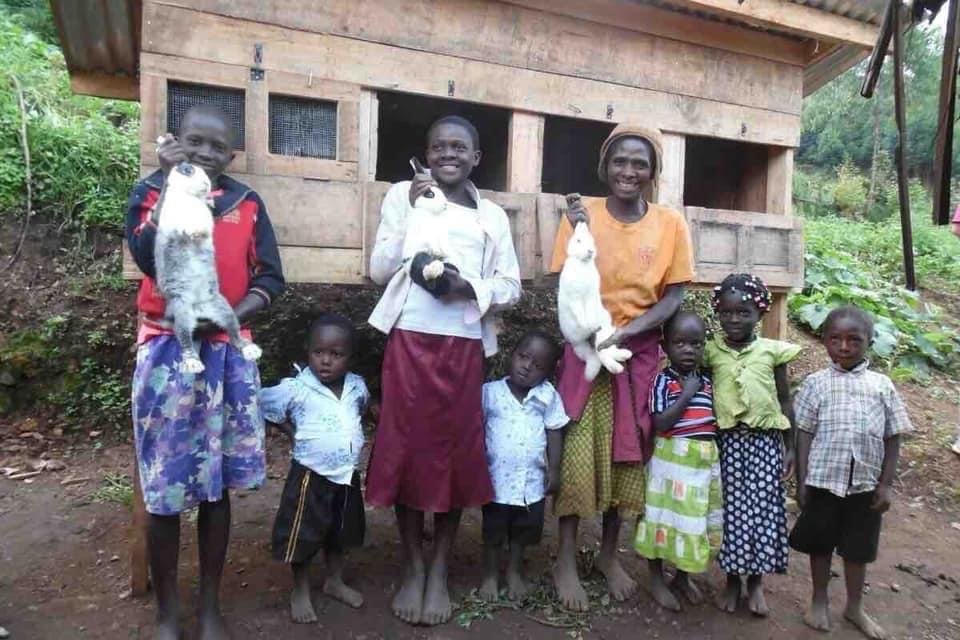
About three months ago, women led groups and refugees among the poor urban communities were taken through simple sessions where they were taught about rabbit keeping. This was well received and a means to raise them from the biting jaws of poverty. So Kigezi Healthcare Foundation under it's rabbit keeping program provided mini breeding centers. Two mini breeding centers have been established in different communities to serve the different refugees and host communities groups and this will reach out to a minimum of 53 families that will impact a minimum of 334 people. These breeding centers will provide the different groups with rabbits of better breeds where each family received two female and one male that will help her start a rabbit farm. We are now connecting these groups to the different market companies. Further more, we are engaging the community to establish a community based clinic with a community insurance component where people will pay their premium with rabbits. 10 rabbits will pay premium for one year and a family of five people will contribute 50 rabbits and one female rabbit produces an average of 60 rabbits in a year. This is viewed as a means to improve the general health of such a community . We thank our dedicated donors who have tirelessly contributed to this project.
Project reports on GlobalGiving are posted directly to globalgiving.org by Project Leaders as they are completed, generally every 3-4 months. To protect the integrity of these documents, GlobalGiving does not alter them; therefore you may find some language or formatting issues.
If you donate to this project or have donated to this project, you can receive an email when this project posts a report. You can also subscribe for reports without donating.



Support this important cause by creating a personalized fundraising page.
Start a Fundraiser