By Shen Maglinte | Deputy Executive Director
Restoring Production Work
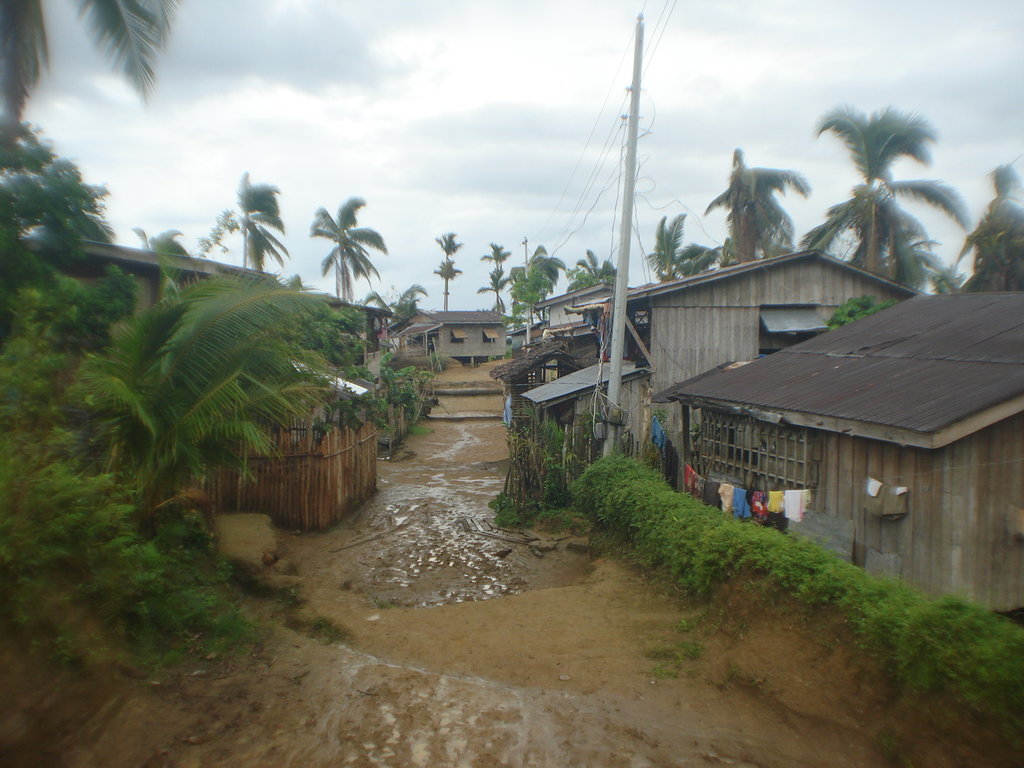
In our last update, the project partners set to bounce back after being hit again by super typhoons Senyang and Ruby that struck Tolosa Leyte last December 2014 days apart from each other with a fury resembling the deadly windspeeds and storm surges of Yolanda. Undeterred , survivors wasted no time and restored damaged garden plots and common production areas ravaged by massive typhoon-borne floods. SIBAT doubled time in assisting survivors through follow up trainings, distribution of new vegetable seeds and ground technical advisory work. Finally, the project partners are reaping their hard-won produce. Food continues to be on the families’ table. Some surplus produce are sold. Now, family supplemental income starts to trickle in.
To date, family gardens are getting an average of half to one kilo per week of leguminous crops such as beans primarily for household consumption. Fruit bearing crops such as tomatoes, eggplants, ladies’ fingers, squash, bottle and bitter gourds are consumed at the household. But some extra kilos of produce are also being bought by some community households. Consumers from adjacent barangays start coming in and buy their supply from the producers.
Becoming Part of the Value Chain
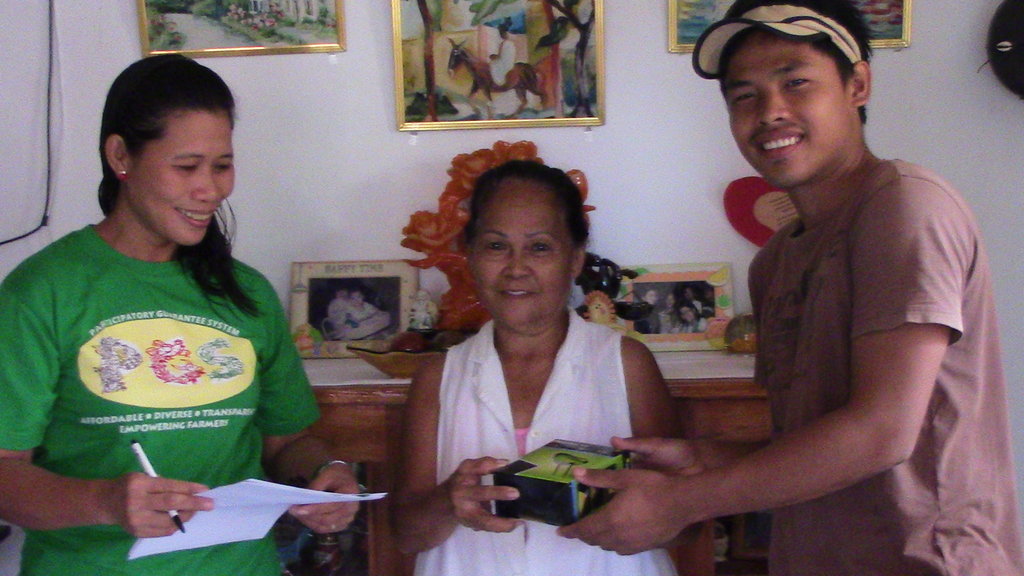
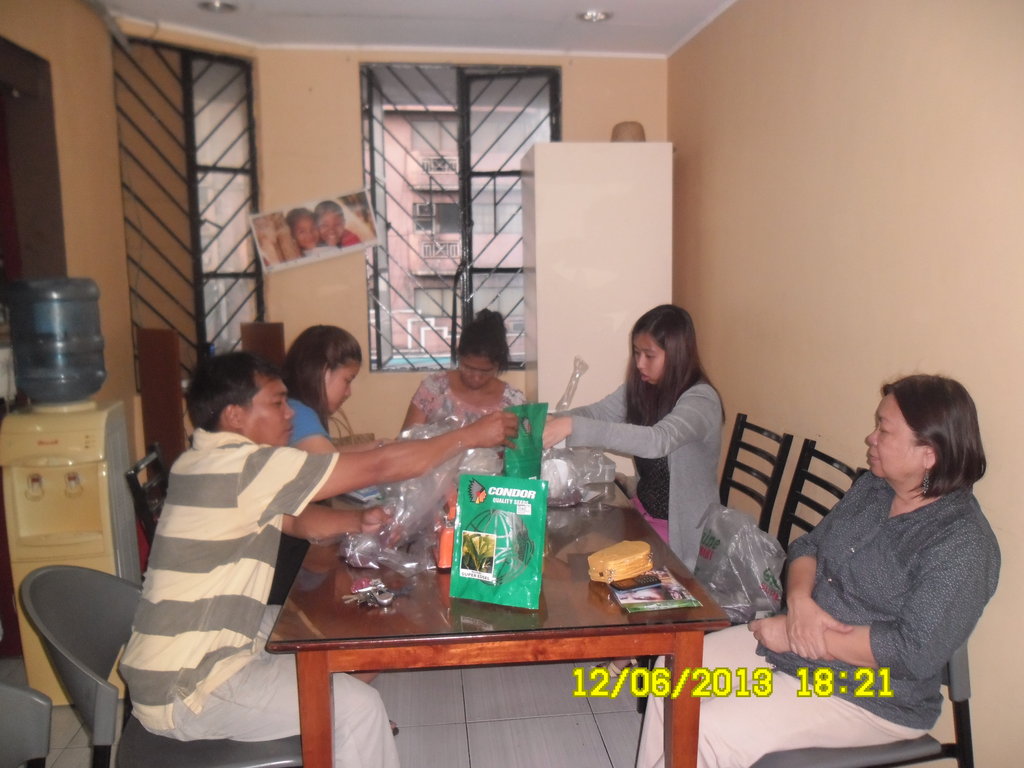
The food production campaign meant to build self-sustenance after food relief would run out in the immediate aftermath of Yolanda created a significant chain in the local food supply. The local government lent their support by rallying constituencies to be active participants of the food production campaign initiatives and availing their facilities for trainings and workshops on sustainable farming. Adjacent barangays, inspired by the example plan to replicate the program in their own jurisdictions and sent representatives to follow- up trainings conducted by SIBAT on sustainable food production as a start.
Climate Attuned Agricultural Practice
Aside from overcoming the odds of the recent typhoons, the long dry spell in the recent summer months threatened veggie production and recovery efforts. The intense high temperature dried up soils and water sources dwindled and becoming insufficient for crop needs. This is where sustainable agriculture technologies beat the challenge. Open pollinated seeds used as opposed to the hybrids applied with biofertilization managed to survive and bore fruit despite reduced soil moisture. Foliars made of bio- decoctions aided by indigenous micro-organisms creating fruit-plant juices and emulsions serving as plant conditioners helped maintain robust plant growth. The use of bio-fertilizers particulalry "bokashi", a Japanese biofertilizer type combining carbonized rice hulls, rice bran, cow manure sprinkled with indigenous microorganisms decoctions for rapid decomposition augments soil fertility. These ingredients reduced the high vulnerability of the crops to low productivity and have strengthen their physiological structure to withstand the vagaries of intemperate local weather conditions.
Important Tool To Rebound From Disasters
This experience attested to the viability of some of the principles of sustainable farming methods as regards adapting to climate change and the hostile shocks of its effects especially in securing the primary food needs of victims. By now, the survivors who were farming during pre-disaster practices using chemical methods have seen the benefits and advantages of the organic or sustainable farming practice. Their acquired knowledge and skills have become important newly acquired tools which they can apply and innovate in any given post-disaster conditions especially that they lie in a typhoon belt area . Hence this new knowledge and capacity also boost their sense of security and confidence to build back from the rubbles of any disaster that may crash them. Definitely this will be more effective if done collaboratively with other groups and organizations.
At this point SIBAT will continue to intensify its technical advisories on the pilot communities with organized vegetable growers association such as the (1) The Vegetables Growing Association in Brgy. San Roque Tolosa with 43 active members (2) The Quilao Organic Farmers Association (QOFA) in Brgy. Quilao, Tolosa with 20 active members(3) The Magsasakang Gulayan ng Brgy. Cantawiris (MGBC) with 23 active members and the (4) Tolosa Organic Farming Association (TOFA) with 25 active members
Moving to Social Enterprise
In the last update, the communities are preparing to level up production and plans to create surplus for the market. They plan to engage themselves towards social enterprise by selling their produce in conjunction with other partner organizations organizing a local trading and marketing support. Currently, the producing communities are working on the legal requirements to make their endeavors official.
Solar Powered Water System Installation Underway
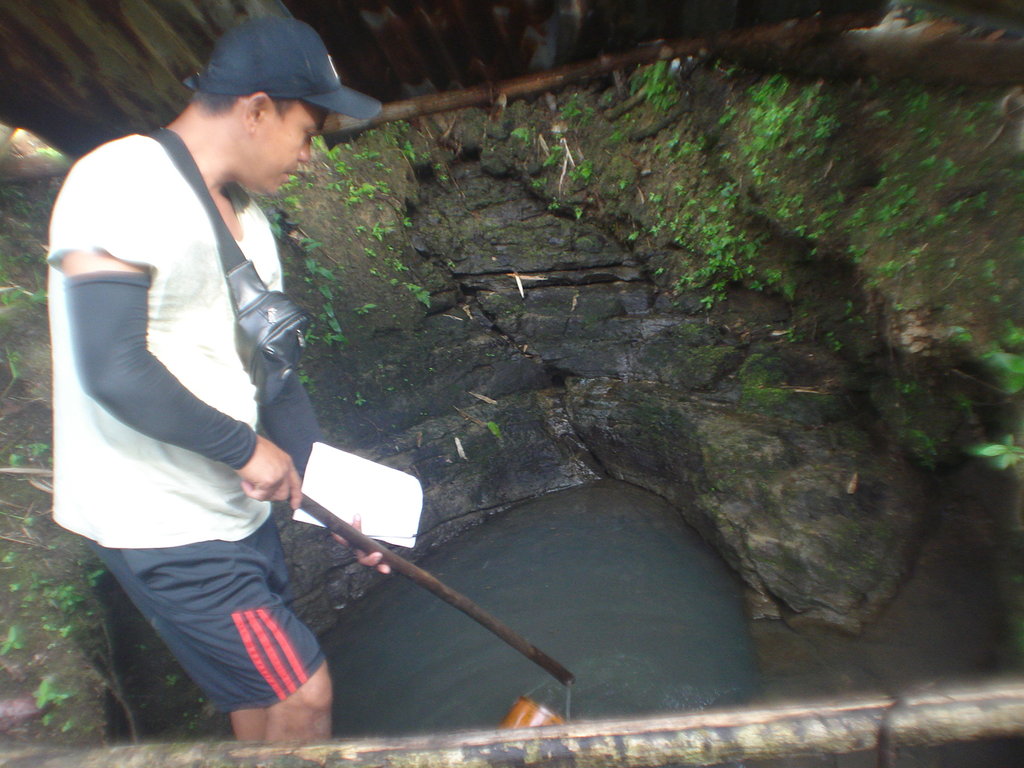
A solar powered water system to be installed in Baranggay Cantawiris is still on-going. This is part of the renewable energy-based water rehabilitation system for potable and domestic use. Social preparations is continually undertaken especially orientation on solar water pumping system and developing a community-workplan that will involve community members in the implementation of the project.
Through this, we hope the initial steps and capacities undertaken will continue to equip the survivors with the capacities and opportunities to stand on their feet again.
Project reports on GlobalGiving are posted directly to globalgiving.org by Project Leaders as they are completed, generally every 3-4 months. To protect the integrity of these documents, GlobalGiving does not alter them; therefore you may find some language or formatting issues.
If you donate to this project or have donated to this project, you can receive an email when this project posts a report. You can also subscribe for reports without donating.