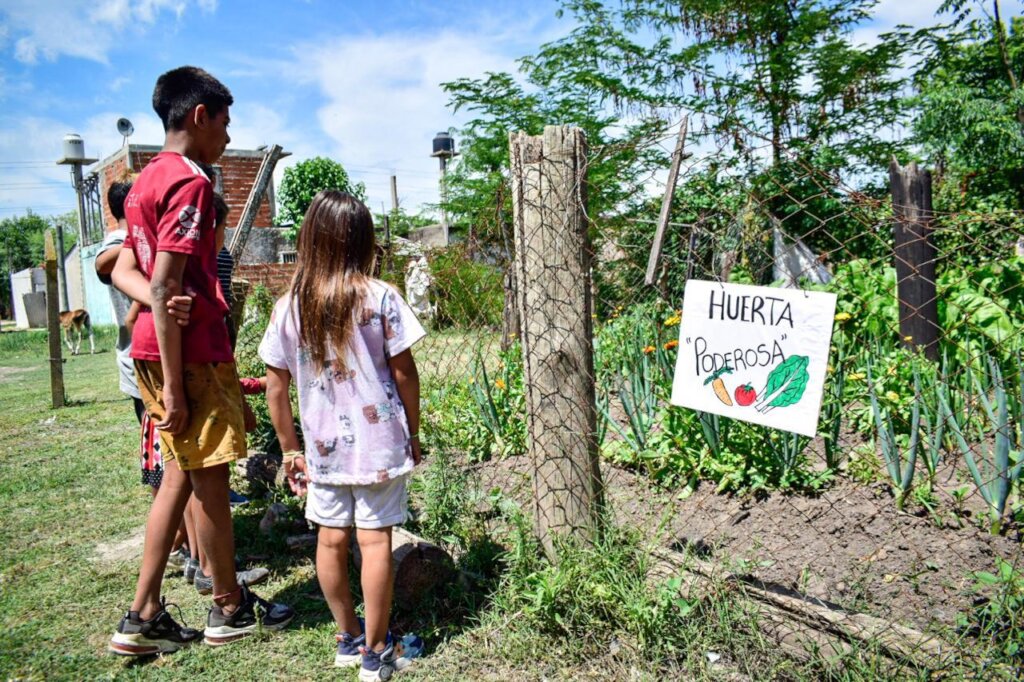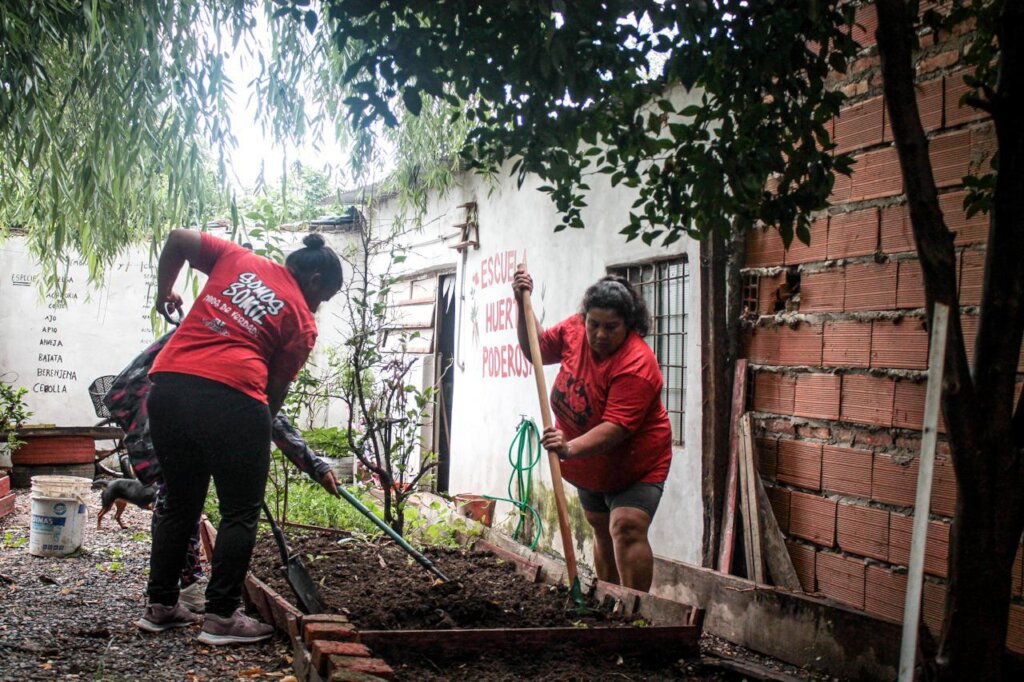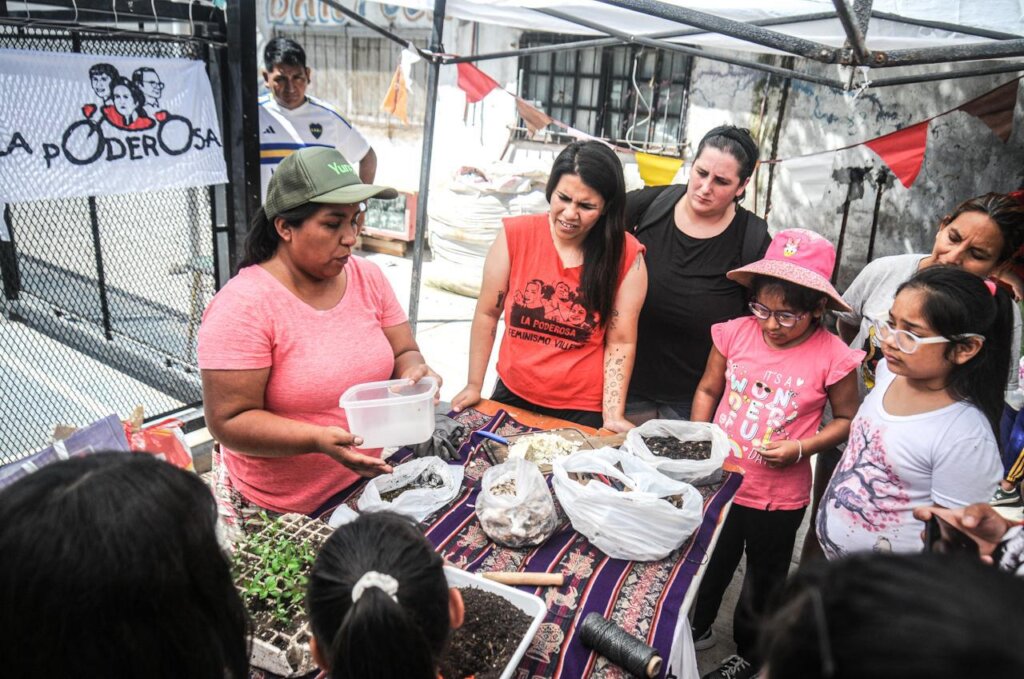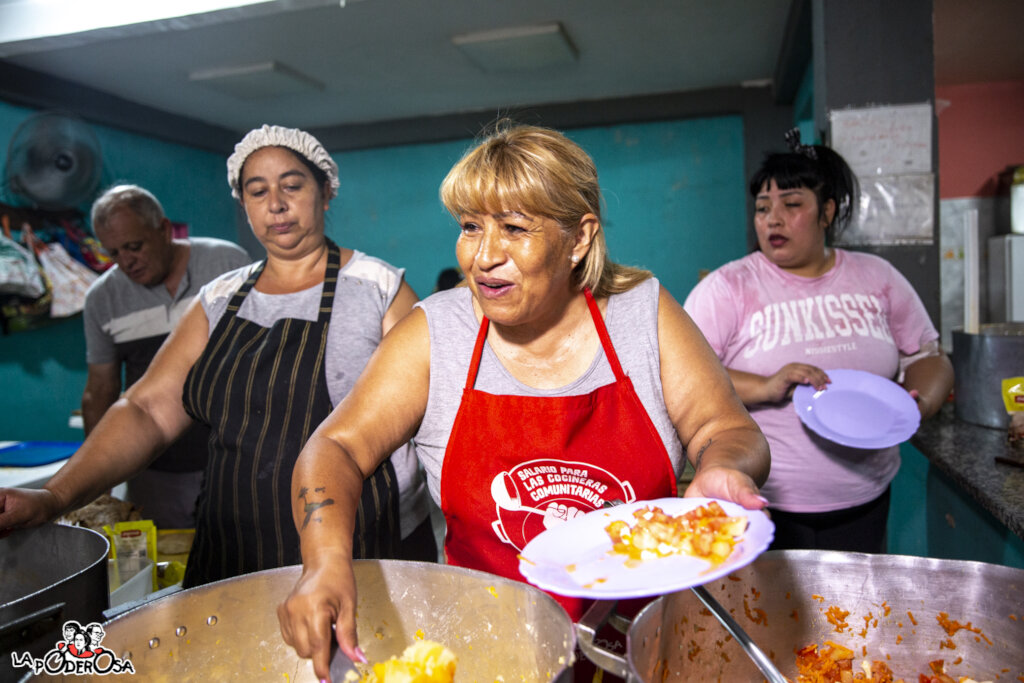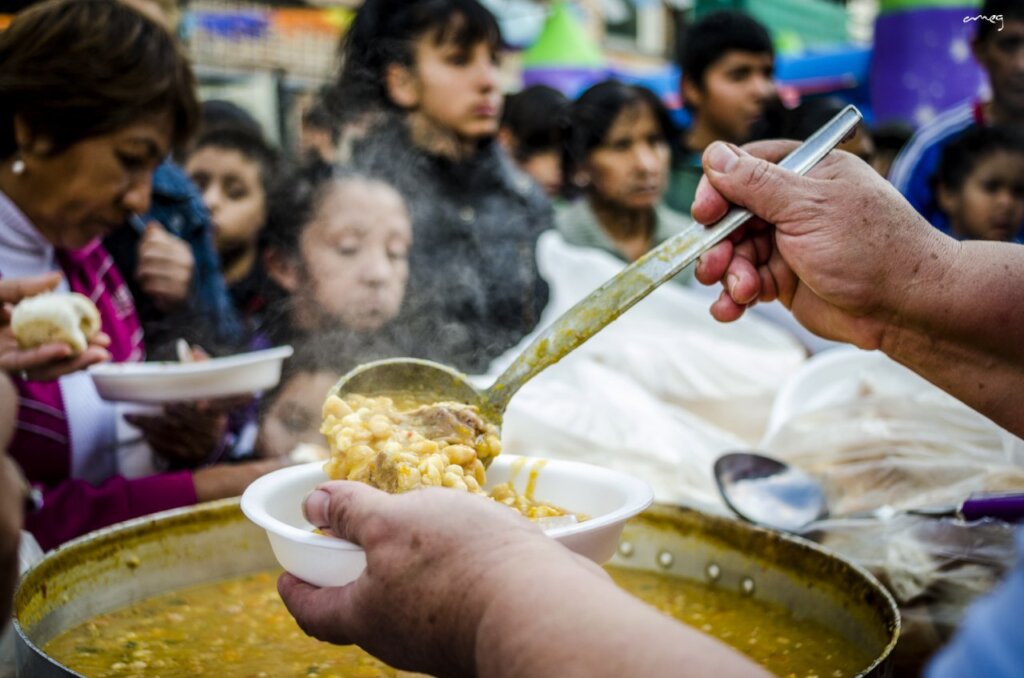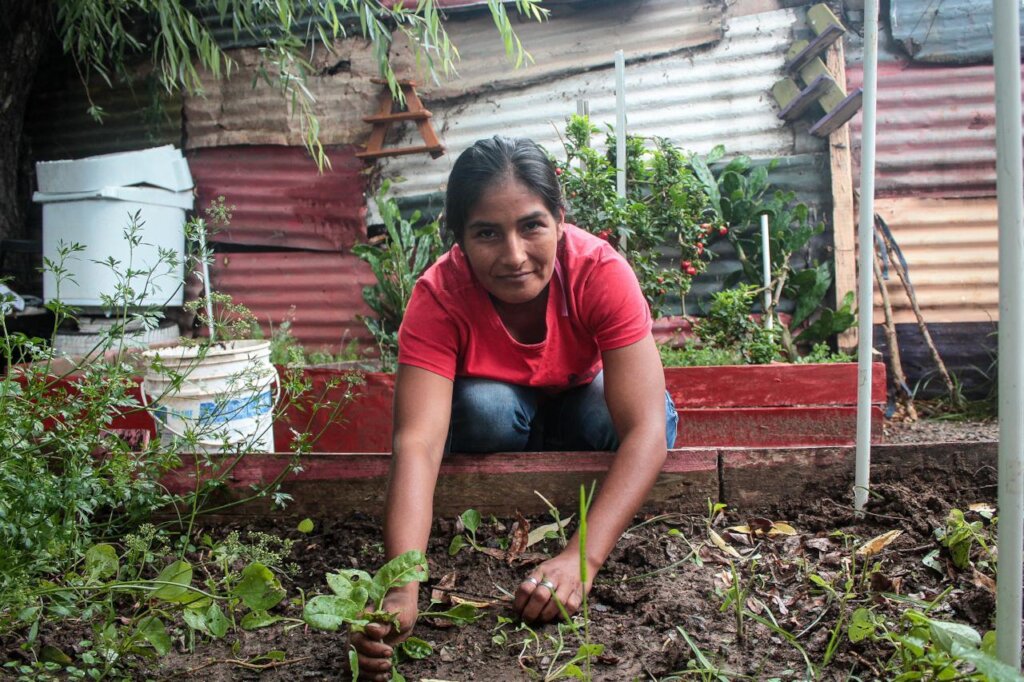
The project promotes 20 organic community gardens and chicken coops in low-income neighborhoods across several provinces of Argentina as a strategy to improve nutrition and generate employment. It enhances the nutritional quality of food served in community kitchens and generates income for participating families through the sale of eggs, vegetables, and fruit, thereby strengthening the community network. It combines access to nutritious food with economic independence.
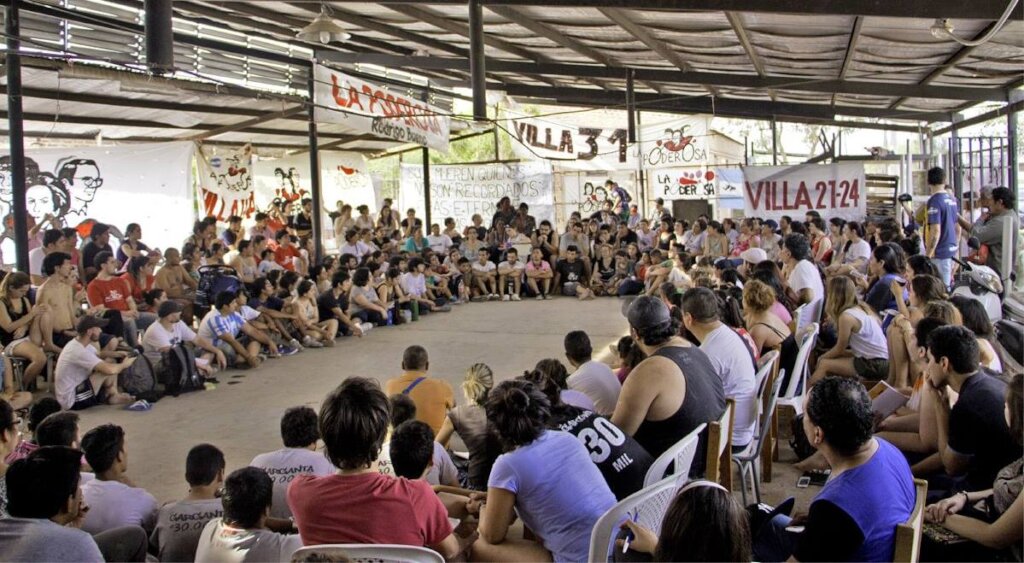
1. Access to sufficient, high-quality food, free of pesticides, to ensure family nutrition. 2. Limited income for participating families due to unemployment and precarious work. 3. Creation of short supply chains to lower selling prices. 4. Environmental protection through a reduced carbon footprint and increased awareness of food sovereignty. 5. Social cohesion through community gatherings and collective work.
Seventy percent of the production will be allocated to supply 20 community kitchens, impacting daily spending on vegetables, eggs, and fruit. Thirty percent will be sold by participating families at farmers' markets and greengrocers, generating family income. The project will emphasize cultivation methods and techniques that respect the natural cycles of the land and the use of native seeds. Community and cooperative work will be promoted, along with awareness of healthier living.
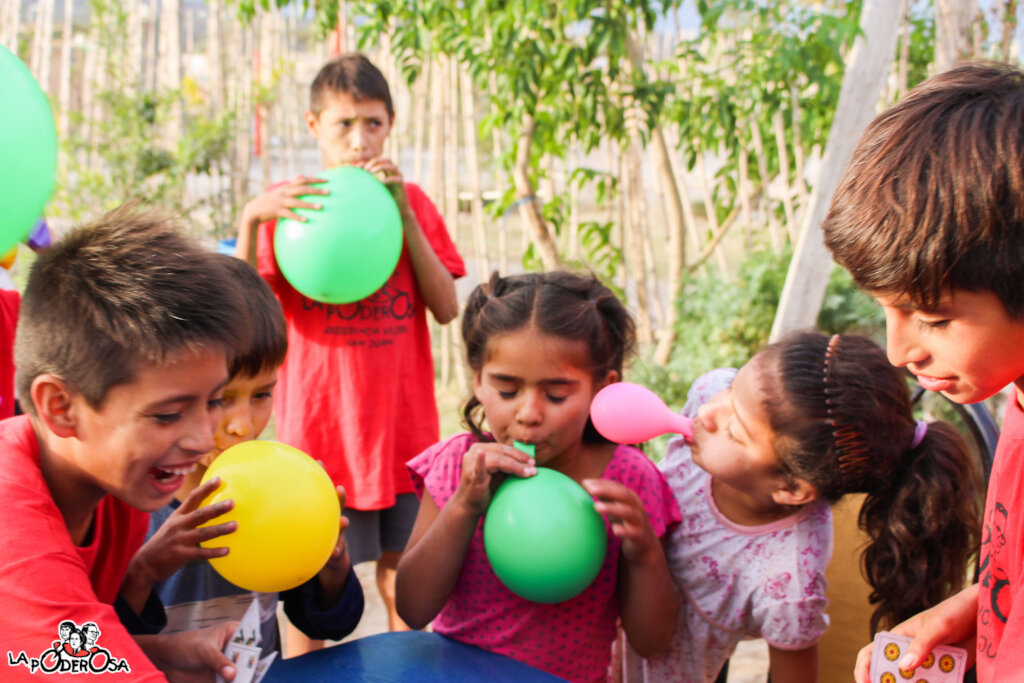
Economic autonomy through the generation of sustainable income from the sale of organic food. Availability of fresh and nutritious food for families and community kitchens. Improved functioning of community kitchens. Children and adolescents adopt healthy eating habits and develop an awareness of local food production. Incorporation of self-managed agroecological production methods at the local level, and replicable practices in other low-income neighborhoods.
This project has provided additional documentation in a DOCX file (projdoc.docx).



Support this important cause by creating a personalized fundraising page.
Start a Fundraiser