By Chris Coats | Executive Director
In Cambodia, the rhythm of rural life is dictated by the agricultural calendar (the monsoon and dry seasons). Around 75% of Cambodia’s population lives in rural areas, and the vast majority of these households rely on agriculture as their primary lifeline.
While many farmers practice subsistence agriculture, selling surplus crops is the primary way for rural families to earn cash. The money earned from farming pays for essential needs that can't be grown—such as children’s education, medicine, clothing, and reinvesting in the next season with seeds or fertilizer.
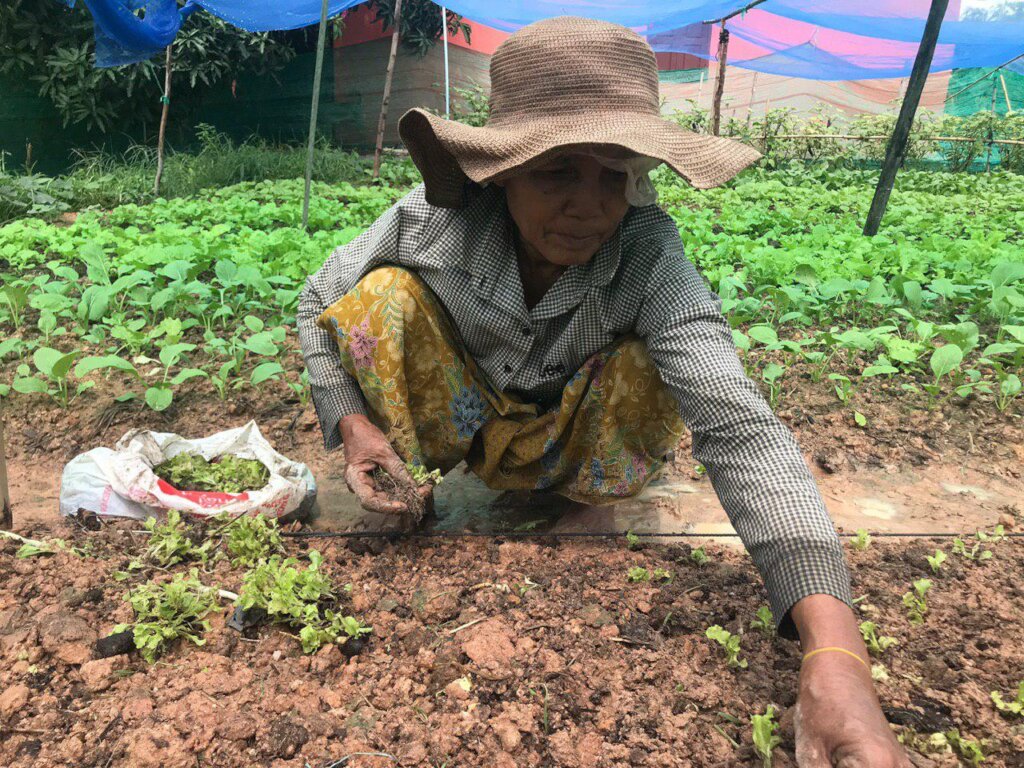
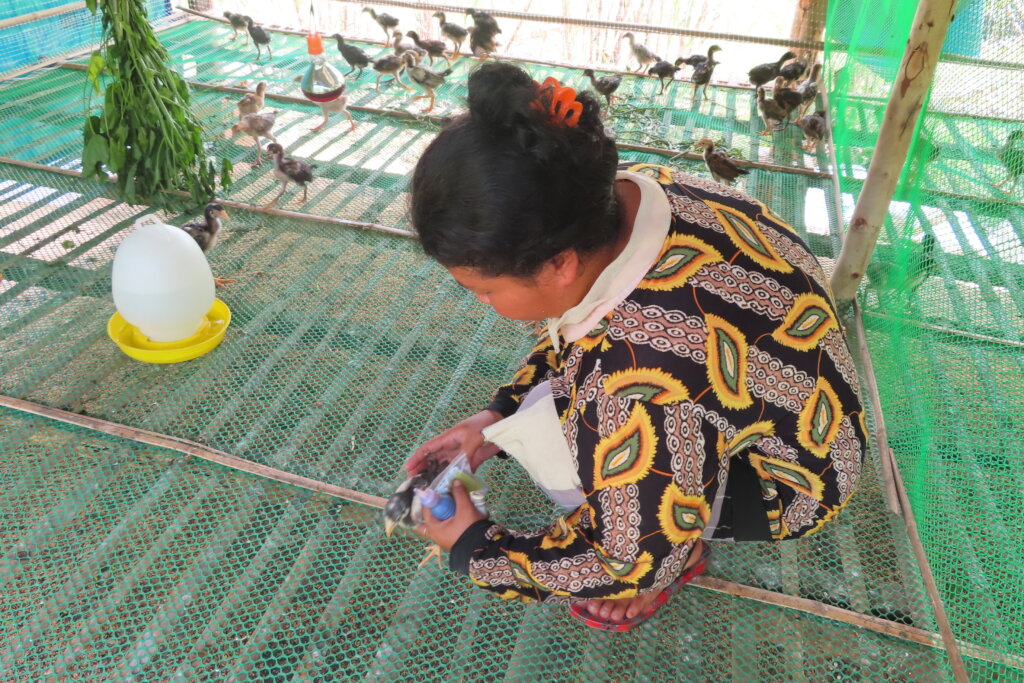
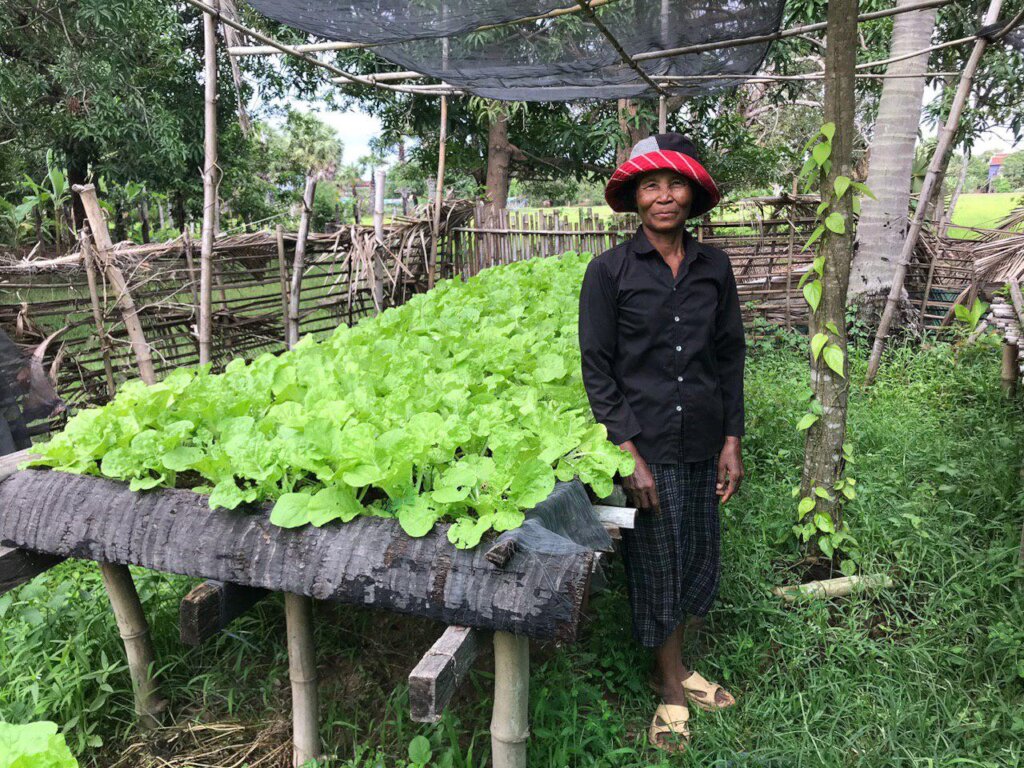
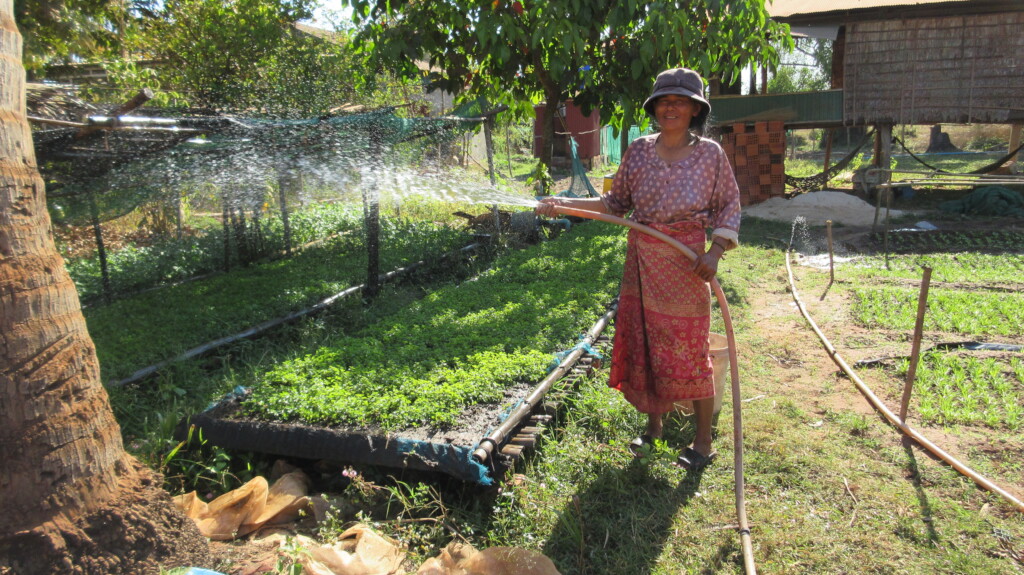
At it's most fundamental level, farming is about survival. Alongside rice, smallholder farmers often maintain home gardens and raise livestock (chickens, pigs and fish) to provide essential protein and nutrients to their daily diet. This is where Trailblazer's efforts provide much needed training that can enhance a farmers ability to have better food security, and perhaps earn a bit of income.
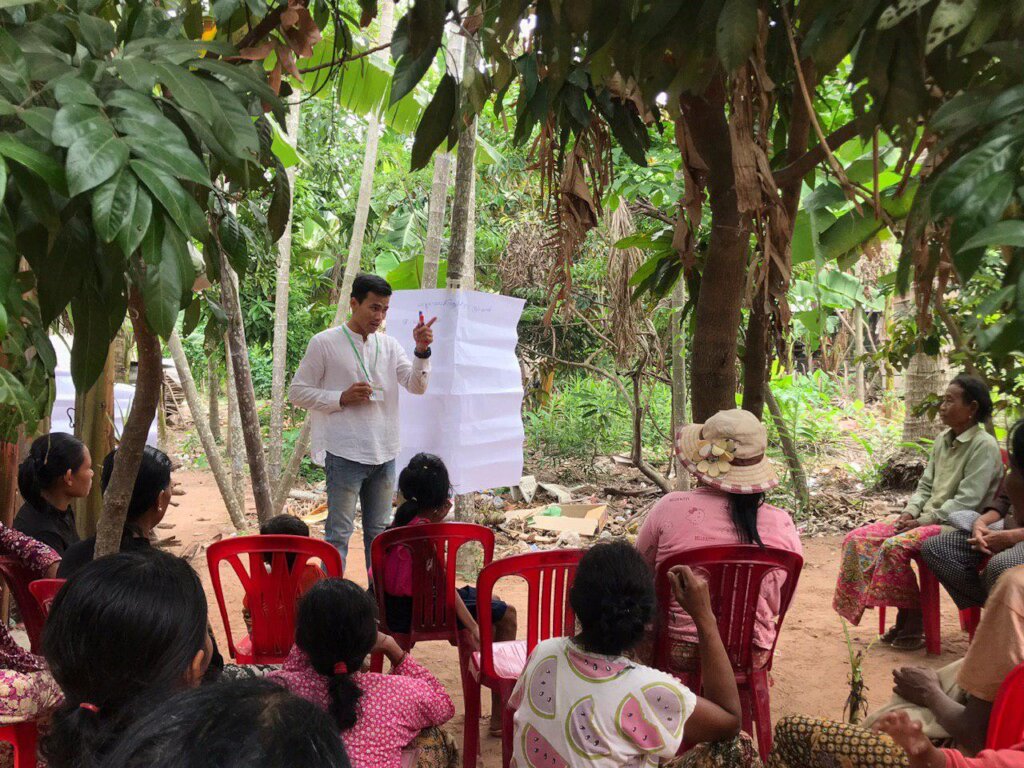
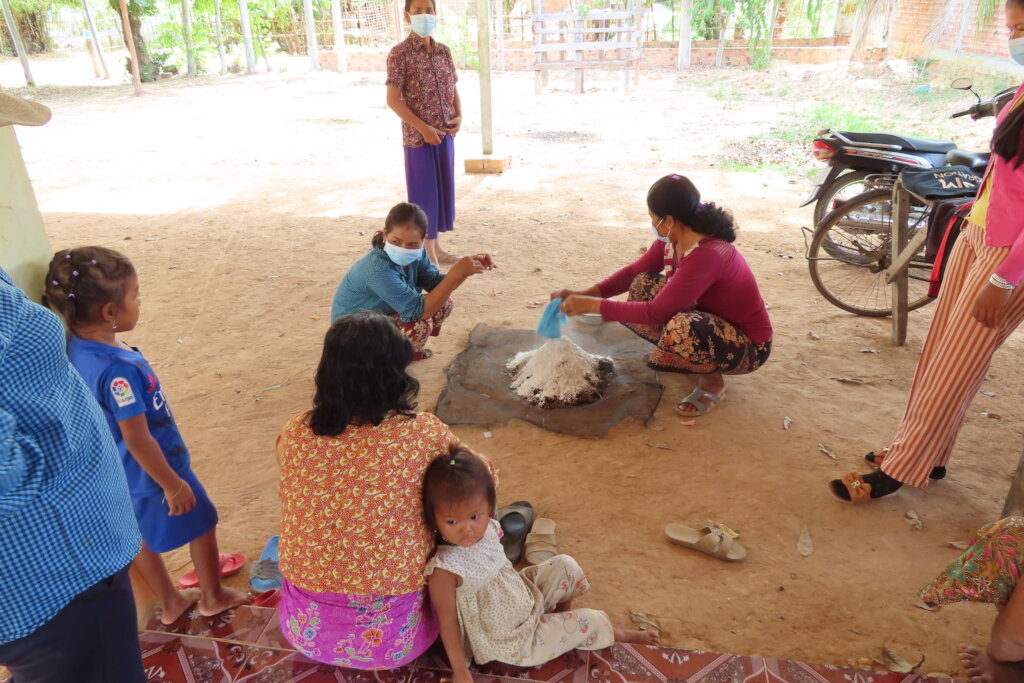
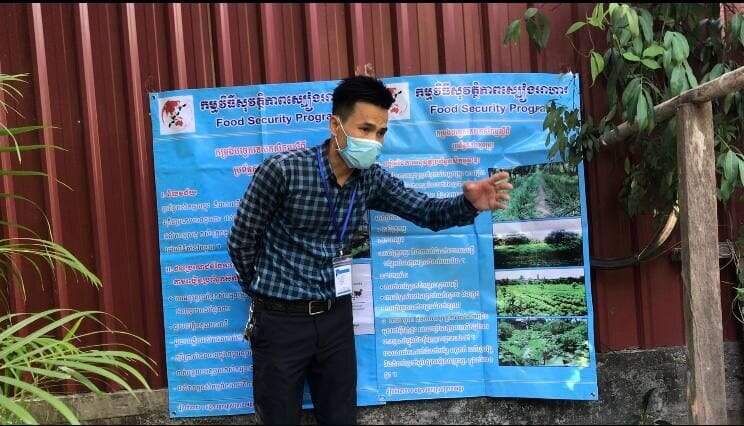
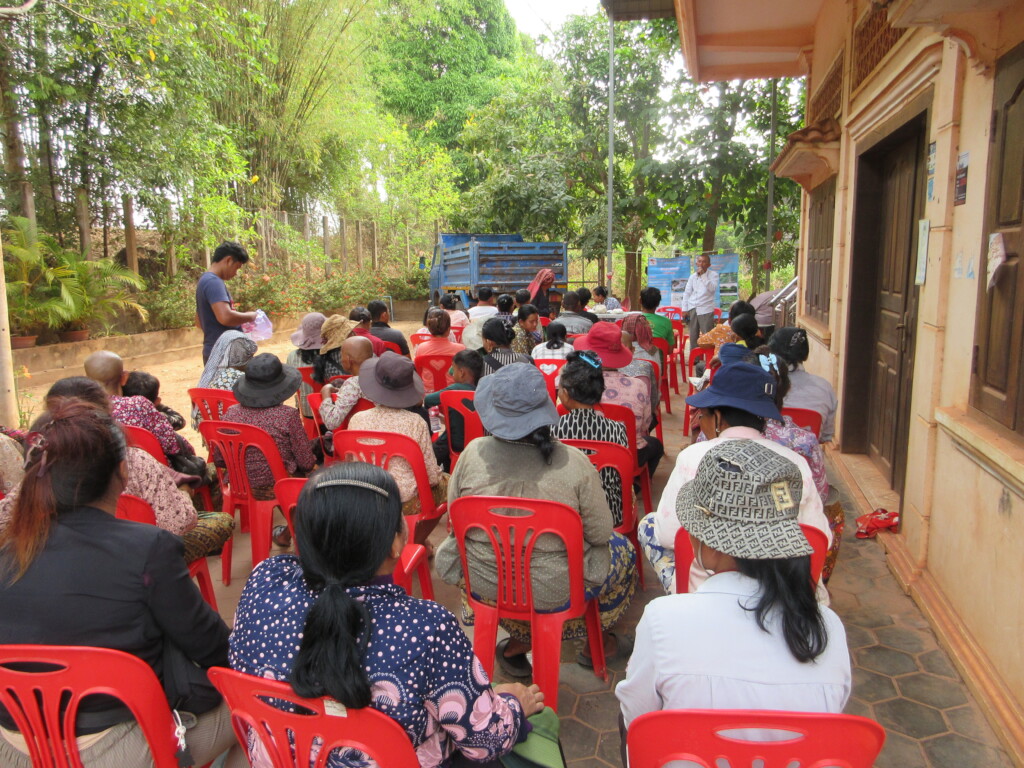
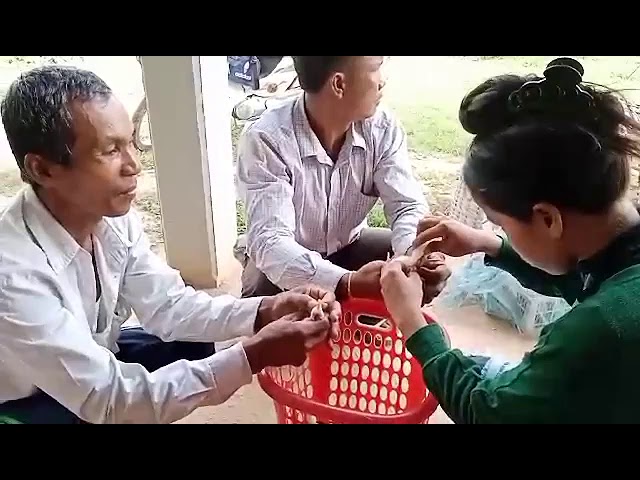
Below is one report from Trailblazer's Agriculture Supervisor, Han Sin, who conducted training for farmers in Thlok Kambot Village, Ballang Commune, Run Ta Ek City, Siem Reap Province. The number of farmers who participated included 17 males and 14 females. The estimated number of beneficiaries is 155 persons, which consists of the farmer and their family members [based on an average family size of 5 persons].
I. Objectives of the Training
To reduce the malnutrition of families by encouraging the cultivation of and eating vegetables that are nutritious with iron, zinc, folic acid, vitamin A, vitamin C
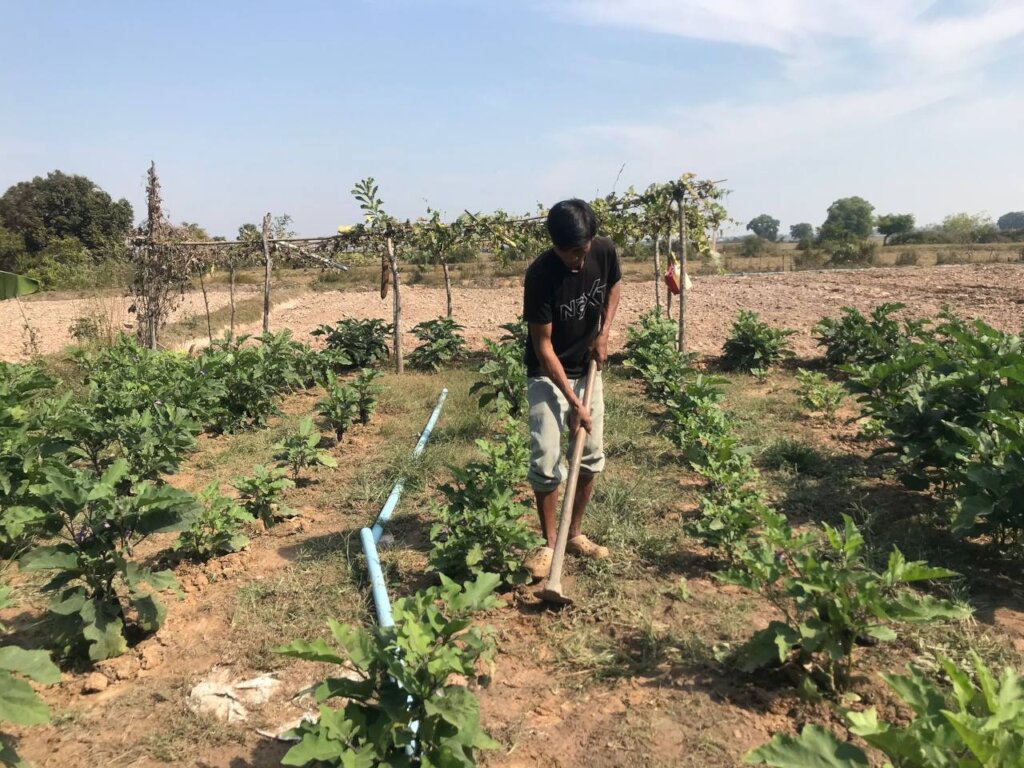
To learn about and understand vegetable growing techniques to apply to their farming, and the potential for increased income.
II. Training Course Content
III. Training process
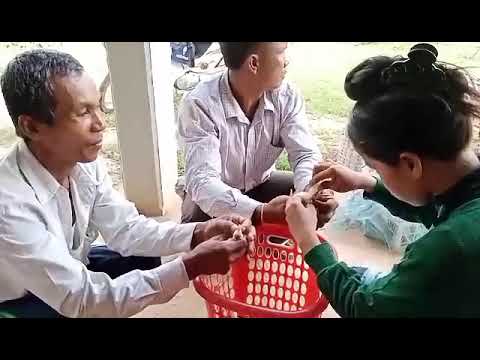
Han Sin introduced himself and Trailblazer’s project to the participants. Next, he explained the reason and objectives of the meeting and started the training process on the following categories:
Discussion also covered vegetable growing techniques, maintenance, use of fertilizers for crops, and measures to control pests on crops.
IV. Expectations after the training
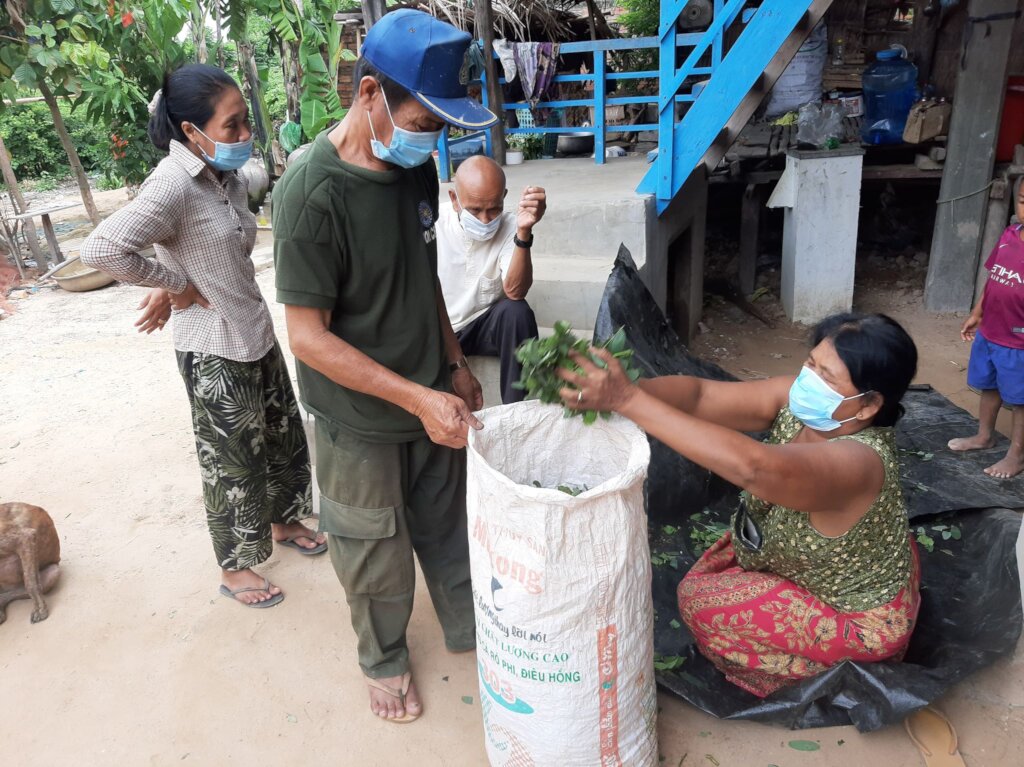
After farmers have undergone the training course on the techniques of producing compost and plant-based pesticides, we expect that farmers will take the knowledge gained from the training and apply this knowledge to produce their own compost and plant-based pesticides for use on their crops, which can reduce the use of chemical fertilizers and agricultural pesticides that affect the health of consumers. Farmers can also share the knowledge gained from this training with other farmers to use available resources effectively in growing vegetables and fruits to increase yields in the village, and which can increase income and health for the entire community.
We see the daily struggle for survival in rural Cambodia firsthand, and it can often feel overwhelming. With your generous support we won't be doing this alone, and a family could have the simple, life-changing gift of food security—and the health and hope that come with it.
You can be part of helping villagers escape hunger. You can help them build something better with your investment today. Your gift will plant seeds of hope that will flourish far beyond what we can imagine.
Project reports on GlobalGiving are posted directly to globalgiving.org by Project Leaders as they are completed, generally every 3-4 months. To protect the integrity of these documents, GlobalGiving does not alter them; therefore you may find some language or formatting issues.
If you donate to this project or have donated to this project, you can receive an email when this project posts a report. You can also subscribe for reports without donating.



Support this important cause by creating a personalized fundraising page.
Start a Fundraiser