By Barbara Borgese and Justine Simonin | Project Leaders
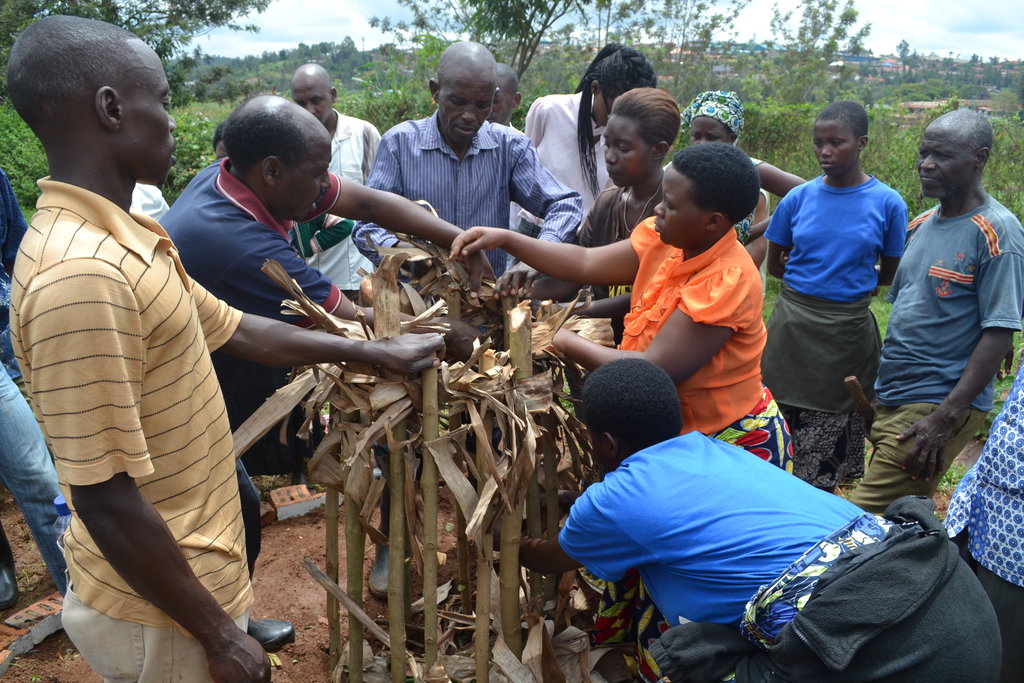
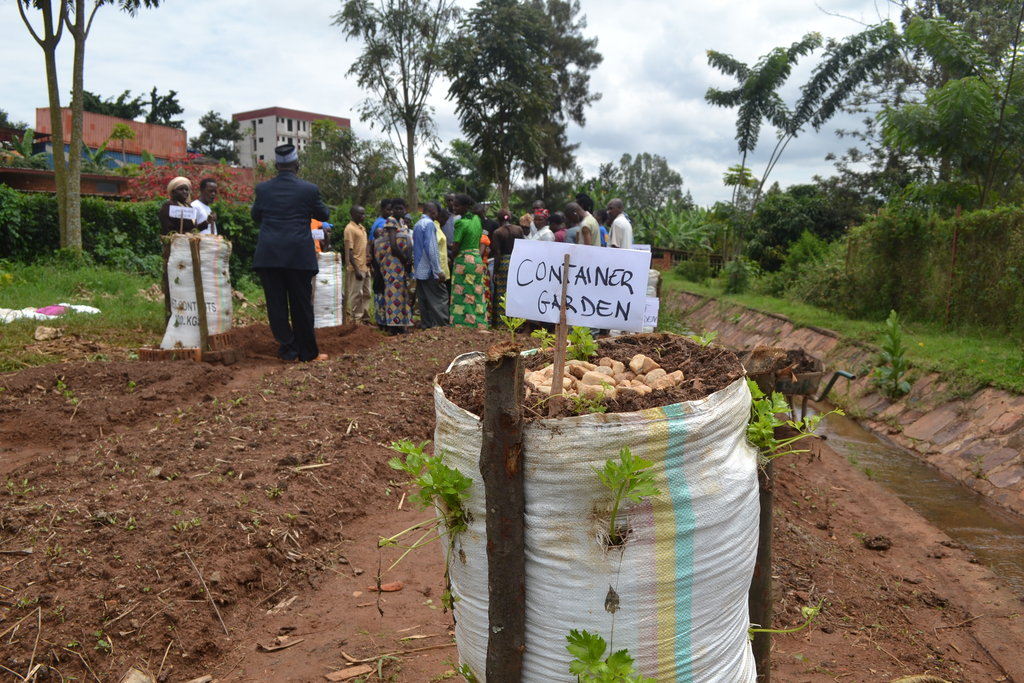
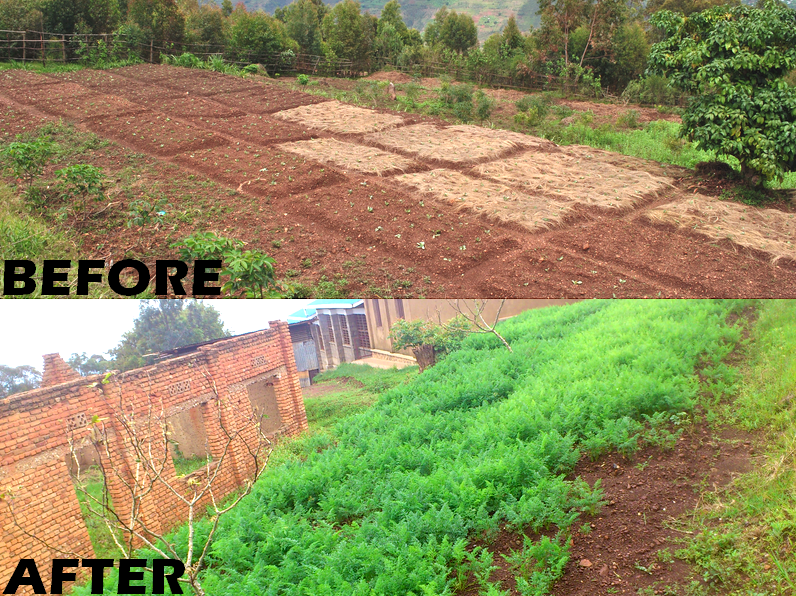
19 is a magic number in Kigali. Nineteen lush school and community gardens have been planted in the most disadvantaged neighborhoods of the city. They are now producing nutritious fruits and vegetables - from papaya and watermelons to carrots, tomatoes, green beans and more! - and making other wonderful things happen too...
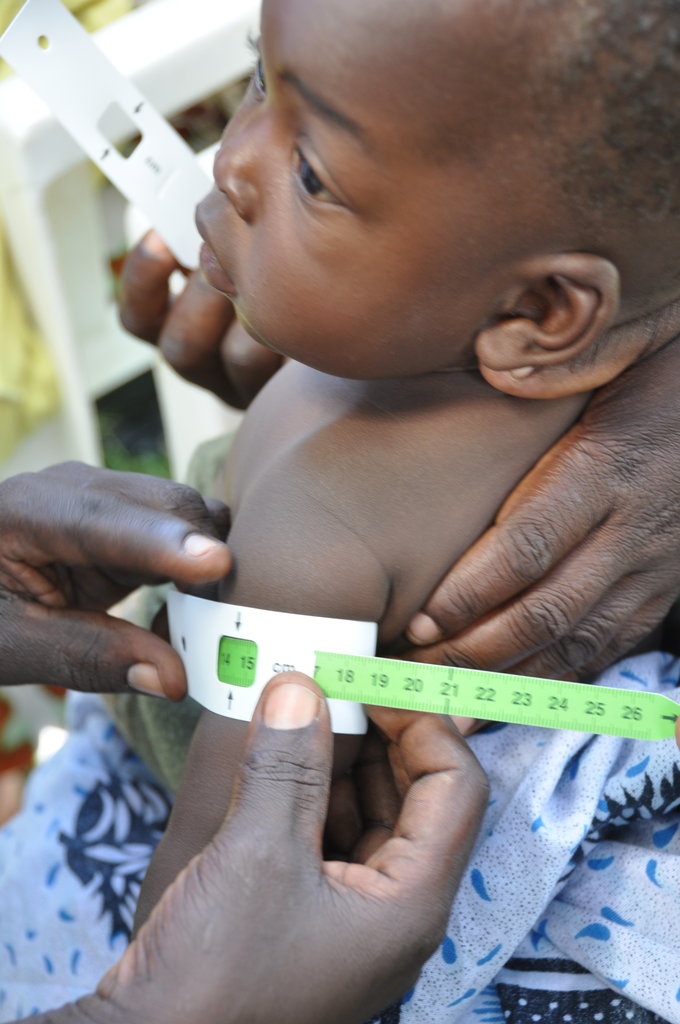
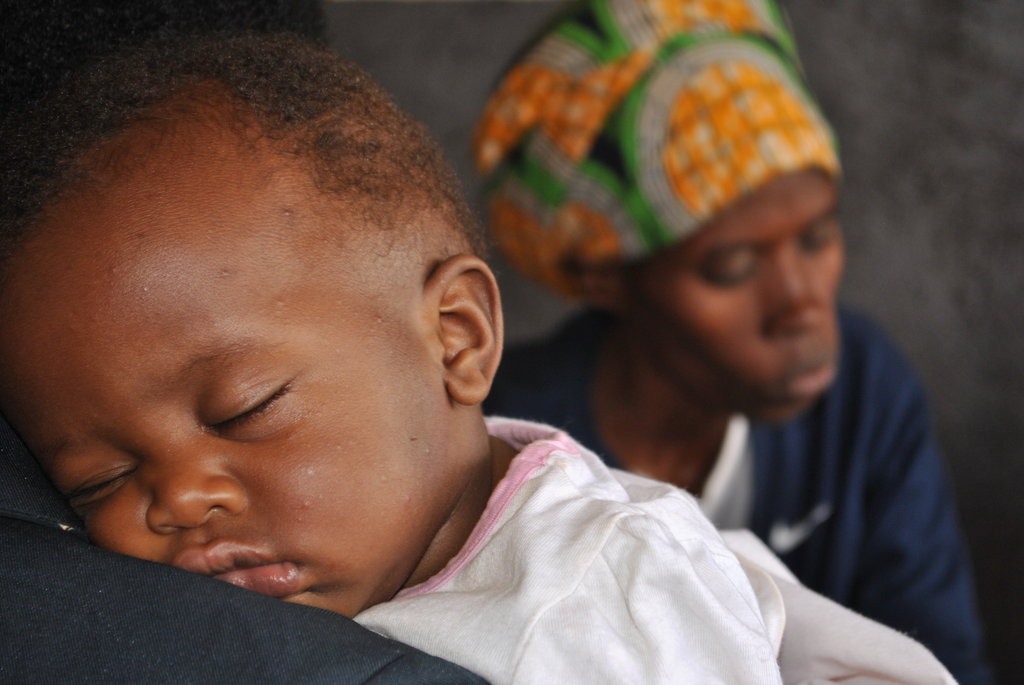
If you hear fruits and vegetables and think healthy food and better health, you are very right! Thanks to our micro-gardens, children can eat a nutritious and balanced meal every day at school -sometimes the only one of the day- and see their health and school performance improve progressively. But did you know that vegetables can actually do much more than feed children? They can also promote social justice, education and self-sustainability. Are you wondering how? We can explain.
Rubingo School in the Gasabo Disctrict of Kigali is one example. Rubingo is a UNICEF child friendly school and one of the first schools that partnered with us. In addition to using the vegetables from the micro-garden to prepare student lunches, the school garden has also become a way to promote social justice. In fact, families who cannot afford to pay the secondary school fees for their children can contribute time and labor to tend to the garden instead. This initiative, made possible thanks to the micro-garden planted with your donations, enables disadvantaged youth in the surrounding area to have access to an education and a chance at a better future.
In other words, by promoting child nutrition, we are also increasing educational opportunities. Additionally, it is part of our core values to support our beneficiaries on their way to self-sustainability so that investments made today will bear fruit (literally!) long after our project is over.
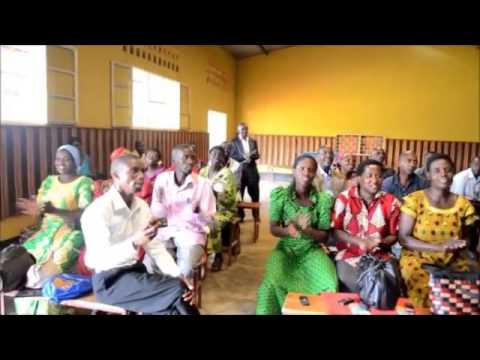
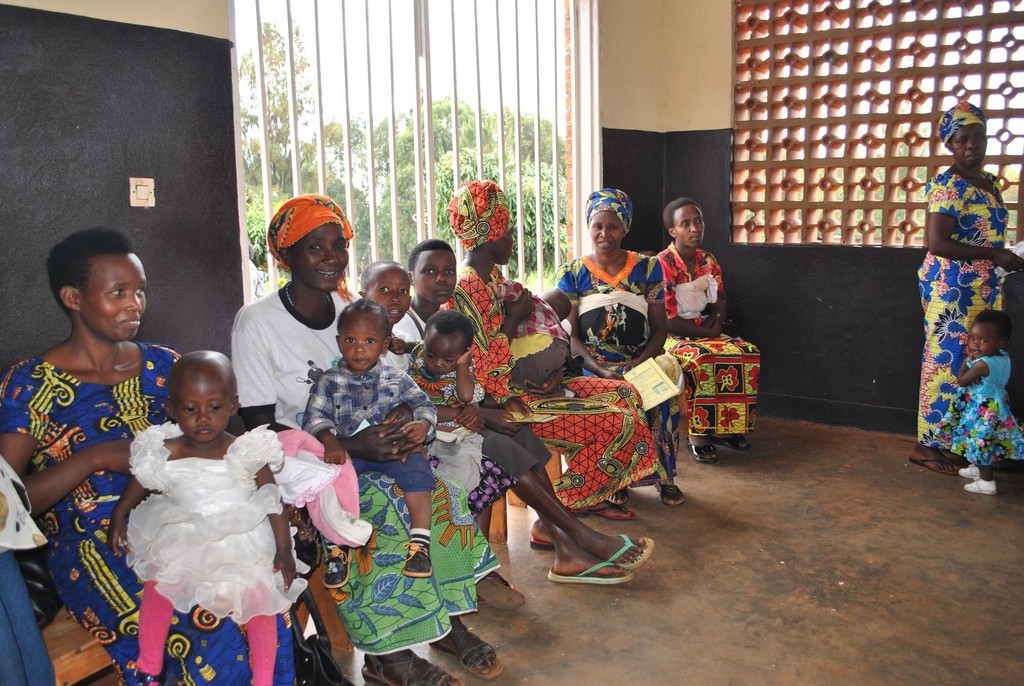
At Gatenga Health Center, for example, a portion of the produce from the micro-garden we planted thanks to your support, is sold on the local market, generating income that the health center reinvests into the project. Thanks to this extra income, in fact, the health center can finance culinary demonstrations for malnourished mothers, providing them with vital nutrition education and much needed food supplements for their children.
Thanks to your help, we have created a virtuous cycle in which nutrition promotes education, which in turn favors access to healthy food and better nutrition.
Indeed, 19 is a magic number. Please share these wonderful news from the field with your friends and invite them to join us in promoting child nutrition and education by helping us plant nineteen more community gardens. Let's make more magic happen together!
Project reports on GlobalGiving are posted directly to globalgiving.org by Project Leaders as they are completed, generally every 3-4 months. To protect the integrity of these documents, GlobalGiving does not alter them; therefore you may find some language or formatting issues.
If you donate to this project or have donated to this project, you can receive an email when this project posts a report. You can also subscribe for reports without donating.