By Justine Simonin and Barbara Borgese | Project Leaders
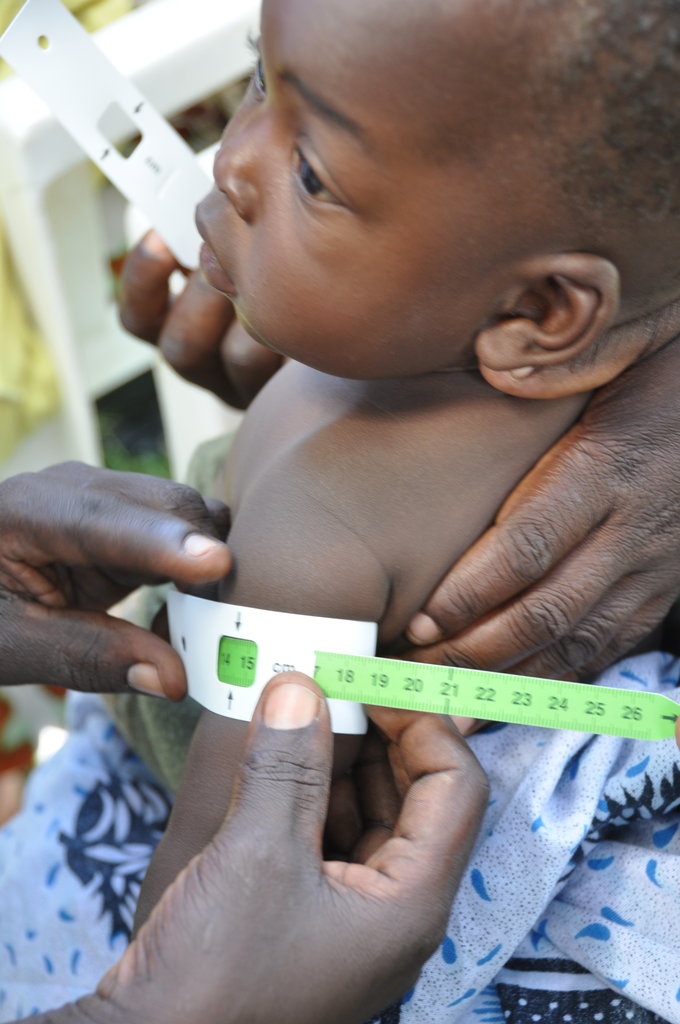
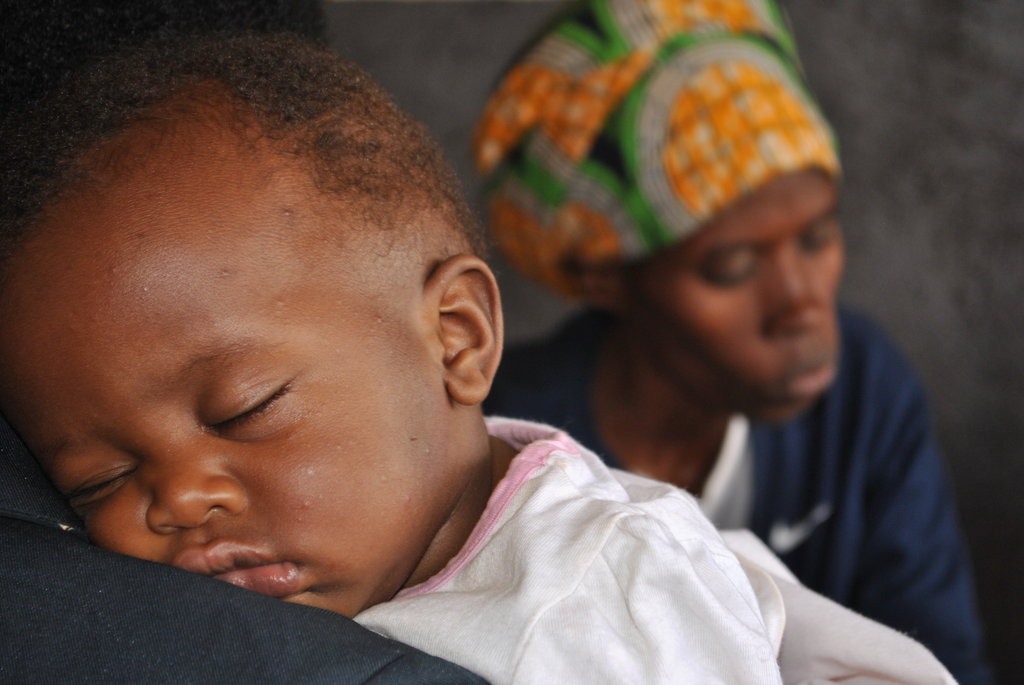
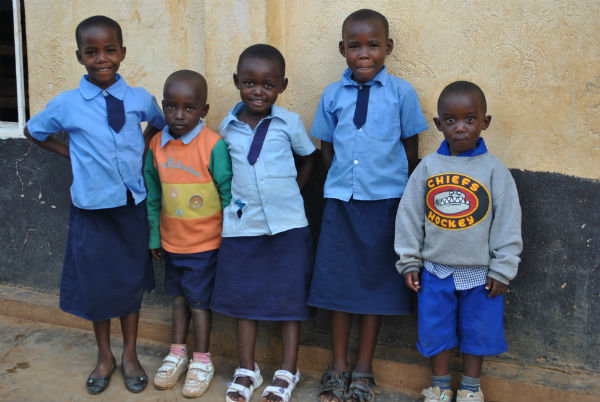
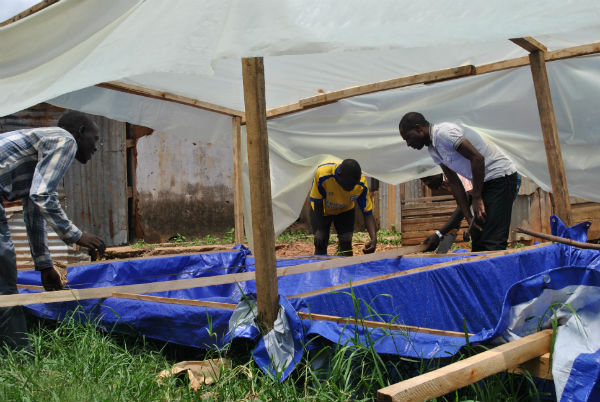
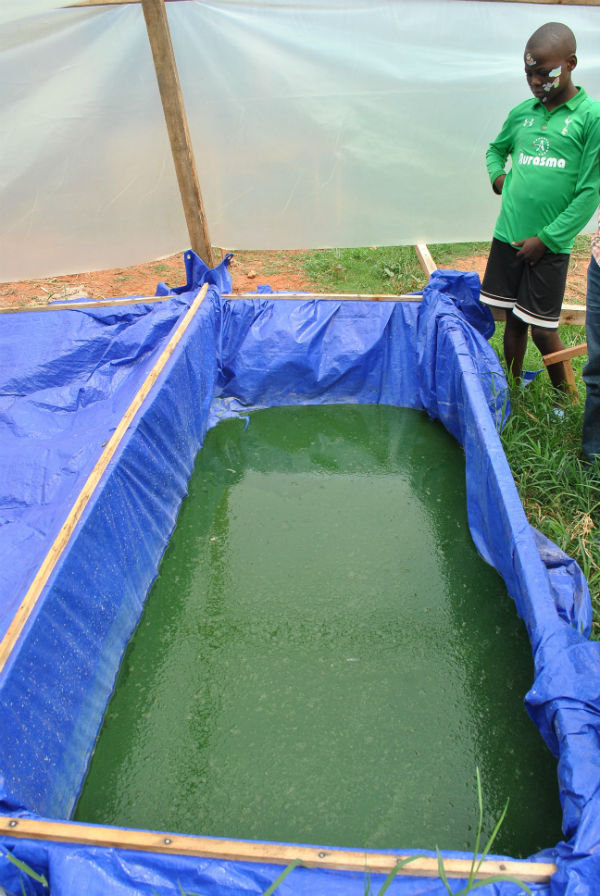
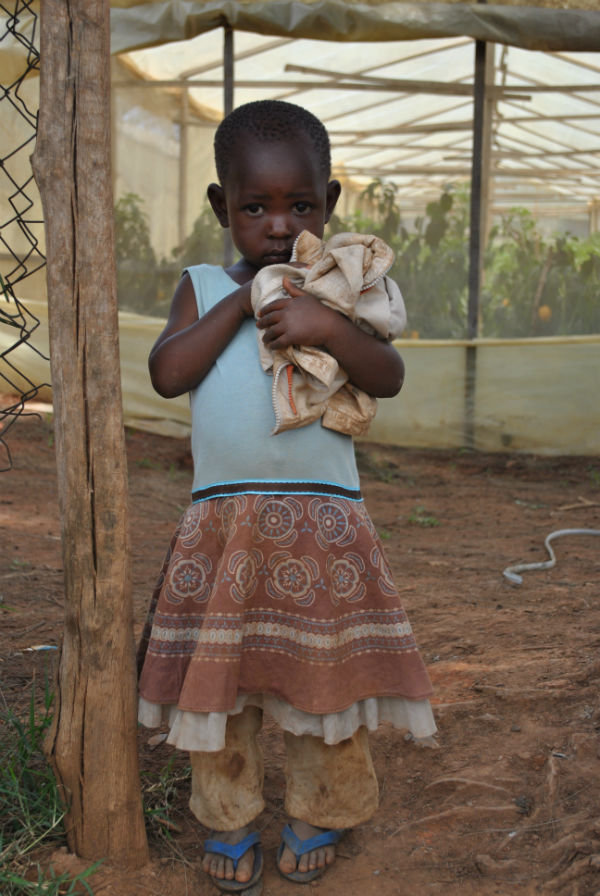
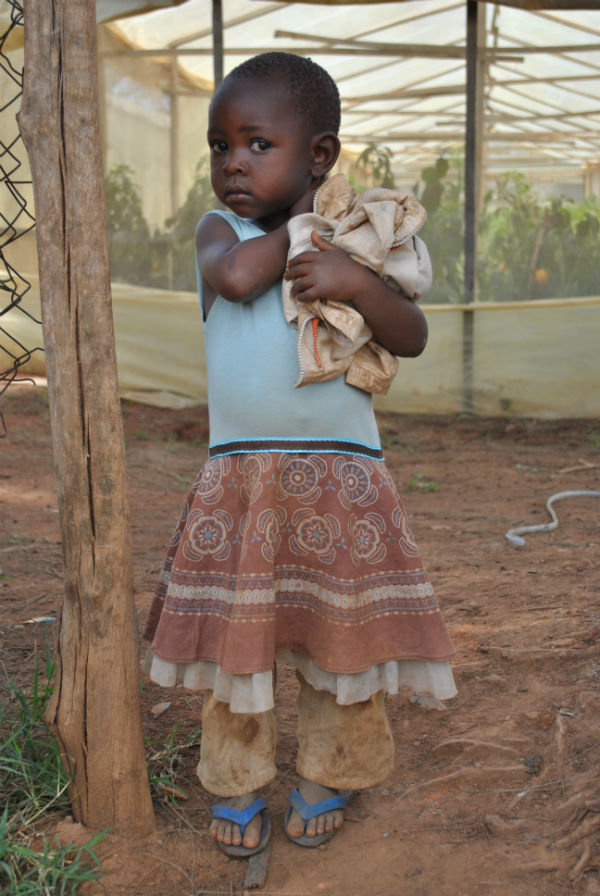
In the sector of Kanombe in Kigali, 100 children are provided with free education, lunch and health check-ups thanks to a center called the Rwandan Orphans Project (ROP). Sixty percent of these children have lost both parents while the rest live in women-headed households that are below the poverty level. Either way, the orphanage is often the only place where they can get a healthy meal on a regular basis. We travelled all the way to Kanombe to support the center in providing a secure food supply to these children, ensuring they meet their nutritional needs. Here, we set up the first community-based micro-farm and introduced Spirulina, a blue-green seaweed that might not look impressive, at first, but is a great food supplement to help fight malnutrition. Besides having an exceptionally high protein, vitamin and mineral content, as recognized by the Food and Agriculture Organization of the United Nations (FAO) and the World Health Organization (WHO), it is easy and cheap to grow, and can be multiplied quickly, as well.
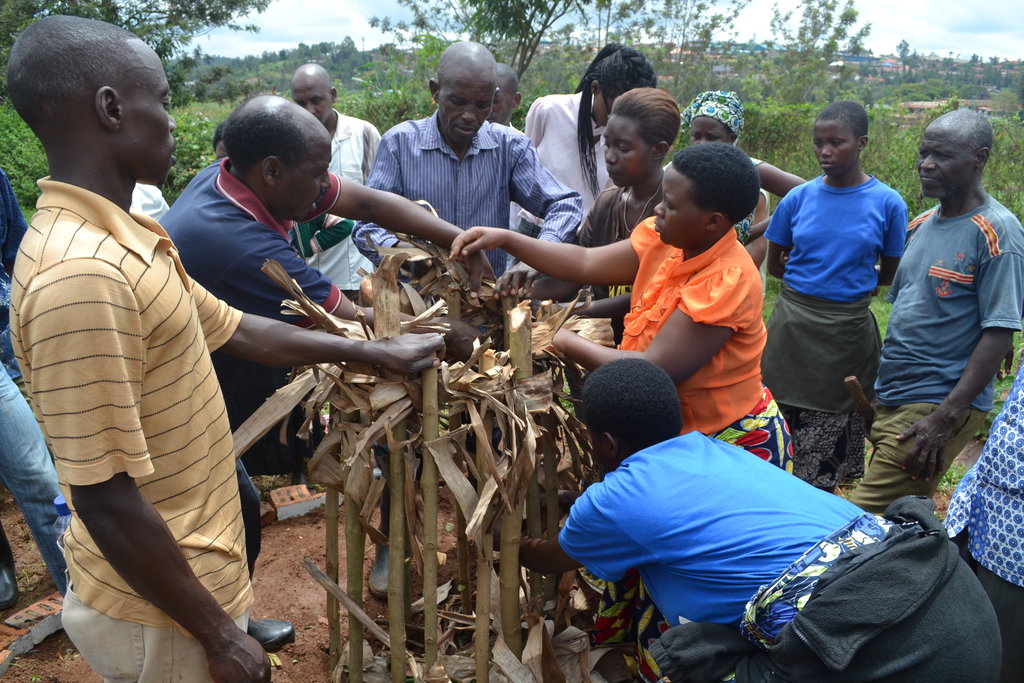
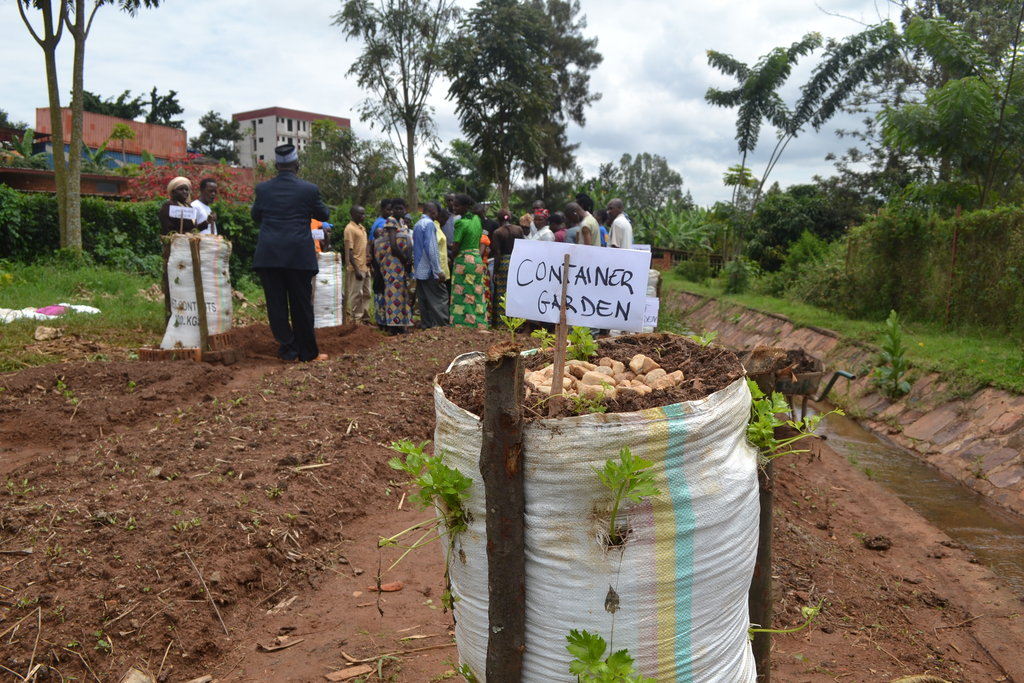
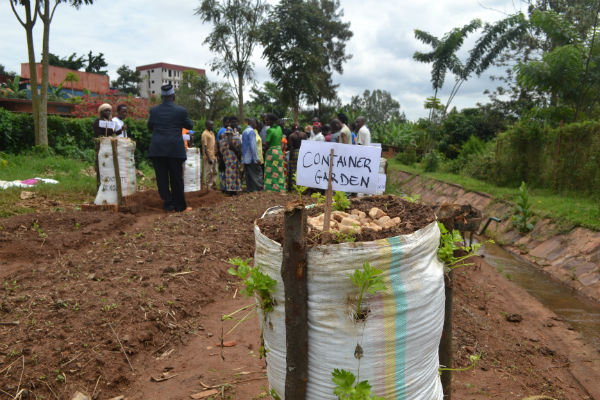
In Kigali, we trained the orphanage staff in micro-farming and nutrition and, together, we developed two micro-gardens and a Spirulina pool. We also taught the children about good nutrition and health/hygiene practices; and ten of the older and most responsible among them have been appointed to co-manage the micro-farming project. Thanks to micro-agricultural training, seeds and fertilizers, we were able to develop the orphanage’s micro-farms. The vegetables grown here will be used for the children’s school meals, which will also be supplemented with Spirulina once it is ready to be harvested. In Rwanda, 43% of children under age 5 suffer from chronic malnutrition. Here, in Kanombe, we have partnered with ROP to improve the food security of orphans and vulnerable children so they may no longer be exposed to the danger of malnutrition. This is all thanks to you!
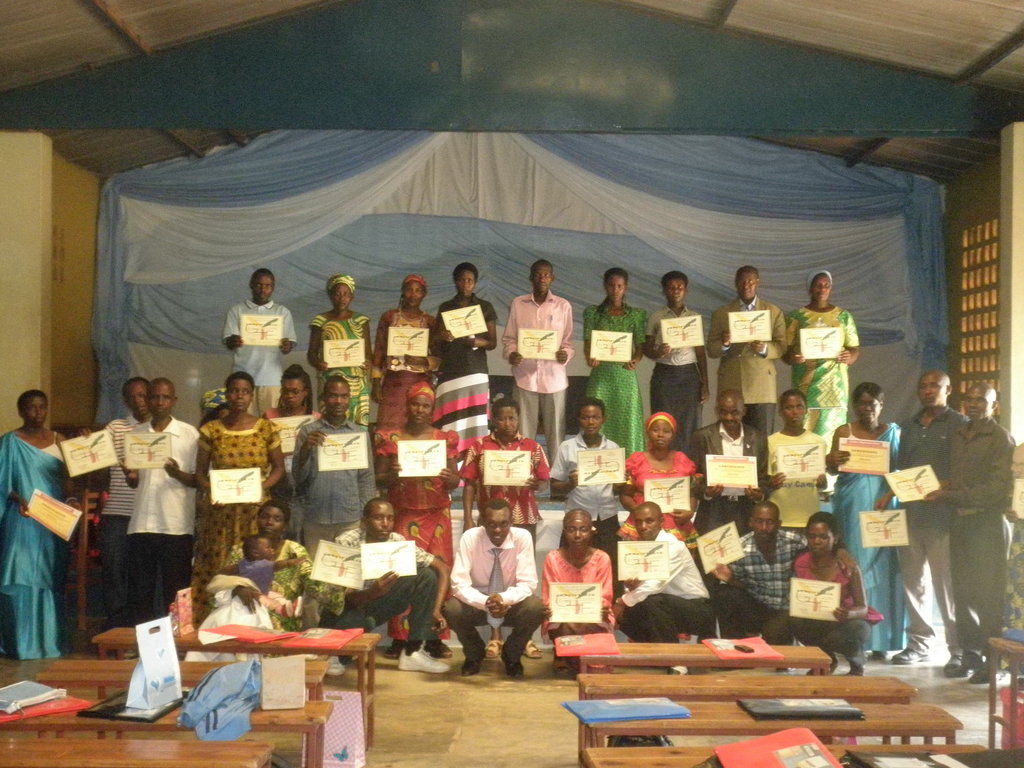
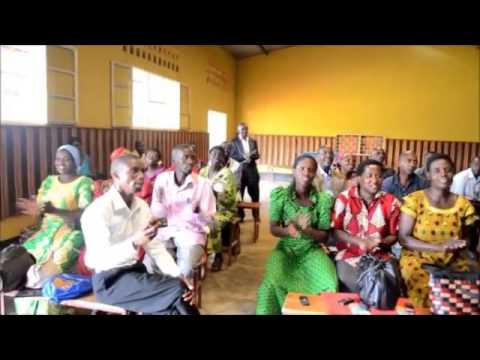
But the best part of the project is that it does not stop at the orphanage. We are also working with schools and community health centers servicing HIV/AIDS patients in and around Kigali, which will serve as training hubs for further developments in community micro-farming. Today, thanks to your support, 1,039 youth and their caregivers have been trained to set up a micro-garden within their community and can transfer this knowledge to others for greater food security at the community and household level. That is the core of our project. Thank you for making it possible!
Links:
Project reports on GlobalGiving are posted directly to globalgiving.org by Project Leaders as they are completed, generally every 3-4 months. To protect the integrity of these documents, GlobalGiving does not alter them; therefore you may find some language or formatting issues.
If you donate to this project or have donated to this project, you can receive an email when this project posts a report. You can also subscribe for reports without donating.