By Charles McJilton | CEO
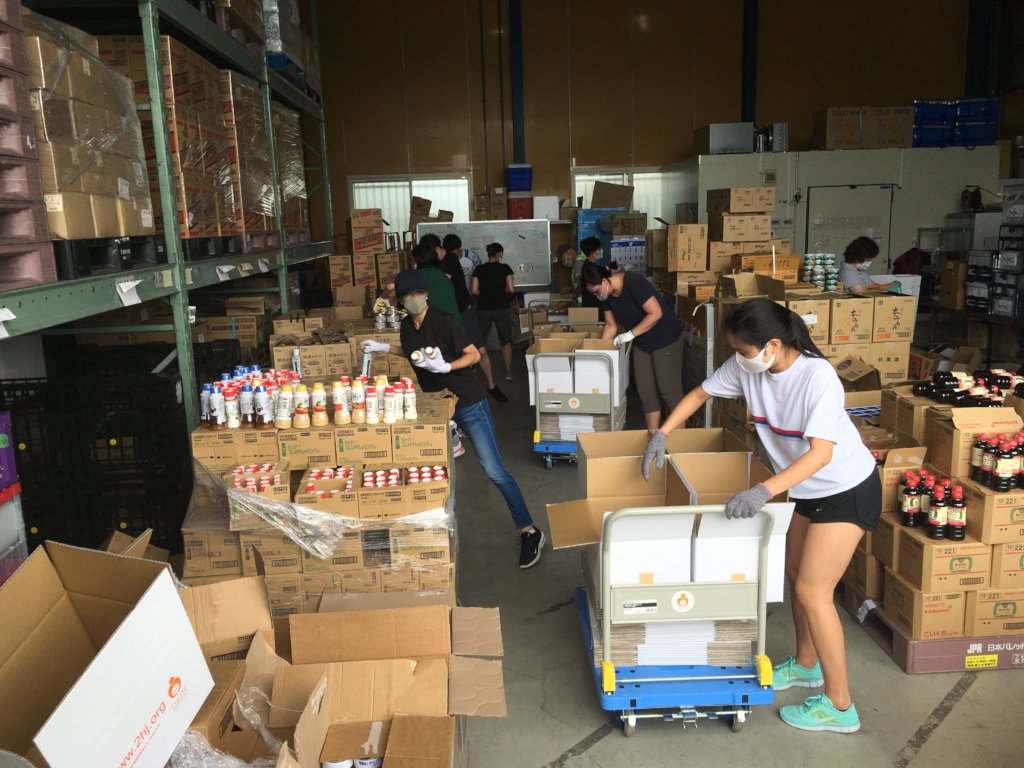
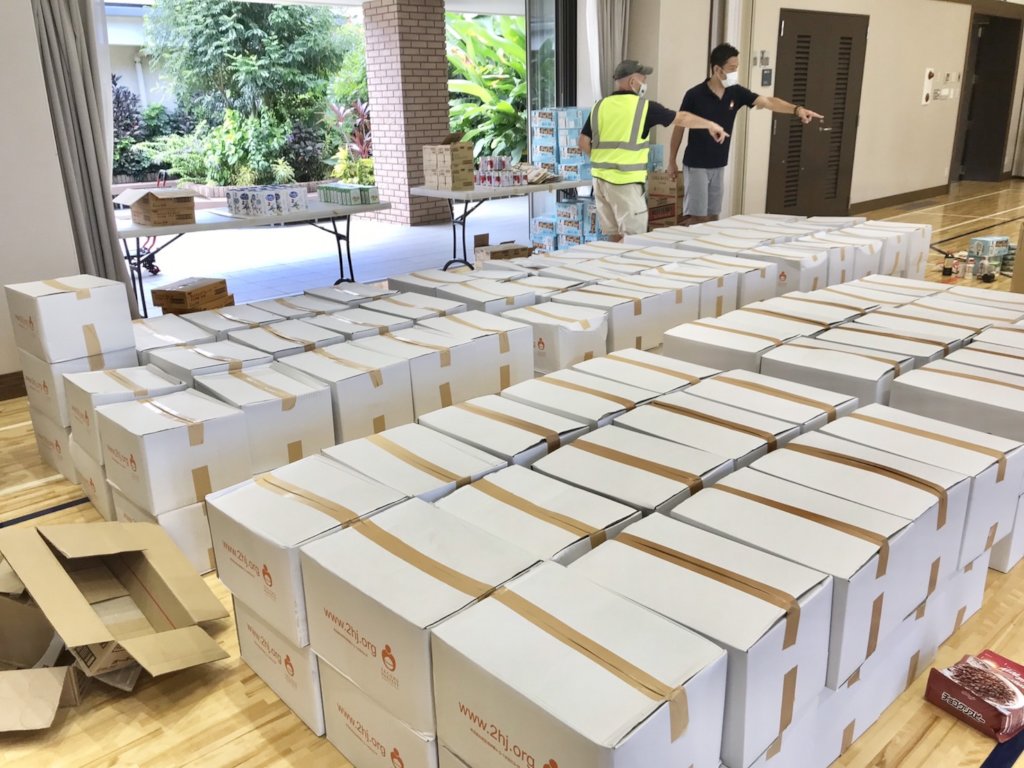
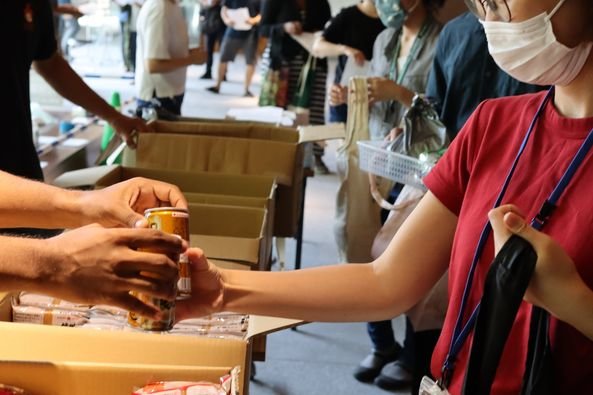
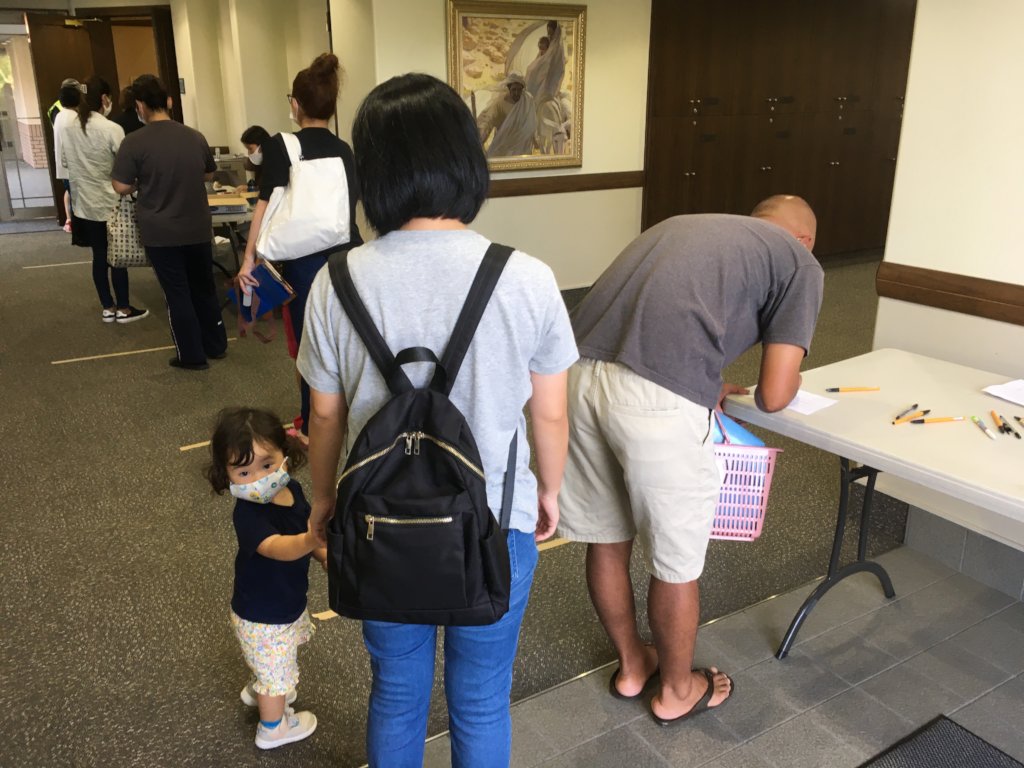
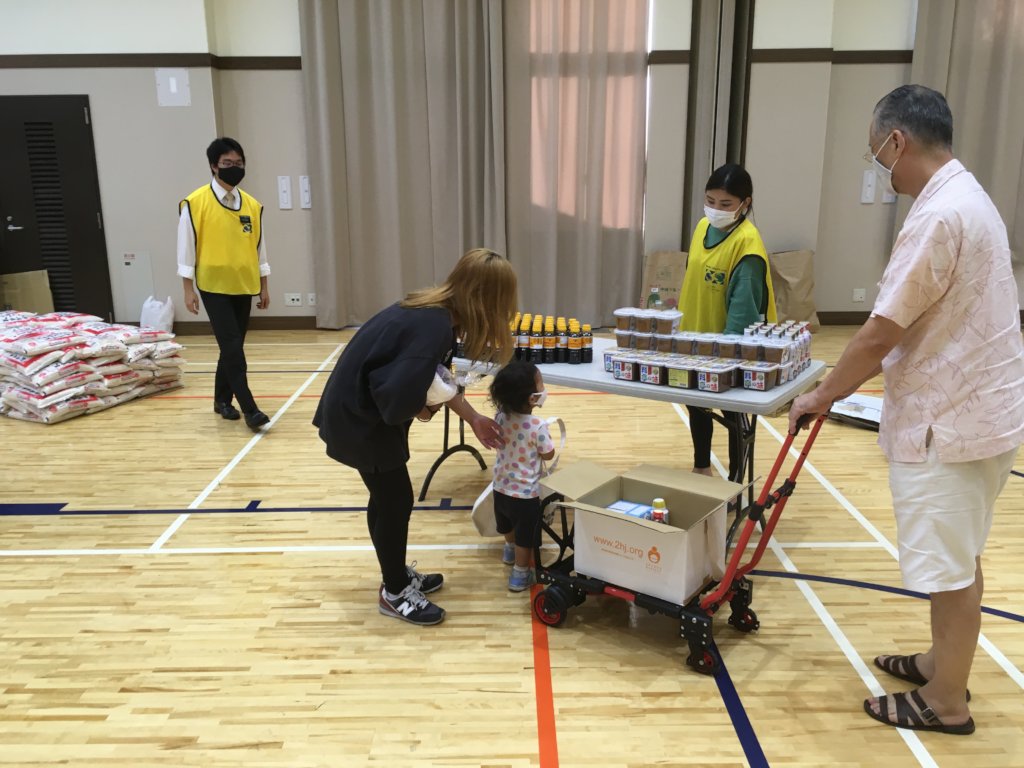
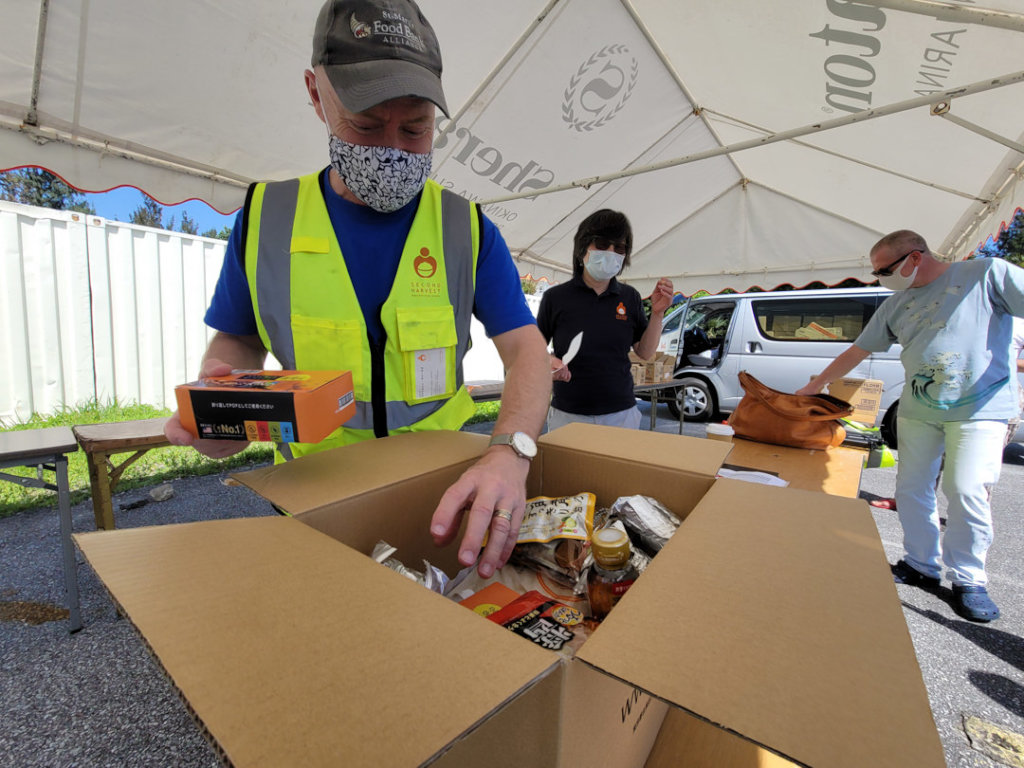
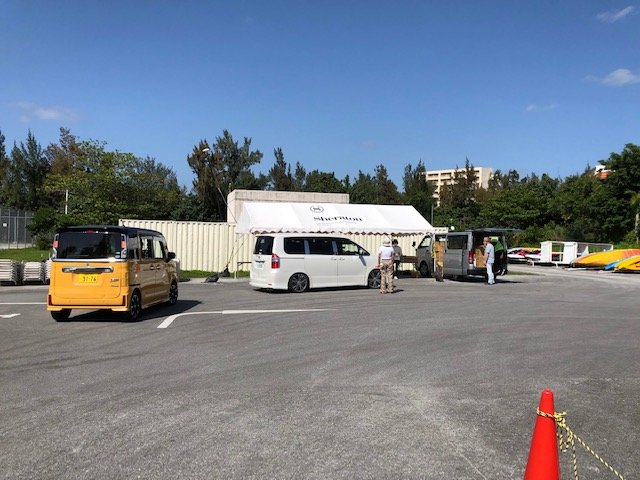
Developing an effective and safe process to distribute food to large numbers in a short period of time requires repeated testing, flexibility with team members, and good communication with all stakeholders (staff, volunteers, and recipients). Because of the nature of the pandemic there were ongoing concerns about exposure to the virus as well as uncertainty how long our state of emergency would last. This uncertainty created challenges in deciding how long to provide support to an individual and at what interval.
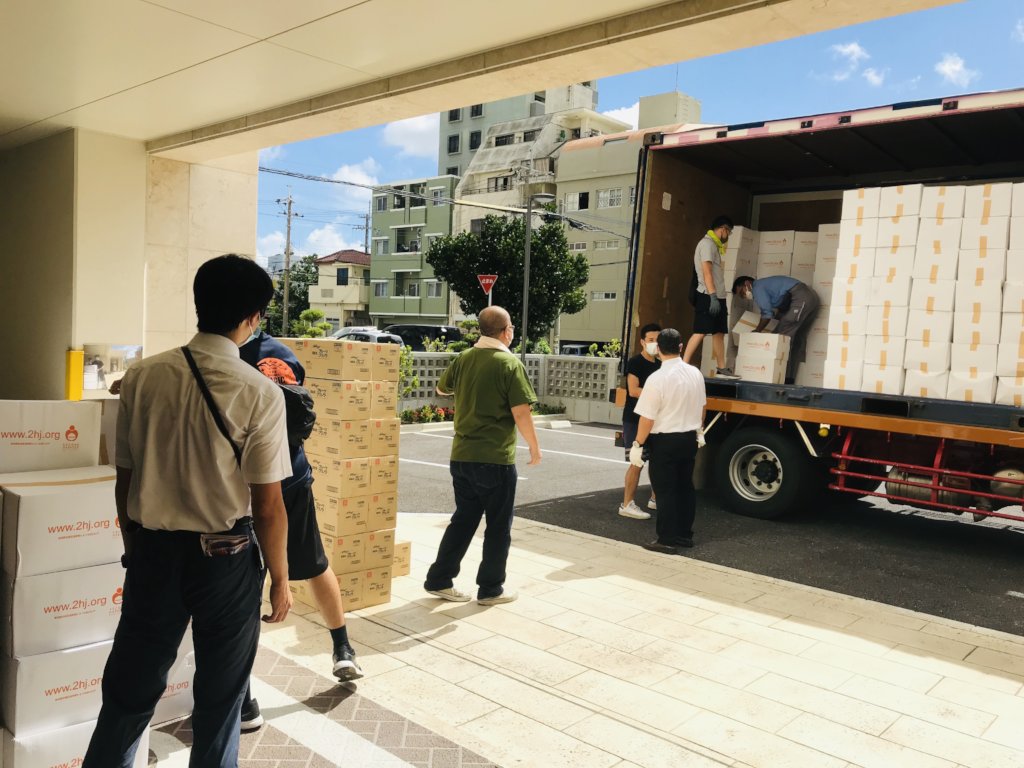
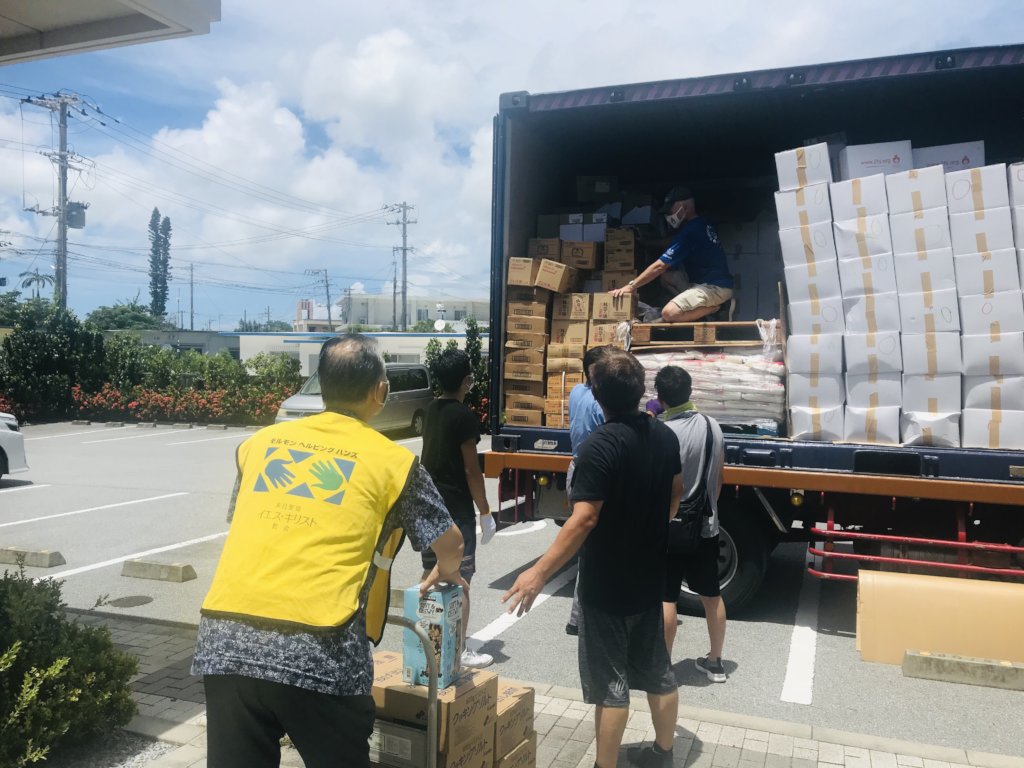
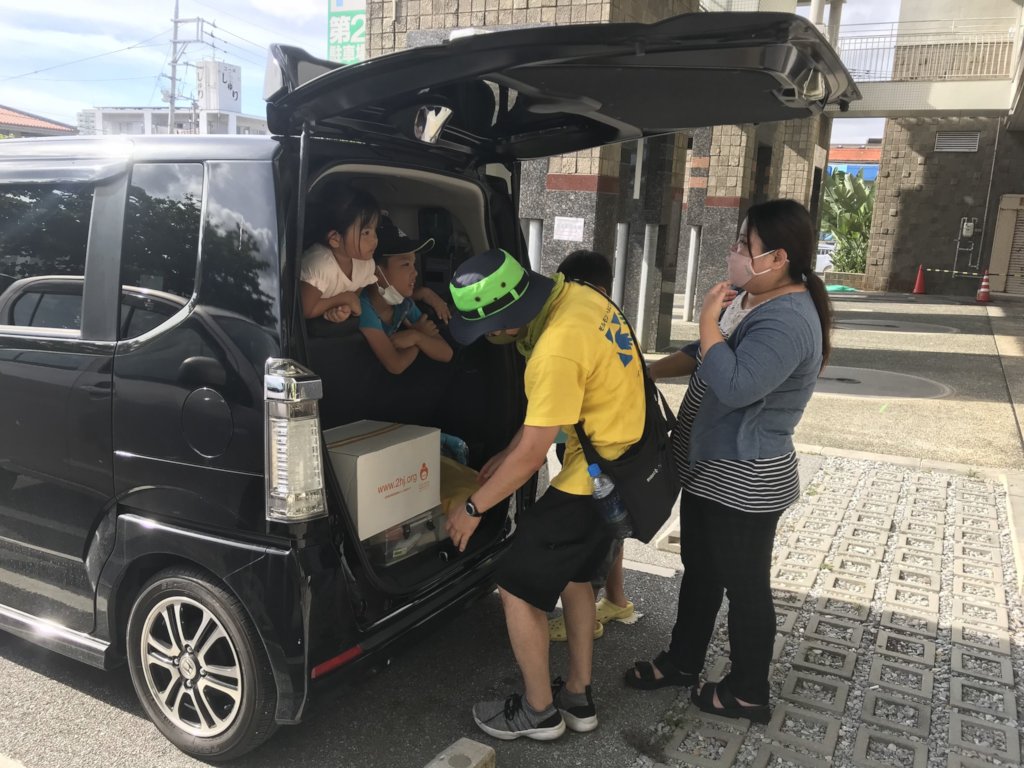
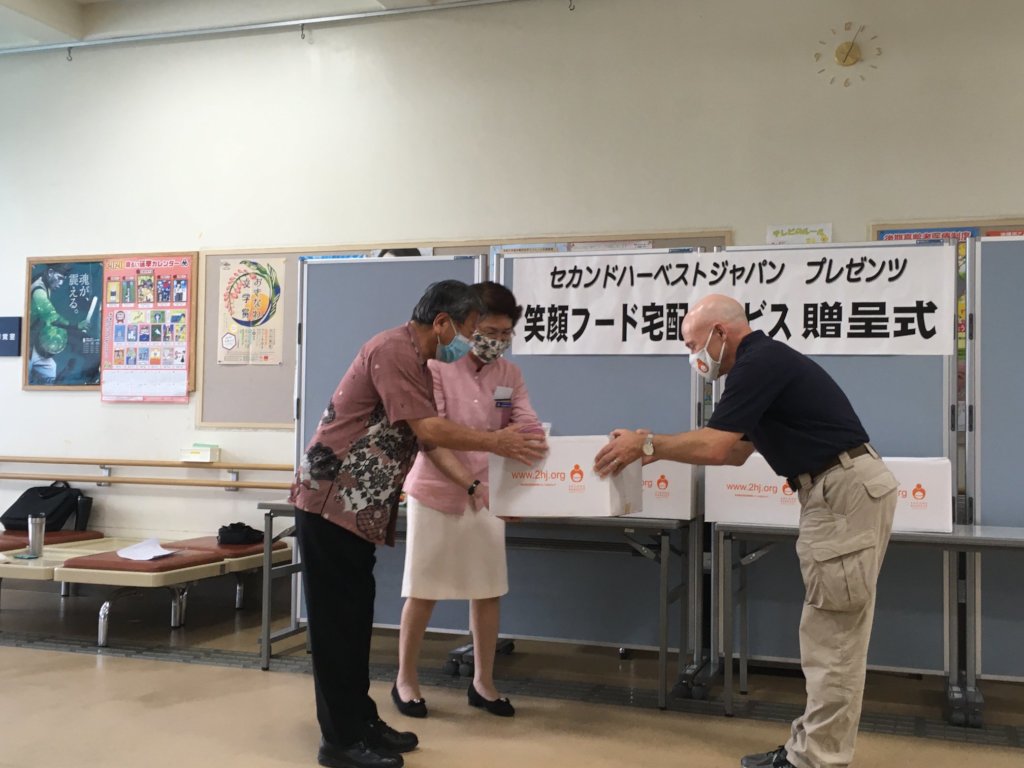
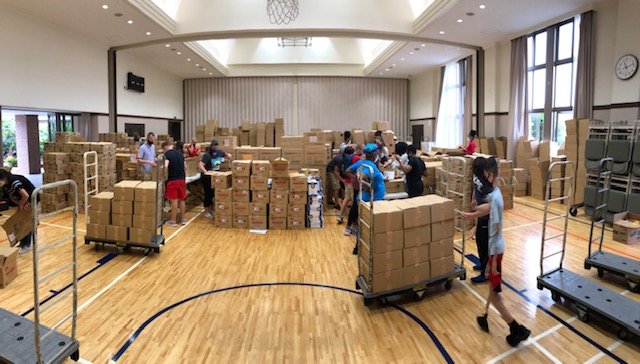
With regards to Okinawa, conducting distant operations separated by a body of water is logistically extremely complex. We have experience providing aid in times of disaster in both Tohoku (Northern Japan) and Kumamoto, Kyushu. In both cases we could use our own logistics to move aid to the affected areas. In Okinawa we had to rely on ocean transportation to move aid to the prefecture. Moreover, we had no warehouse space to store or aggregate local donations. Each time we conducted operations we had to bring the whole show to town in order conduct our distributions over a limited number of days.
The Okinawa Projected proved you could ask recipients to take action and they would respond
Links:
Project reports on GlobalGiving are posted directly to globalgiving.org by Project Leaders as they are completed, generally every 3-4 months. To protect the integrity of these documents, GlobalGiving does not alter them; therefore you may find some language or formatting issues.
If you donate to this project or have donated to this project, you can receive an email when this project posts a report. You can also subscribe for reports without donating.