Project Report
| Jun 17, 2019
NUTRITION THROUGH FOOD FOREST AND GARDENS REPORT
By Nicholas M. Syano | CEO & Founder
![DNRC kitchen garden]()
DNRC kitchen garden
INTRODUCTION
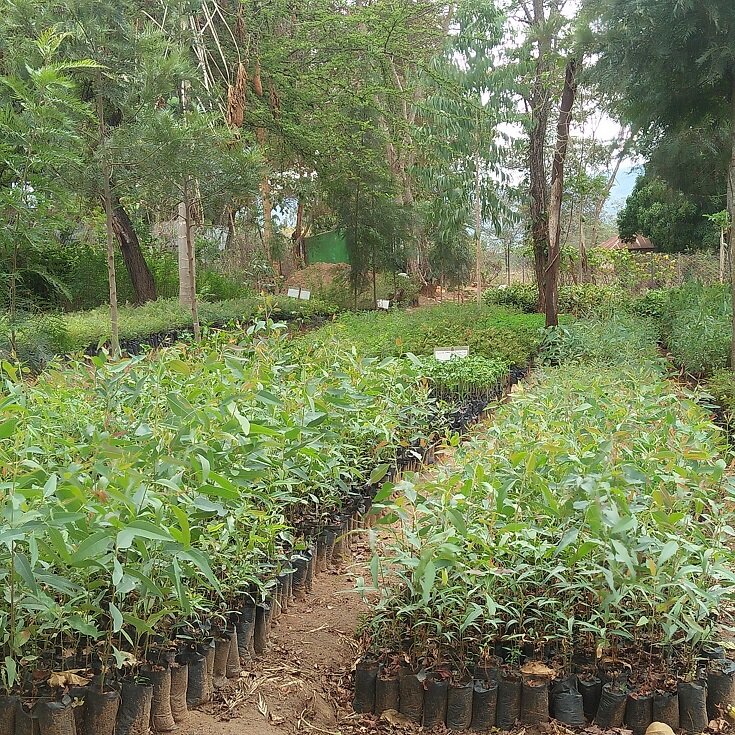
Once again receive much greetings from Drylands Natural Resource Centre (DNRC) family. As we share this quarter report, we wish to express our sincere gratitude to you for the continued financial support which has so far contributed to the DNRC success which continue to grow each other day. Our current 800 farmers we are working with continue to benefit from vegetables and fruits coming from both food forests and kitchen gardens we have been promoting among them. A food forest is a food production and agro forestry system based on woodland ecosystem incorporating fruits trees, nut trees, shrubs, vines, vegetables, perennials for timber and other non-timber products. By understanding how natural forests grow and sustain themselves, we are able to model our food forests filled with trees and plants that produce food, timber and other non-timber products for income generation. These fruit trees have been propagated in our tree nursery and the first's ones are already producing fruits like pawpaw, passion fruits, guavas, mulberry etc. Out farmers now are testifying reduced family expense on buying foods and fruits due to the ones they get from both food forests and gardens. DNRC staff, interns and visitors continue to enjoy diverse vegetables in their meals. This has as well reduced food expense for DNRC as we move towards self-sustainability. During the reporting quarter, the following activities took place: Planting and establishing more kitchen gardens at DNRC, gapping DNRC food forest as well as expanding.
Below are detailed activities during the reporting quarter:
DNRC Food forest
During the reporting quarter, the major activities included expansion of the food forest which include hole preparation and planting, weeding and managing the trees in the food forest through chop and drop. We also managed to harvest 14.1kgs of bananas from DNRC food forest.
DNRC kitchen gardens
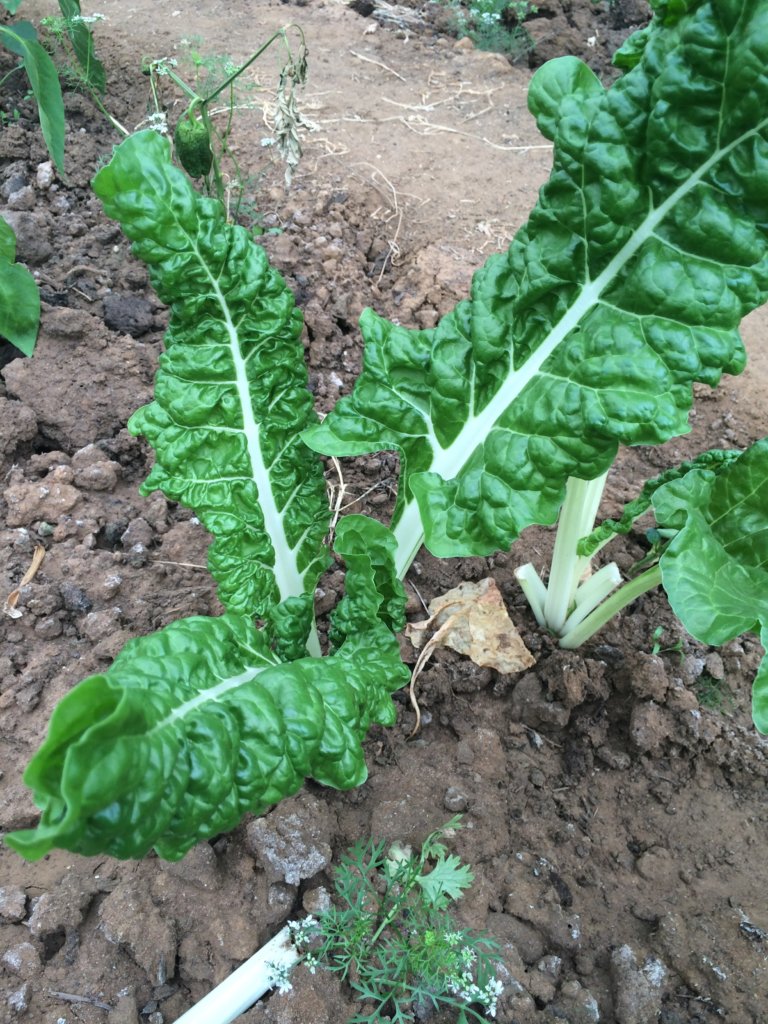
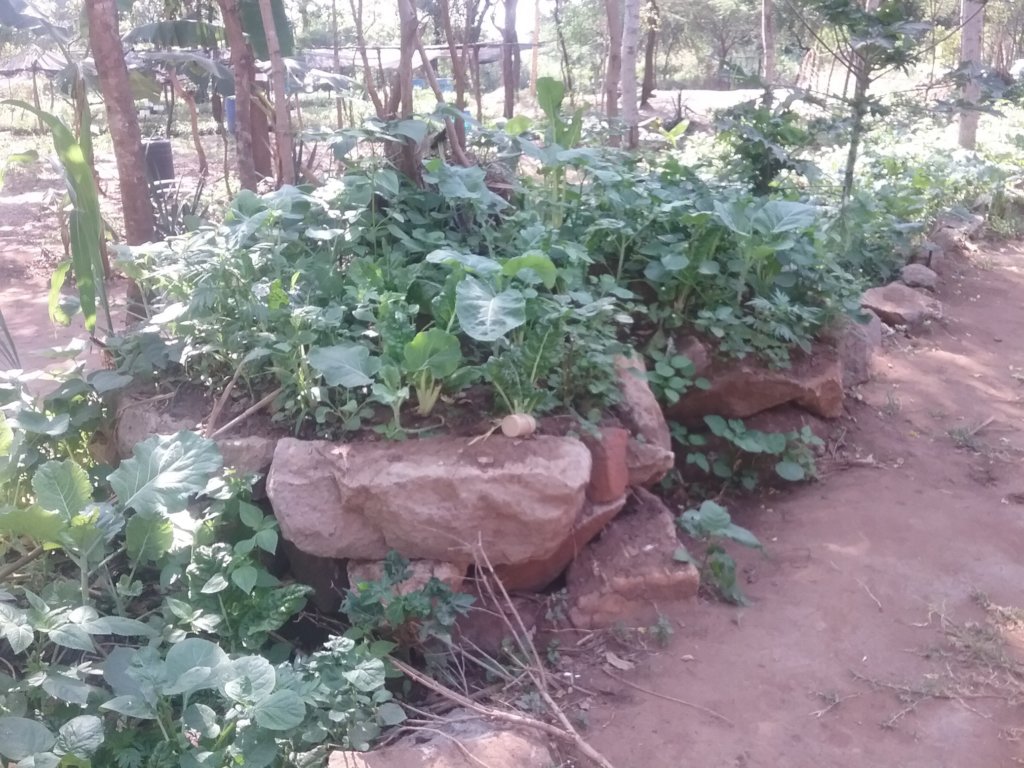
During the reporting quarter, we were busy establishing and planting more gardens with diverse vegetables including but not limited to Garlic, coriander, rosemary, spinach, kales, egg plants, traditional vegetables black night shade and amaranths. We have used different designs to develop our gardens with water saving methods recommended which included sunken beds with heavy mulching, key holes and multi-storey gardens. Other activities included constant spraying of natural concoctions for pests and disease control, wedding and watering.
Challenges
Water is always a big challenge since we have no permanent source of water within DNRC.
Focus for the next Quarter
General maintenance of both the food forest and kitchen gardens.
Constant trainings and follow ups with farmer's kitchen gardens and food forests.
![Share on Twitter]()
![Share on Facebook]()