By Massimo Campagna | Head of Partnerships
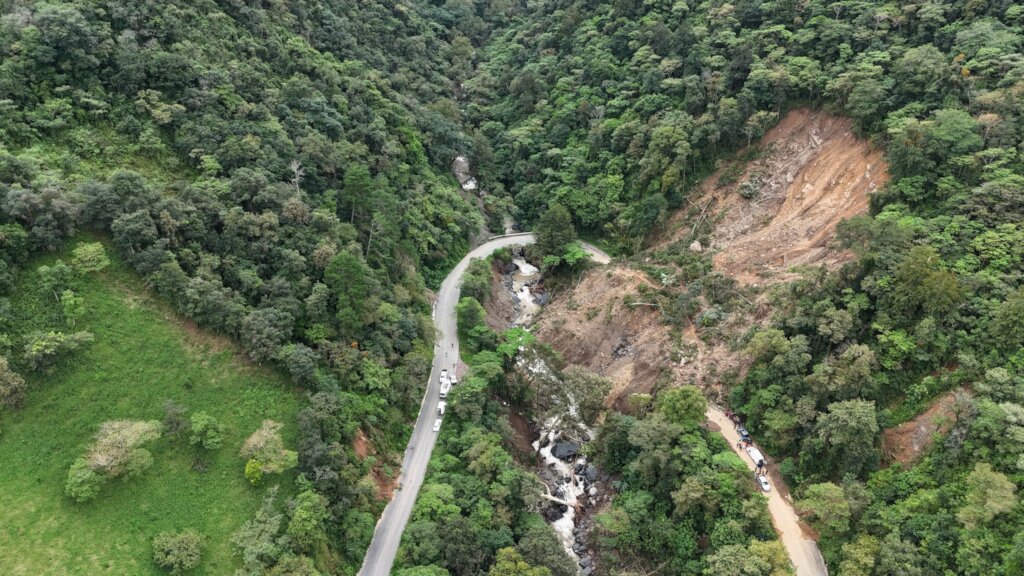
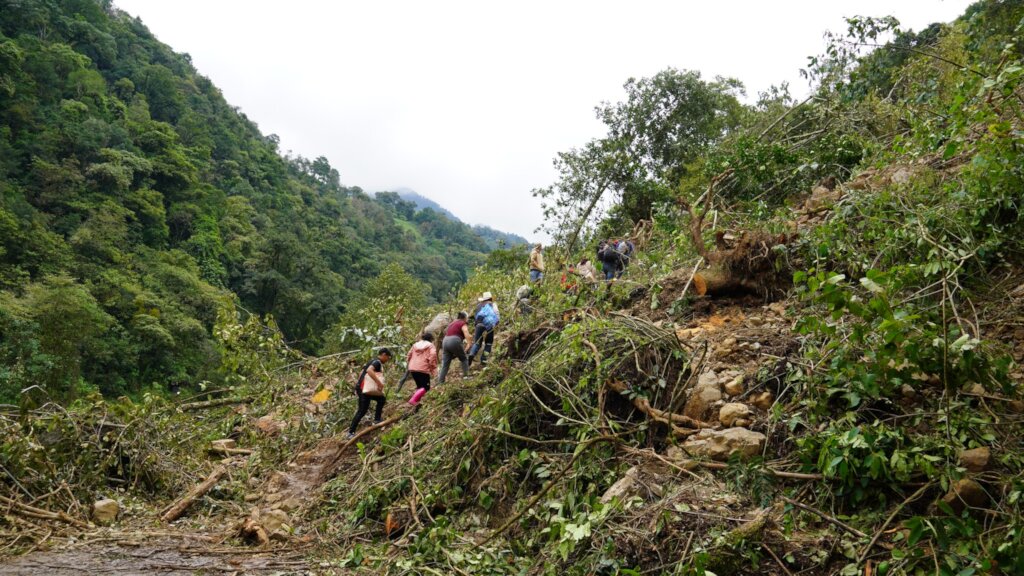
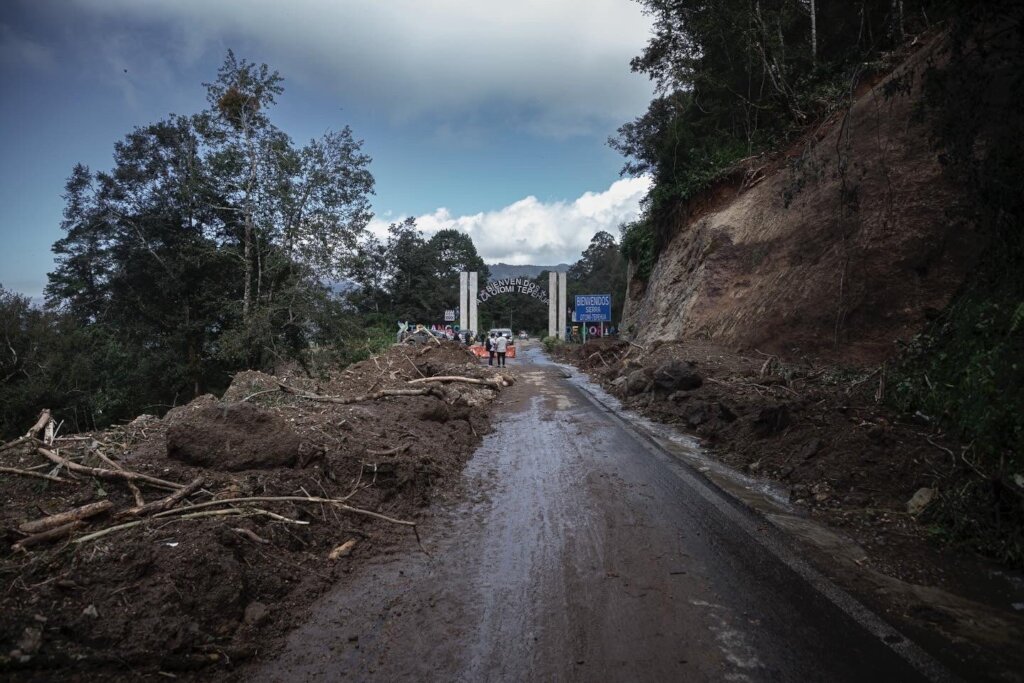
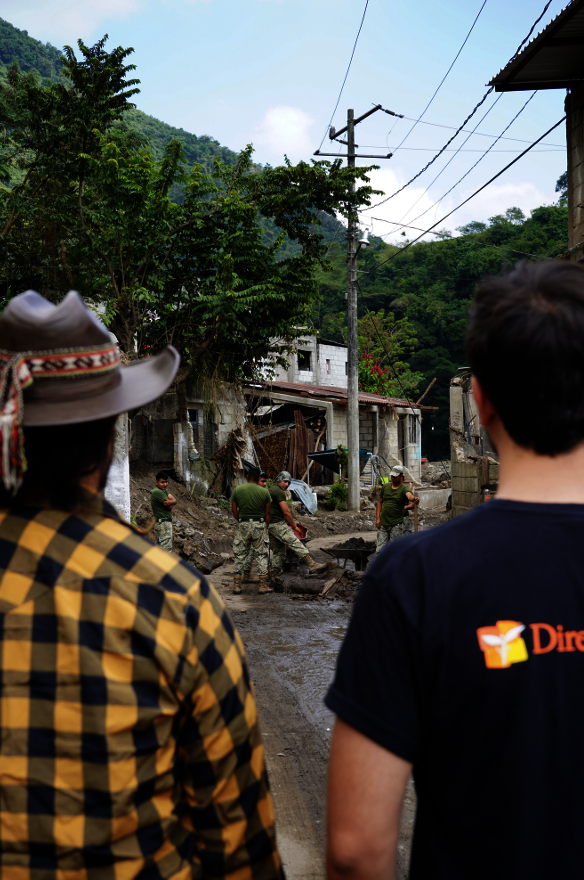
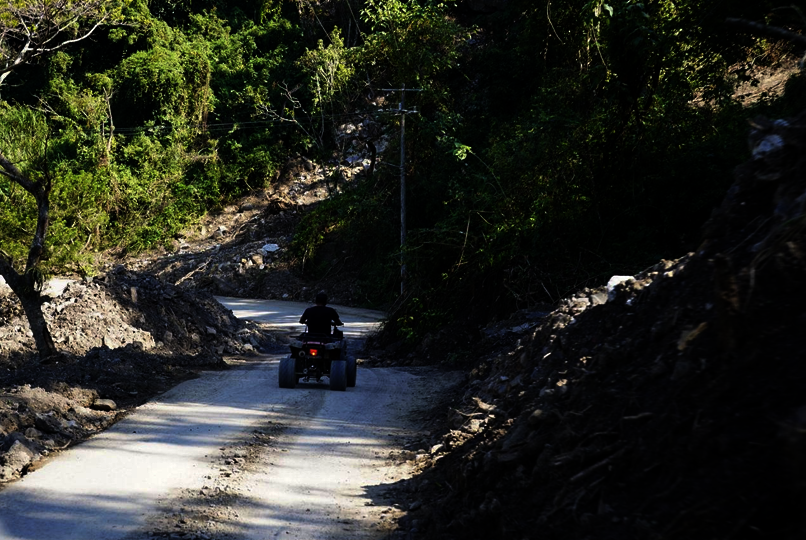
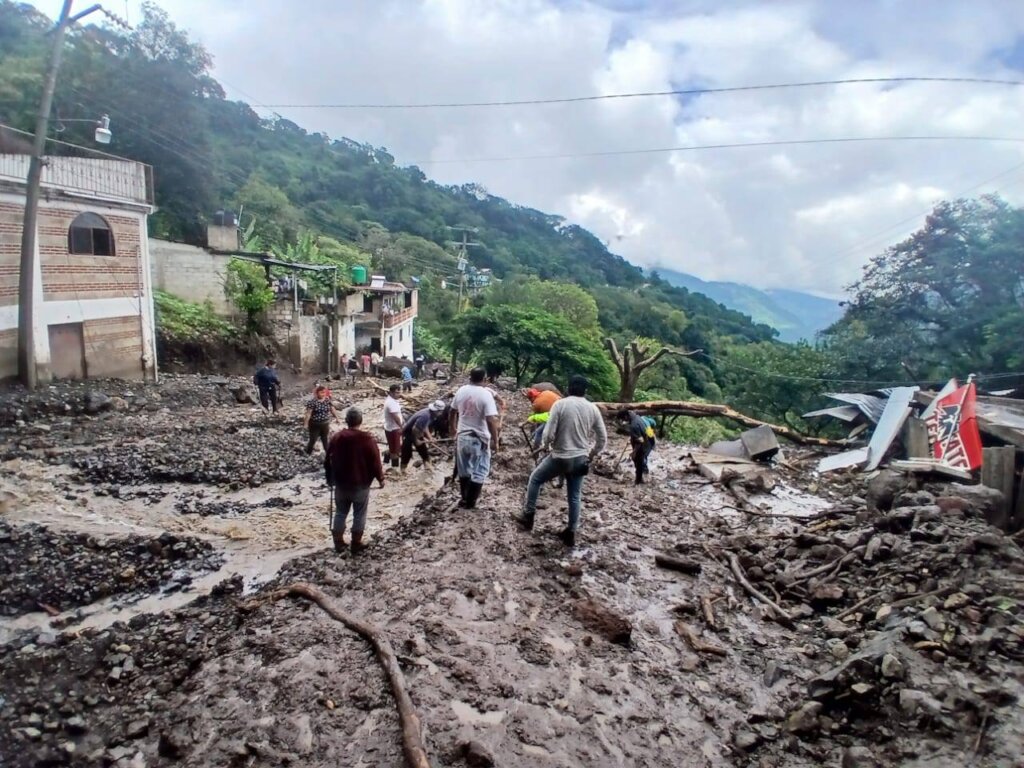
Between October 6-8, 2025, Hurricane Priscilla struck the Sierra Otomí-Tepehua region of Hidalgo and Puebla, causing severe landslides, flooding, and the isolation of more than 90 rural communities.
Entire municipalities were cut off for weeks. Roads collapsed, power was out for nearly 20 days, and access to food and medical care was severely disrupted. The disaster highlighted long-standing structural vulnerabilities in the region, including limited infrastructure, reduced institutional capacity for emergency response, and significant geographic isolation.
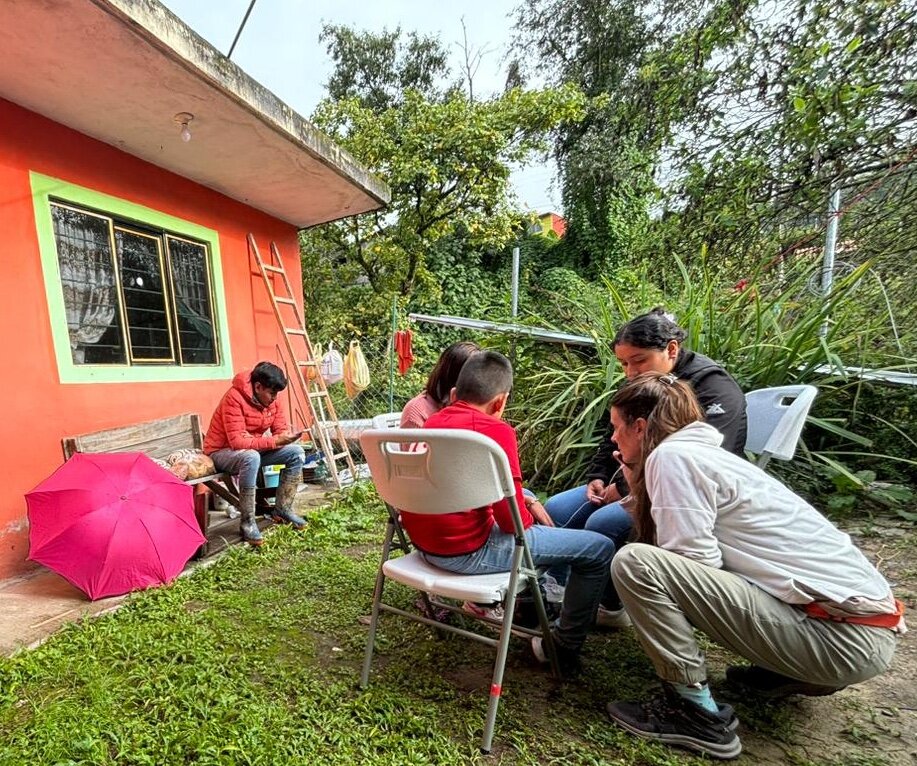
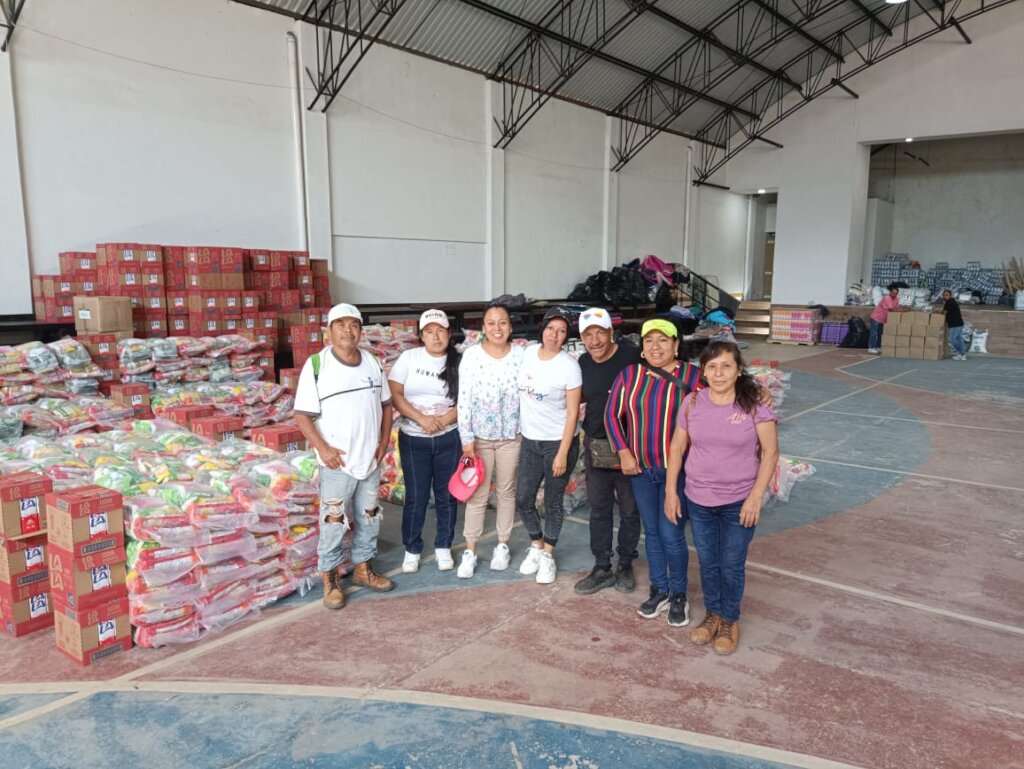
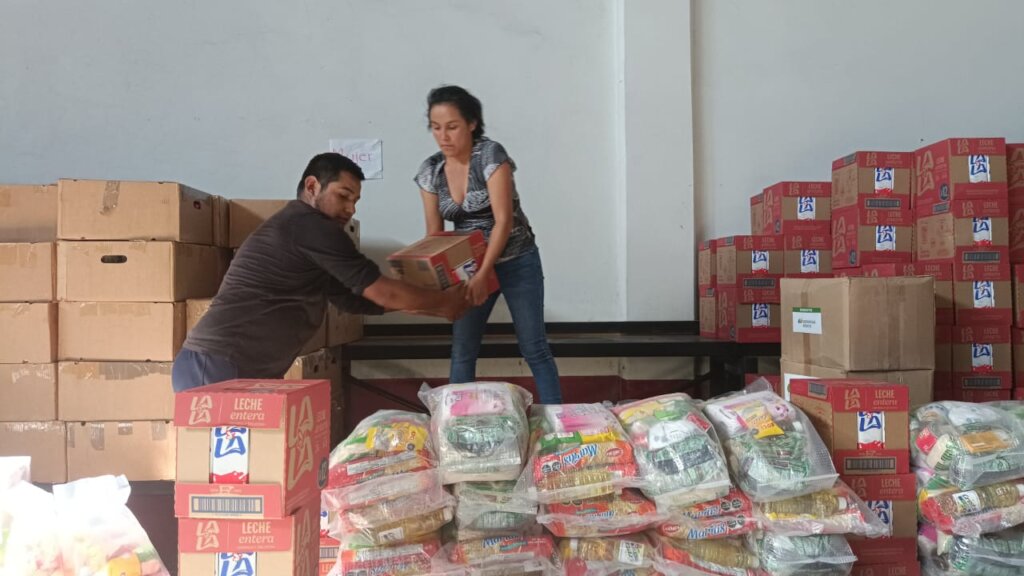
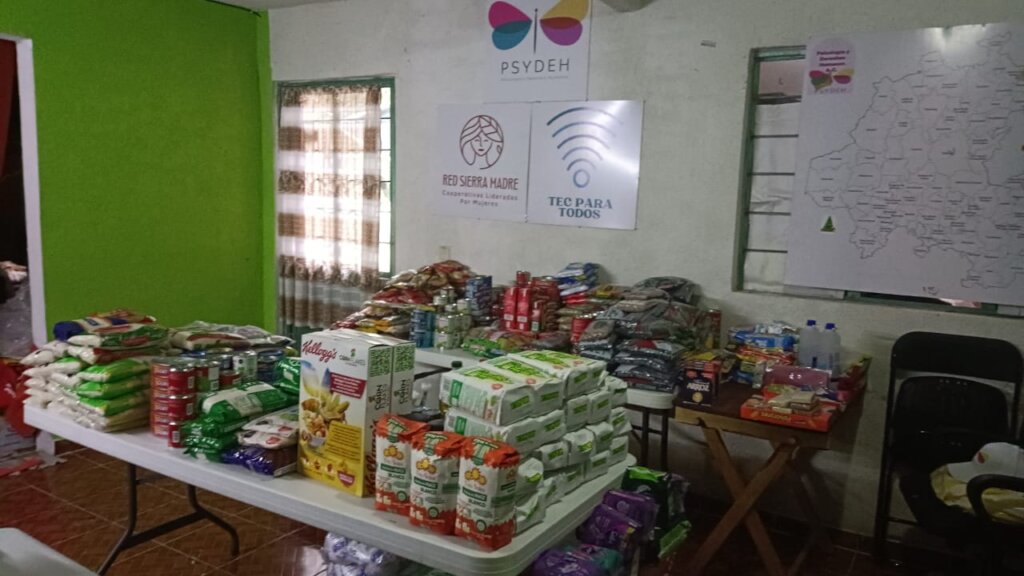
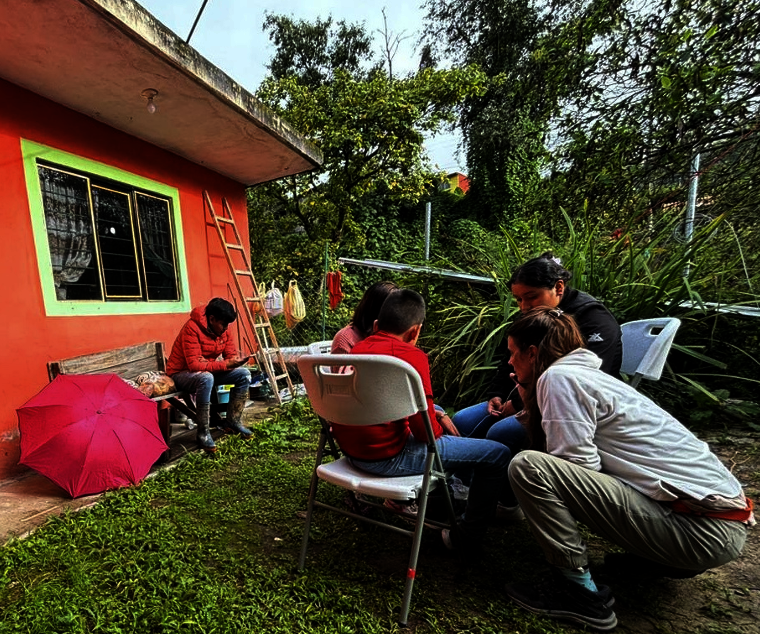
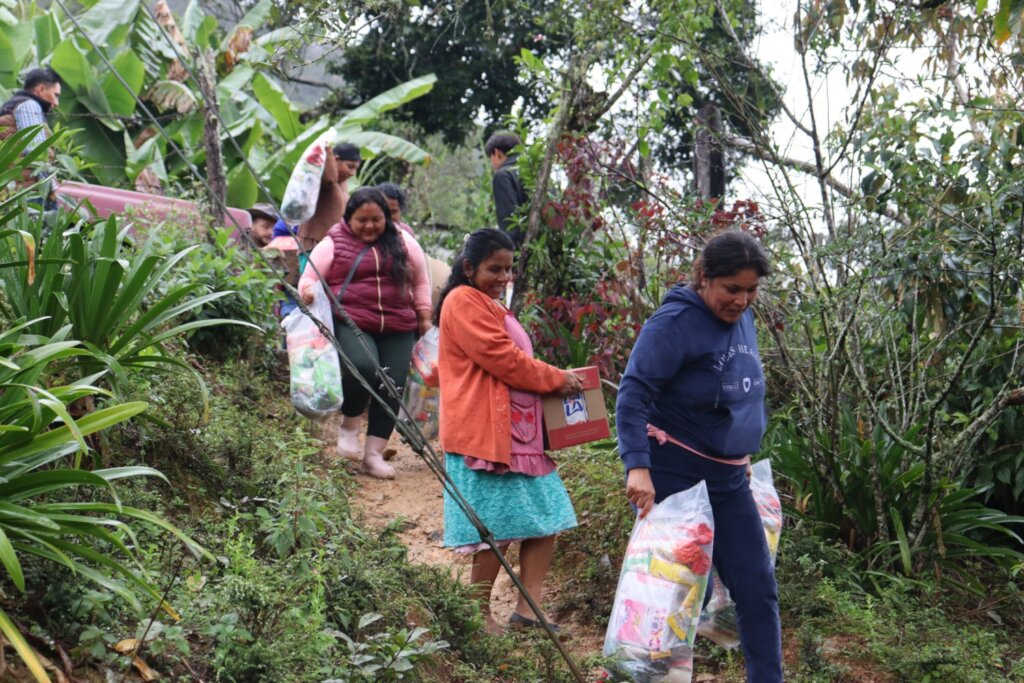
To expand field capacity, PSYDEH established a volunteer Disaster Response Brigade composed of local staff, community members, and university volunteers. Brigade activities included: Distribution of food and emergency supplies to isolated communities Coordination with federal emergency brigades and municipal authorities Delivery of medical supply backpacks to emergency responders Monitoring the functioning of communication infrastructure Reaching communities outside the primary focus of federal aid Using PSYDEH vehicles, public buildings, and community homes as logistics hubs, the brigade enabled aid to reach remote communities that remained inaccessible to many external actors.
Between October and December 2025, PSYDEH’s coordinated response:
PSYDEH’s response reached approximately 10% of the total regional population, focusing particularly on remote communities that remained outside the reach of government assistance.
What we found
Rapid mobilization and local response capacity
PSYDEH was able to mobilize quickly following Hurricane Priscilla due to its established presence in the region and the immediate activation of its Disaster Resilience Plan. The organization’s regional team rapidly assessed community needs, coordinated with local leaders, and began supporting emergency response activities despite road blockages and communication failures. This rapid mobilization ensured that assistance began reaching communities during the critical early stages of the crisis.
Trusted community relationships and networks
Nearly two decades of accompaniment in the region meant that PSYDEH was already deeply embedded in community networks. These relationships enabled the organization to maintain communication with cooperative members and community leaders during the emergency and to identify priority needs quickly and accurately. Community members consistently recognized PSYDEH’s presence and support during the crisis, reinforcing the organization’s reputation as a trusted partner that remains present before, during, and after emergencies.
Filling critical infrastructure gaps
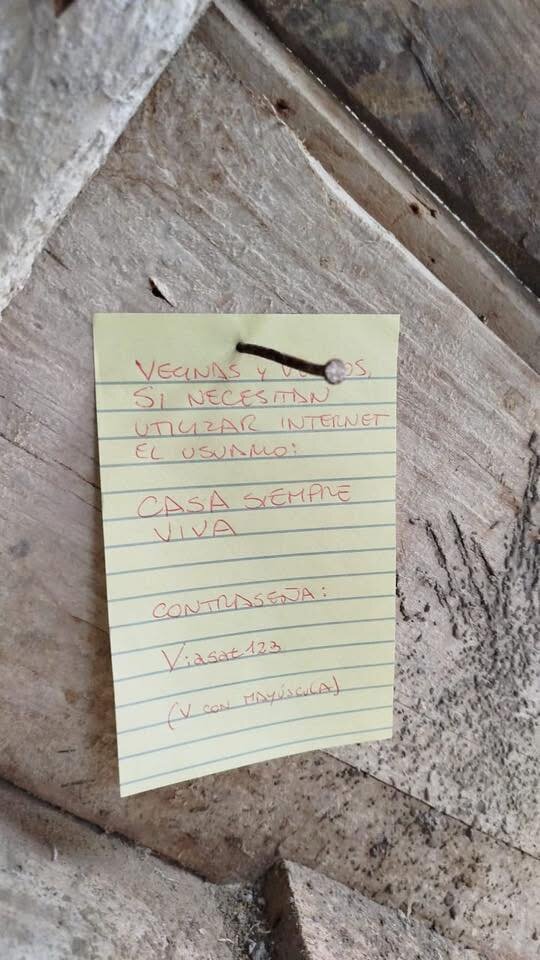
PSYDEH’s investment in solar-powered digital centers and satellite connectivity proved essential during the emergency. When electricity and telecommunications networks collapsed across much of the region, these systems became some of the only functioning communication points available to communities. Families were able to contact relatives, local authorities could coordinate response efforts, and emergency information could circulate despite widespread infrastructure failure.
Effective partnership mobilization
The response demonstrated PSYDEH’s ability to mobilize and coordinate diverse partnerships under emergency conditions. The organization rapidly secured financial support, humanitarian supplies, and medical services through collaboration with civil society organizations, universities, donors, and volunteers. These partnerships allowed the response to scale quickly and ensured that food, medical care, and essential supplies reached communities that would otherwise have remained without assistance.
Culture and community as a source of resilience
Despite the challenges identified, the assessment also revealed strong cultural values of solidarity and mutual support. In moments of crisis, families and neighbours prioritised caring for one another, sharing food, and assisting those most affected. This culture of mutual aid played a crucial role in helping communities navigate the immediate aftermath of the hurricane. Strengthening and organizing these existing social bonds may therefore be one of the most effective foundations for building long-term community resilience to future climate events.
Looking Forward
Hurricane Priscilla underscored both the resilience of communities in the Otomí-Tepehua region and the structural challenges they face in responding to increasingly intense climate events. While the emergency response helped address urgent needs, the scale of the disaster also revealed important gaps in preparedness, infrastructure, and access to essential services. As climate-related disasters become more frequent and unpredictable, strengthening community resilience will be essential to protecting livelihoods, health, and local development. PSYDEH’s next phase of work will therefore focus not only on recovery, but on building the capacities, systems, and partnerships needed to reduce vulnerability to future emergencies.
The response to Hurricane Priscilla demonstrated both the profound vulnerabilities facing rural and Indigenous communities in the Otomí-Tepehua region and the extraordinary strength that emerges through solidarity, organisation, and collaboration. While the hurricane brought loss, disruption, and uncertainty, it also revealed the importance of trusted community networks and the role that civil society organizations can play in bridging critical response gaps.
PSYDEH remains deeply committed to accompanying the communities of the region in the months and years ahead: supporting the recovery, strengthening resilience, and ensuring that the lessons of this crisis translate into stronger systems, greater preparedness, and more secure futures for the families who call the Sierra home.
If you'd like to learn more about our response to this event, please read our Final Report here.
Thank you once again for your continued trust and solidarity. We look forward to keeping you updated on our progress throughout the year.
Un abrazo,
Massimo and the entire PSYDEH team
Links:
Project reports on GlobalGiving are posted directly to globalgiving.org by Project Leaders as they are completed, generally every 3-4 months. To protect the integrity of these documents, GlobalGiving does not alter them; therefore you may find some language or formatting issues.
If you donate to this project or have donated to this project, you can receive an email when this project posts a report. You can also subscribe for reports without donating.



Support this important cause by creating a personalized fundraising page.
Start a Fundraiser