By DR. J. TAGORE DEROSE | DIRECTOR
Report Title:DISASTER RECOVERY BY CLIMATE MANAGERS
Project Title: FLOOD DISASTER RESPONSE AT TAMILNADU,S.INDIA.
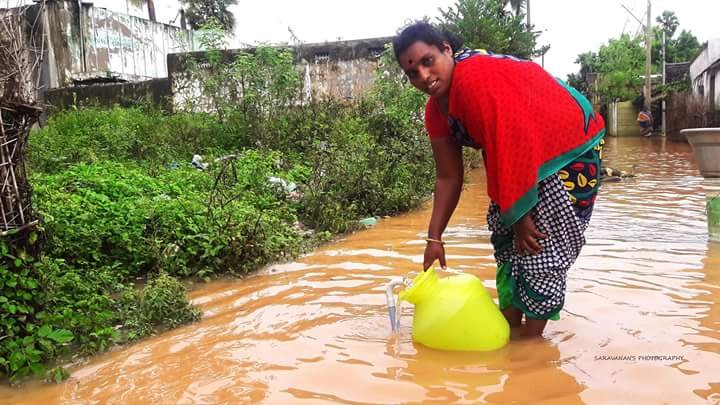
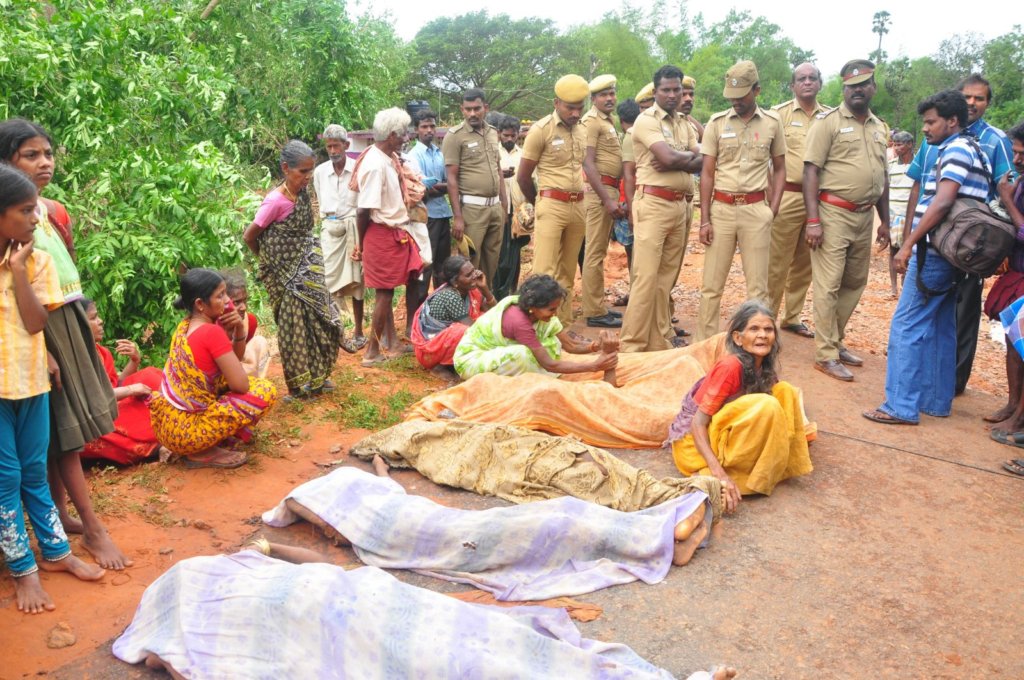
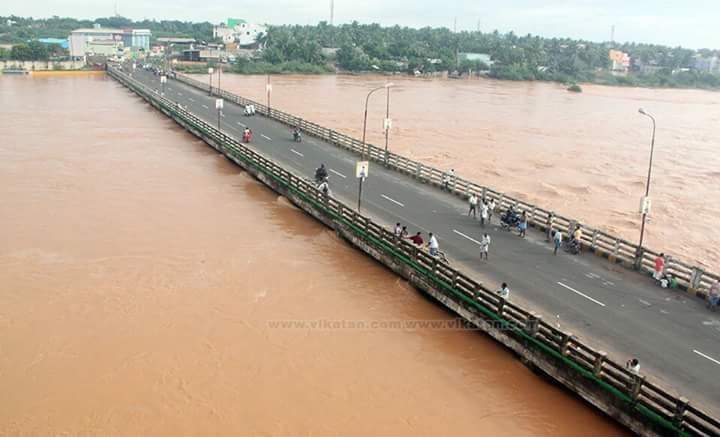
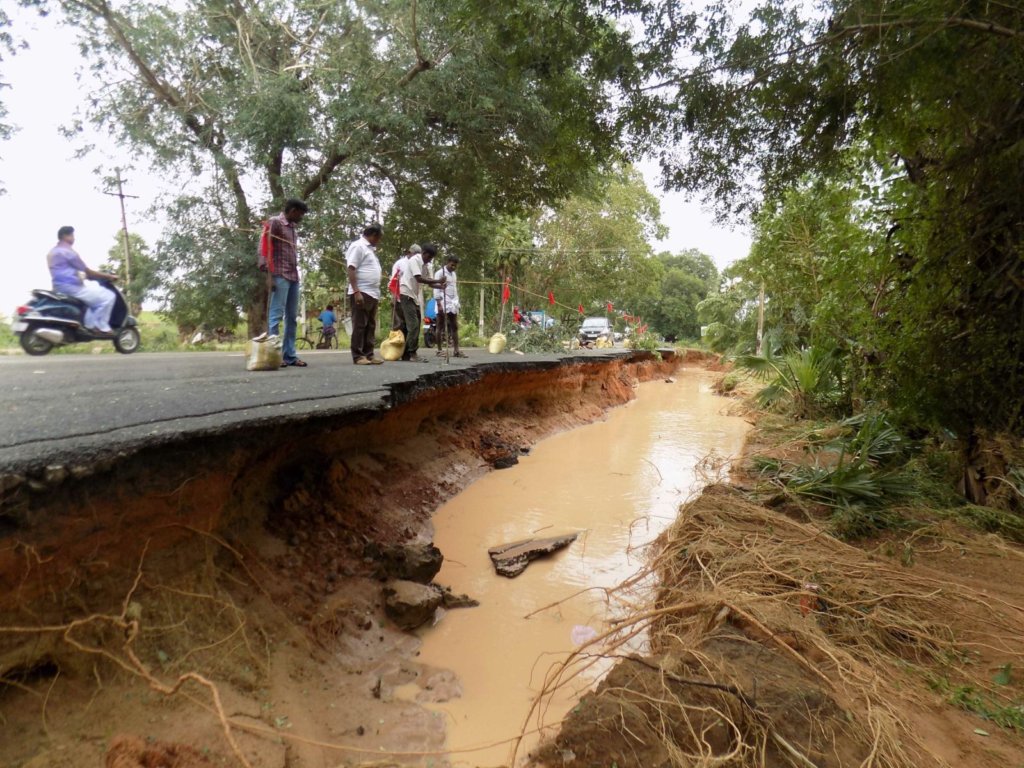
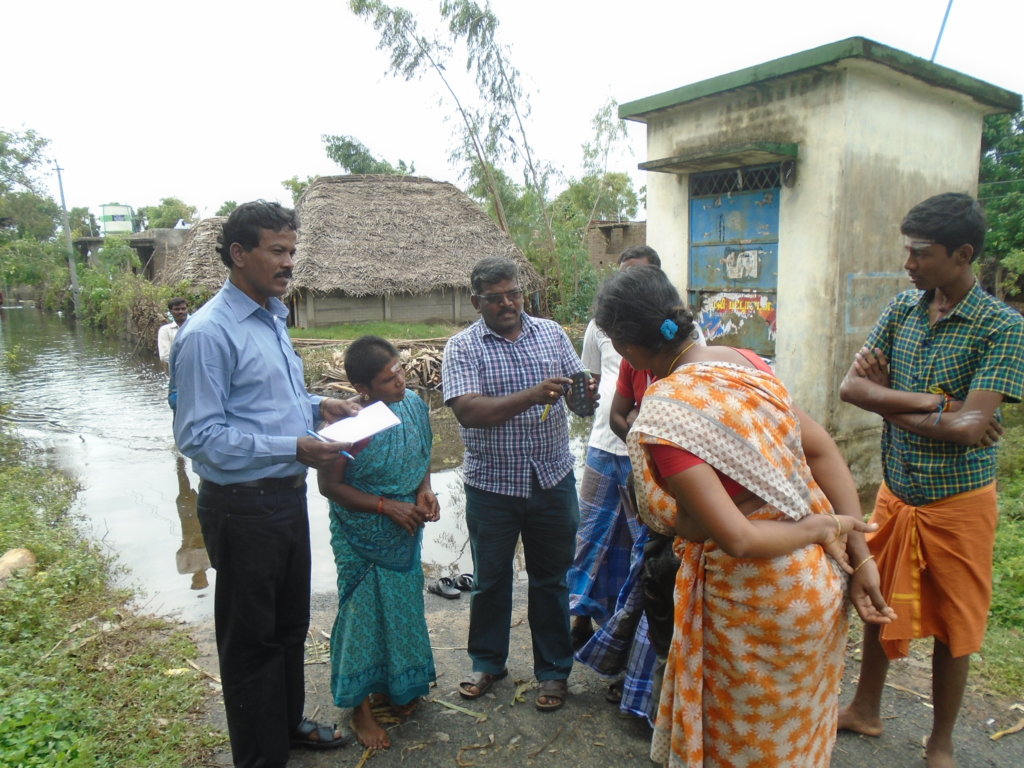
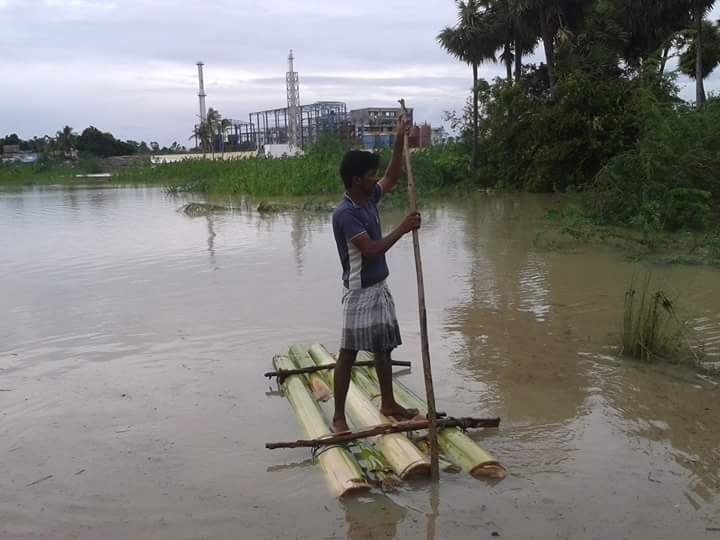
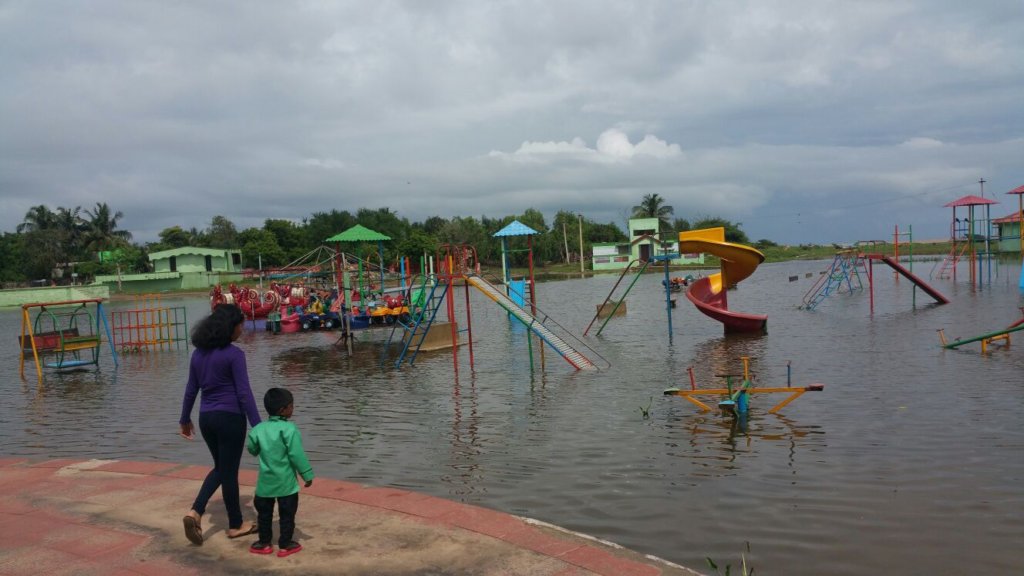
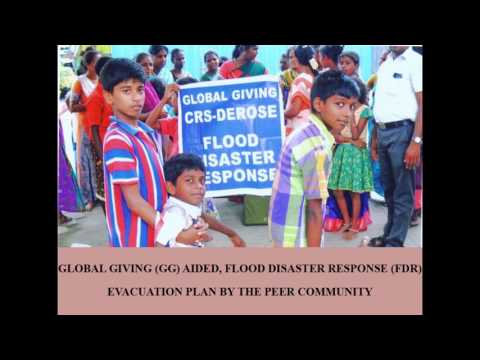
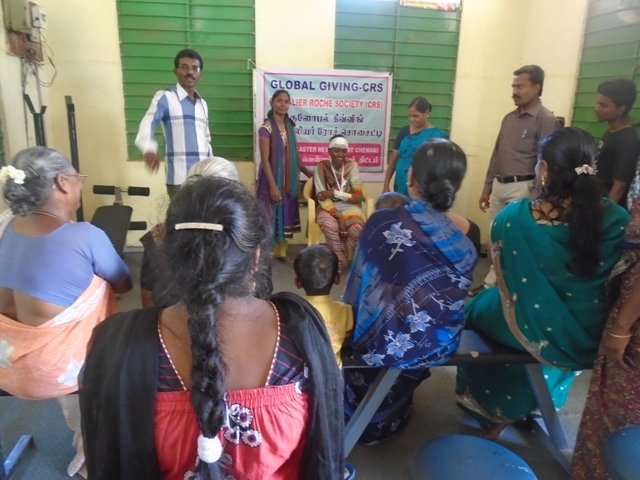
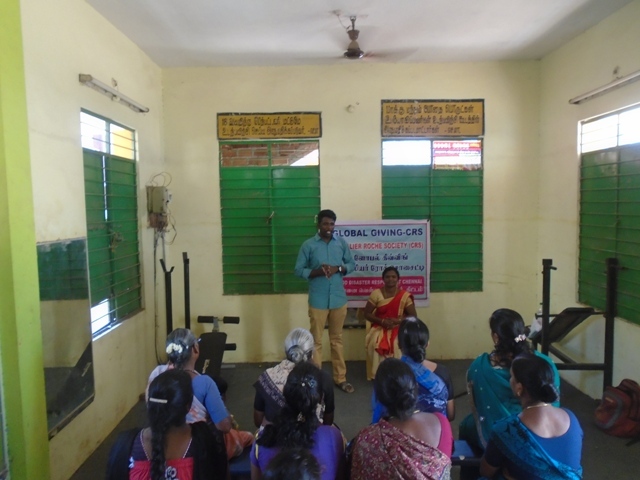
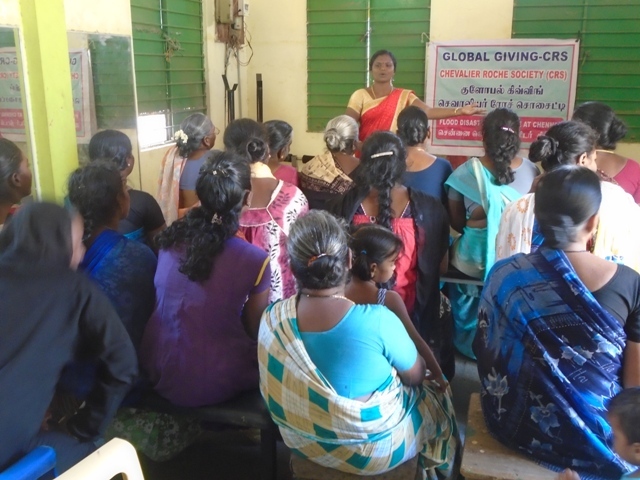
Climate Managers Masters Training Programme regarding the Disaster management Training and Mock Trill programme and recovery work Trainings were offered at Kannagi Nagar, Ezhil nagar, Santhosh Nagar, Saidapet, Tondiar pet etc. such areas which were affected by the rain flood continually every month. Global Giving aided project team convened the Training programmes as mentioned above and created the zealous volunteers and co-ordinated them and master Training programme is convened for them on the basis of that at present we are conducting disaster management Training programmes in the flood affected areas Karunanidhi Nagar, Anna nagar & Dhobi corner of Chennai. Therefore we co-ordinated the much interested volunteers and convened the master Training programme at social welfare centre, Saidapet, Chennai from the above said 8 area. As an important purpose this our motto to gather all interested volunteers and provide them the complete Training and prepare their serve in their our local areas respectively and prepare “CLIMATE MANAGERS”to serve with the guidance of these young interested people. And bring back the community to the normal condition. For this whole purpose these Training programmes were convened to bring the local community to the normal condition
DISASTER MANAGEMENT TRAINING:
During the times of Disaster many defects and losses affect people in various angles. That is why volunteers shall not wait until the recovery teams and Fire service Dept., staff team arrive at the spot. If we do so a number of lives loss would be occurred. That is why with the co-operation of the local community or the common people from the near by areas along with the co-operation of the volunteers shall recover the people from the tall buildings such as Flats, low lying areas and strait locations. In order to bring out and recover the victims from these areas Recovery Training, search etc are necessary. In order to do this and to perform the practical demonstration Mock Trill Training and to provide the treatment for the affected people through First Aid Help and to carry them to the near by hospital such Training Programmes are necessary. We offered both of this 1.Search Training 2.First Aid Training and also the Mock Drill Training programme for the participants of this “CLIMATE MANAGERS” Training Programme.
SEARCH,RESCUE & RECOVERY TRAINING:
It is considered as an important task to recover the victims from a demolished area. During the demolitions of the building same lives are entangled under the demolitions or under the wooden articles. During that occasion vulnerable community get searched and they meet a sudden death because of the shock and forsaken condition. Even through the defects is less sometimes as the large quantity of demolitions are found surrounding them they are unable to escape they feel very hard and many defects are found in major level. According to this when a disaster is occurred, at first we must trace and find the lives being entangled with in the demolitions, sand layers in low lying areas, lives under the broken trees. In the spots where the small gaps are found, we must emit the torch light rays and check whether any voice is heard even through any voice was not heard from those places, we must ask in a loud voice ‘’ Is anybody there? ‘’ If we do, people in the critical condition would get hope and courage. Such person would think that somebody has come to protect us. If any murmuring or mild voice is heard, soon must remove the demolitions from those areas. Then only we can protect such person being entangled among the demolitions. When we involve in the recovery we shall not disaster the victim person who is entangled or shall not make him to afraid and we must create boldness to him. Then he would be encouraged and co – operate with us to recover him from the critical disaster. It would be more helpful it two or more persons than a single person involve in the recovery work. Because it would be safety to recover the victim who is entangled among the demolitions.
MOCK DRILL PRACTICAL DEMONSTRATION:
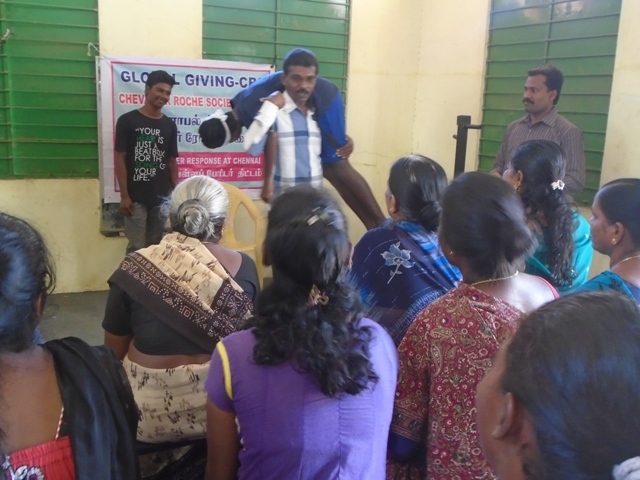
This training is offered for the “CLIMATE MANAGERS”. Hence the practical demonstration with the explanation was considered as unimportant one. It is very important to recover the single persons being entangled. When a single person is found hurt with deep wounds and he is in the position to give no co–operation we must recover him as a single person. At the same time we must lift up him without causing any disturbance. In order to do that we must pull him out in his lying condition we must carefully pull out his hands and legs and kept his body comfortably upon our shoulders and walk gently and very safety. When the disaster affected person is found with severe injuries, we may call one or two persons to co-operate with as to recover the affected person. In front a person can hold his two legs. From the backside of the person another hold his hands smoothly and bring down him to a normal condition for treatment. It was practically demonstrated before the audience also in some occasions the disaster affected persons may be in the sitting position. It we are unable to recover them immediately they would feel very hard. To avoid the further damage we can take a old chair and with the help of another person we can help the disaster victim to sit on the chair comfortably and carry him to a protected place. When a disaster affected person is some what able to standup, a healthy person can help him by keeping the affected persons feet upon his feet and hold his shoulders. By hand and gently walk towards the place of protection. Such important trainings were offered to the beneficiaries along with the practical demonstration.
FIRST AID TRAINING:
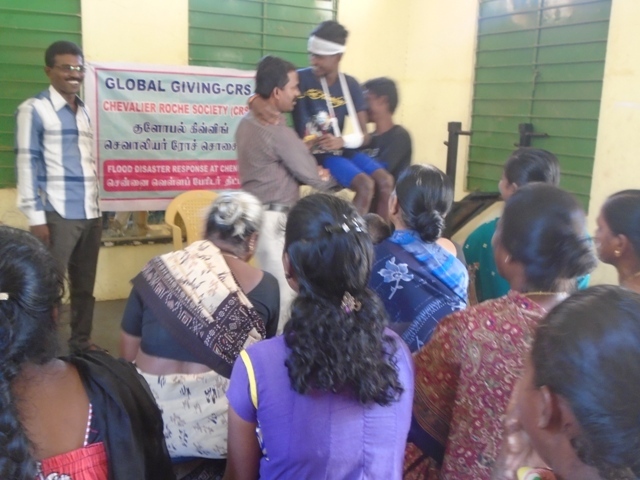
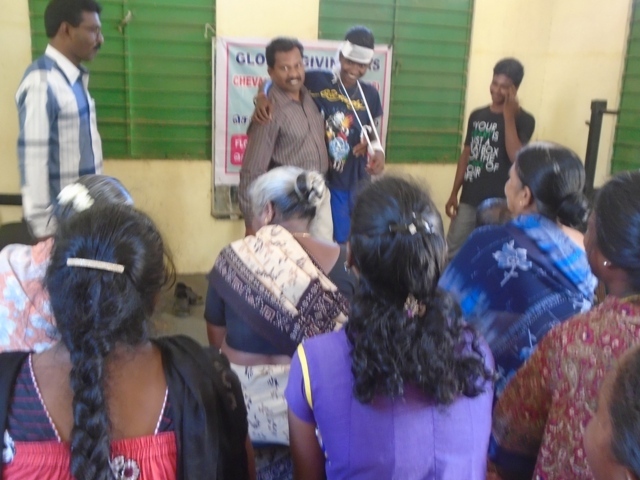
During the times of major disasters when First Aid helps are delayed due to much hemorrhage loss of lives or reaching the serious condition is met. In order to avoid that First Aid Training was offered to a multitude of people to be understood easily. If a person is found head injured with much bleeding at first we must avoid the out flow of blood from the head injury. To do this we must take a clean and fine cloth and tear it on the one edge and fold it as 4 times to 6 times and keep it upon the injury and make a bandage with another long strip of cloth around the head tightly according to the position of injury upon head if we do so until the patient reaches the hospital bleeding would be completely blocked. In that manner we can save many lives from the death. In some occasions we may find the hand or leg injured with much bleeding like wise in the previous case of head injury we can tear a piece of cloth from a clean Dhoti or saree or any towel or soft bed sheet. Then we may take 2 flat sticks or two foot scales and keep them one at the top of the injury and another one at the bottom of the injury and cover those with the clean strip of cloth tightly and make a bandage for the speedy recovery. If the fracture is below the knee bone of the hand we can make a cradle like from with another strip of cloth.
Project reports on GlobalGiving are posted directly to globalgiving.org by Project Leaders as they are completed, generally every 3-4 months. To protect the integrity of these documents, GlobalGiving does not alter them; therefore you may find some language or formatting issues.
If you donate to this project or have donated to this project, you can receive an email when this project posts a report. You can also subscribe for reports without donating.