By MAP International Staff | Global Giving
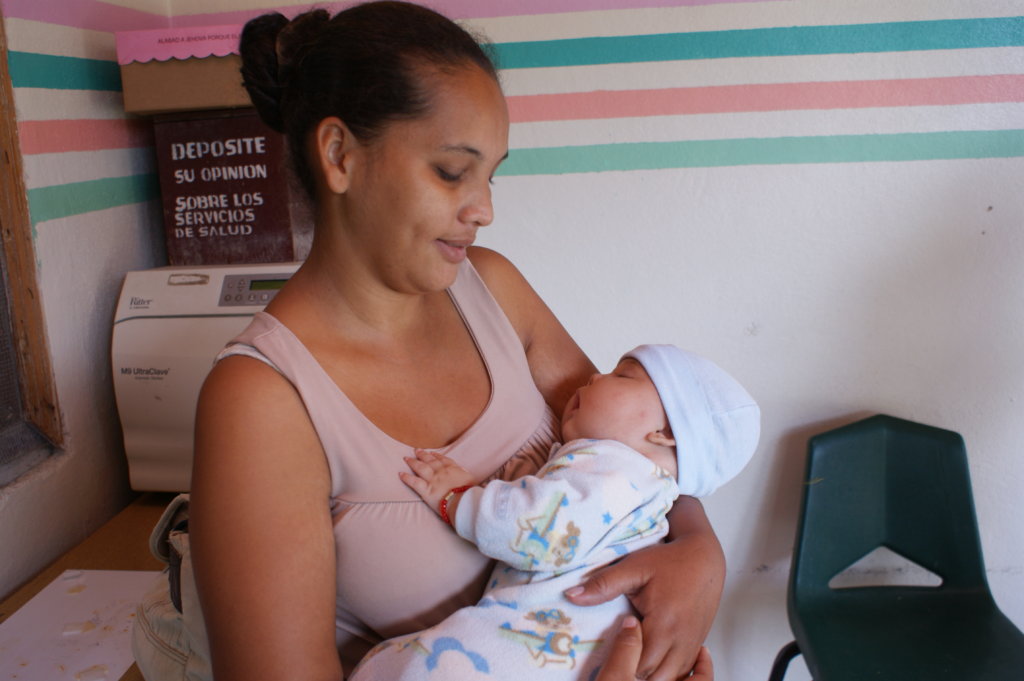
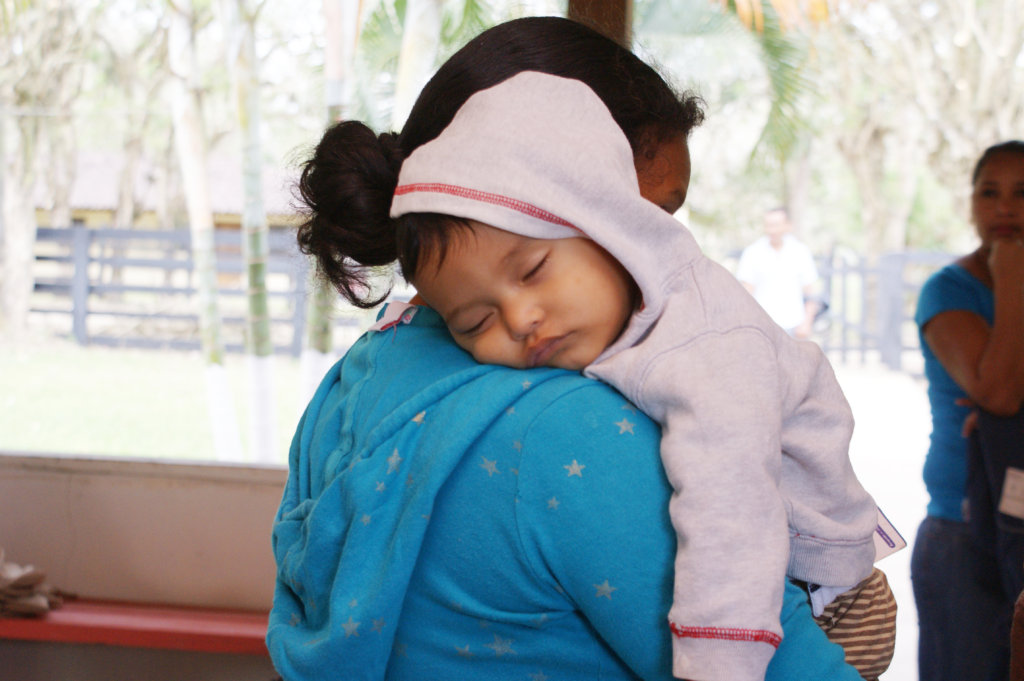
Families in many South and Latin American countries are facing a heartbreaking dilemma: Avoid pregnancy altogether or risk a stillbirth or the birth of a baby with severe mental and physical disabilities.
With the Zika virus continuing to spread, the impact is personal for many. “We have already lost four babies in our congregation,” said Pastor Maria Cristina Gregorio, of the Tabernacle Church of Salvation and Praise in the Dominican Republic. “The virus is everywhere.” The Aedes aegypti mosquito is spreading the Zika virus rapidly throughout Latin America and the Caribbean, and it’s estimated that there are over 1,500 cases in the United States as well. “This is the cockroach of mosquitos,” said Dr. Tom Frieden, Director of the Centers for Disease Control and Preventions (CDC). “It lives indoors and out, bites in the day and in the night. The eggs can last more than a year, and they can hatch in a drop of water.” Though not life-threatening to healthy adults, unborn babies are at high risk for the Zika virus, which can cause severe birth defects if the baby survives pregnancy. Symptoms are very similar to those of malaria, chikungunya, dengue, yellow fever and other diseases. This complicates matters, causing many people to think that they’ve been infected with the Zika virus. Access to testing is insufficient and costly, so many cases go unconfirmed or misdiagnosed.
Francesca, a young mother of two in the Dominican Republic is like many others living in Zika infected regions. “I think that my children had Zika last month,” said Francesca. “They had diarrhea, headaches, and fevers.” MAP’s primary goal is to protect pregnant women from the Zika virus by providing mosquito repellents and to alleviate the effects of those infected by the virus through pain relievers and fever reducers.
Since February, MAP has provided over $119 million in relief to Zika infected regions and will continue to provide as much aid as possible to field partners. “The speed of an epidemic is a speed of days and weeks,” said Frieden. “We have a narrow window of opportunity to scale up Zika prevention measures, and that window is closing.”
You can help protect and treat those living in Zika areas in South and Latin America.
MAP Zika Relief:
The Facts on Zika
Links:
Project reports on GlobalGiving are posted directly to globalgiving.org by Project Leaders as they are completed, generally every 3-4 months. To protect the integrity of these documents, GlobalGiving does not alter them; therefore you may find some language or formatting issues.
If you donate to this project or have donated to this project, you can receive an email when this project posts a report. You can also subscribe for reports without donating.