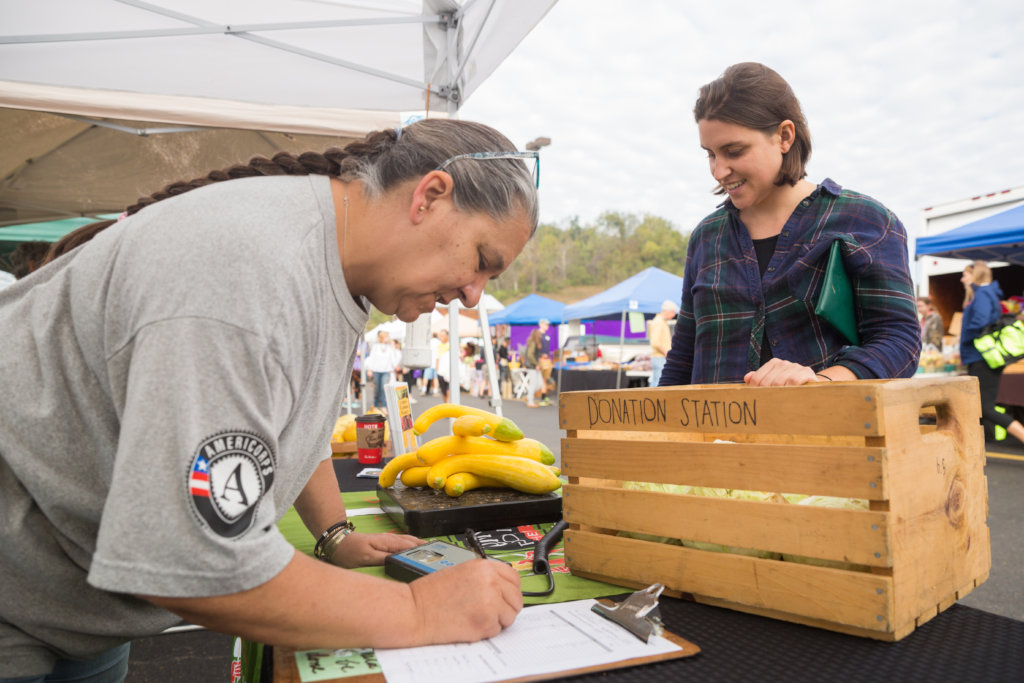
By Sierra Farris | Donation Station and Discovery Kitchen Coordinator
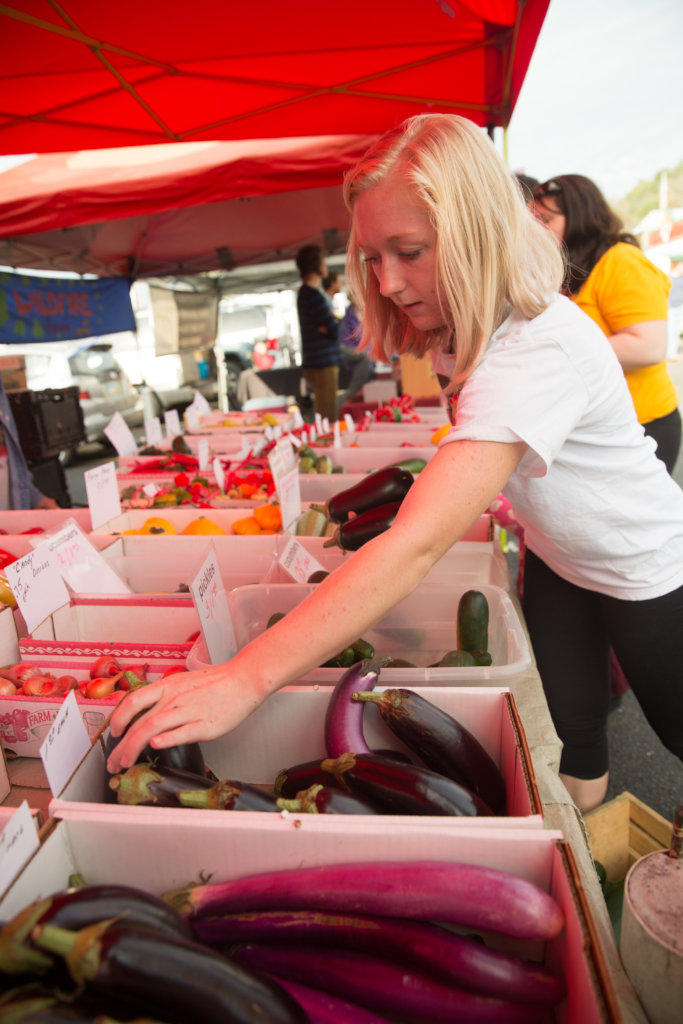
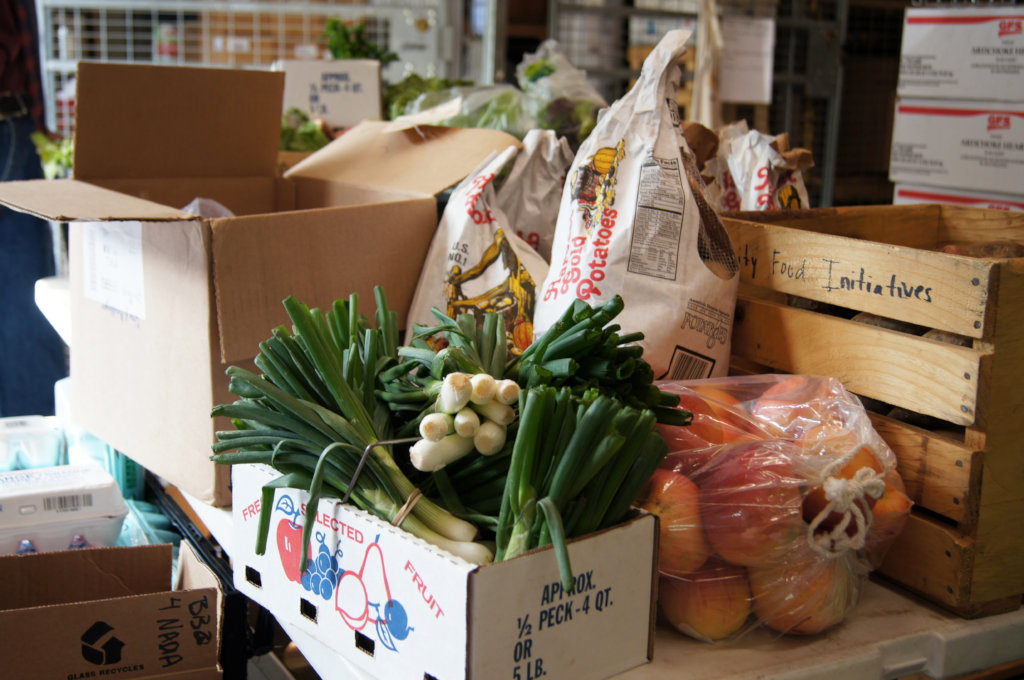
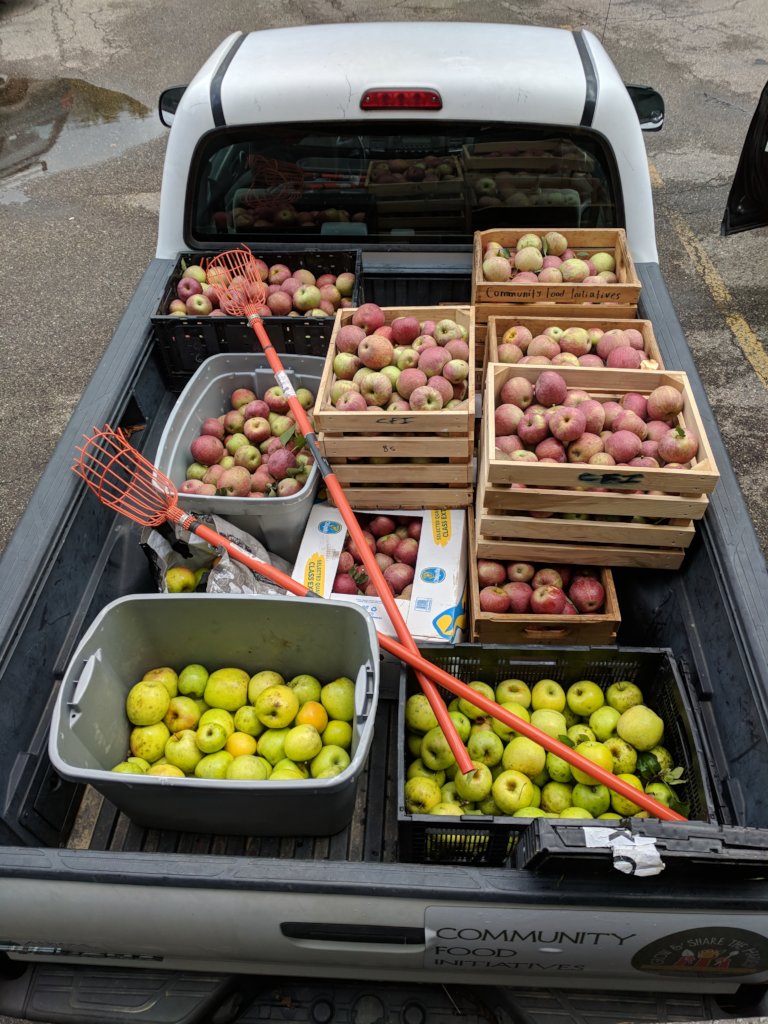
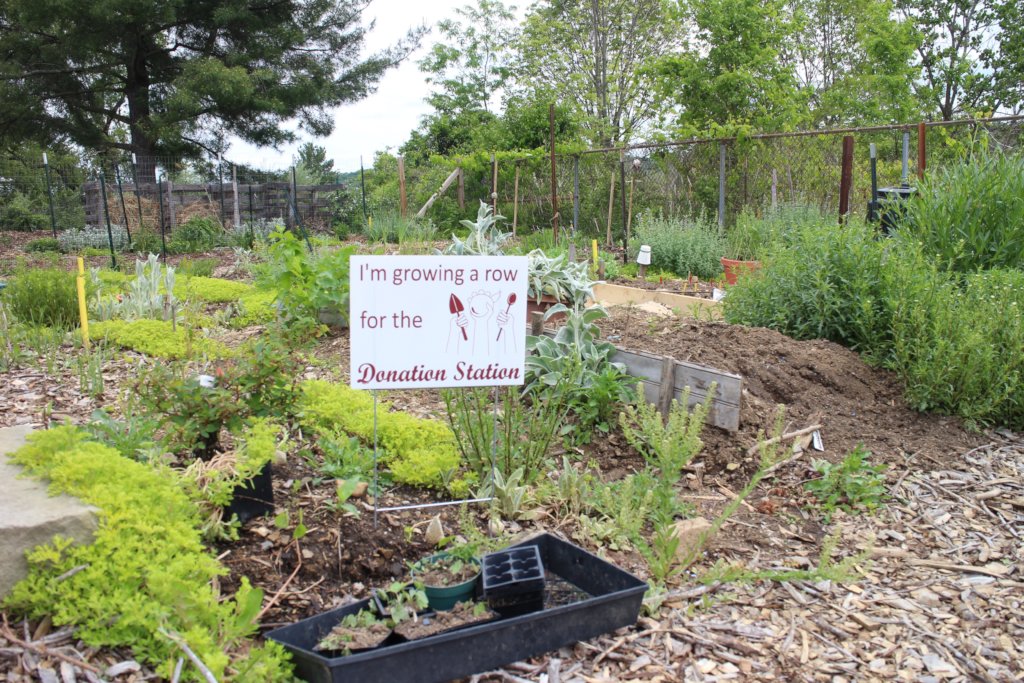
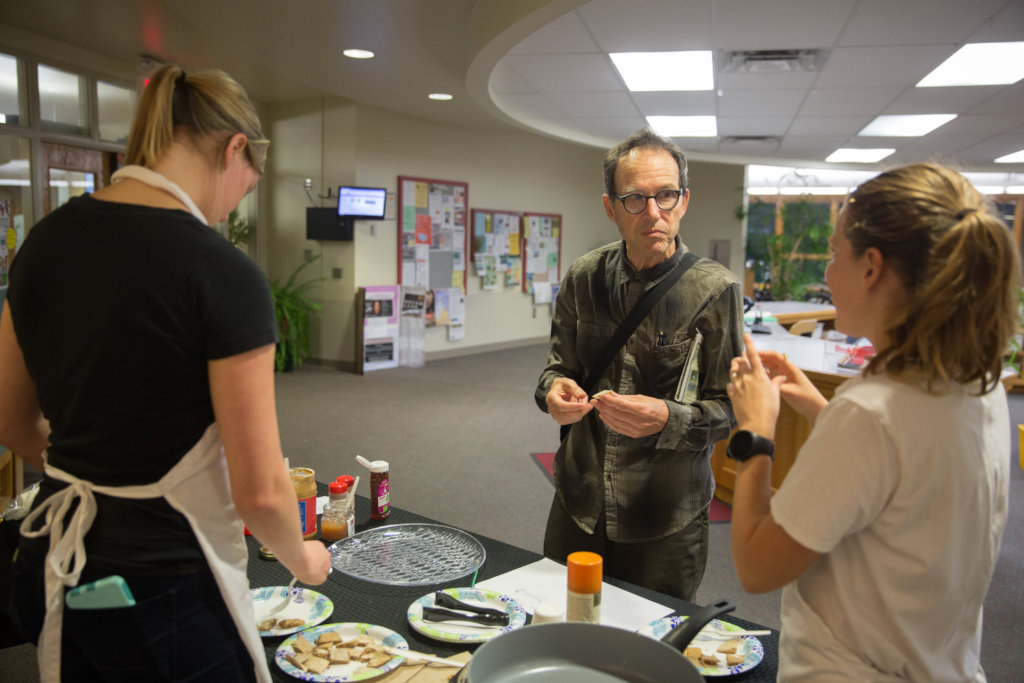
Food that is distributed to families in Appalachia from the Donation Station reflect the foods that are seasonally abundant at any given time. Every month our Donation Station and Discovery Kitchen Coordinator reaches out to all of the food pantries that recieve fresh, local produce from the Donation Station and gives them ideas to pass on to their clients about how to use (and preserve!) the fresh abundance. We've decided to share the message with you! Enjoy a couple of seasonal Cabbage recipes below.
Cabbage will be in season through October, and fermenting cabbage yourself will keep it available for use months beyond its harvest or purchase. Cabbage is extremely nutritious! ½ cup of cabbage provides 45% of the daily recommended amount of Vitamin C. It is also an excellent source of vitamins A, K, and B6; and minerals folate, and manganese. Cabbage also contains quercetin, an antioxidant that is a natural antihistamine that can benefit allergy sufferers. Learn more about the nutritional benefits of cabbage here.
Ingredients:
1 medium cabbage (cored and shredded/thinly sliced)
2 tsp. sea salt (up to 1 tbsp.)
4 tbsp. whey (optional: for casein/dairy free recipe, omit and use twice the sea salt)
1 tbsp. caraway seeds (optional)
If you do not have any whey handy or would like your sauerkraut to be vegan, simply replace the whey with double the amount of sea salt!
Preparation:
In a large container, mix all of the ingredients together. Then pound with a wooden pounder or food hammer for 10 minutes to release juices. Or just get in there with clean hands! I did not have a pounder at my apartment so I chose to use my hands and it was incredibly effective (as well as a good hand exercise).
Then place in a wide-mouth, quart-sized mason jar and press down firmly until the juices cover the top of the cabbage. The top of the cabbage should be at least 1 in. below the top of the jar.
Cover tightly (but not too, too tight*) and keep at room temperature for 3 days before transferring to cold storage.
The sauerkraut can be eaten right away but, like many things, it improves with age! I would suggest going as tight as possible and then doing a quarter turn backwards to let some gas escape. Learn more about making Sauerkraut here.
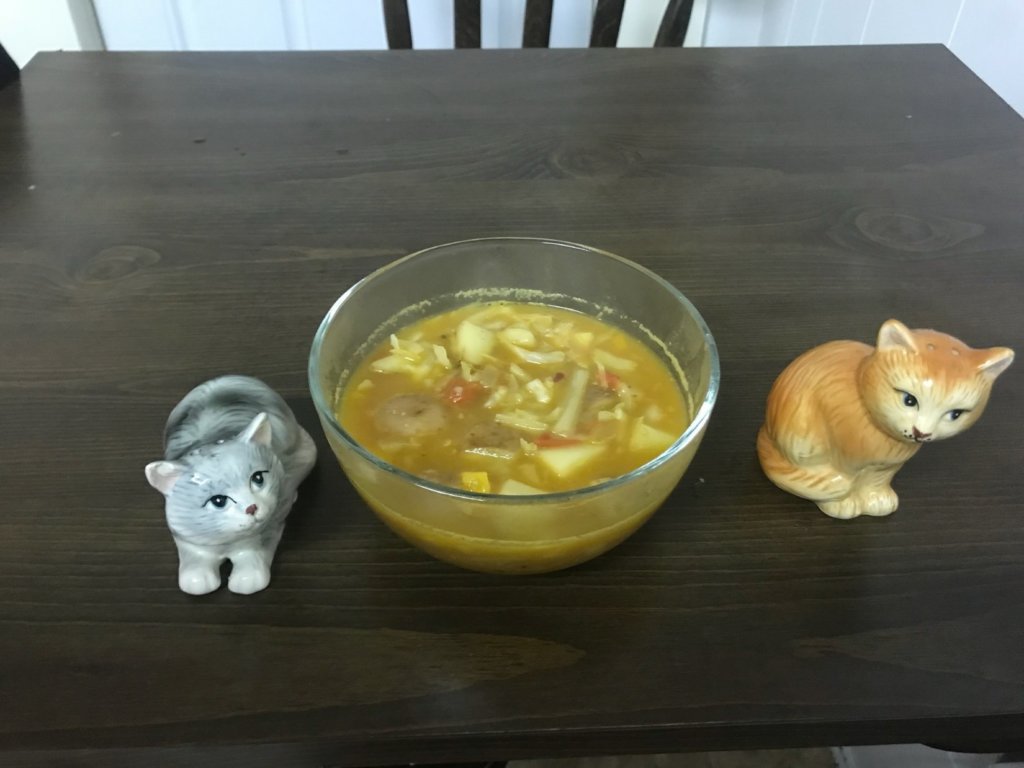
I continued my journey with the Eastern European dish Kapusniak, which is made with fresh cabbage during the summer & fall months and sauerkraut in the winter time.
I specifically wanted a recipe with ginger and garlic since I could feel a little cold coming on, and ended up with a warm and hearty dish that was quick to prepare and produced many servings.
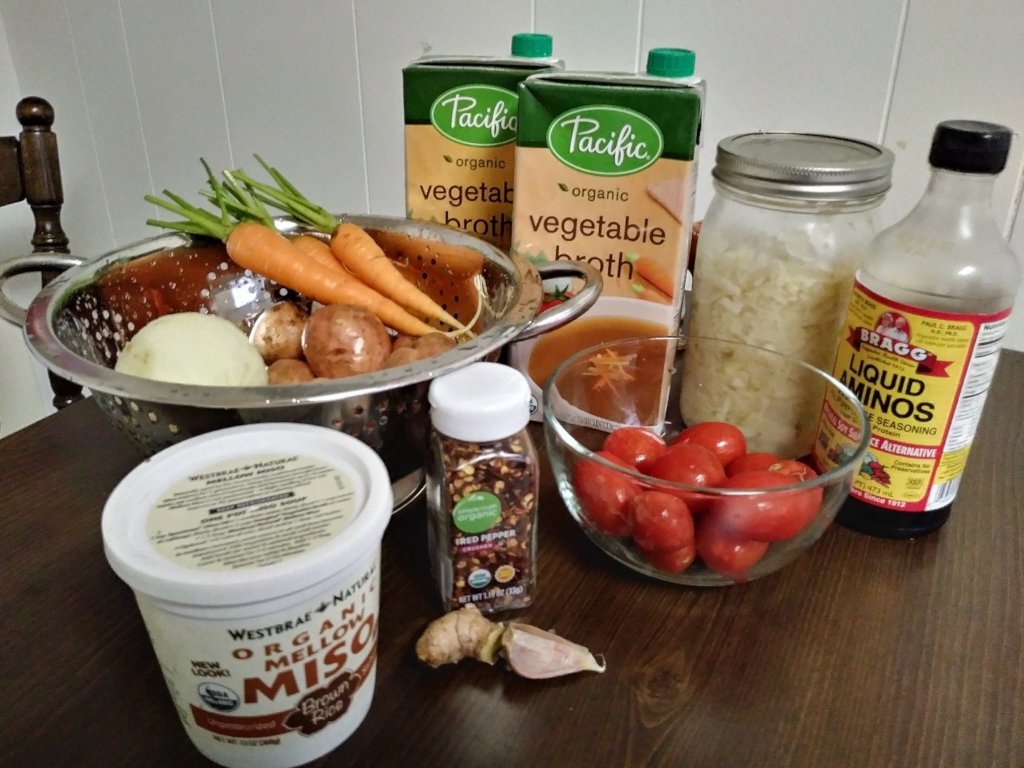
Ingredients:
Preparation:
1. Heat olive oil in a large pot on Medium-High heat. Add onion for about 4 mins. Then add garlic for about 30 seconds.
2. Add potatoes and carrots for 5 minutes. Then add ginger, miso paste, chili flakes and tomatoes. Stir constantly for about 2 minutes.
3. Add vegetable stock to pot and boil, then reduce to simmer for 10 minutes. (I only used 1 L and was successful and still had a large portion of soup)
4. Add sauerkraut and cook until tender but still crisp.
Serve warm and top with cilantro and green onion if desired! Learn more here.
Links:
Project reports on GlobalGiving are posted directly to globalgiving.org by Project Leaders as they are completed, generally every 3-4 months. To protect the integrity of these documents, GlobalGiving does not alter them; therefore you may find some language or formatting issues.
If you donate to this project or have donated to this project, you can receive an email when this project posts a report. You can also subscribe for reports without donating.



Support this important cause by creating a personalized fundraising page.
Start a Fundraiser