By Seth Mwangi | Service Delivery Manager
Introduction
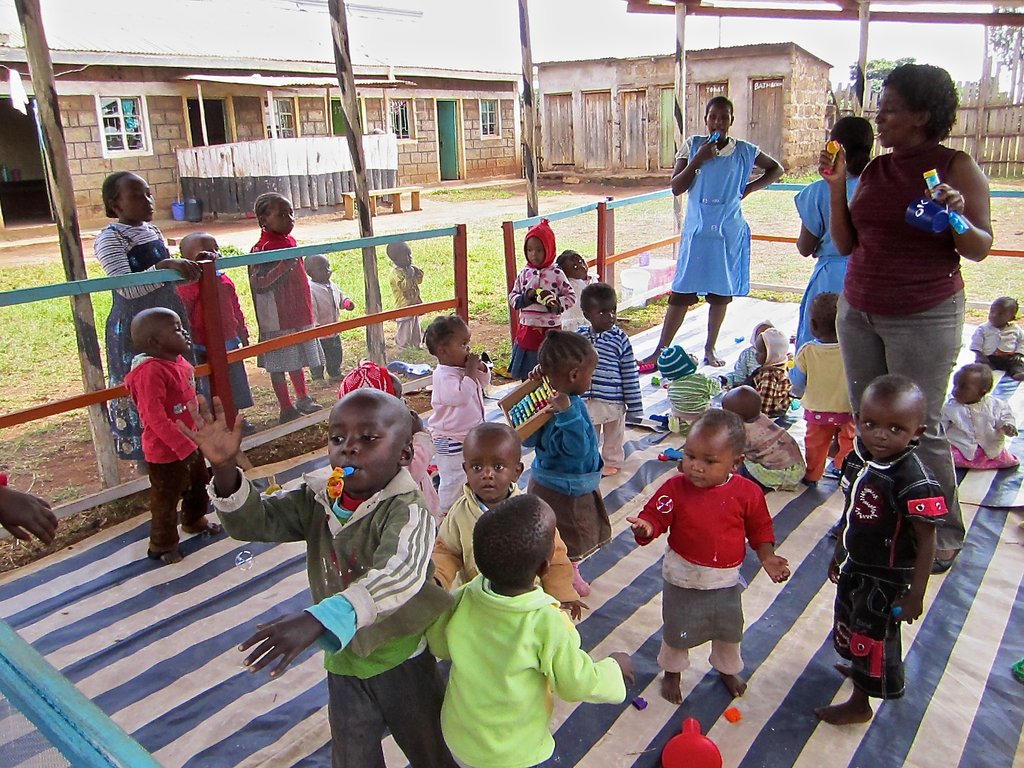
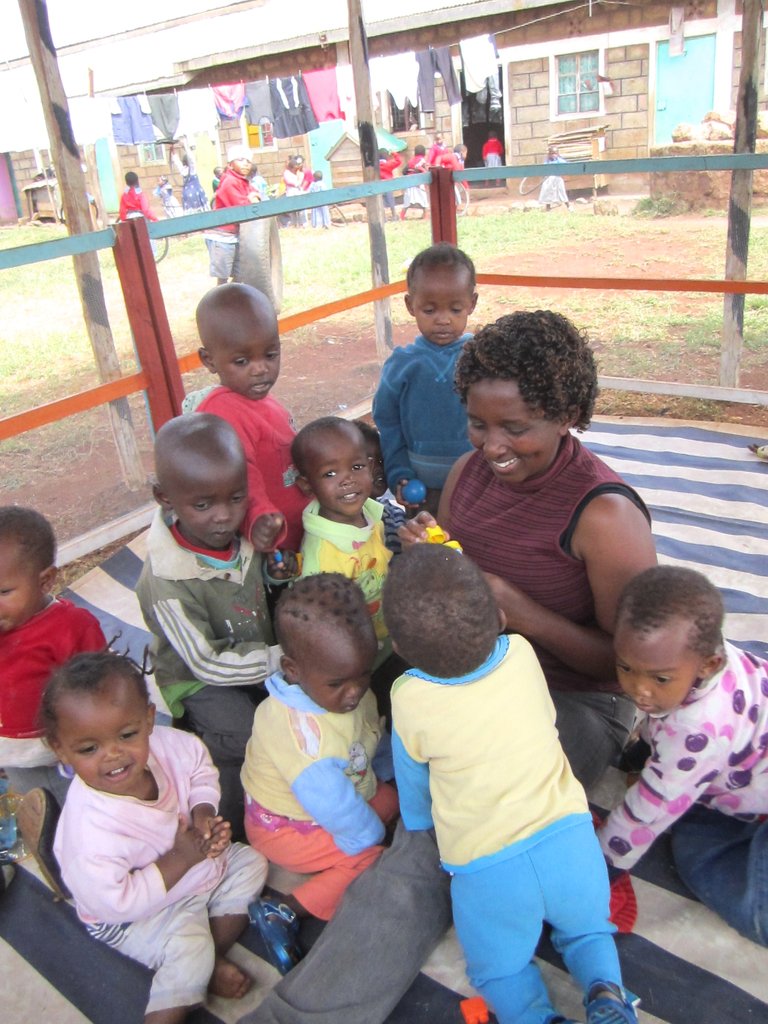
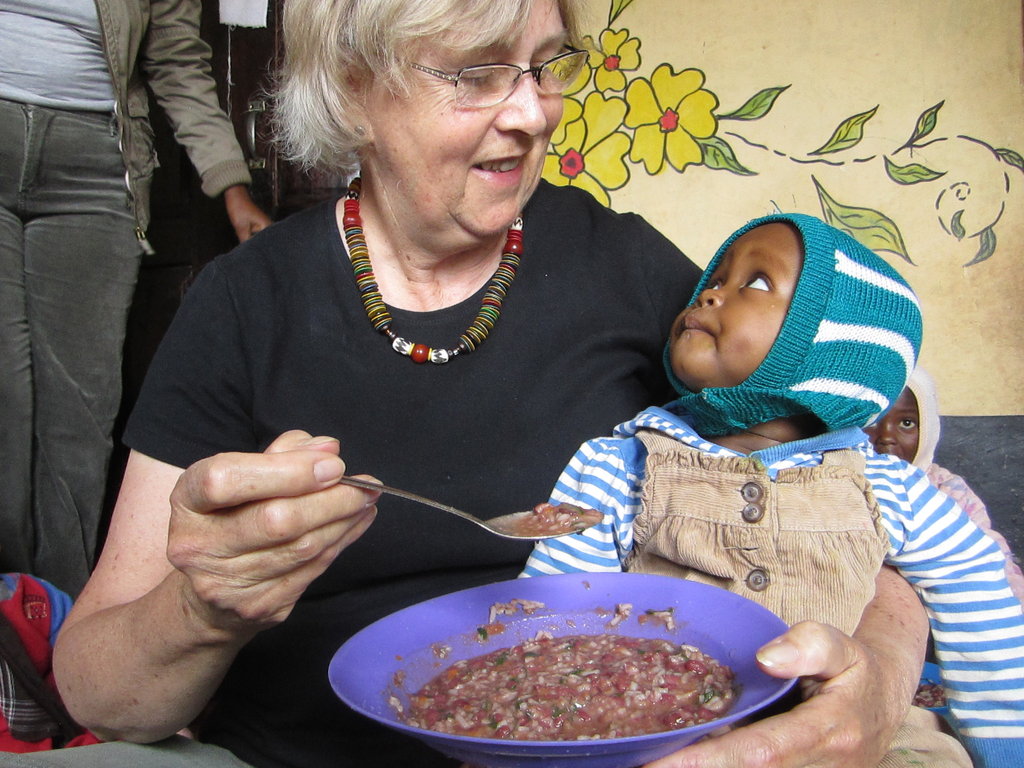
Malnutrition still remains one of the most significant public health challenges, particularly among vulnerable populations. The consequences of malnutrition are profound, affecting not only physical health but also cognitive development and overall quality of life. In response to this pressing issue, Macheo, a non-profit organization dedicated to improving the well-being of disadvantaged children, has implemented a comprehensive malnutrition intervention program.
This report aims at examining the various components of the intervention, including nutritional support, education, and community engagement, we aim to highlight the effectiveness and impact of these efforts on the target population.
Objectives
The primary objectives of Macheo’s malnutrition intervention program are to:
Methodology
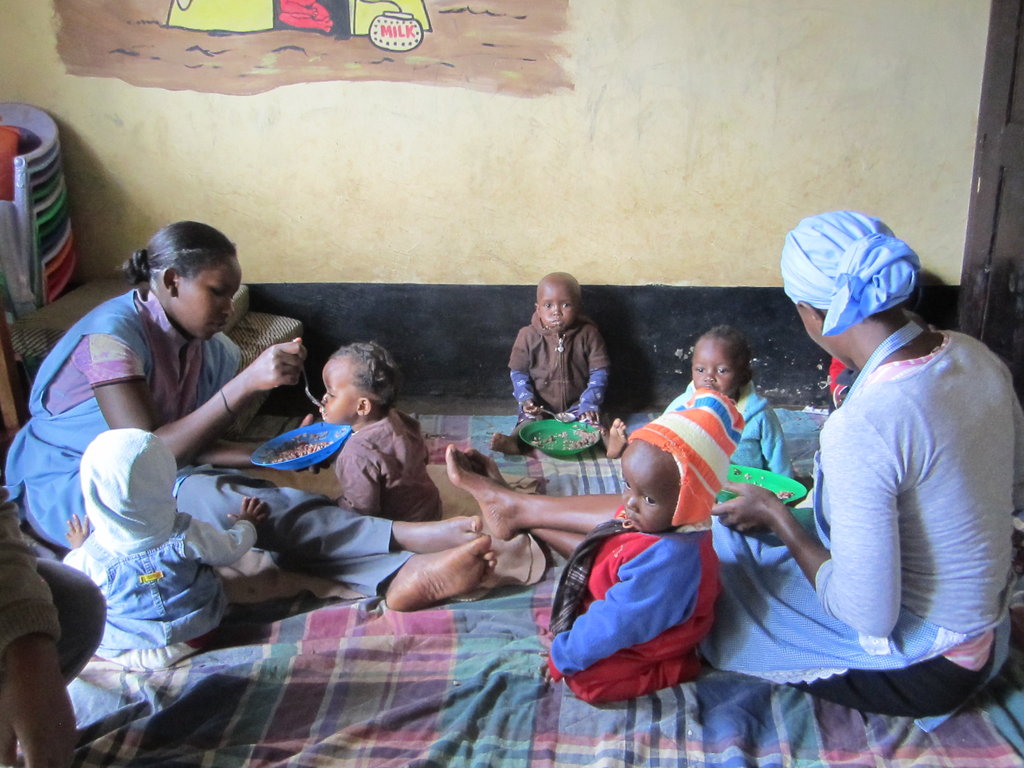
During the reporting period, the Malnourished intervention used a multifaceted approach to tackle malnutrition, involving the following key components:
Nutritional Support
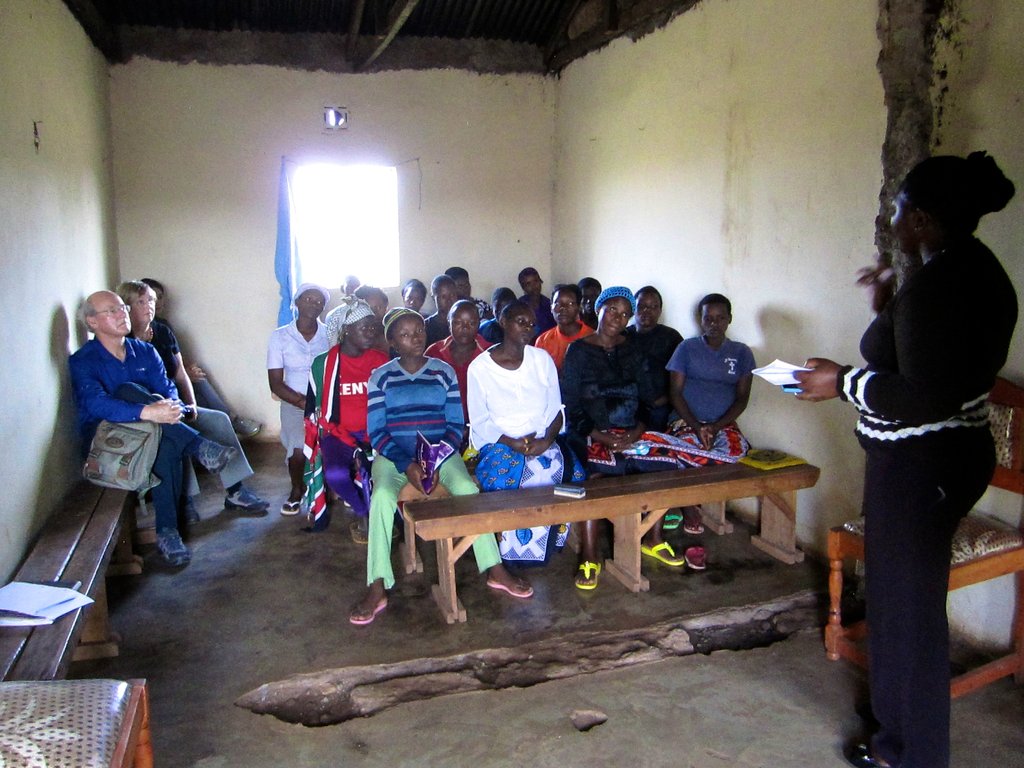
Health and Nutrition Education
Monitoring and Evaluation
Outcomes
We have achieved significant milestones:
Challenges
Despite the successes, the program has encountered several challenges:
Recommendations
To build on the successes and address the challenges, the following recommendations are proposed:
Success Story
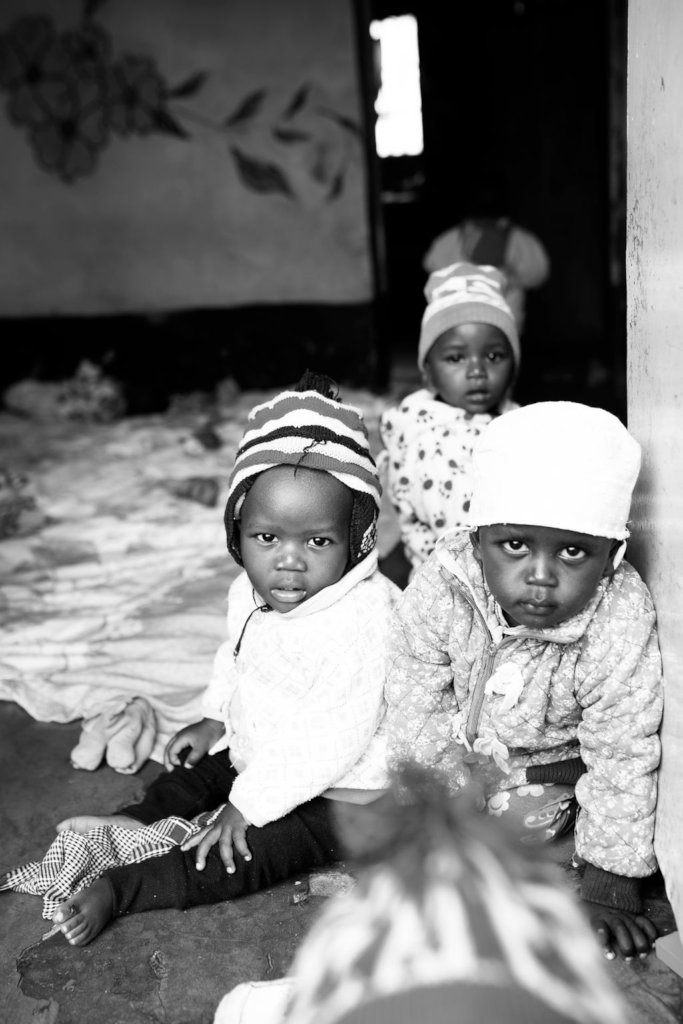
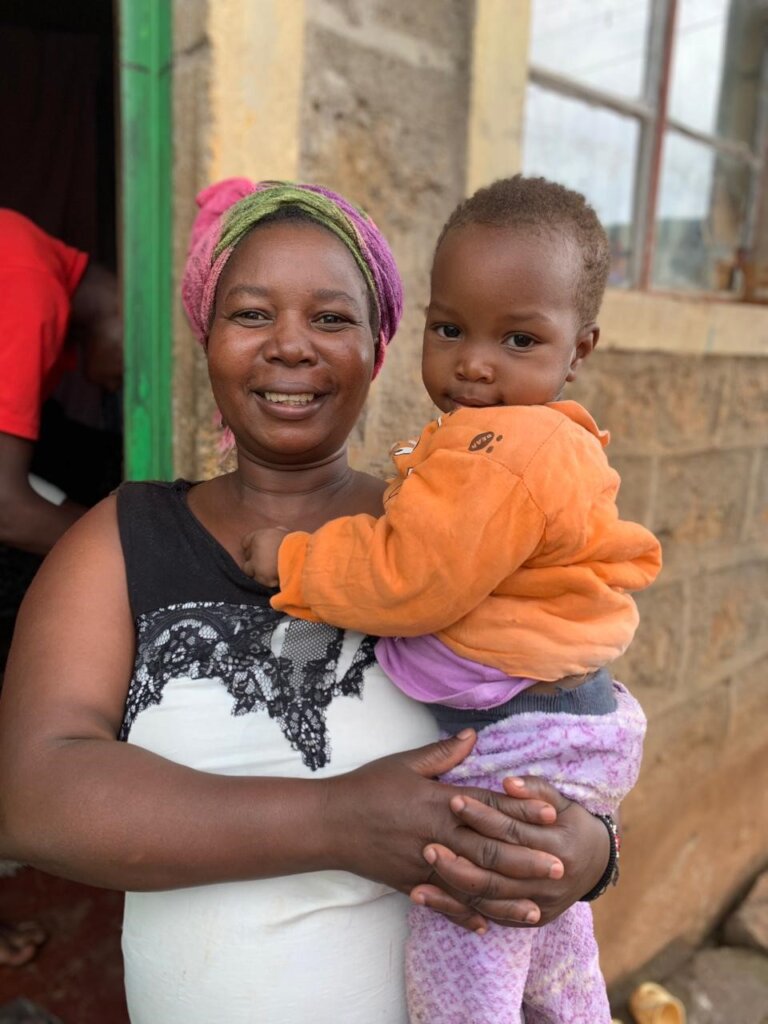
Felis is a two-year-old girl. Born the last of two siblings—two boys, ages 18 and 11—Felis had a challenging start to life. Born to an HIV-positive mother, Felis had struggles with proper nutrition in her earliest days. Agatha, Felis’ mom, received little nutrition care while she was heavy with Felis.
A casual labourer, Agatha found it hard to provide for her two children at the time, besides her pregnancy. As a result, little Felis came into this world severely malnourished and with a weak immunity that rendered her prone to many diseases. Through her neighbour, a former beneficiary of Macheo’s programs, Agatha came to know of Macheo. In a moment of intense vulnerability, Agatha took sickly little Felis to the offices of Macheo in her area in search of support.
Agatha put so much effort and resources into Felis’ health that she could not take care of her other children. Thus, little Felis was enrolled in the Malnourished Children program—a program that aims to improve children’s nutrition through the provision of nutritional information to caregivers, milk powder, and nutritionally fortified porridge flour. Little by little, Felis gained weight. Agatha, being reactive, was referred to an organisation that supported reactive patients, especially mothers, with food packages and empowered them with skill development.
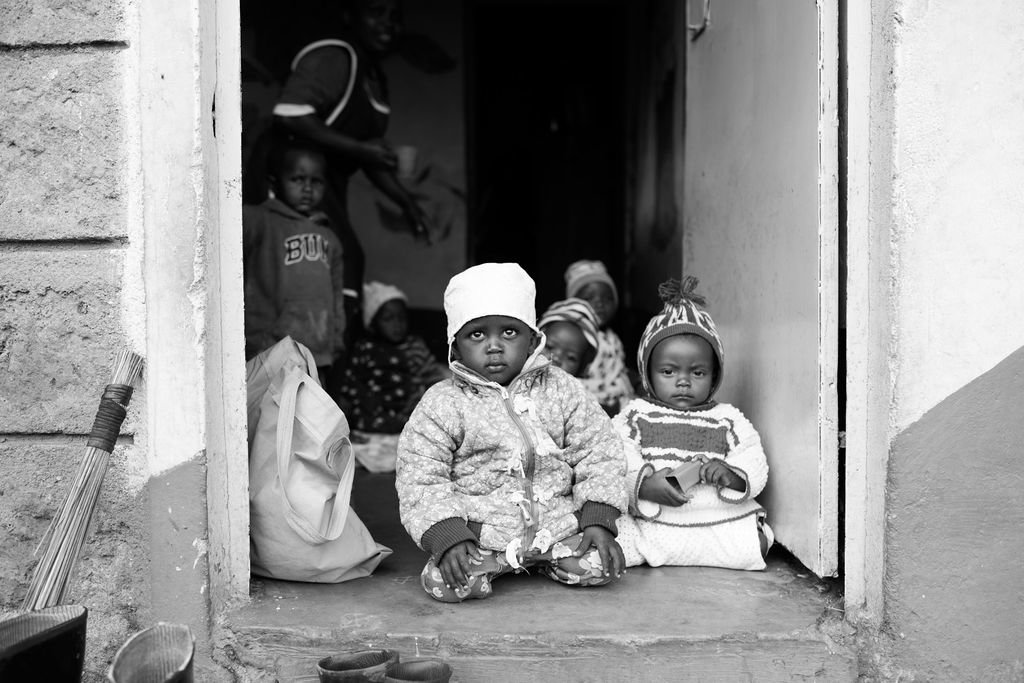
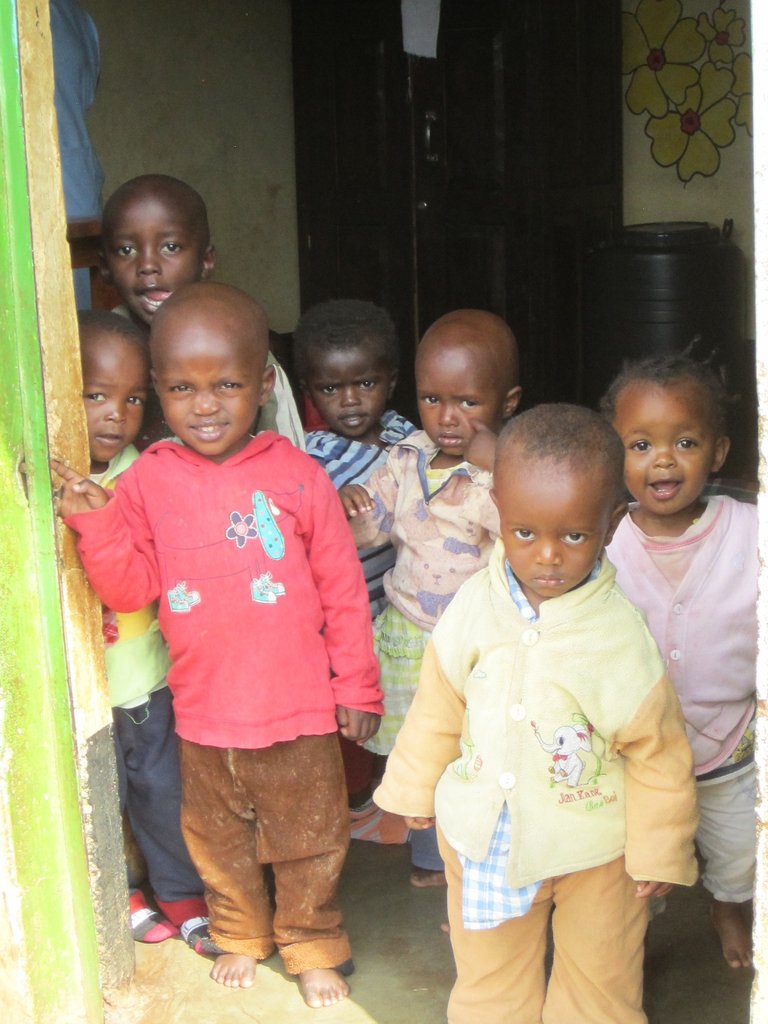
Macheo’s nutritional support, coupled with Agatha’s involvement with her organization’s support, worked in unison to alleviate her food insecurity issue. Little Felis, previously unable to crawl like babies her age, is now an unbeatable runner in Agatha’s compound. Agatha, through the support of the empowerment program, started a day care in her two-roomed house. Since she is a mother and passionate about children, her daycare became the haven for working-class mothers who sought a safe place where their children would spend time growing while they worked their day jobs.
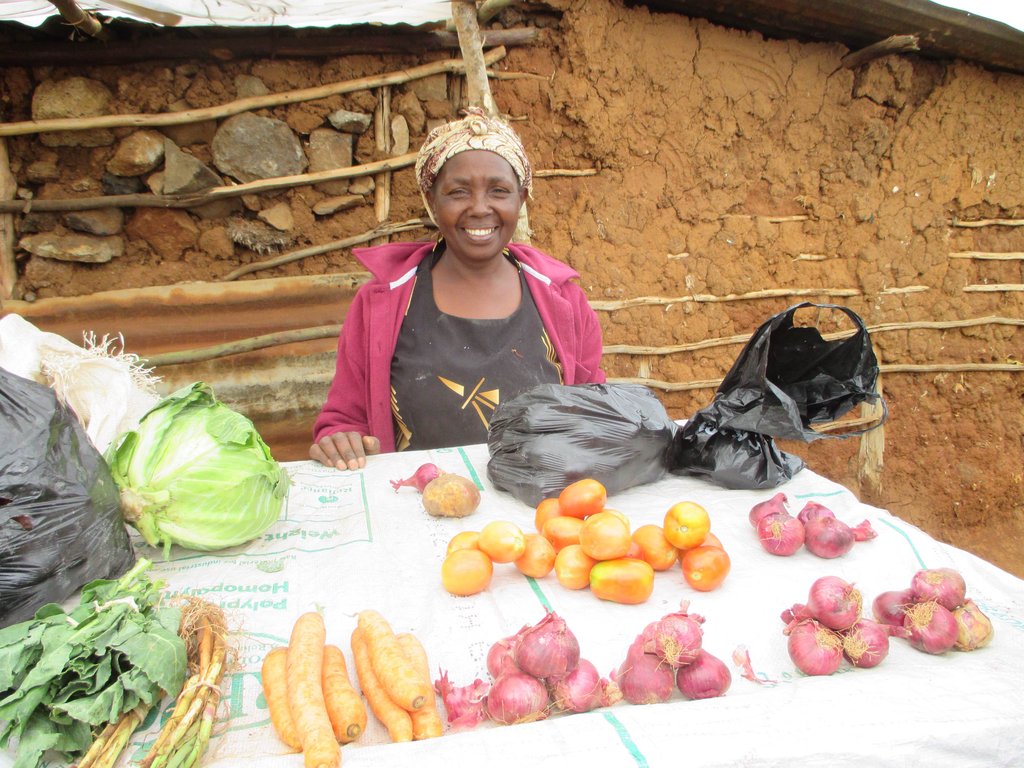
Outside of her compound, Agatha started a kitchen garden from where she obtained fresh vegetables, further strengthening food security for the family. Agatha and Felis are now a picture of good health and nourishment. Agatha is grateful for the transformative support that she received and is looking forward to what the future holds for her family.
Conclusion
Macheo’s comprehensive malnutrition intervention program has made significant strides in improving the health and well-being of children in targeted communities. By providing nutritional support, education, and fostering community engagement, the program has demonstrated its effectiveness in combating malnutrition. Continued efforts, along with addressing identified challenges, will ensure the sustained success and expansion of this vital initiative.
Project reports on GlobalGiving are posted directly to globalgiving.org by Project Leaders as they are completed, generally every 3-4 months. To protect the integrity of these documents, GlobalGiving does not alter them; therefore you may find some language or formatting issues.
If you donate to this project or have donated to this project, you can receive an email when this project posts a report. You can also subscribe for reports without donating.



Support this important cause by creating a personalized fundraising page.
Start a Fundraiser