By Sabrina Kerin | Program Coordinator
When Michael Judd, the founder of Project Bona Fide, first arrived on Isla de Ometepe, the greatest concern of community leaders was the increasing presence of childhood malnutrition and the effectsit had on their education. On the island, food insecurity, a lack of access to adequate health care, and additional social, cultural, and economic factors have all played a major role in explaining inadequate nutrition. Since it’s inception, Project Bona Fide has sought out sustainable solutions to nutritional and agricultural challenges on the island. In 2005 Café Infantil, a breakfast program serving up to 70 children a hearty and nutritional breakfast 6 days a week, was created to address childhood malnutrition in the community. Meanwhile, the team up on the farm dug deep into researching resilient and nutrient dense crops that grow well in the climate. Soon-after, the production of Moringa, also known as the “Miracle Tree”, on the farm began.
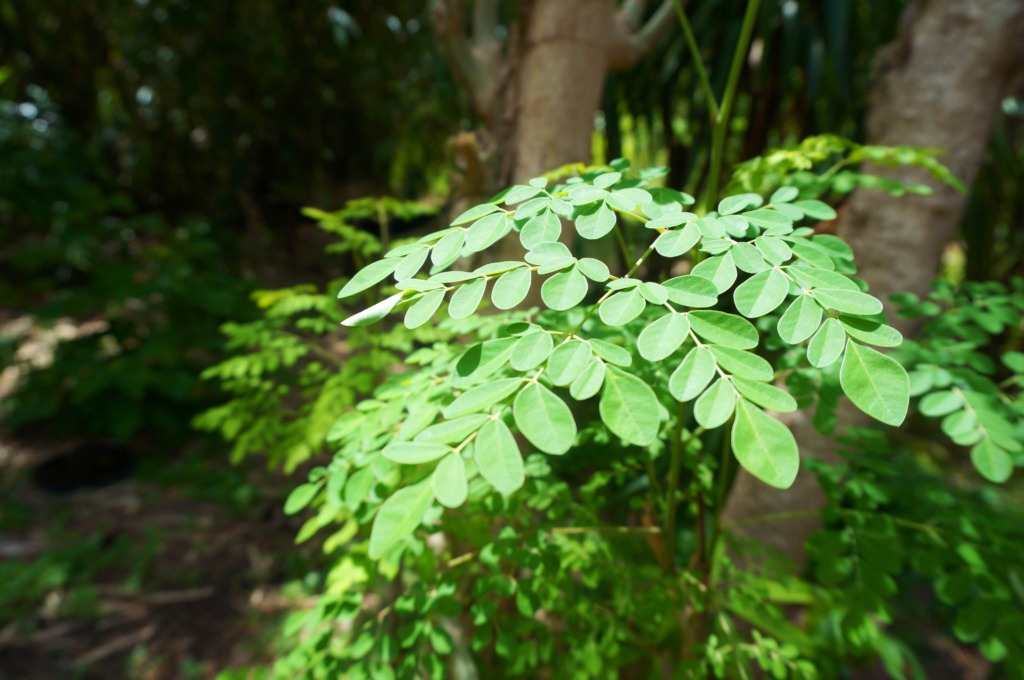
Moringa Oleifera, native to India and Africa, is a fast growing tree that can be found throughout tropical climates. Moringa, known locally in Nicaragua as Marango, is a nutritionally packed super food abundant in vitamins, minerals, antioxidants and amino acids. For thousands of years traditional healers have used different parts of the plant for the treatment of everything from skin diseases, respiratory illnesses, ear and dental infections, hypertension, diabetes, cancer and have promoted it’s use as a nutrient dense food staple.
Considered to be one of the most complete, nutrient-dense plants on earth, it is now being used worldwide to combat malnutrition. Trees for Life, an NGO in the US that has been promoting the nutritional benefits of Moringa around the world, has studied the additional health benefits of this powerful plant. Their study claims that, gram for gram, fresh leaves of Moringa Oleifera have 4 times the vitamin A of carrots, 7 times the vitamin C of oranges, 4 times the calcium of milk, 3 times the potassium of bananas, ¾ the iron of spinach, and 2 times the protein of yogurt”.
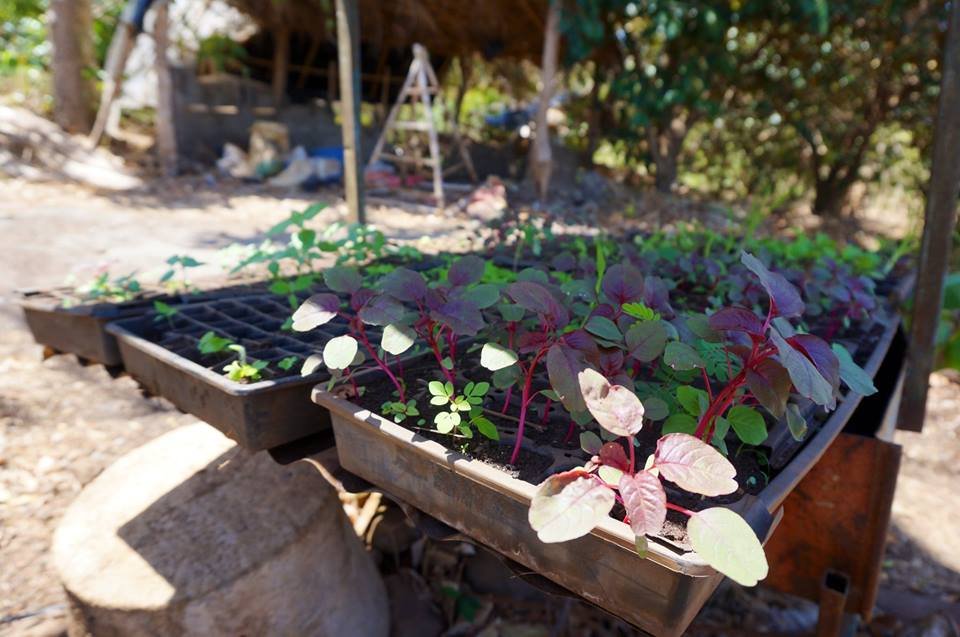
In 2006, after identifying it’s importance as a key crop in food security efforts, Project Bona Fide began researching and working with Moringa. While the trees were being planted on the farm the organization also worked to gather information on its traditional practices and knowledge in the community and promote its major health benefits. Often used solely as animal feed on the island, Project Bona Fide began to inform individuals how to produce and process the plant in their own homes and how to incorporate the leaf into their daily diets.
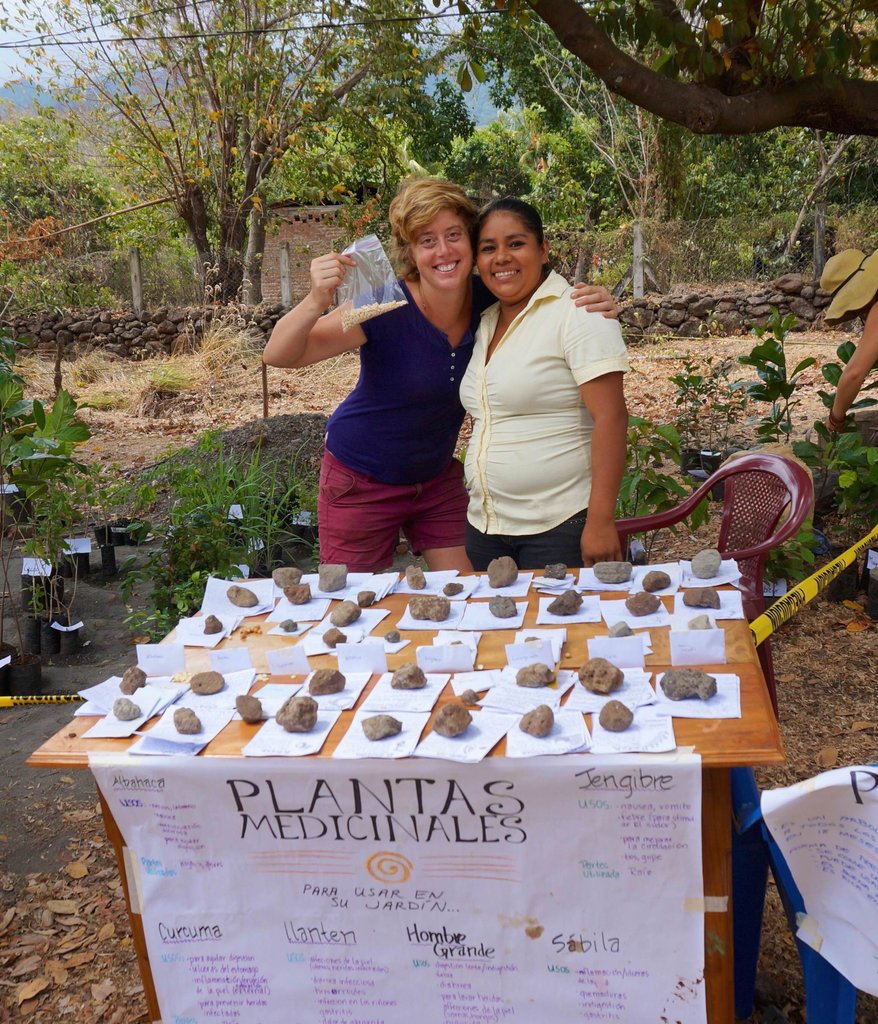
At the farm, we truly believe that food is medicine and that access to fresh, healthy, nutrient rich food is a basic human right that is often overlooked. As part of our Farm-to-Clinic Natural Medicine program, we have been steadily increasing our efforts to effectively produce and process this powerful plant and encourage people to use it in their daily diets. Working alongside local partners, we have strengthened our educational outreach on the raw usage of Moringa and all its benefits and have also expanded our ability to powder the dried leaves. Establishing a process for drying and powdering the dry leaves and selling the product to market will create an economic opportunity for stewards of the Farm-to-Clinic program and also provide a nutrient-packed product with a longer shelf life.
We are hopeful that the continued research and investigation of biological resources like Moringa, the “Miracle Tree”, is the gateway to finding sustainable solutions to the global hunger and food insecurity crisis we face as a planet.
Links:
Project reports on GlobalGiving are posted directly to globalgiving.org by Project Leaders as they are completed, generally every 3-4 months. To protect the integrity of these documents, GlobalGiving does not alter them; therefore you may find some language or formatting issues.
If you donate to this project or have donated to this project, you can receive an email when this project posts a report. You can also subscribe for reports without donating.