By Agnes | Charles Githu & Elizabeth Waichinga
Agnes was taking a bath one day when she felt a tiny lump on her right breast. She brushed it off. But three to four months later, it had grown—and so had her fear.
What follows is Agnes’s story, in her own words
“I didn’t tell anyone. I was scared that my children would abandon me.
I already live with diabetes, hypertension, a heart condition, and arthritis that came with the diabetes. During my heart surgery, my kidneys also began to fail. It was one thing after another. I felt my family had already shouldered so much. I didn’t want to burden them even more. And besides, all I ever heard was: cancer is a death sentence.
“But allow me to take you back to two years ago, I had taken in a young man who had been suspended from medical school for drug abuse and wasn’t welcome at home. This became my saving grace. Over time, he began looking after me, helping me manage my blood pressure, my diabetes, even my food. One day, I confided in him about the lump. When he felt it, he urged me to go to the hospital immediately.
“That Monday, he accompanied me to Mbagathi County Referral Hospital for my clinic. We did a mammogram and biopsy, and later I was referred to Kenyatta University Teaching, Referral and Research Hospital (KUTRRH). I eventually chose to continue my treatment at Kenyatta National Hospital (KNH), where my niece works. Today, that same young man is now a doctor in Homabay — and he still calls to check on me. Sometimes I think maybe we helped save each other.
“Because of my pre-existing conditions, my doctors had to hold a multidisciplinary meeting to come up with a treatment plan. Surgery was ruled out—the cancer had already advanced to stage 4. Radiation wasn’t an option either due to my heart condition. I was started on 18 cycles of Herceptin.
“I remember vividly when the PET scan results came back around June/July. The cancer had spread to my liver and uterus. I didn’t know how to break the news to my four sons. My niece helped me. I was terrified. I had survived diabetes, heart surgery… but this time I told myself: cancer has finally caught me. However, I was wrong. My family didn’t abandon me. They stood with me and have supported every step of my journey.
“Still, even with their support, the treatment was expensive, and the government cover under the Social Health Authority (SHA) couldn’t cater for everything. That’s when a hospital social worker referred me to Faraja. I hadn’t heard of them before. I walked into Faraja’s offices, with all my medical reports, nervous and uncertain. I was received so warmly. That moment felt like someone had finally seen me, not just as a patient, but as a person.
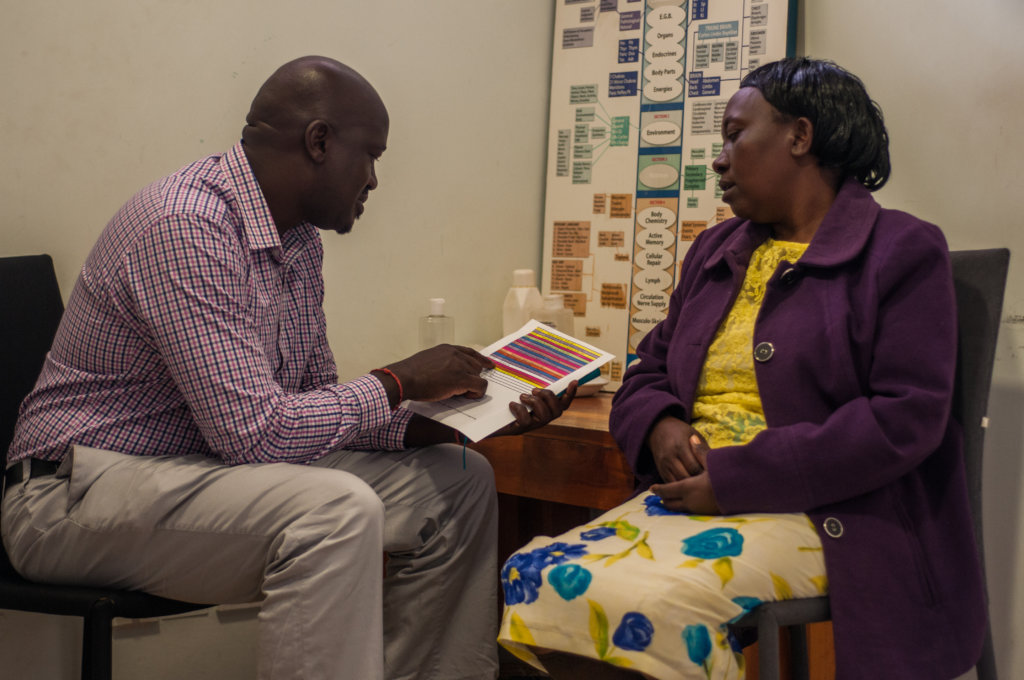
“From that first visit, I realised Faraja offers more than just financial support, opening my eyes to a different kind of care: gentle, holistic, and deeply human. I was introduced to their complementary therapies like counselling, reflexology, and support groups. The attention and care I’ve received has been nothing short of amazing. I’ve felt held, seen, and strengthened. I’m still undergoing treatment—I have eight sessions left.
“Now, I share my story everywhere I go. I encourage people in my village. I visit homes. I’ve become an ambassador. I tell them: cancer won’t kill me.
At first, I thought God was punishing me. But now I believe—maybe He’s using me as a vessel. Maybe I’m here to bring hope to others who are going through the same thing.”
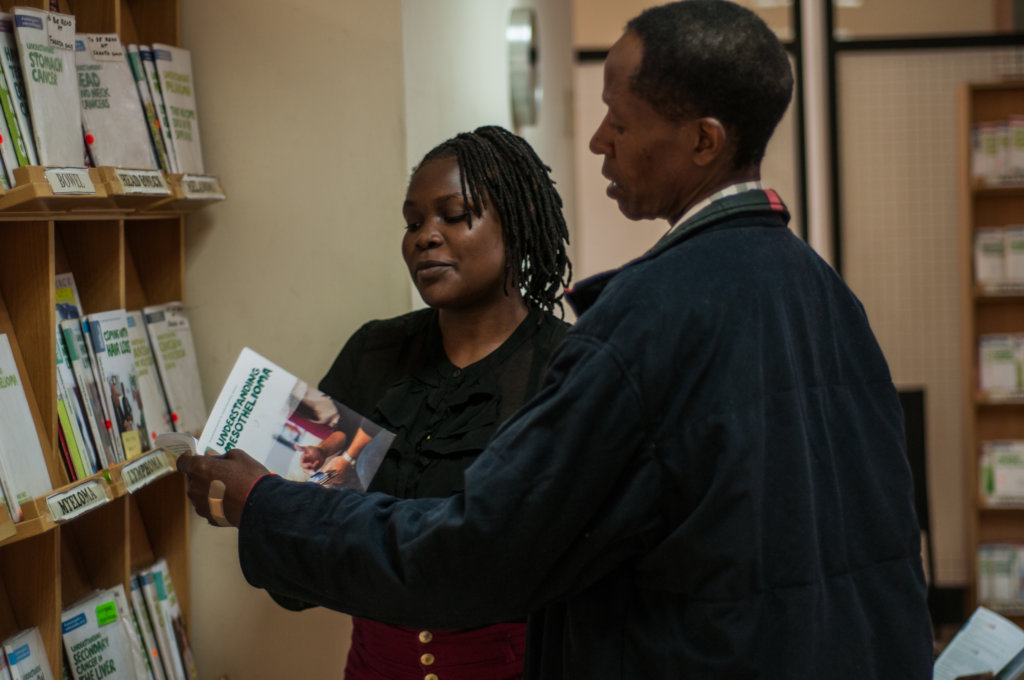
Faraja offers a wide range of free services for anyone affected by cancer. These include free complementary services such as counselling, nutritional support, reflexology, lymphatic drainage, art and music therapy, support groups, and physical therapies like Zumba—all of which are beneficial to anyone affected by cancer, such as Agnes.
In addition to these therapies, Faraja also has a Medical Support Fund that supports needy patients through cancer treatment. The fund is fully dependent on the generous donations from well-wishers like you.
Cancer is reported as the third leading cause of death in Kenya, Unfortunately, late-stage diagnosis contributes significantly to the high cancer-related death toll. During the National Cancer Summit 2023, a report was presented which highlighted the distressing fact that approximately 70% of cancer cases are identified in advanced stages when curative treatment becomes nearly impossible. In such cases, the need for supportive care becomes critical. Faraja continues to advocate for its role in holistic care and improving quality of life.
Faraja also takes a proactive approach to address these statistics by raising awareness that early detection saves lives. Through education, outreach, and community engagement, we aim to shift the narrative and encourage timely screening and treatment.
As our valued supporters, we extend our heartfelt gratitude to you for bringing much-needed hope, help, and life to families like Agnes, as well as countless others in need. Your donations make a significant difference in their lives.
Links:
Project reports on GlobalGiving are posted directly to globalgiving.org by Project Leaders as they are completed, generally every 3-4 months. To protect the integrity of these documents, GlobalGiving does not alter them; therefore you may find some language or formatting issues.
If you donate to this project or have donated to this project, you can receive an email when this project posts a report. You can also subscribe for reports without donating.



Support this important cause by creating a personalized fundraising page.
Start a Fundraiser