By Faith Karimi, Elizabeth Waichinga & Charles Githu | Fundraising and Communication Department
Lakita, 17 uses medical jargon like a seasoned medical practitioner. Tibia and Fibula are not the normal lingua for teenagers. But then, Lakita is not your typical teenager.
Her journey started when she was ten. She remembers one normal day in school, during sports practice, when a sharp pain shot through her knees. She collapsed in a heap and tried to massage the pain. She managed to limp to the school nurse. It would be the nth time she had gone to the nurse to report knee pain.
“Lakita, you’ve been seeing me a little too often, you need to go to the hospital.” The nurse told her, after administering First Aid. The pain had been persistent, sometimes keeping daughter and mother awake in the night. It would shoot at random hours, even while resting and they knew it was best to follow the nurse’s advice.
During the X-ray, Lakita heard one of the medical officers mention the word tumour.
“Mom, what is a tumour, and what kind of tumour is in my knee?” Lakita’s mom was not taking any chances. She had lived through a nightmare of misdiagnosis and prolonged medical treatments before, with Lakita’s dad. When a doctor recommended immediate amputation, Lakita and her mom opted to go to India for a second opinion. The diagnosis, osteosarcoma, a name too complex for a ten-year-old to grasp, would be the start of a scary journey for Lakita. Surgeries, chemotherapy, a knee transplant, and other cancer treatments would usher Lakita into adolescence.
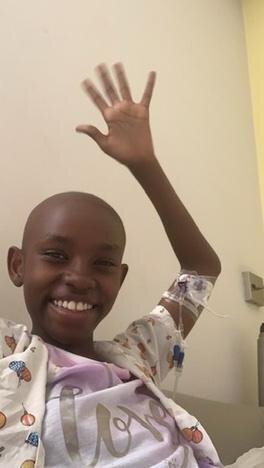
“I cried a lot. It was painful, all the needles and surgeries.” Lakita says, her calm demeanour belies the horror that she lived through. “I had long hair. It made up a large part of my identity, my personality.” Lakita’s hair fell off. “It was bad… one of the most devastating experiences for me.” In addition to her mom, Lakita’s cousin. Tamara, who sat with her through this interview recalls those dark days. They were barely twelve when one night, during a sleepover, Lakita woke up. “Look at my hair.” She said. Tamara turned, only to be met by a sight that would horrify any young girl. A chunk of Lakita’s hair lay on the pillow. “I was horrified. I did not know what to do or say.” Lakita would take all these in her stride, and with consistent treatment, the cancer went into remission.
The cancer came back. Lakita was a busy teenager, preparing for her final Kenya Certificate of Primary Education (KCPE) examinations. The cancer presented as a pain in her thigh. She had an amputation. “I was okay with it. I mean, if that is what it took to get me well and to have the cancer leave my leg.” She was thirteen. She showed up at school, and her friends were shocked. She was the one being strong for them. “They were like family.” She moved on to high school.
The cancer returned a third time. The loss of hair, the treatments, and everything else that was so familiar yet painful for Lakita was not an identity that she wished to keep in high school. “I wanted to be known as Lakita, not just the girl with cancer.” She moved to another school and rebuilt her identity even as she healed.
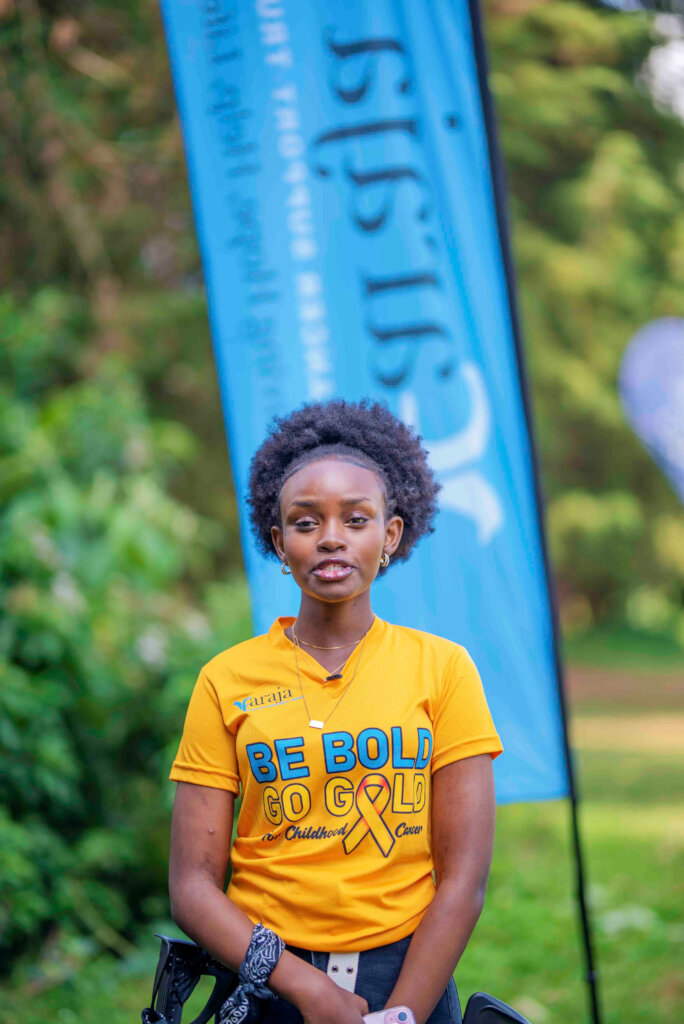
Lakita first got to know about Faraja during a cancer conference in Mombasa that featured the LFS gene, the rare disorder that Lakita has and that predisposes her to certain rare cancers such as osteosarcoma. She again interacted with Faraja when they visited her school during the Be Bold Go Gold Funds drive for childhood cancers.
“A teacher asked me if I was okay with sharing my story. I was willing to share.” She spoke about her journey during the school assembly, not once but multiple times. She would later be a champion campaigner for Faraja, the youngest fundraiser whose passion and drive led to the organization realizing more than Kshs 100,000 funds injection to the Trust.
“I called family, and friends, I asked for contacts of people with influence and willingness to contribute.” She was bold, even when contacting people that you and I would feel intimidated to call and pitch an idea.
She has a special appeal to policymakers regarding childhood cancer. “We need more oncologists specialized in childhood cancers. We need medicine for children with cancer. We need more equipment for cancer diagnostics. What happens to children who cannot travel to another country for treatment?”
On this note, Lakita has an appeal to all of us. “Please contribute to raising money and awareness to help children battling cancer. A child is alive today because of you.”
Lakita wants to be a psychologist. In her characteristic, wisdom – beyond - her age style, Lakita concludes by sharing some gems of advice. “Test more, test early. Do not ignore random pain in children.”
400,000 children and adolescents under the age of 19 years develop cancer each year. According to World Health Organization (WHO), only 20% (2 in 10) children suffering from cancer in low and middle-income countries like Kenya survive, while in developed countries up to 80% survive. The outcomes are dependent on early detection, prompt and adequate treatment.
At Faraja, we take a proactive approach in supporting children through our Faraja Medical Support Fund (FMSF) and Crafts for Cure program. The FMSF offers much-needed financial assistance to patients who are unable to complete their treatment. Since its inception, the fund has provided financial assistance to nearly 200 children.
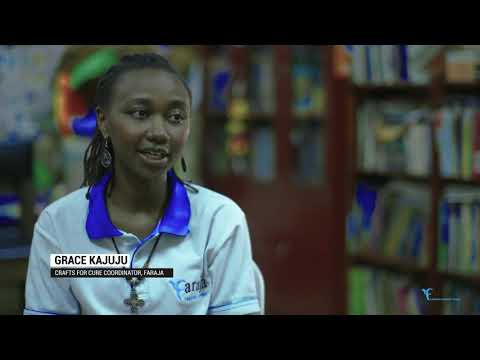
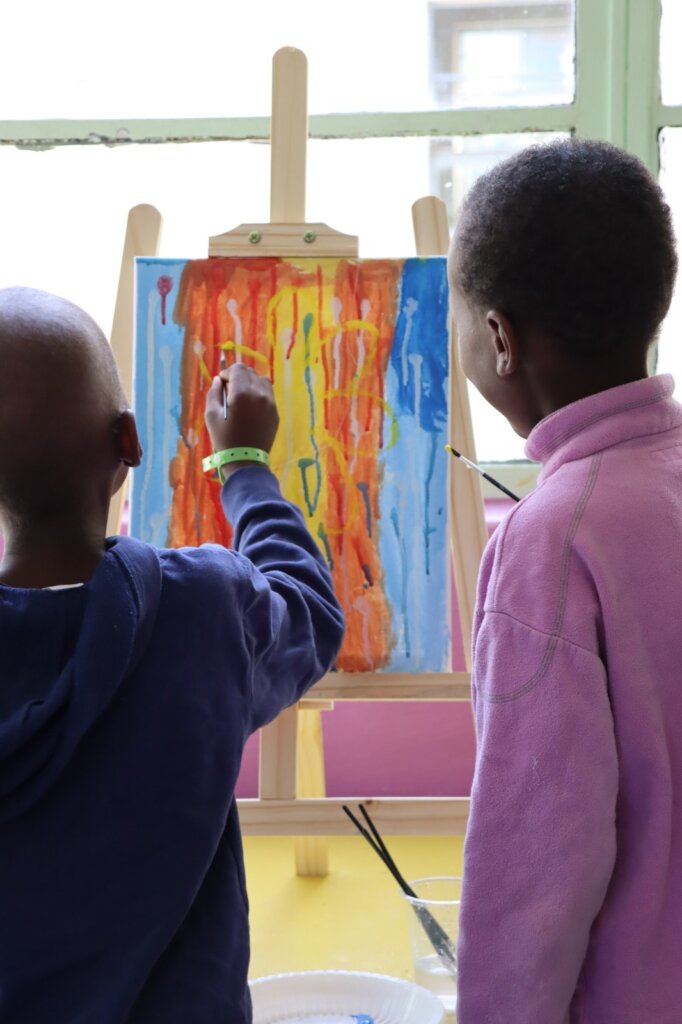
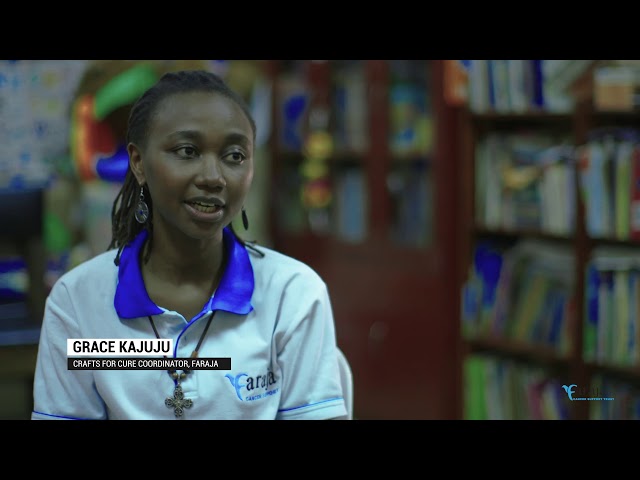
Our Crafts for Cure program offers psychosocial support to children with cancer at Kenyatta National Hospital (KNH) in Nairobi and Moi Teaching and Referral Hospital (MTRH) in Eldoret. The program focuses on the following:
As our valued supporters, we extend our heartfelt gratitude to you for bringing much-needed hope,help, and life to our golden heroes. Your donations make a significant difference in their lives.
Links:
Project reports on GlobalGiving are posted directly to globalgiving.org by Project Leaders as they are completed, generally every 3-4 months. To protect the integrity of these documents, GlobalGiving does not alter them; therefore you may find some language or formatting issues.
If you donate to this project or have donated to this project, you can receive an email when this project posts a report. You can also subscribe for reports without donating.



Support this important cause by creating a personalized fundraising page.
Start a Fundraiser