By Pamela Azaria | International Resources Associate
Discovering a New Intervention Method
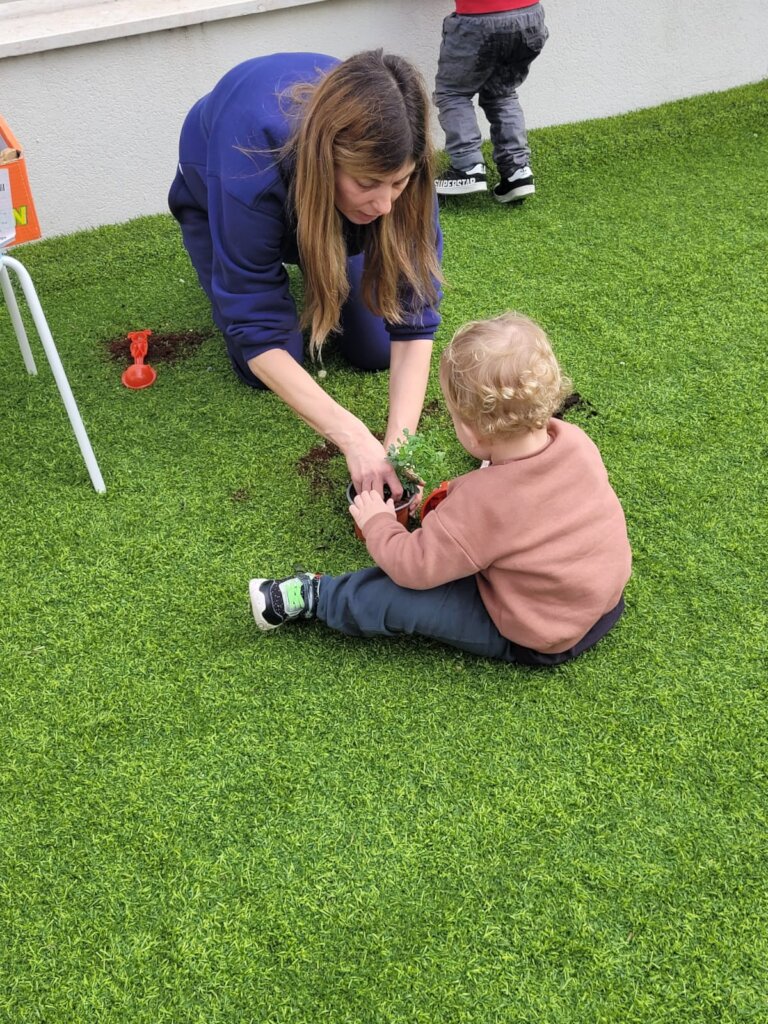
During the Iron Sword War, while our Ashkelon centers were closed, we initiated professional home visits to help the children with their personally prescribed therapies and show the parents how to maintain their children’s progress.
Thanks to these visits, we discovered that when treatments and guidance are accessible to families when they are at home with their children, it is possible to achieve higher cooperation.
When our counselors came to the homes, they were able to get a first-hand impression of the children’s behavior in their natural environment. They examined the interaction and communication between the children, parents, and siblings, and thus the information obtained was more direct and accurate.
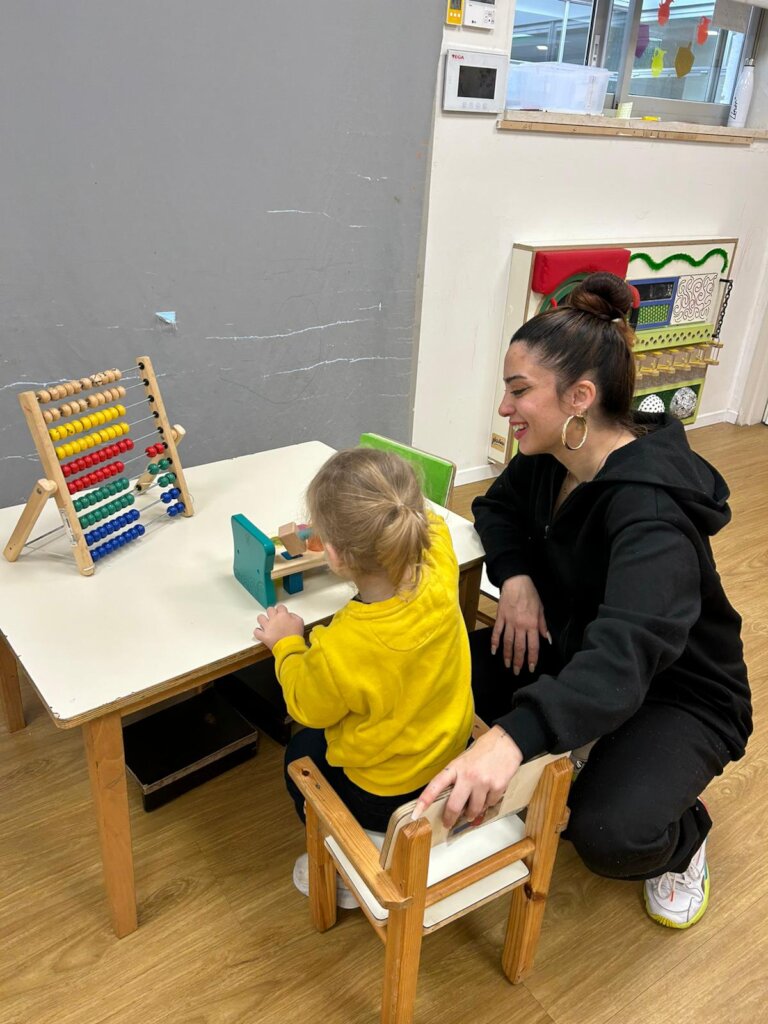
In addition, when occupational therapists, physiotherapists, and speech therapists came to the homes they were able to offer precise treatments adapted to each child's personal home environment.
Who is At Risk
In addition to the information gathered from our home visits in Ashkelon, our teams of community-employed social workers and Chimes Israel's team of caregivers at all of our centers identified 32 children from families in distress. Their struggles include poverty, poor parenting, multiple children with special needs, and domestic violence. The professionals assessed that these at-risk families are not providing the care, love, acceptance, and support to help develop their abilities to meet their potential.
Why Intervene
Today’s prevailing perception is that it is in a child's best interest to grow and develop in their natural environment with their biological parents. In Israel, community Social Services is responsible for taking action to protect at-risk children from unsafe situations. The Chimes program for at-risk preschool children with disabilities seeks to provide the intervention that will prevent Social Services from removing the children from parental custody.
Program Activities, Goals & Measurement
Based on the experience we gained during the Iron Swords war home visits, we determined that providing intensive guidance and support to parents together with their children at home is the ideal way to approach parents in turmoil to give them the skills for a healthier relationship with their child with disabilities. Thus, in effect, the parents get a basis for proper family conduct that reduces environmental risk factors and prevents possible harm to the child's condition. In addition, when occupational therapists, physiotherapists, and speech therapists come to the homes they can offer precise treatments adapted to each child's personal home environment.
Because many of our “at-risk” families find it difficult to come to the daycare center for parental and professional guidance, the program offers these lessons at home, and include other family members (brothers, sisters, grandparents). It will change existing at-home patterns and expand the family’s ability to provide special needs care.
The program activity will consist of a parent counselor and a health professional separately visiting each at-risk family at home for 10 sessions each. They will provide targeted child development education, family relationship intervention, formal intensive guidance on normative family and home conduct, and directions on at-home therapy continuation.
We believe this interaction will achieve the following goals verified by their corresponding measurements.
o Measurement 1: Each child’s social workerwill report via their required documentation and the program's pre-, six month and year-end questionnaires, on whether or not the parents have acquired more appropriate parenting and disability treatment skills. The report will include the parents' attitudes, child treatment, and their emotional closeness toward the child.
o Measurement 2: The pre-program, six-month, and year-end questionnaireswill assess their comfort, knowledge, behavior, and changes based upon their participation in the project.
o Measurement 3:The Center professionals will assess and report on the situation via their required documentation, the Individual Habilitation Plan, and the program's pre-, six-month and year-end questionnaires.They will assess the child's emotional and physical well-being such as whether the child's external appearance has improved (clean bodies, clothes and diaper, whether there are signs of violence on the child).The parent counselor and professional therapist will report that the parents have acquired appropriate treatment skills, demonstrates proper at-home therapy, play, and communication, as well as a positive attitude and emotional closeness towards the children.
Project reports on GlobalGiving are posted directly to globalgiving.org by Project Leaders as they are completed, generally every 3-4 months. To protect the integrity of these documents, GlobalGiving does not alter them; therefore you may find some language or formatting issues.
If you donate to this project or have donated to this project, you can receive an email when this project posts a report. You can also subscribe for reports without donating.



Support this important cause by creating a personalized fundraising page.
Start a Fundraiser