By Michaelle M. | Project Assistant
OPDTM (Oganizasyon Peyizan pou Devlopman Twa Mango)
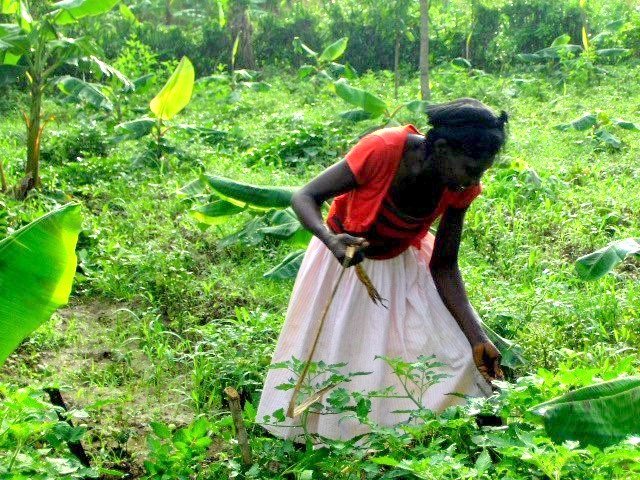
The OPDTM's yam production project produced and harvested yam seed stock from six plots. This initial harvest enabled 59 members to establish their own individual yam fields in March and April 2026.
Following an initial round of weeding, the fields were developing exceptionally well and showed great promise. The next step was to provide stakes to support the growing yam vines. However, a severe and prolonged drought, which lasted from the end of April through October, devastated the plantations. The intense and persistent sunlight, combined with the absence of sufficient rainfall, prevented the yams from developing properly underground.
The farmers look upon their fields, which had once inspired such hope and optimism, with profound sadness. Had adequate rainfall occurred during this critical growing period, the project would likely have produced an abundant harvest. Instead, the current crops have been lost, representing a significant setback for the participating farmers and their families.
Despite this disappointment, the project is not coming to an end. Members plans to replant in early 2027 using the small yams they managed to salvage from their fields. In addition, the Organization has begun sourcing supplementary seed stock from other areas to ensure that sufficient planting materials are available and that farmers can resume production as soon as the next planting season begins.
Beyond the agricultural losses, this experience has strengthened the spirit of mutual aid among project members. It has also provided valuable opportunities to apply agroecological practices and deepen their understanding of sustainable agricultural production, particularly yam cultivation. Through hands-on experience, members have gained important knowledge and practical skills that will inform their future farming efforts.
The situation facing peasant farmers has become increasingly desperate, with food supplies dwindling to dangerously low levels for both people and livestock. In describing the severity of their hunger, local farmers often repeat a deeply distressing proverb: "The hunger is so severe that my large intestine is devouring the small one." This expression captures the depth of the suffering experienced by rural families struggling to meet even their most basic needs.
Access to safe drinking water has also become a critical concern. Springs and wells in rural communities have completely dried up, leaving residents with extremely limited sources of water. In the area, bags of drinking water were being sold at three for 25 Haitian gourdes. Beyond the financial burden these places on already impoverished households, community members have also expressed concern about the environmental consequences of this practice. Once consumed, the empty plastic bags are frequently discarded into the surrounding environment, adding to the environmental degradation and public health challenges facing rural communities.
These hardships are further compounded by the displacement of people fleeing the growing pressure and violence of armed gangs. The arrival and presence of displaced populations have added to the already considerable strain on the resources and livelihoods of the peasant communities in the area.
Despite these overlapping challenges, the Organization remains committed to supporting its members and helping them rebuild their agricultural livelihoods. The experience of the first phase has demonstrated both the vulnerability of smallholder farmers to severe climatic conditions and the importance of collective action, locally adapted agricultural practices, and reliable access to planting materials.
As the Organization prepares for the next planting season in early 2027, its priority is to help members recover from their losses, replenish their yam seed stock, and resume production. The solidarity demonstrated among members, together with the knowledge and skills gained through this initiative, provides a foundation for moving forward.
While the challenges facing these rural communities remain immense, the commitment to mutual support and agricultural recovery continues to offer hope for the year ahead.
Project reports on GlobalGiving are posted directly to globalgiving.org by Project Leaders as they are completed, generally every 3-4 months. To protect the integrity of these documents, GlobalGiving does not alter them; therefore you may find some language or formatting issues.
If you donate to this project or have donated to this project, you can receive an email when this project posts a report. You can also subscribe for reports without donating.


Support this important cause by creating a personalized fundraising page.
Start a Fundraiser