By Shiwani Singh | Associate, Development
My journey with Teach For India started when I first imagined stepping out of my otherwise comfortable lifestyle to do something that gave me a purpose – making education accessible. My time at the Institute unlocked many opportunities and experiences, allowing me to explore and further refine my vision. It helped me get in touch with reality and see for myself what are the challenges that the community faces.
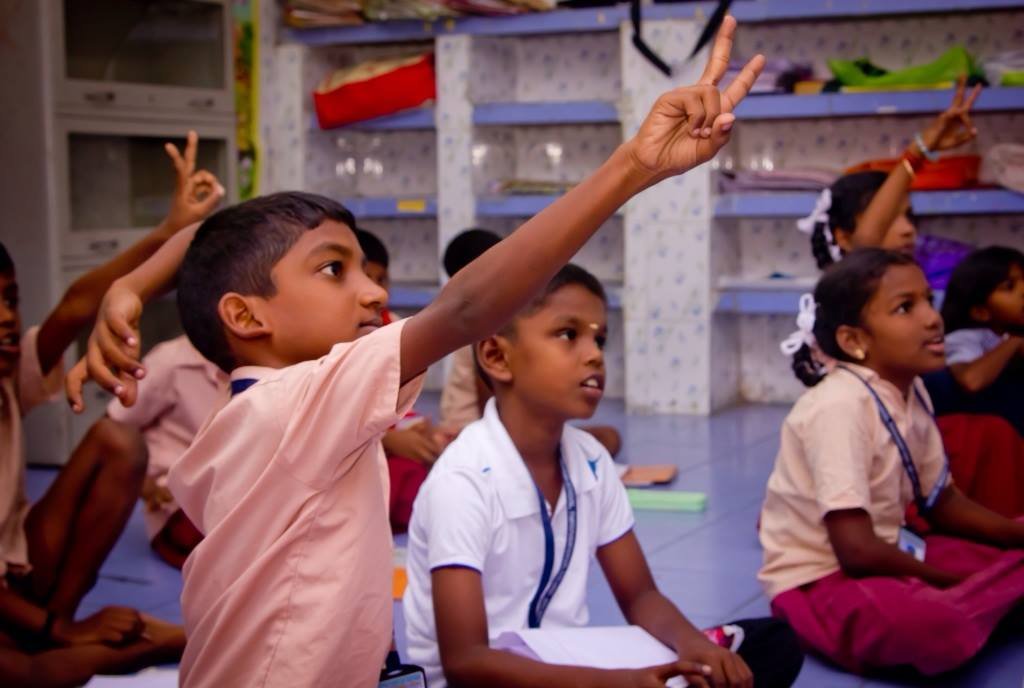
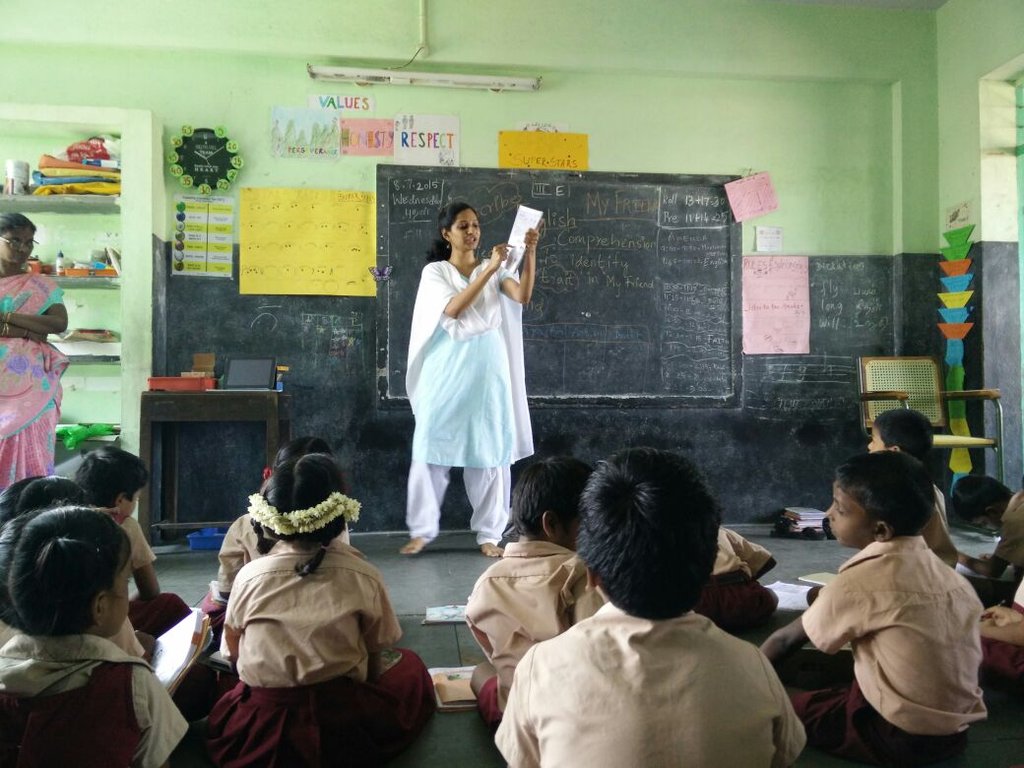
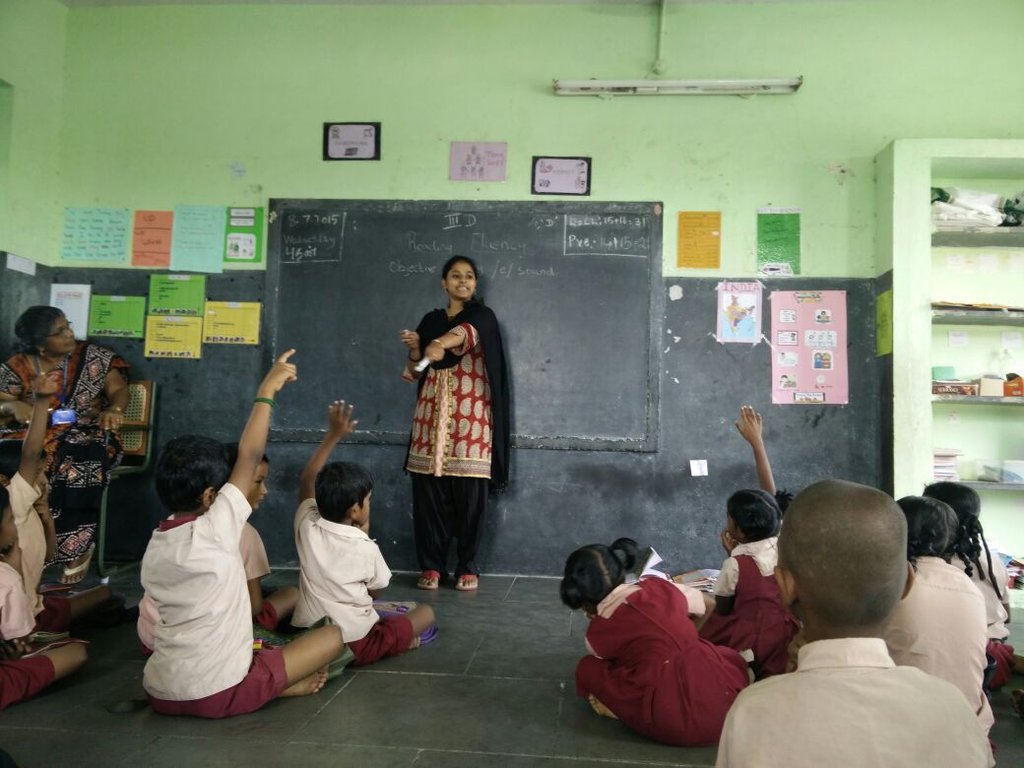
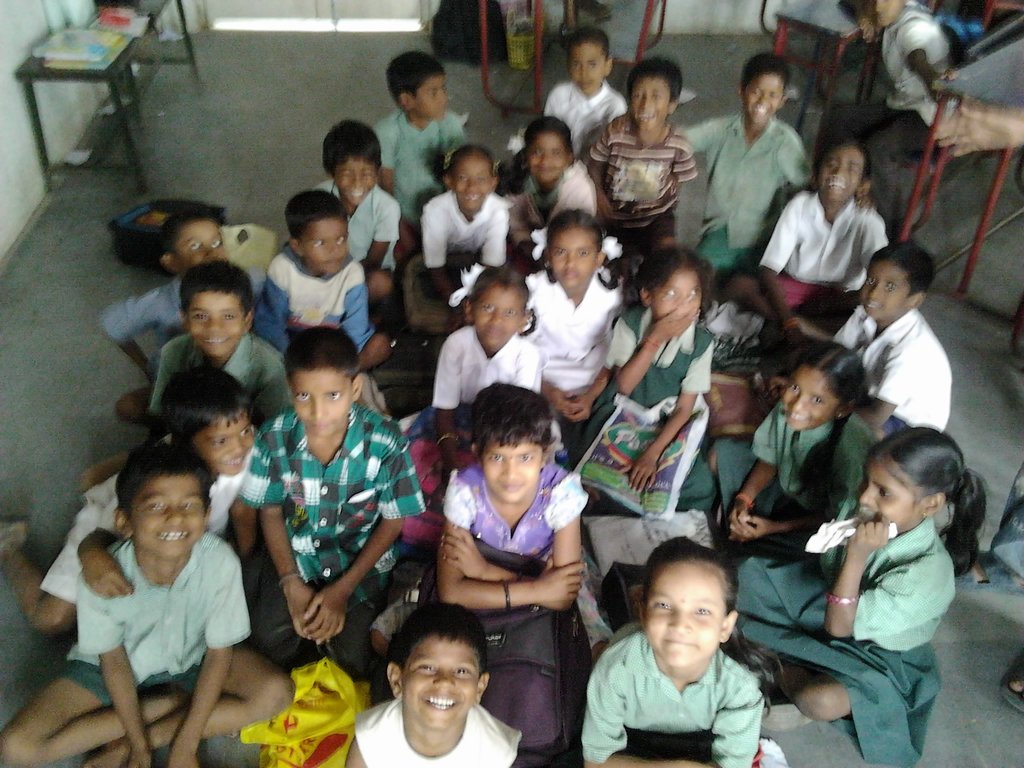
My classroom has 43 students. Most of the students’ parents work as domestic helpers or as helpers in the market. This means that in most households, students are left on their own to attend classes, practice, and take up responsibilities. In a few other households, at least one parent is a homemaker but often cannot assist students with their school work. Keeping this in mind, I want my students to have self-belief and a sense of hope to change their reality.
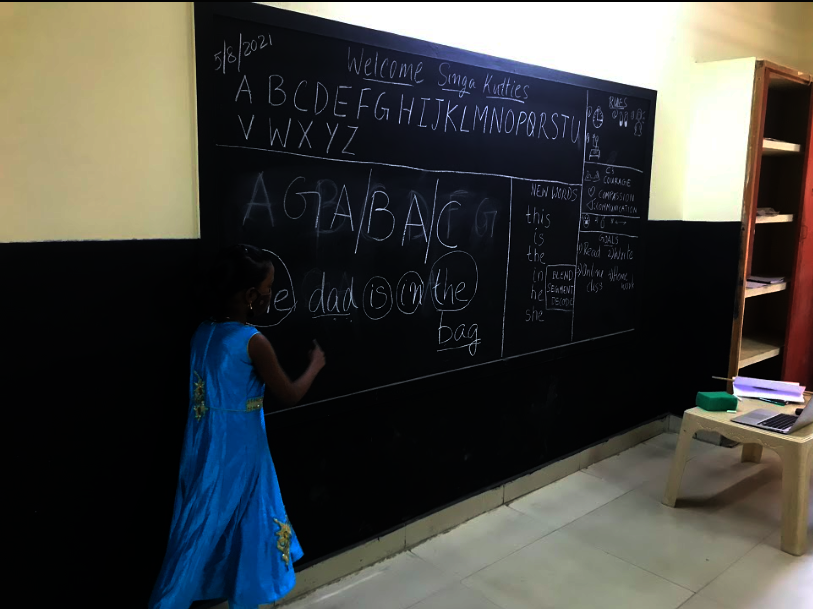
The goal for the next two years is to engage, involve and challenge my students on multiple fronts to help them understand their role in society, consequently making them realize their potential. One of the first steps to achieve this is empowering and making them capable of reading and writing.
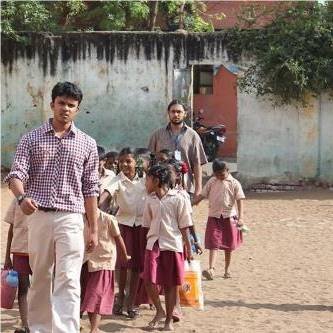
A blended learning format was implemented due to the pandemic. One in-person session is conducted in a week, and classes are taken synchronously through Zoom on the remaining days. These sessions are coupled with community visits. I have visited 70% of the students who attend classes and are reachable. The students also receive asynchronous packets every day, containing around two hours of independent work and activities.
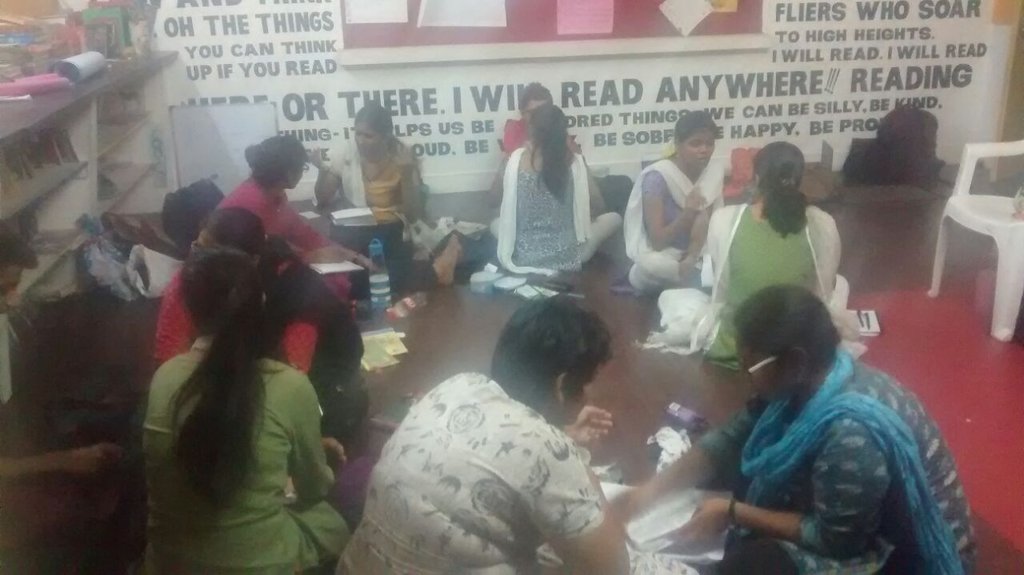
The framework for blended learning that best suited my class context was decided upon after multiple meetings with stakeholders and going through the existing literature on blended learning strategies. The thought process was strongly facilitated and mentored in various learning circles. The suggestions and strategies were then tested after consulting the stakeholders, including parents, headmistresses, and students. After a few weeks of trials, everyone was able to adapt and was comfortable with the format.
The second step was to align instruction with the Leadership In Teaching (LIT) framework to enable maximum learning and outcome. It was essential to connect with my students’ context and communities to make informed choices and decide on a future path.
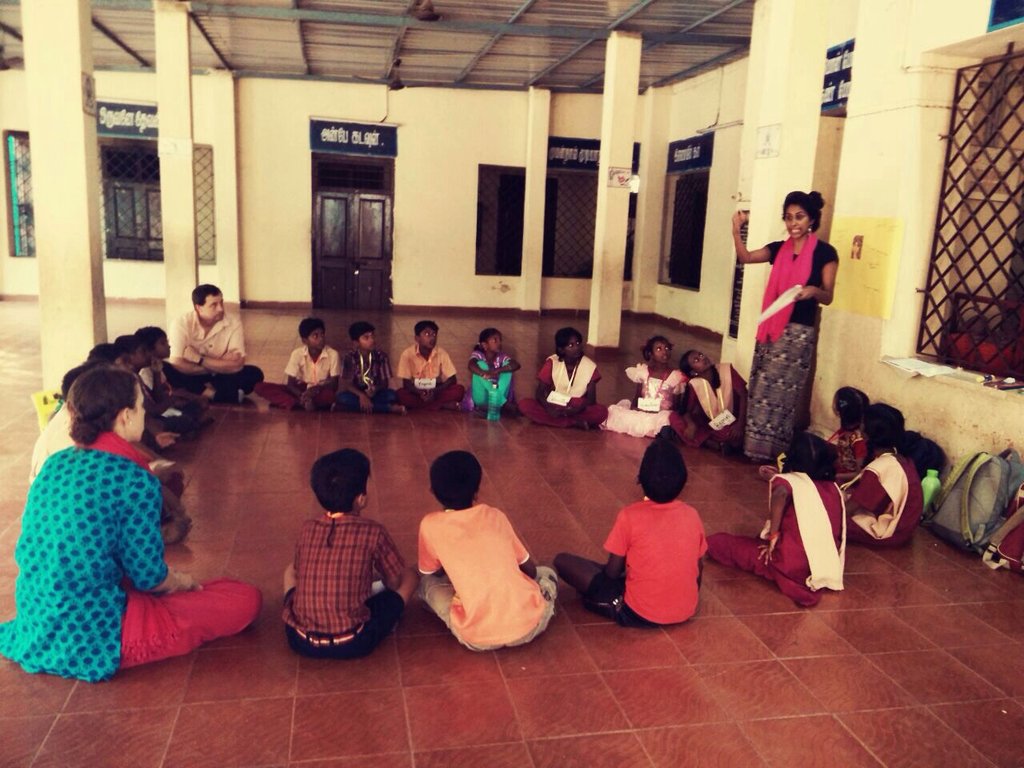
While every student is unique and gifted, it is important to be aware of each student’s receptiveness towards the learning. I introduced the concept of ‘feeling cards’, a set of four cards depicting basic emotions - happy, sad, angry, and scared. Before the start of every class, the students show each other one or two of the cards depending on how they are feeling at that point in time. While initially, all the students only showed happy cards, I have started noticing a shift wherein students volunteer to show ‘sad’ or ‘angry’ cards and explain the reason behind their emotions.
The pandemic has ushered in many changes in the educational system, making it critical to get the parents invested in the idea of blended learning. The first round of conversations with parents made them aware of the benefits of online learning in the current scenario. I also interact with them weekly or bi-weekly, depending on their attitude towards online learning. This enabled me to streamline conversations and build trust. This exercise started paying off when the parents voluntarily started calling up to inform absence or inability to submit asynchronous work. They also became aware of the feedback mechanism and started sharing valuable insights into how classes can be more effective.
Being a Fellow has strengthened my resolve for the need for change brought through education. It has fueled my purpose to ensure positive change in a community pioneered by students with a strong sense of civic responsibility and personal ambition.
Swetha Raghu
Cohort 2021
Grade 3 at CPS Virungambakkam, Chennai
Project reports on GlobalGiving are posted directly to globalgiving.org by Project Leaders as they are completed, generally every 3-4 months. To protect the integrity of these documents, GlobalGiving does not alter them; therefore you may find some language or formatting issues.
If you donate to this project or have donated to this project, you can receive an email when this project posts a report. You can also subscribe for reports without donating.



Support this important cause by creating a personalized fundraising page.
Start a Fundraiser