By Meghana Devineni | Fellow - Teach For India, Hyderabad
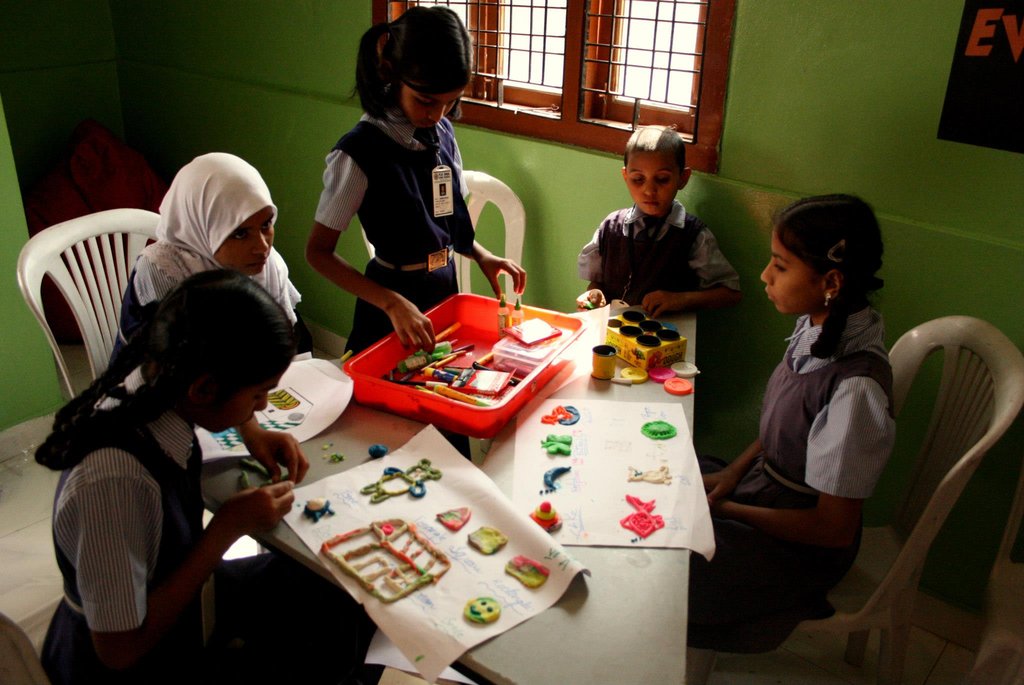
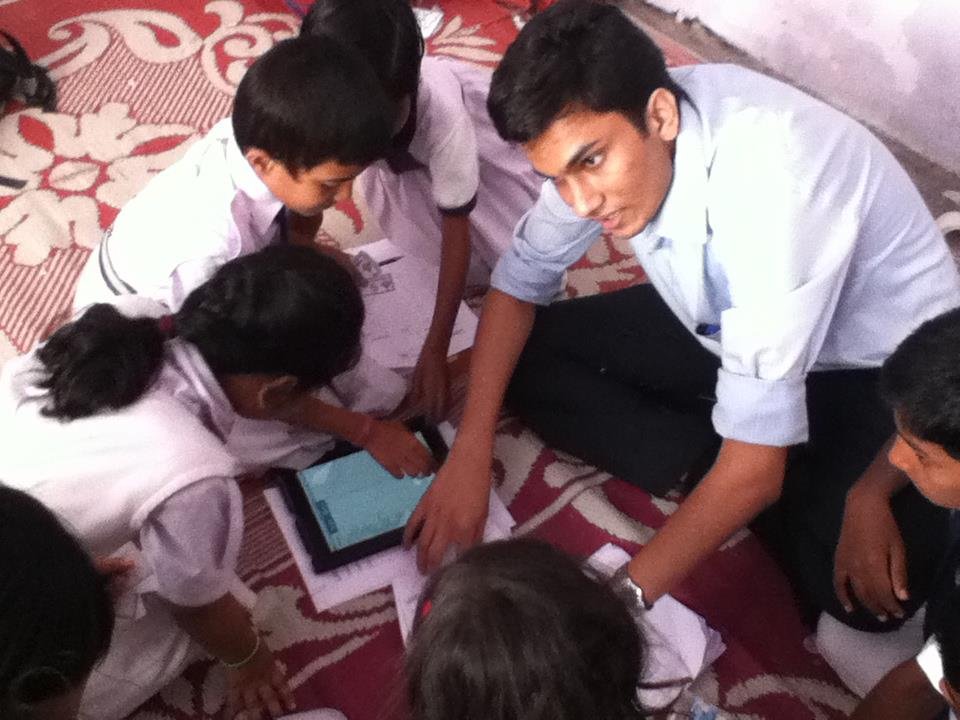
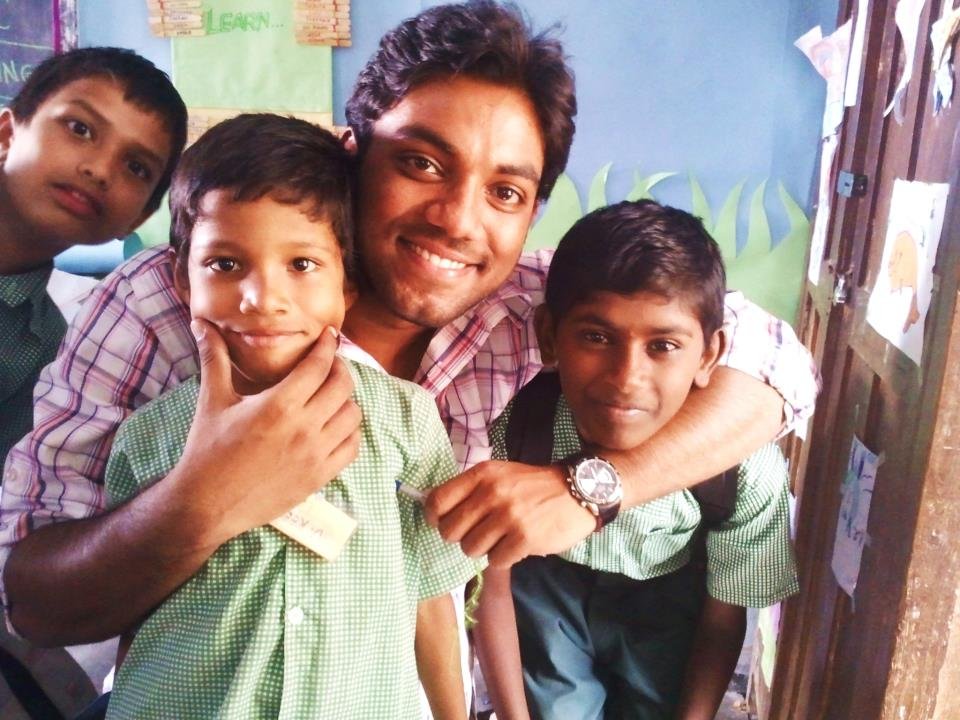
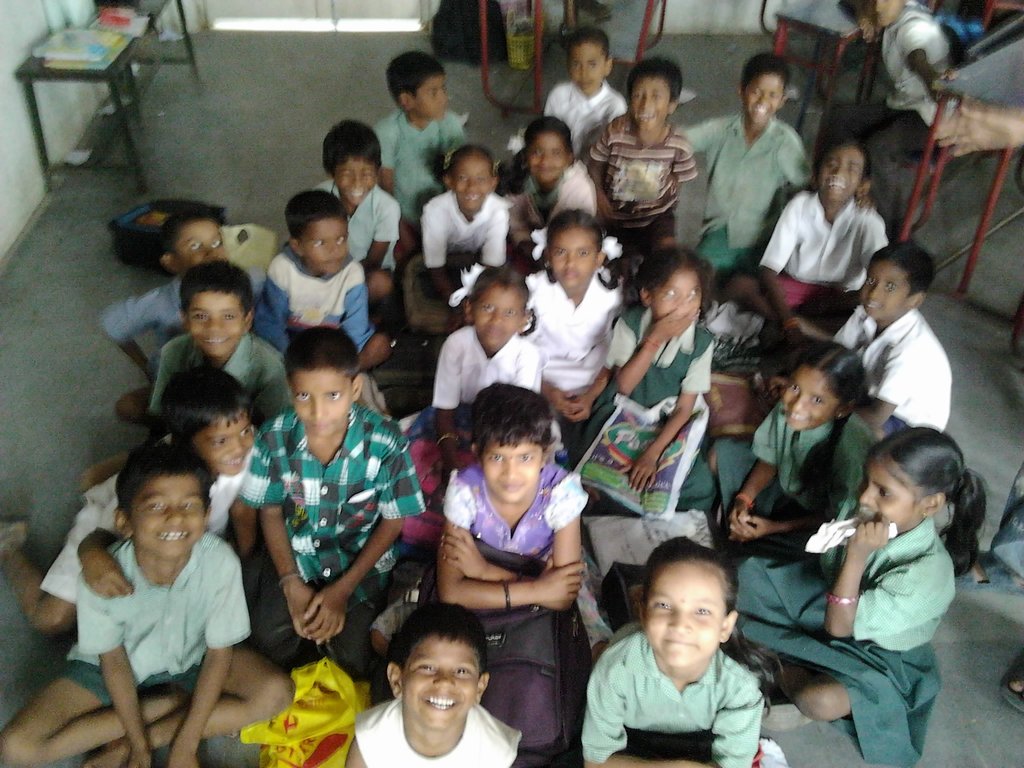
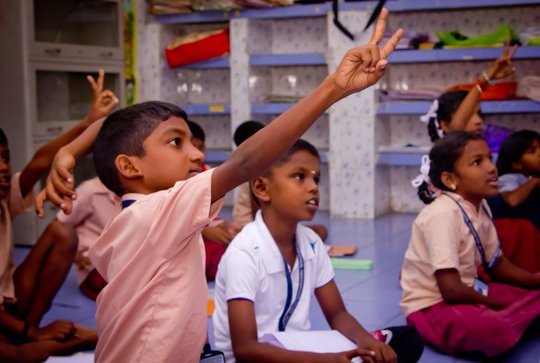
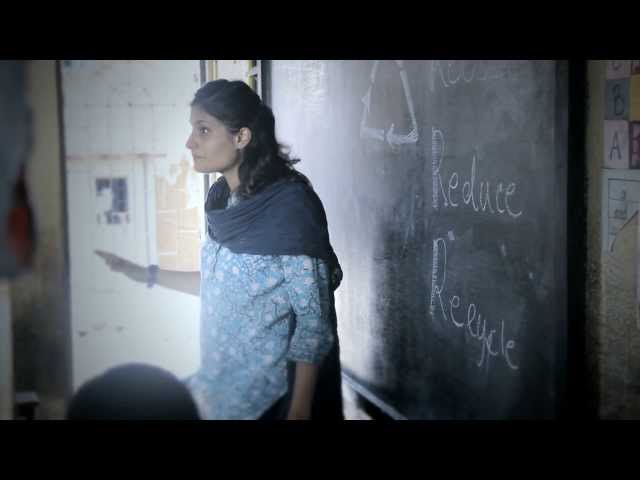
I teach a class of about 35 students, among which 16 are girls. I was their first ever teacher, who joined them in second grade. To my surprise, even at such a young age I could see the struggles they have been through.
Let me share with you the story of Saniya. Saniya at 7 was the eldest of three siblings. Saniya was a dream come true for every teacher. She was the most diligent, responsible, punctual, eager to learn child. She was always willing to help her peers and enthusiastic to participate beyond the classroom. After just 8 months of intervention, her perseverance and brilliance made her Glinda, the good witch, in our production of The Wizard of Oz. For me this was an example of how times are changing, how the education of a girl child wasn’t neglected anymore. What I learned later, proved that I couldn’t have been more wrong.
Both her parents and grandparents worked as domestic help in a restaurant. They left for work early in the morning to make it to the breakfast shift. Saniya at 7 took over the responsibility of her younger sister, 6, and her younger brother who was just starting school at 5. She would make sure they got ready, their lunch was packed and walked them to school on time. The family had the means to educate only one child, so they chose to put their resources into their son who was enrolled in a private school. The education of Saniya and her sister was left to chance when they were enrolled in a public school, with no teachers allotted for their grades. So the first year of school Saniya and her sister came to school everyday to a classroom full of chaos in the hopes that a teacher would one day show up to teach them.
In 2013, with the intervention of Teach for India in the school I became Saniya’s first teacher. I saw that she was far ahead of her peers, she knew the english alphabet and could read and write simple words. When I inquired further I learnt that Saniya would learn alphabets from her younger brother and then proceed to help him with his homework. I was amazed to discover that Saniya’s first vocabulary in english consisted of all the items on the menu in the restaurant that her family worked in.
Even though I was her teacher, Saniya taught me how to learn. She learnt responsibility through the burden of taking care of her siblings, she learnt perseverance in her pursuit of learning, she learnt kindness through sharing her knowledge. More than all she learnt resilience in the face of injustice.
The stories of the 15 other little girls I teach, at some point or another coincide with Saniya’s. They are always the least prioritized members of the family, they are expected to take a share of the house hold work from really young ages, their development and education are never a priority. Despite all this they battle on in their own little ways for a chance at equality that is rightfully theirs.
Gender discrimination is the topic of the moment. There is a vehement vocalization across the globe about the repercussions of such discrimination. As a fellow at Teach for India, I’ve always believed that we were battling much more than educational inequity. My experience has made me realize that it is more important than ever to lend our voices to make sure that the struggles of little girls such as Saniya are heard.
At Teach for India we battle sexual abuse, domestic violence, poverty, hunger and gender discrimination all at once through the most powerful tool we possess- Education. We are not satisfied with short term solutions, we aim at a sustainable long term change possible only through a transformed mindset of the society. It is more important than ever to educate our children to be unbiased. Education is the only means through which we can ensure that Saniya’s children do not have to go through the same hardship that she is being subjected to.
*Name changed to protect the identity of the beneficiaries.
Links:
Project reports on GlobalGiving are posted directly to globalgiving.org by Project Leaders as they are completed, generally every 3-4 months. To protect the integrity of these documents, GlobalGiving does not alter them; therefore you may find some language or formatting issues.
If you donate to this project or have donated to this project, you can receive an email when this project posts a report. You can also subscribe for reports without donating.