By M. Shifan Mohamed | Executive Director
Introduction
Family Wellbeing Centre continued implementing the project “Empowering Women Self-Help Groups at Village Level” from February to May 2026 with the objective of strengthening women’s wellbeing, leadership, and socio-economic resilience through a Social and Behaviour Change (SBC) approach. The project focuses on addressing barriers faced by women, particularly women-headed households, by strengthening self-care groups, enhancing community support systems, and promoting sustainable livelihood opportunities.
During the reporting period, the project reached women and families across selected communities in Mannar, Trincomalee, Anuradhapura and Polonnaruwa districts through awareness sessions, community mobilization activities, psychosocial support initiatives, capacity-building programmes, and group strengthening interventions.
Key Achievemens
1. Addressing Women’s Socio-Economic Barriers
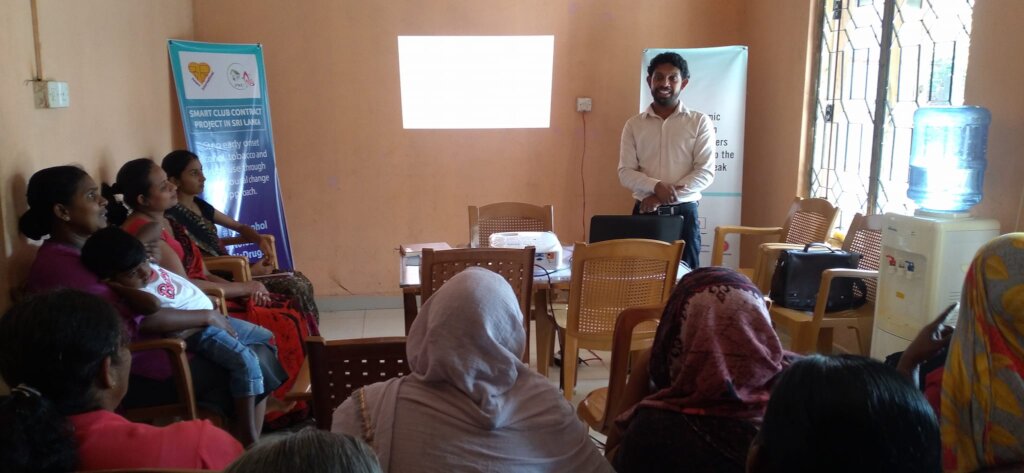
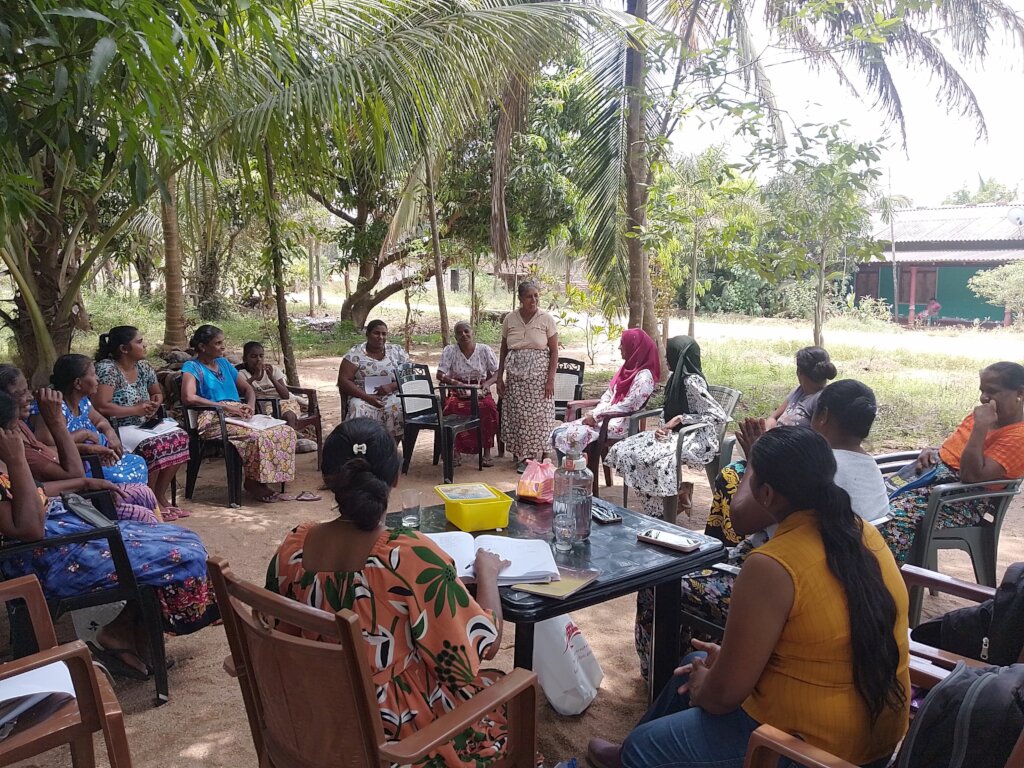
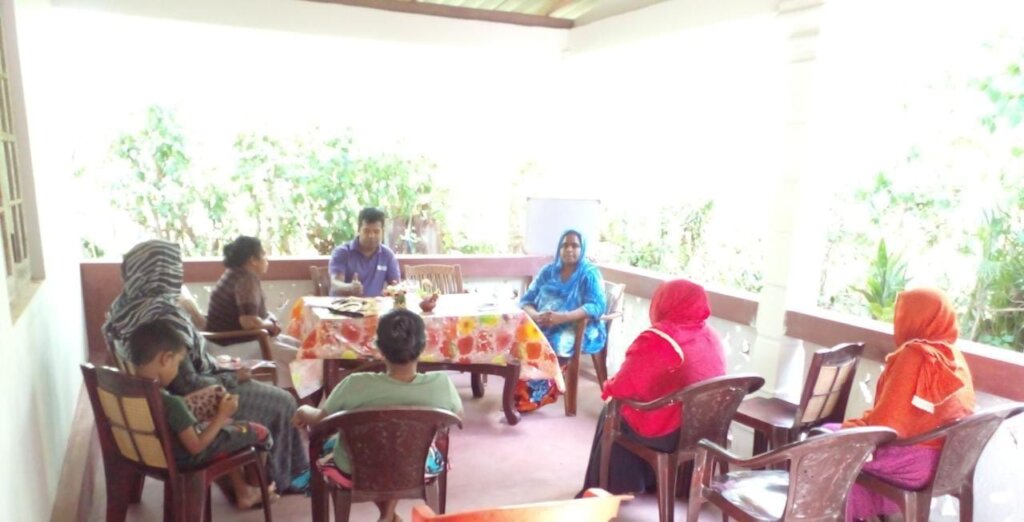
an interactive awareness sessions were conducted with 25 Self Help Groups in Anuradhapura District, 25 self-care groups in Trincomalee District, 25 self-care groups in Polonnaruwa District. A total of 434 women participated in discussions focused on identifying socio-economic barriers affecting women and exploring solutions through the SBC approach. Participants reflected on issues related to decision-making, gender norms, economic participation, and community engagement. The sessions enhanced women’s confidence, strengthened collective action, and encouraged greater participation in household and community-level decision-making processes.
2. Strengthening Women’s Self-Care Groups
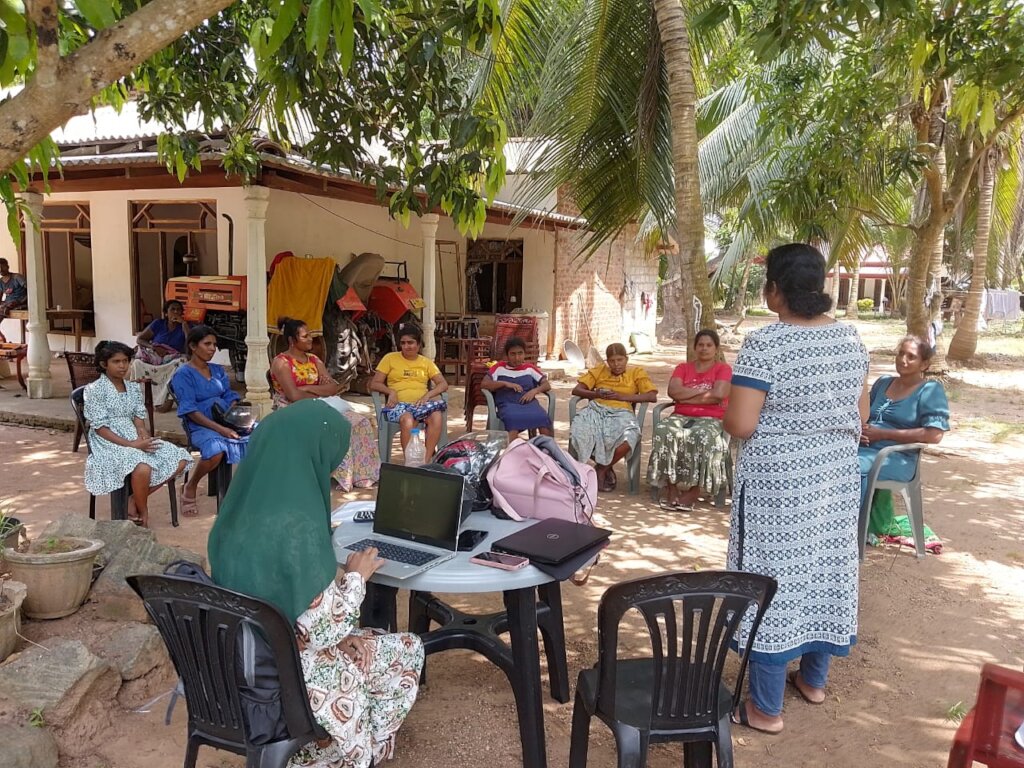
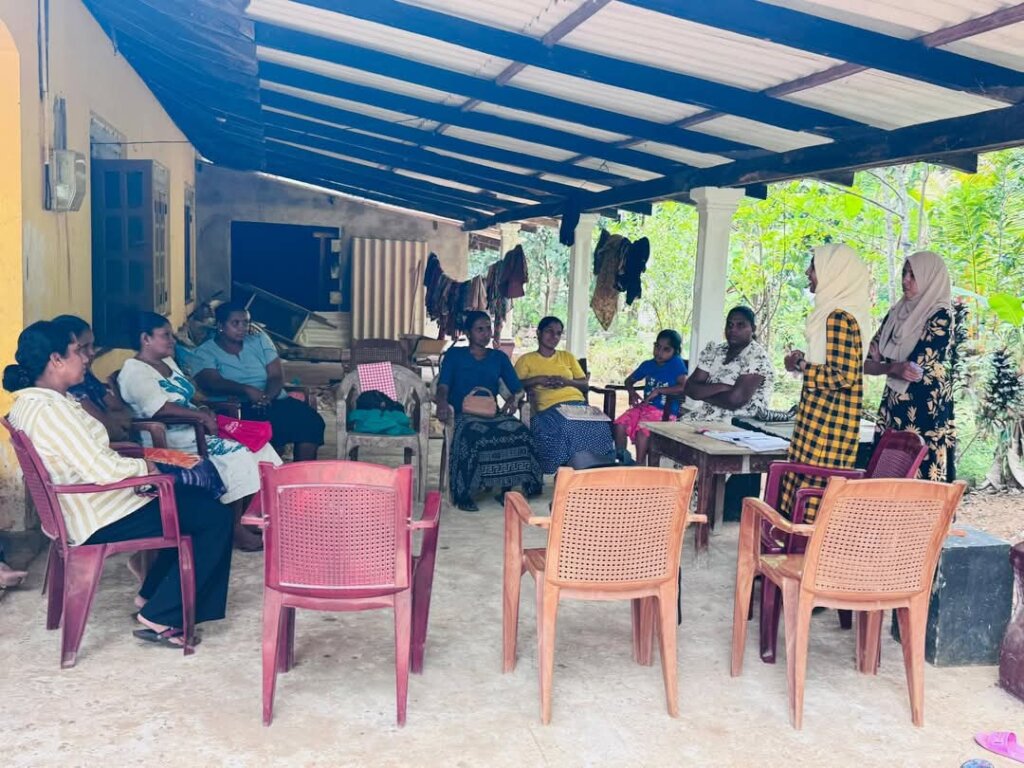
Throughout the reporting period, Family Wellbeing Centre continued supporting women’s self-care groups as safe spaces for peer learning, mutual support, and community leadership. Discussions conducted in villages highlighted key challenges affecting women, including intimate partner violence, normalization of alcohol privilege, unpaid care responsibilities, and limited access to health services.
Through participatory dialogue and reflection exercises, women identified practical actions to address these challenges while strengthening social support networks. These engagements contributed to increased awareness of women’s rights, wellbeing, and opportunities for collective community action.
The project currently supports a growing network of women’s self-care groups that serve as platforms for promoting positive behaviour change and social cohesion.
3. Prevention of Intimate Partner Violence
A significant focus during the reporting period was the prevention of intimate partner violence (IPV). Awareness sessions were conducted in Kahatagasdigiliya and Harawapothana Divisional Secretariat areas in collaboration with local partners.
Women learned to identify different forms of IPV, understand underlying causes such as harmful gender norms and inequalities, and practice positive relationship behaviours including mutual respect, shared decision-making, and non-violent communication. Participants were encouraged to become advocates for peaceful family relationships and violence prevention within their communities.
4. Community Mobilization
The project further promoted violence-free families and communities through awareness campaigns emphasizing respectful relationships, conflict resolution, and healthy communication. Community discussions under the Happy Family Initiative highlighted the relationship between alcohol use and family violence while encouraging positive social norms and alcohol-free environments.
A community dialogue conducted in 10 villages on successfully engaged community members in discussions on family wellbeing, violence prevention, and collective responsibility for creating safer communities.
5. Capacity Building and Health Promotion
The project also contributed to broader community wellbeing through an online awareness programme on Non-Communicable Disease (NCD) prevention and control conducted. Participants gained practical knowledge on NCD risk factors, prevention strategies, and community mobilization approaches that contribute to healthier lifestyles and improved family wellbeing.
6. Stationery pack provided
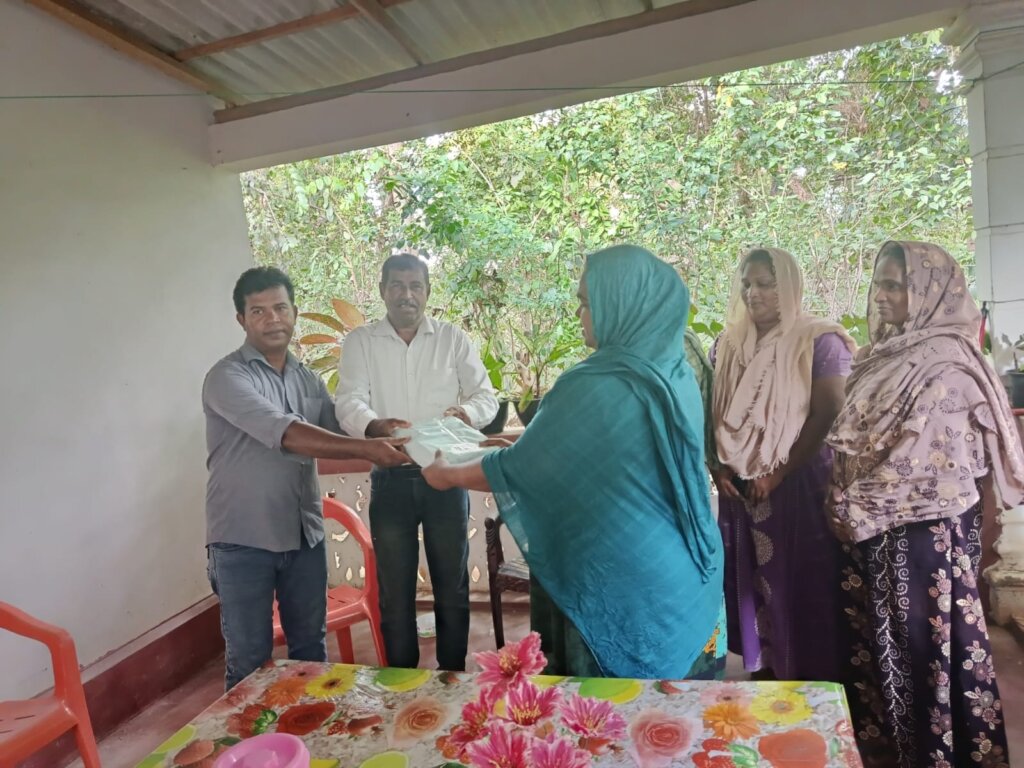
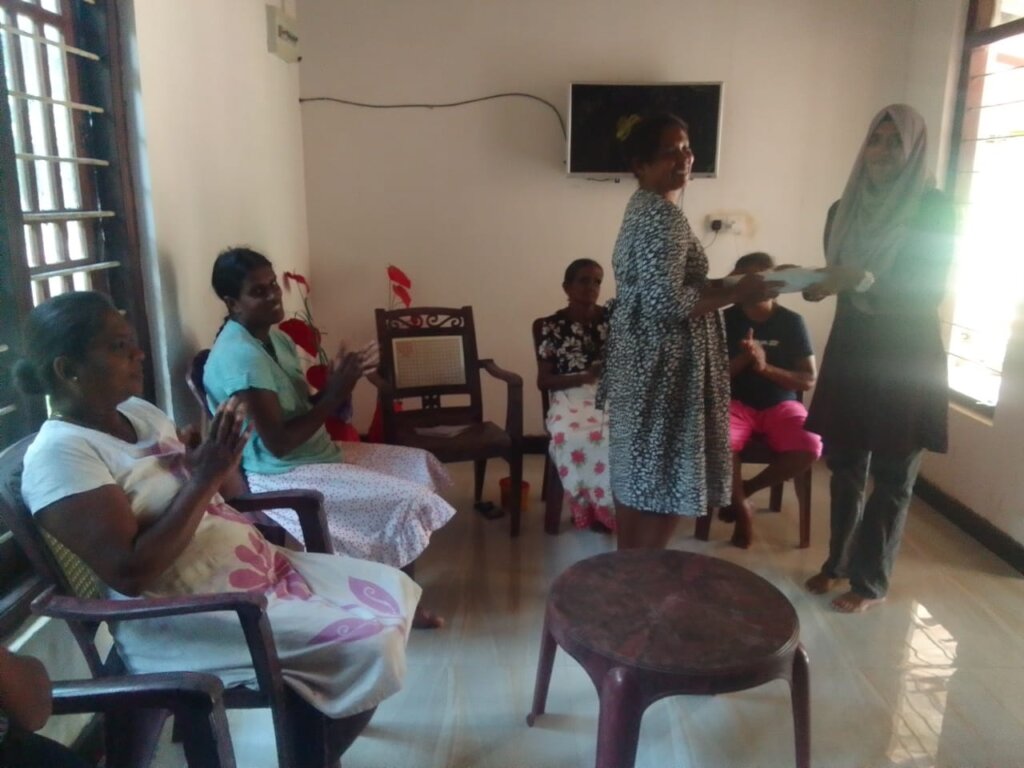
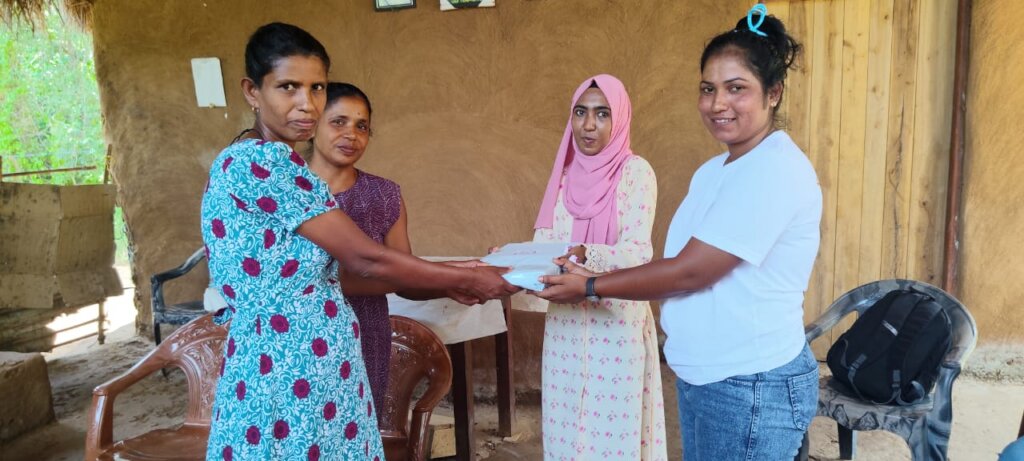
25 Women’s Self-Care Groups received a stationery pack to strengthen group documentation, record keeping, and communication systems. This support contributes to improved organizational capacity and sustainability of group activities.
Conclusion
During February–May 2026, the project successfully strengthened women’s self-help groups, promoted violence prevention, enhanced psychosocial wellbeing, and supported community mobilization efforts. Women demonstrated increased confidence, leadership, and engagement in addressing challenges affecting their families and communities.
Family Wellbeing Centre remains committed to empowering women through self-care groups, entrepreneurship support, capacity building, and social and behaviour change interventions that contribute to healthier families, stronger communities, and sustainable socio-economic wellbeing.
Project reports on GlobalGiving are posted directly to globalgiving.org by Project Leaders as they are completed, generally every 3-4 months. To protect the integrity of these documents, GlobalGiving does not alter them; therefore you may find some language or formatting issues.
If you donate to this project or have donated to this project, you can receive an email when this project posts a report. You can also subscribe for reports without donating.



Support this important cause by creating a personalized fundraising page.
Start a Fundraiser