By Michael Tuerk | Project Leader
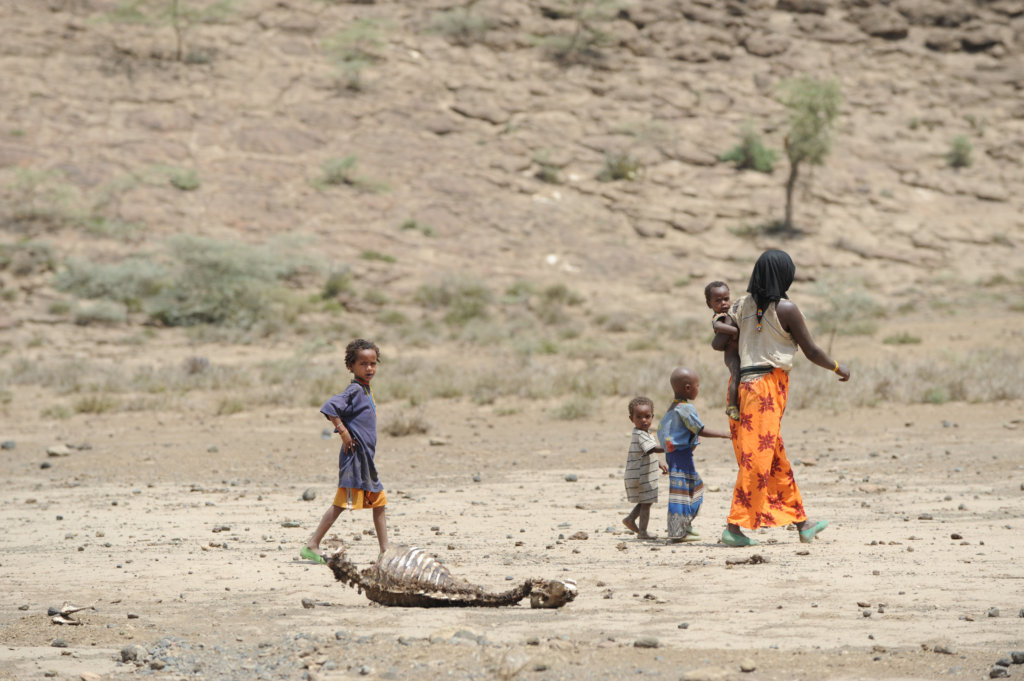
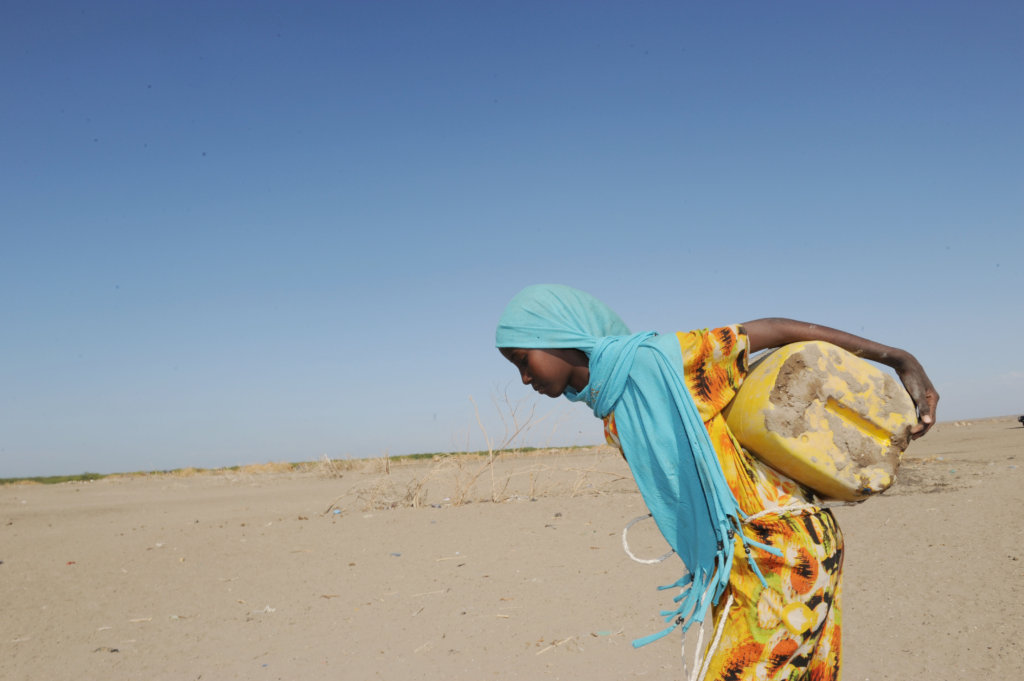
On the edge of the Afar Plain Clemens von Heimendahl, Regional Responsible for Diakonie Katastrophenhilfe encounters a group of older men. Droughty and hungry, they try to gather the corn in a field which they have planted last summer. But the result is frustrating, not even a third of the usual crop has grown. Livestock has fallen dramatically and a large quantity of cattle will not survive the coming months.
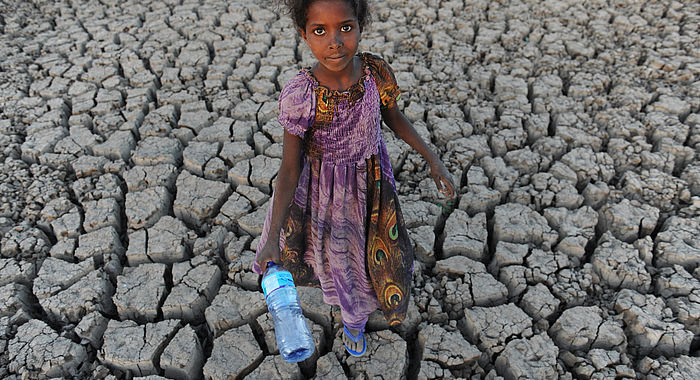
Ethiopia is on the brink of a hunger catastrophe, since the summer rain, which is so necessary for the Spartan subsistence economy, was very small last year. The East African country is struggling with the climatic phenomenon El Nino, which now brings more rain and floods in the west of Ethiopia. In the east, especially in the Afar desert bordering Eritrea, it leads to the fact that it has not rained since August last year. Just as the rain is now in the western parts of the country, humans are lacking seed to be able to grow for new harvests.
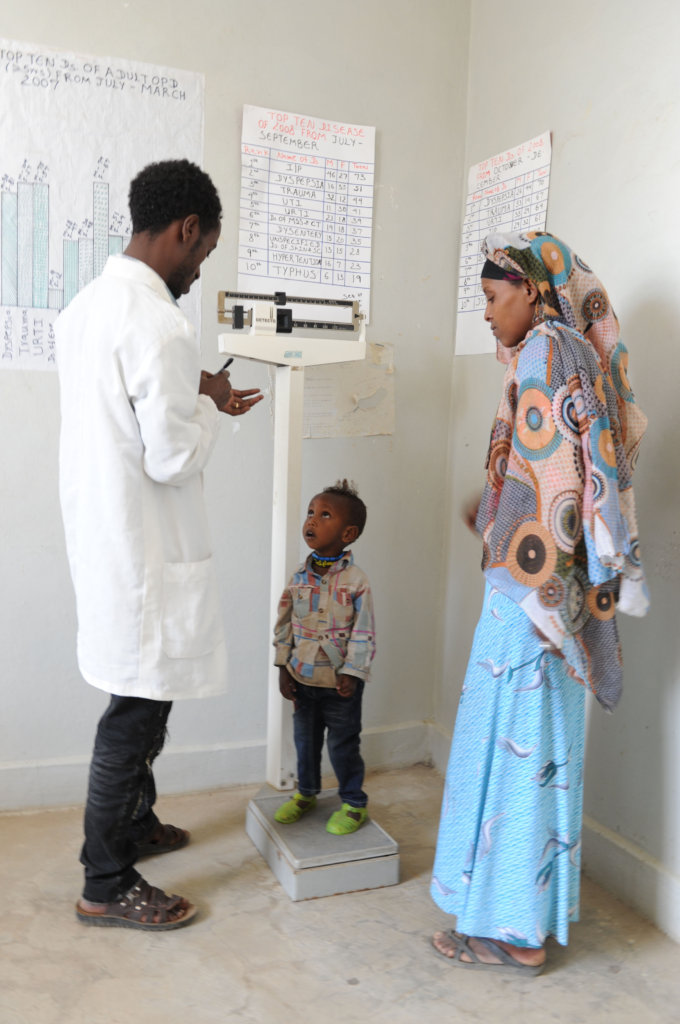
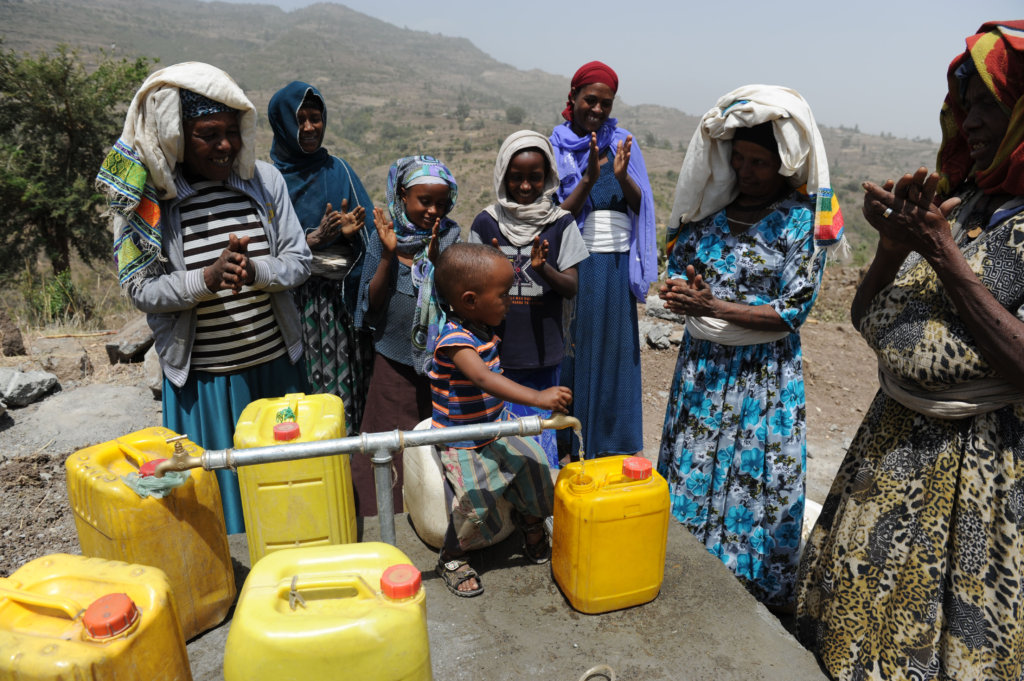
The immediate impression of Clemens is alarming: “Diakonie Katastrophenhilfe has already begun with emergency relief in the last year. In the north of the Afar desert, we supplied small children and nursing mothers with vitamin-rich food. In the southern part we repaired springs and built new ones. Both projects are expandable, but the resources are very limited.
Already 10 million people of the approximately 100 million inhabitants of Ethiopia today rely on acute food aid, simply because they no longer have enough to eat. The UN estimates that the numbers will double within a few months. From the villages in three different parts of northern Ethiopia Clemens reports dramatic developments. Prices for livestock have fallen by almost 70 per cent as there is hardly any food for animal husbandry. On the other hand, food prices are exploding. In particularly affected regions, they have doubled.
"It is a devil circle that is taking place here, many families have adapted their eating habits and eat only once a day. The children I met on the street and in places have signs of chronic malnutrition, which indicates that the hunger lasts more than a few weeks”, adds Clemens.
Many children no longer go to school because their parents can not afford to attend school. The number of rural people entering the cities is rising daily. These People searching jobs as day labors in the search for income or they are begging.
I'm greatful to have you on our side. Thank you we can help the drought affected in Ethiopia.
Yours
Michael Tuerk
Project reports on GlobalGiving are posted directly to globalgiving.org by Project Leaders as they are completed, generally every 3-4 months. To protect the integrity of these documents, GlobalGiving does not alter them; therefore you may find some language or formatting issues.
If you donate to this project or have donated to this project, you can receive an email when this project posts a report. You can also subscribe for reports without donating.



Support this important cause by creating a personalized fundraising page.
Start a Fundraiser