By Michael Tuerk | Project Leader
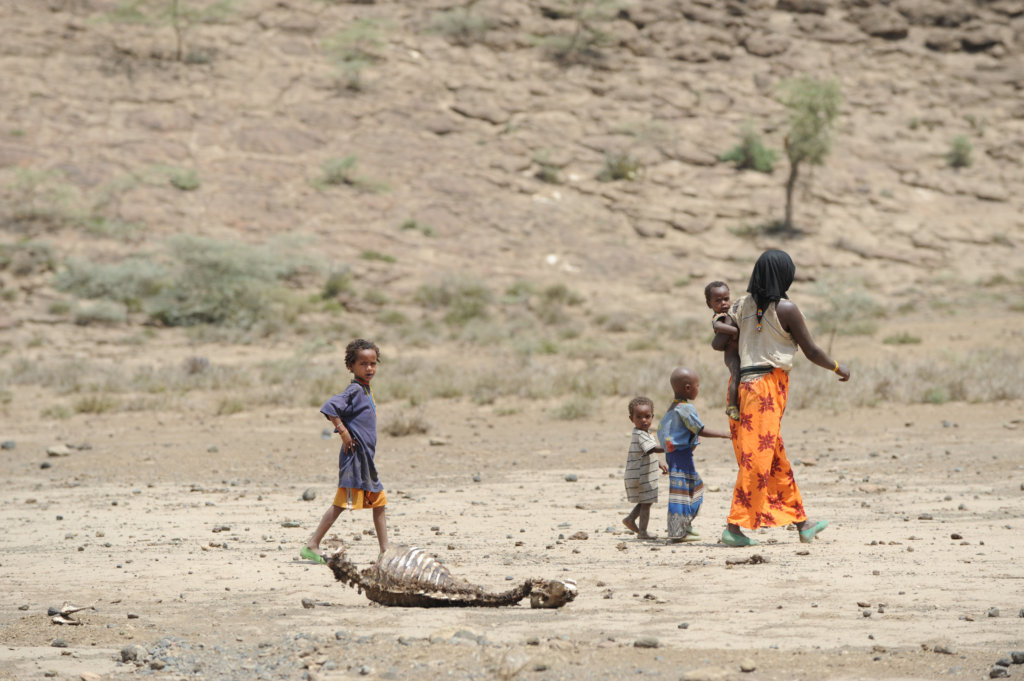
Many countries in Africa are not only among the poorest, but also the driest in the world. For example, in the Afar region of Ethiopia with temperatures of up to 50 degrees Celsius, the world's highest temperatures are regularly measured. The advancing climate change is exacerbating the already difficult living conditions, long-lasting droughts threaten the lives of the people and lead to care crises.
The extreme weather conditions are very different in Africa: while in some regions the extreme drought makes the soil wither, there are other parts of torrential rainfall. Triggered by the climatic phenomenon El Niño, since the end of last year extreme extremes have caused dramatic crop failures and scarcity of food. According to the United Nations, more than 50 million people are acutely threatened by hunger and lack of food.
Drought in Ethiopia: Children particularly affected
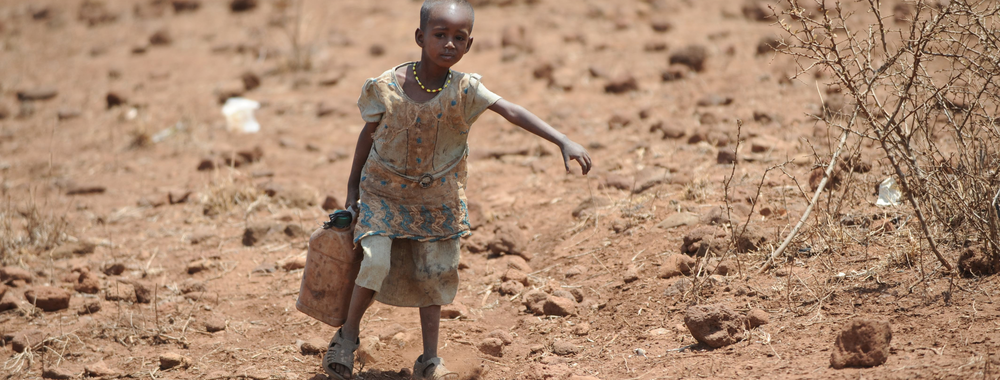
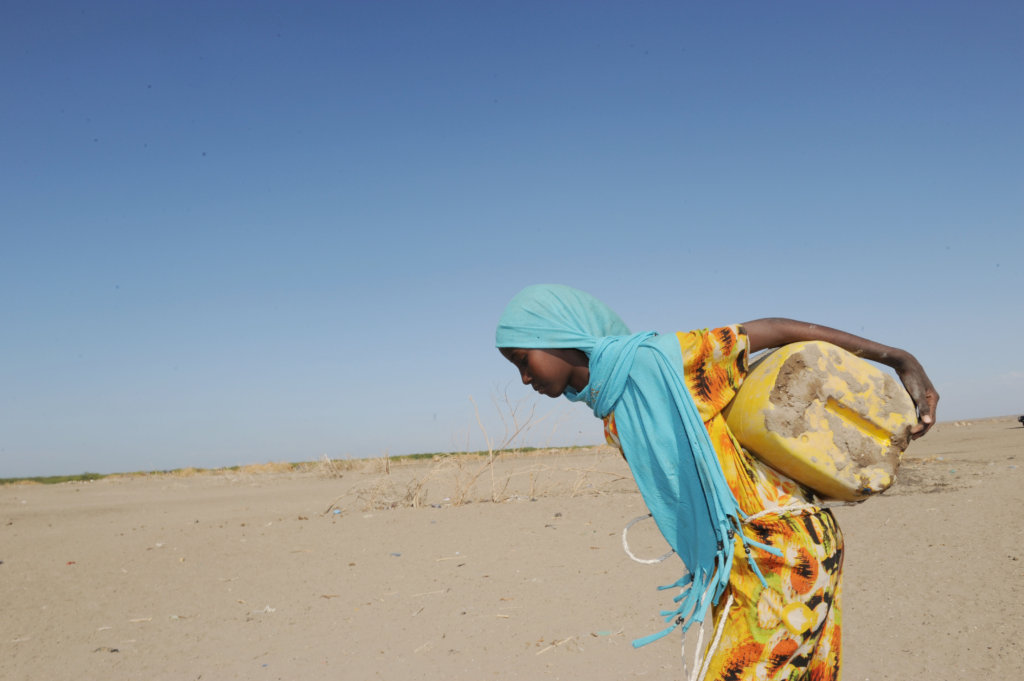
To get enough water for their families and their animals, women and girls have to walk long distances on foot. Women are sometimes attacked and abducted by such means.
Children are also particularly affected by the drought. Around a third of the children are currently unable to take part in the class. Those who come to the classroom are partly unskilled and can hardly concentrate. Nevertheless, students often have to run for hours to get water for themselves, their family and school.
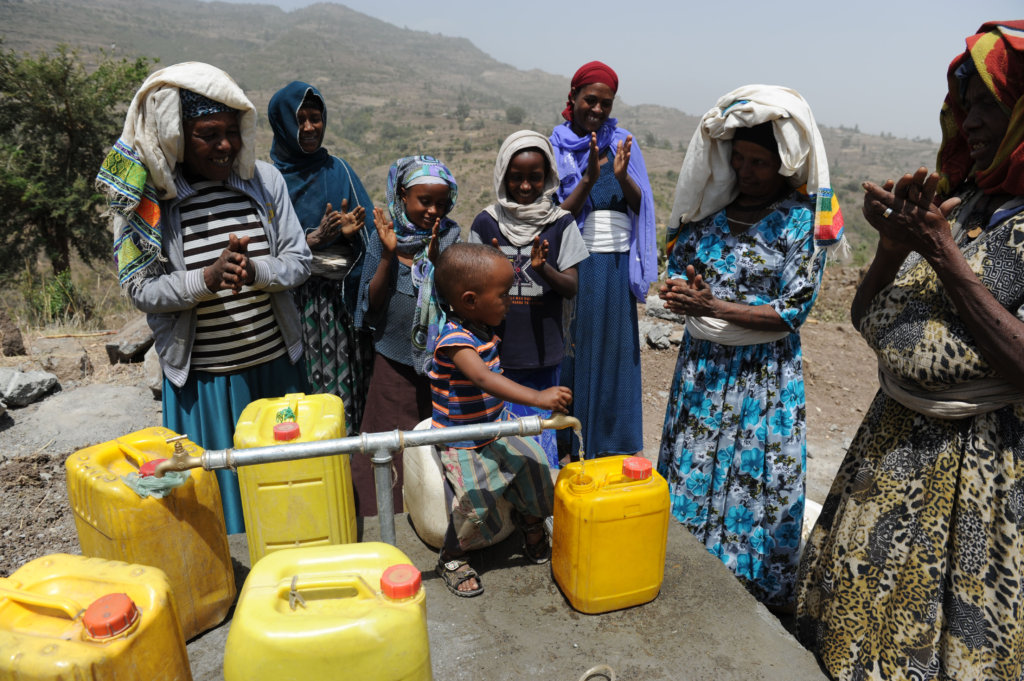
Together with our partner organization we secure access to drinking water for almost 2,900 people and their over 500 animals from Chefa and Gorgo Zuria in Ankober. The project included the maintenance of four wells, as well as the establishment and consultation of water management committees. The project was complemented by reconnaissance measures on water use with livestock and the necessary hygiene. Also the nutrition of the families has to be ensured.
Drought in Ethiopia: hygienic training is essential
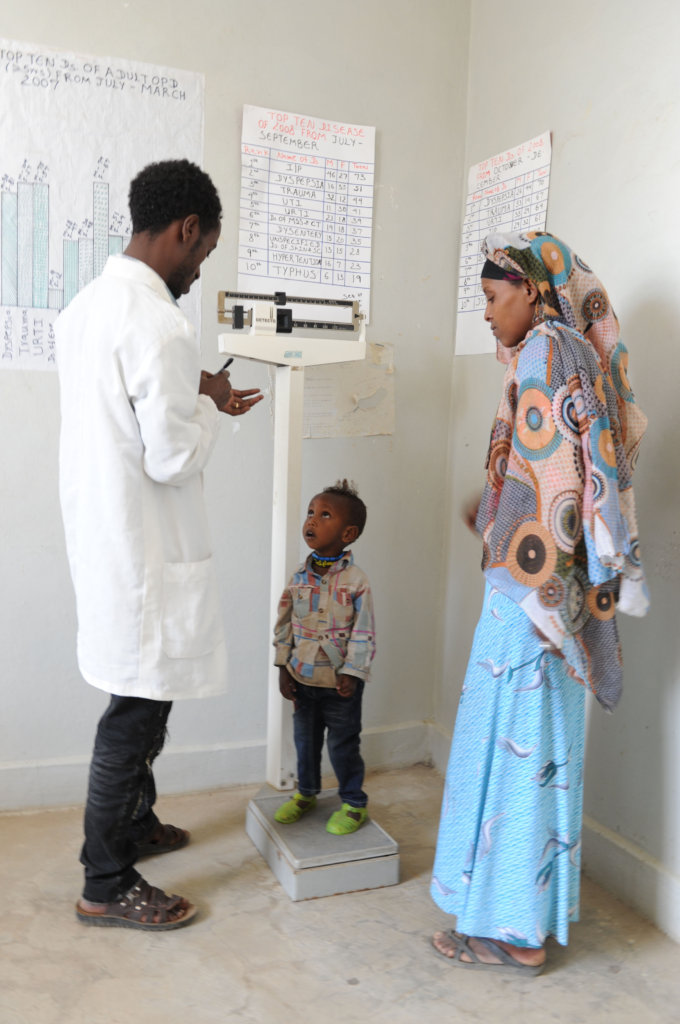
Especially the hygiene training is particularly important. As a result of the drought, the number of hygiene-related diseases such as typhus has greatly increased. Many women use river water like drinking water without cooking it. Simply because they do not know the connection between the diseases and the condition of the water.
In the following months, the Diakonie Katastrophenhilfe will support our partner to secure the drinking water supply for an additional 4,000 people and their 3,800 animals.
Please don’t leave the people in Ethiopia in this situation alone. Your donation makes the difference!
Project reports on GlobalGiving are posted directly to globalgiving.org by Project Leaders as they are completed, generally every 3-4 months. To protect the integrity of these documents, GlobalGiving does not alter them; therefore you may find some language or formatting issues.
If you donate to this project or have donated to this project, you can receive an email when this project posts a report. You can also subscribe for reports without donating.



Support this important cause by creating a personalized fundraising page.
Start a Fundraiser