By Anna Koosman | Estudio Damgo Consultant
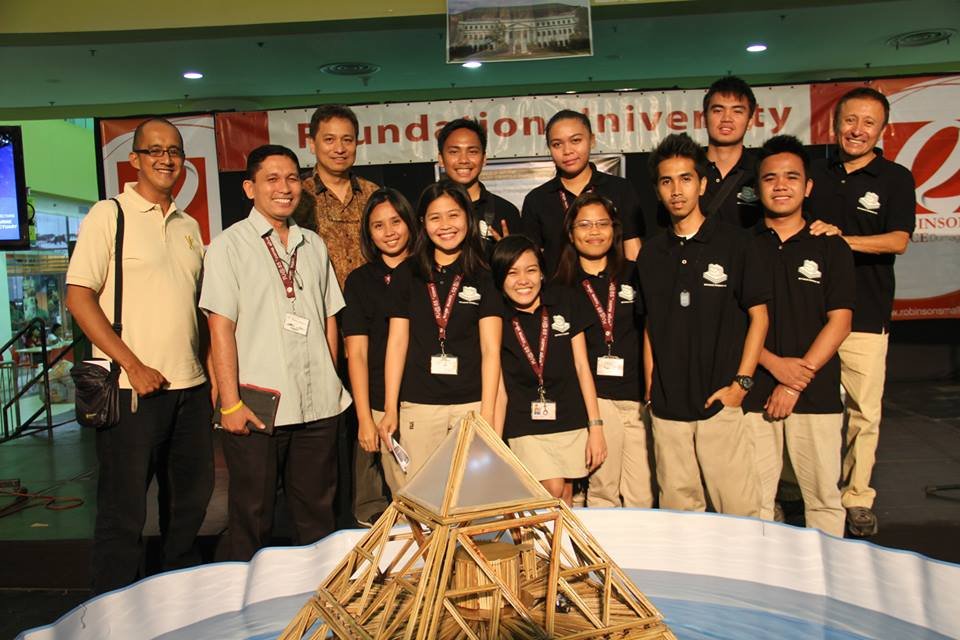
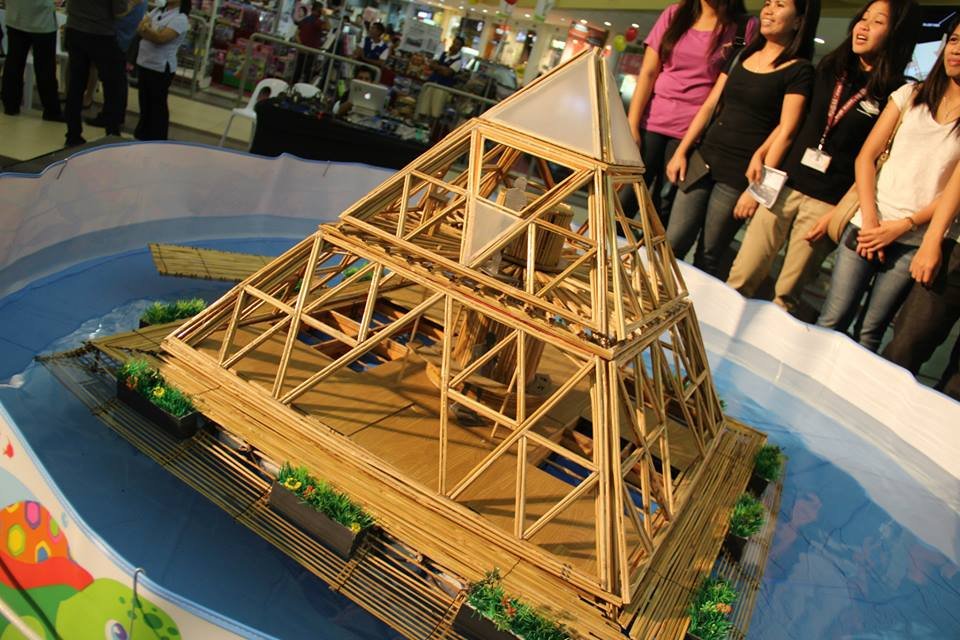
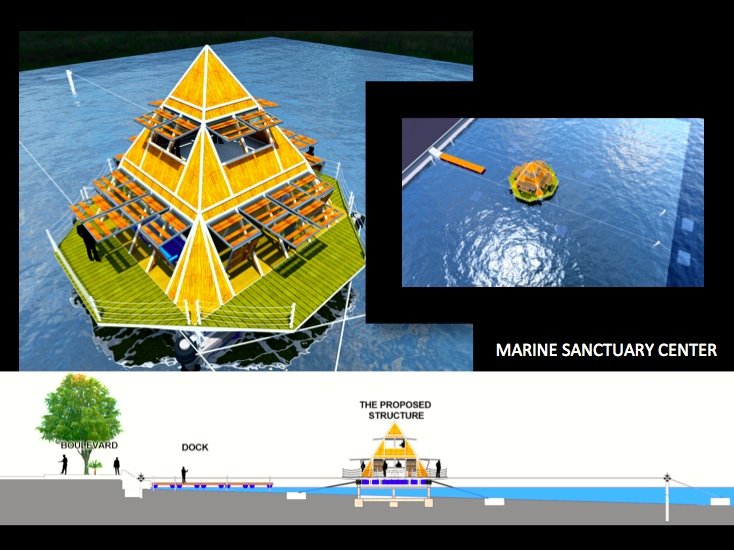
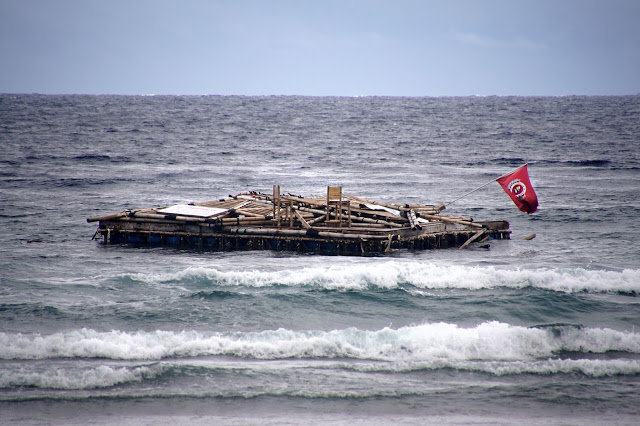
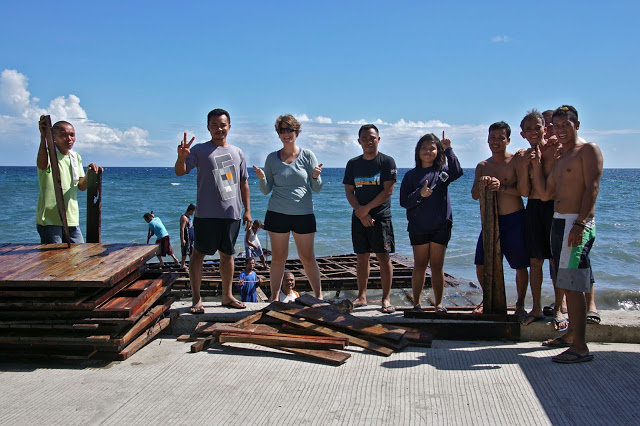
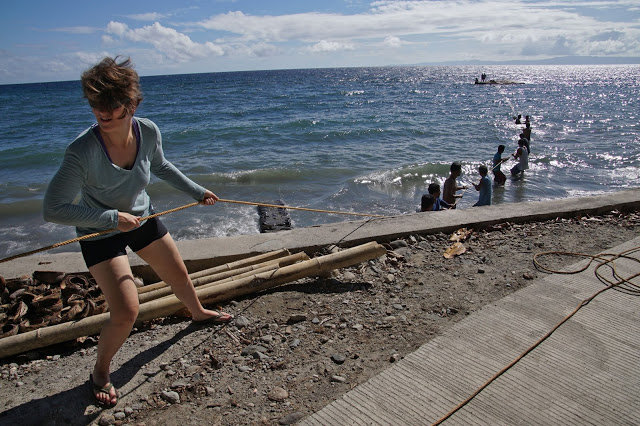
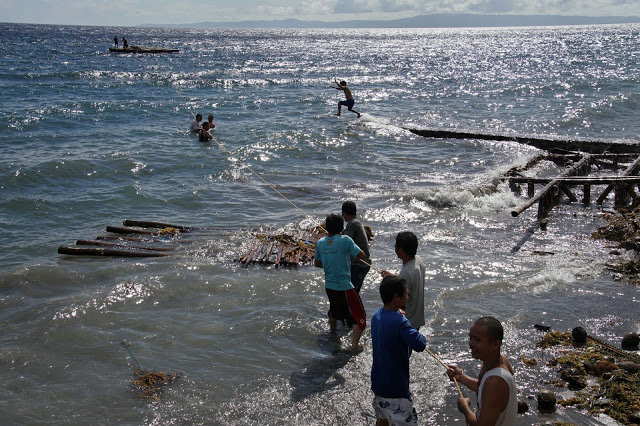
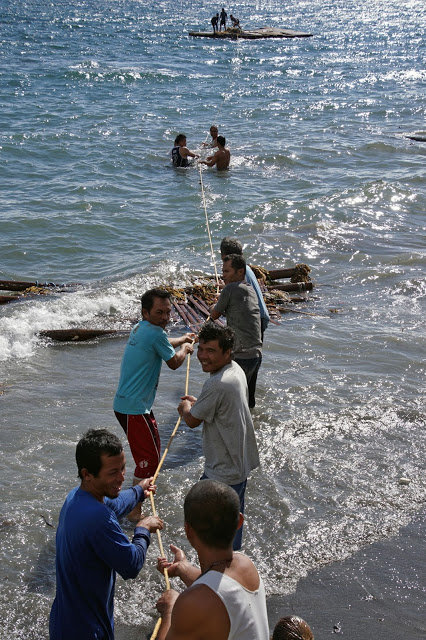
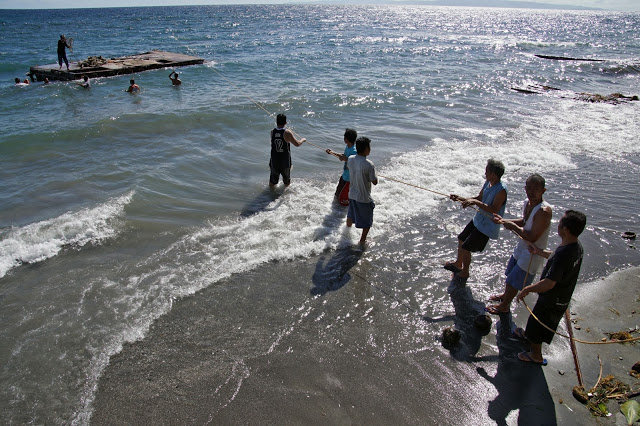
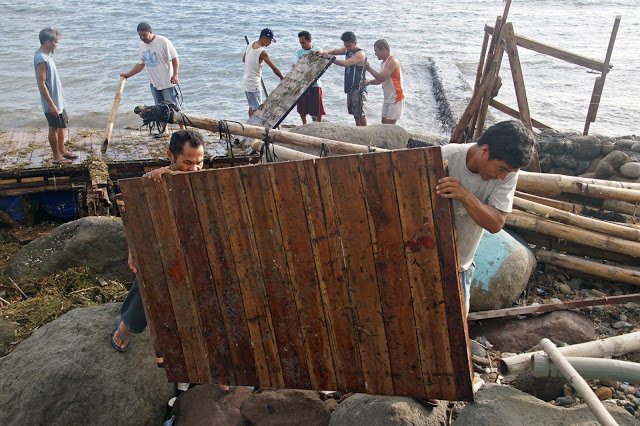
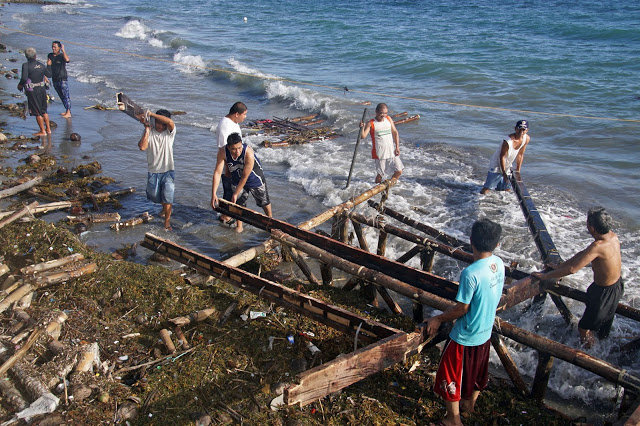
The community's concerns that the floating structure would not hold up through typhoon season, was validated on a Saturday evening of October 31, the Marine Sanctuary Center collapsed. Floating for a short five months since June, the structure was impaired by high tidal waves on Friday and Saturday. The fishing community observed on Friday, that the waves were higher and stronger, and the tidal forces were putting noticeable strain on the structure. By Saturday evening, the pyramid fully collapsed (unoccupied) and the pieces were dislodged and washed ashore. The next morning, eight fish wardens (bantay dagat) collected the washed-up mahogany wall panels and bamboo framing. On Monday, the director of research, Geraldine, and I went to the site to see the damage. Upon our approach, Nong Corro, the fish warden president, was towing in the pieces from the collapse. What remains floating and tied to the anchoring system is the bamboo and barrel raft; however, that too is likely to dismantle as the impaired structure continues to endure tidal forces.
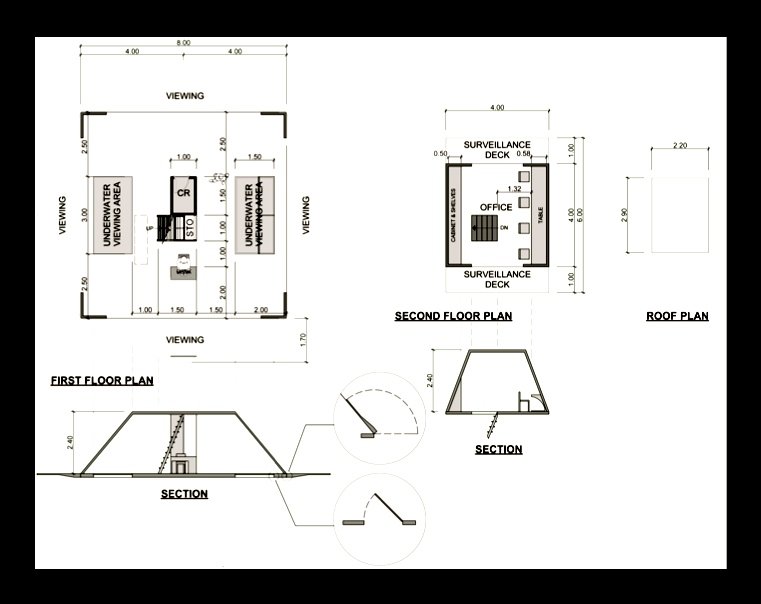
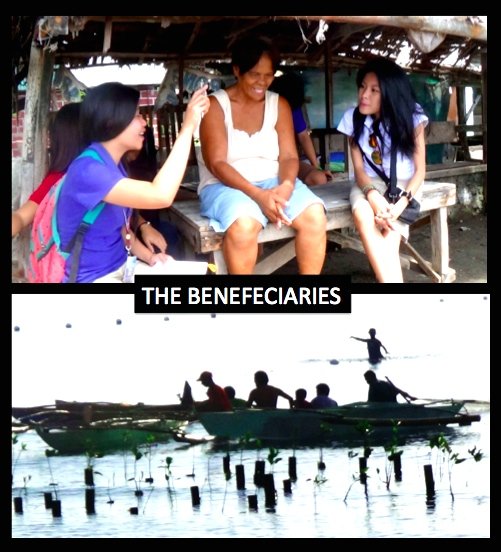
This unfortunate event is evident that the forces of nature (most notably water) are powerful. And in witnessing such an event, it is our duty as architects to work within our limits for the health, safety, and welfare to serve the general public. It is important that we learn from this ambitious project; we must design and engineer our structures for lasting positive impact to the community, instead of relishing in short-term achievements. Estudio Damgo III set out to design, build, and float the structure; and have accomplished just that. It is in the wake of the aftermath, that we see the value in designing for long-term goals and understand the full objectives for whom the design serves.
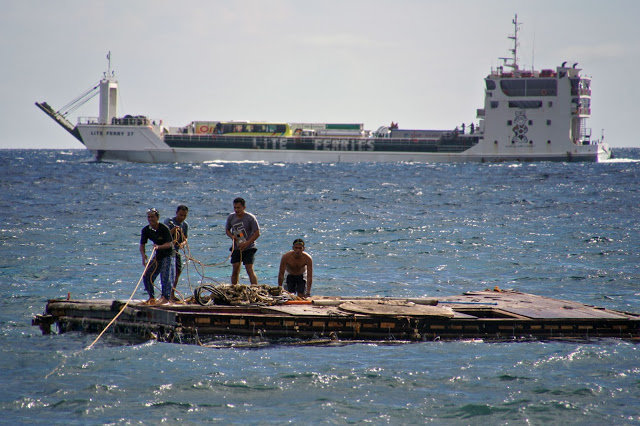
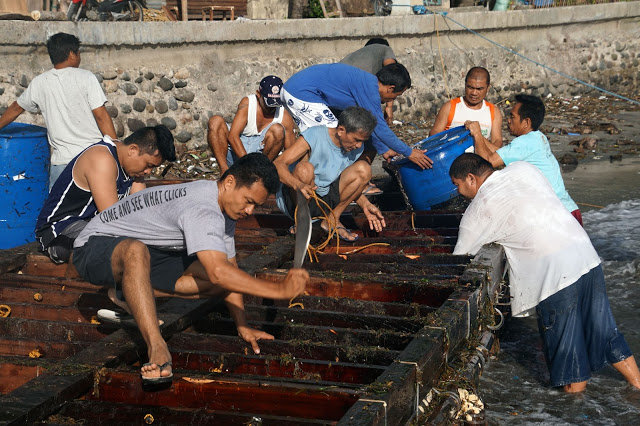
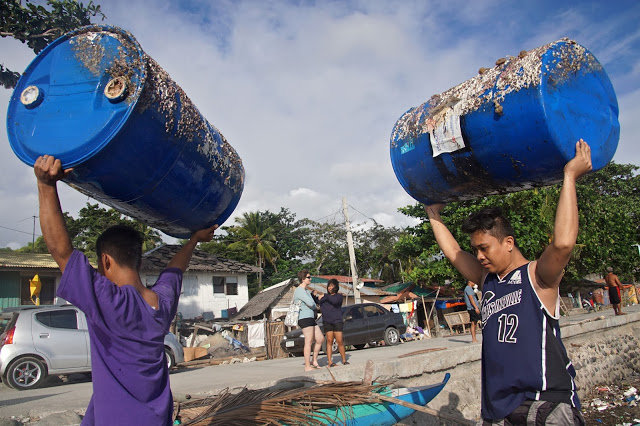
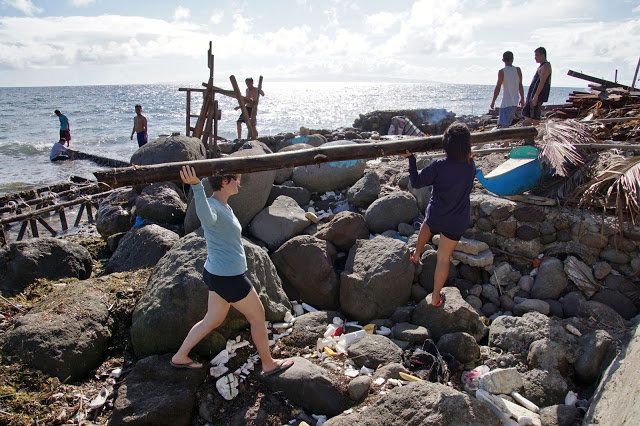
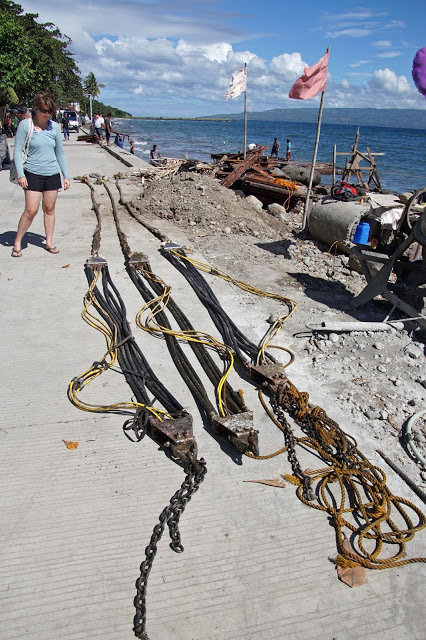
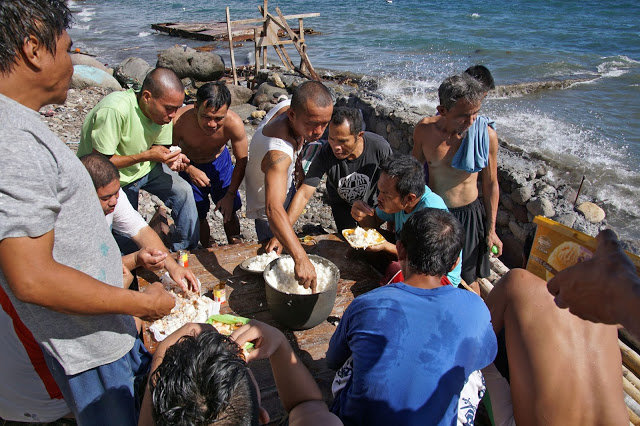
In less than a week, Foundation University workers went to the wreckage site of the collapsed floating pyramid. Demonstrating the spirit of bayanihan, (a Filipino term referring to a community that comes together to accomplish a great task) 15 workers joined together to tow in the remaining platform and clear the debris washed ashore over the past week. On Saturday the crew, led by Zorich Guia, the record architect, and Julie Mayoga, Estudio Damgo alumnus, borrowed an inflatable boat to determine the condition of the seaflex anchoring system and the remaining floating platform. The crew checked all areas of the collapsed structure. A volunteer diver who worked on the project, looked at the condition under the water and discovered that one of the ropes tied to the seaflex anchor had been severed from an unknown cause. Above, it appeared the platform broke in two at a construction joint; one of the halves drifted ashore by the force of the waves, the other half stayed anchored to the seaflex. After determining this, the crew set out on Sunday to tow in the platform and cleanup the debris that continued to wash ashore.
At the end of the day, it is in the spirit of bayanihan and those returning faces lending a hand in the cleanup, that will be remembered by the community. It is in the attitudes and dedication, like returning Estudio Damgo alumnus, Julie Mayoga, that reflects back on Foundation University's program saying,
"It's for everybody, I'm doing it on behalf of the Estudio Damgo 3 team that in despite of what had happened we're still committed to our beneficiaries, the barangay, and to the community for a long term partnership." - Julie Mayoga
Project reports on GlobalGiving are posted directly to globalgiving.org by Project Leaders as they are completed, generally every 3-4 months. To protect the integrity of these documents, GlobalGiving does not alter them; therefore you may find some language or formatting issues.
If you donate to this project or have donated to this project, you can receive an email when this project posts a report. You can also subscribe for reports without donating.