By Anna Koosmann | Project Leader
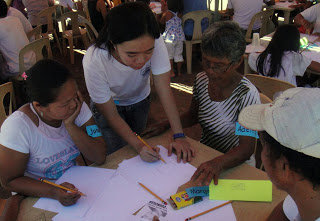
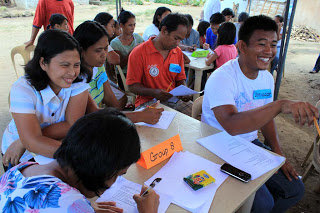
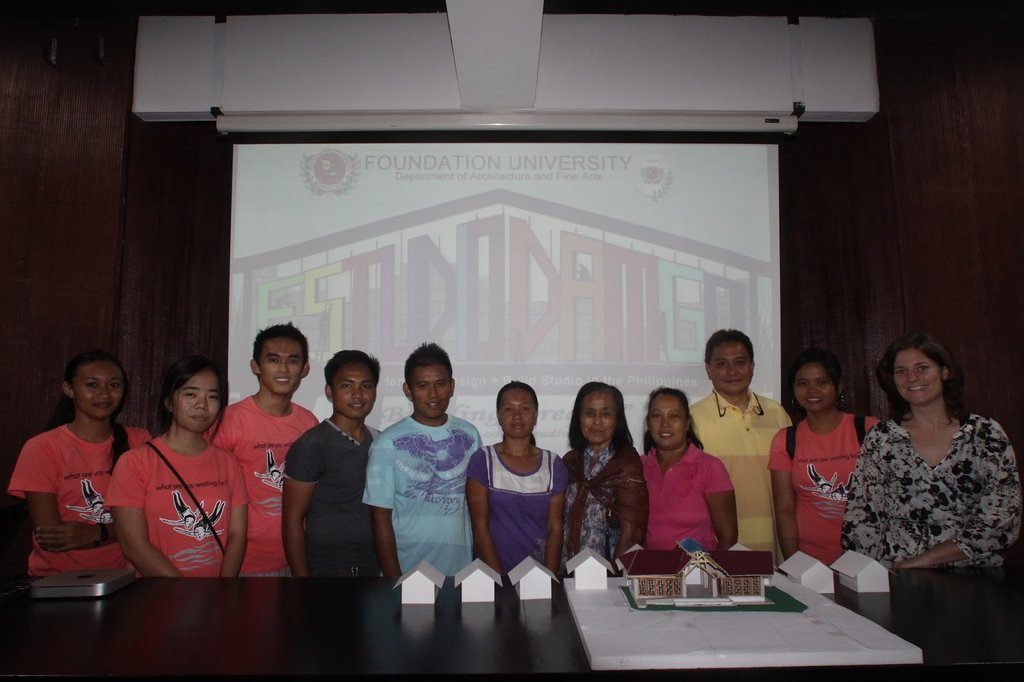
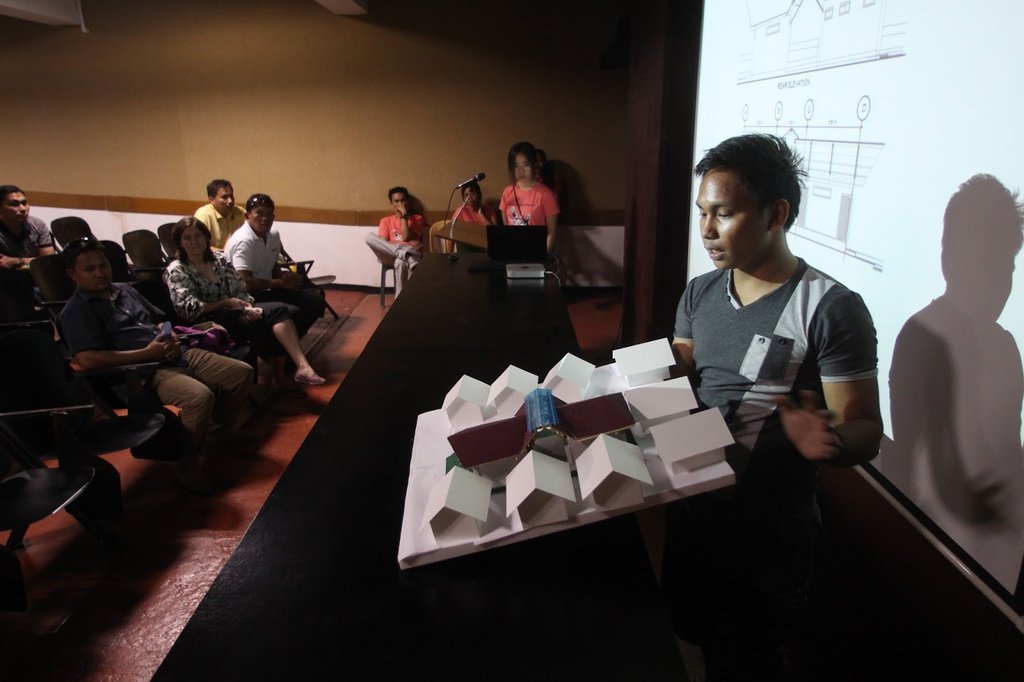
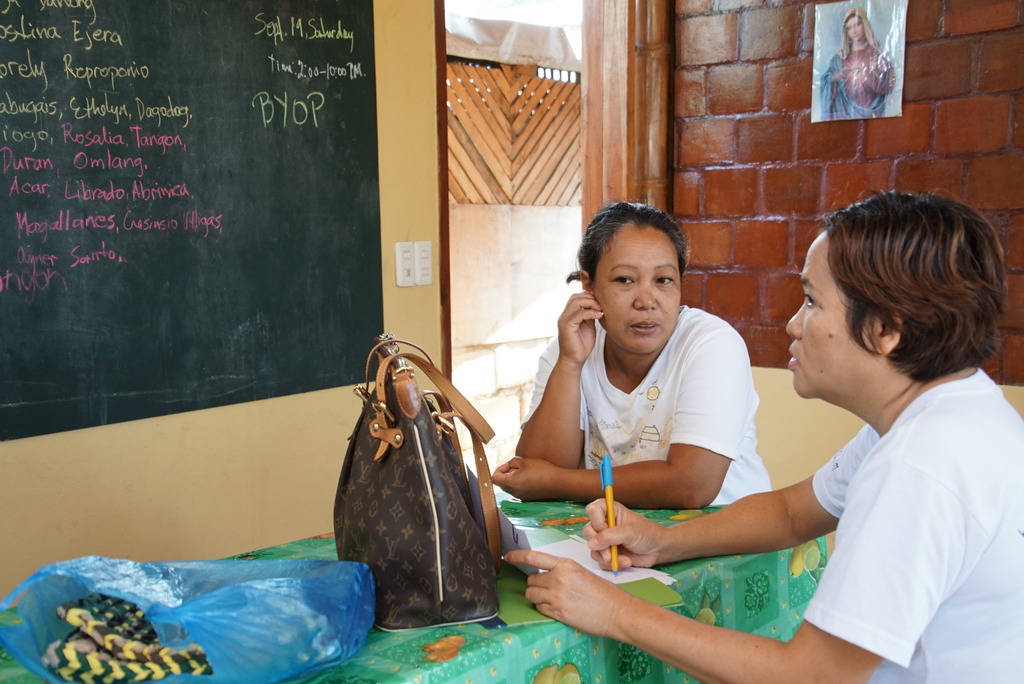
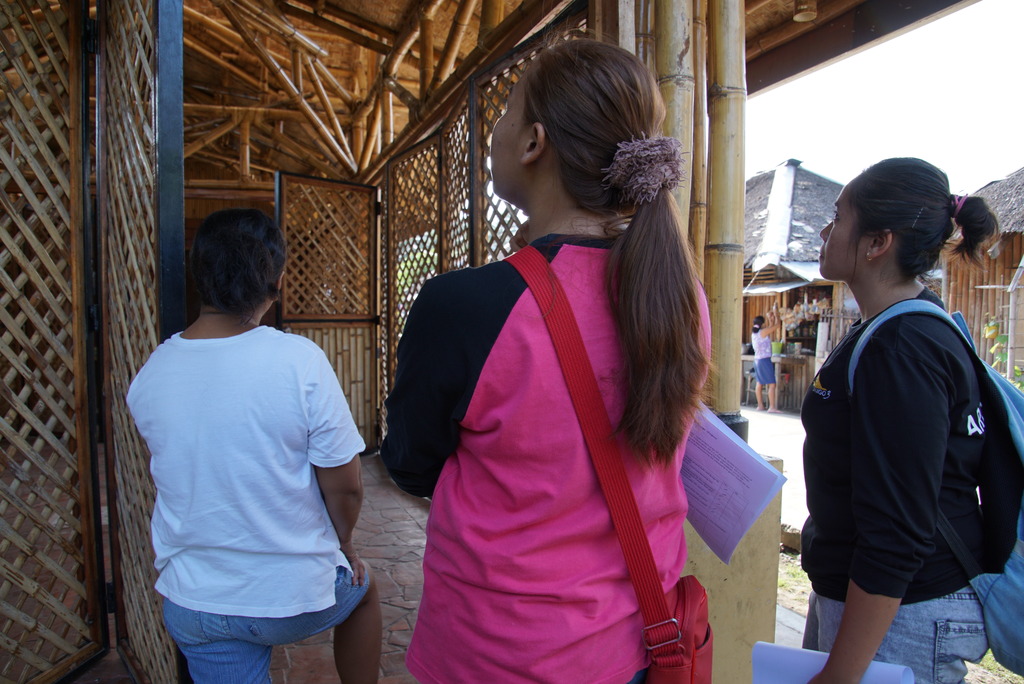
As part of the research extension program, Foundation University is conducting post-occupancy evaluations on the first three Estudio Damgo structures to improve future projects for its long-term success. Led by research department faculty, Ma'am Geraldin Quinones, former Estudio Damgo project manager, Anna Koosmann, and with the assistance from Estudio Damgo student alumni, they are gathering qualitative data from community residents, teachers, and baranguay officials after being occupied over the past years.
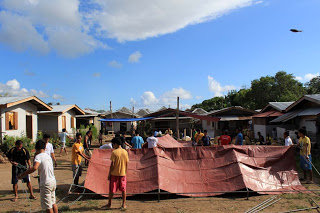
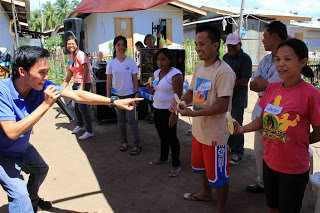
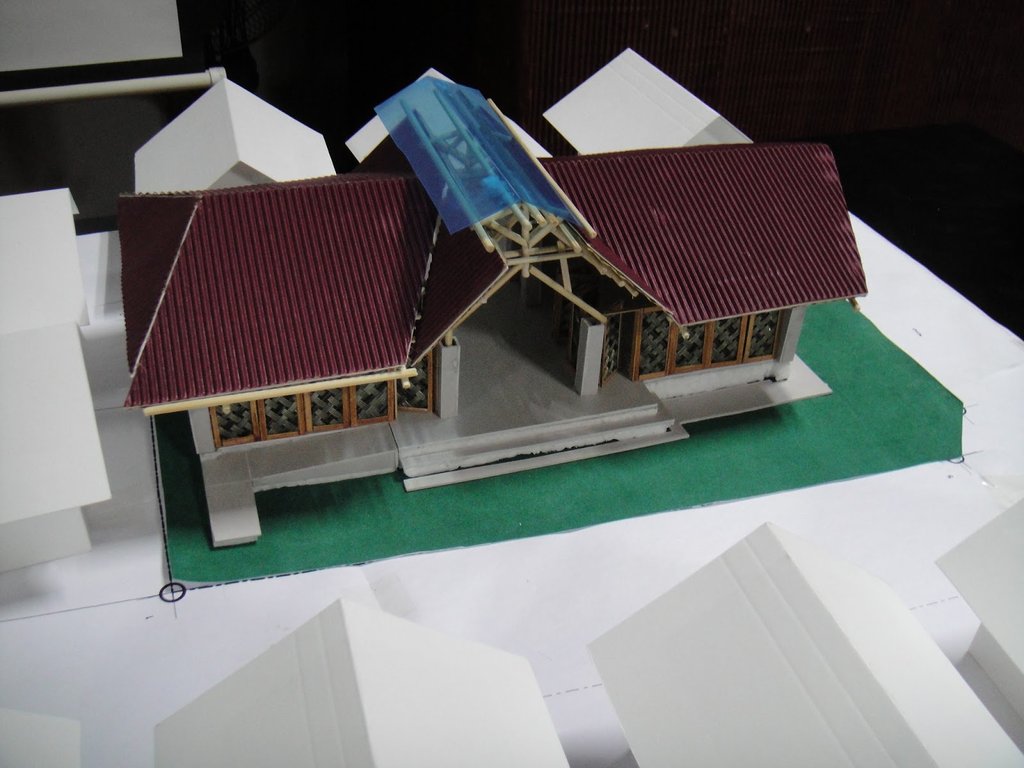
Surveys from 7 Core Shelter community members reveal that the majority of the residents are largely satisfied with the multipurpose hall design and performance of the structure. During the survey discussions, the president of Core Shelter, Jona David, expressed her gratitude for the building. She reflected that before the multipurpose hall was built, residents would meet in one of the houses to hold community meetings. There are over 50 households in the community. The homes are small, one-room spaces that hold no more than 10 people comfortably. Before, not all residents felt welcomed to join in on the discussions. If they did attend meetings, residents would stand in the street or outside the window to participate. Now, community meetings are filled between 50-60 residents at each meeting. The multipurpose hall can accommodate at least one representative from each household to participate in one, unified space. The president emphasized, by having a neutral space, it has largely benefited the community to resolve conflicts. Before, if there were a conflict between two families, the residents would find a neutral family household to work out the issues. Now, the multipurpose hall creates a neutral and safe space to have meaningful discussions, helping to create harmony among the community. It was also expressed that the residents prefer to use the multipurpose hall to resolve issues instead of going to the local baranguay hall.
The positive reactions expressed by the community are fuel for the Estudio Damgo program to continue creating meaningful structures that enable positive change within the community.
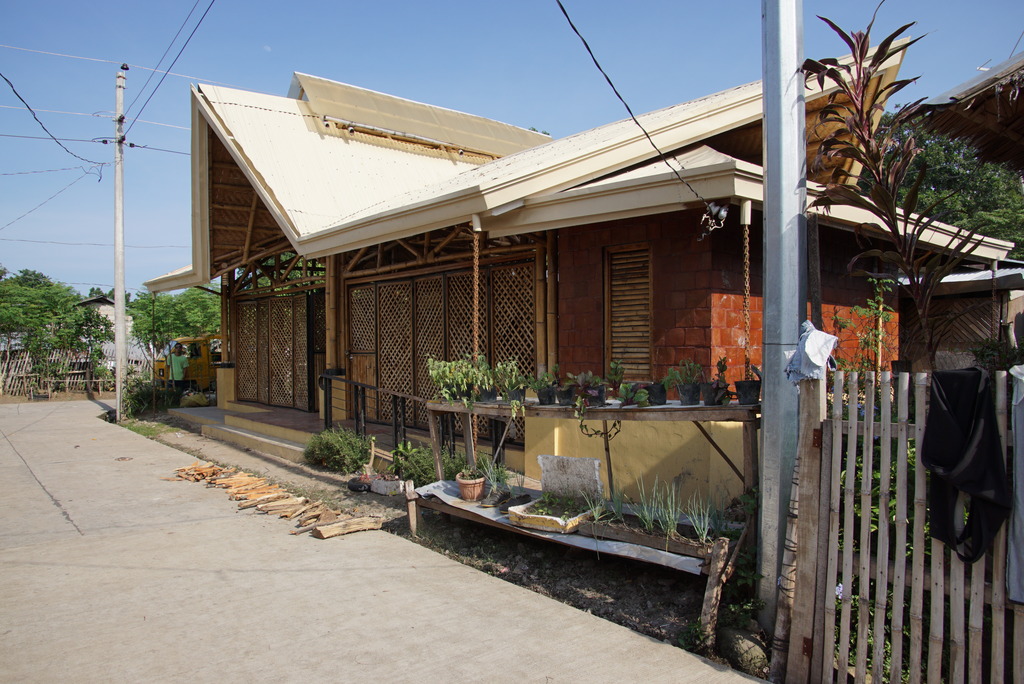
After assessing the post-occupancy condition of the building structure, remarkably the bamboo columns and truss members are weathering well after one year. The research team has taken notes on areas to maintain and repair, in order for the community to make full use of the building for other activities, such as access to medical services and adult training.
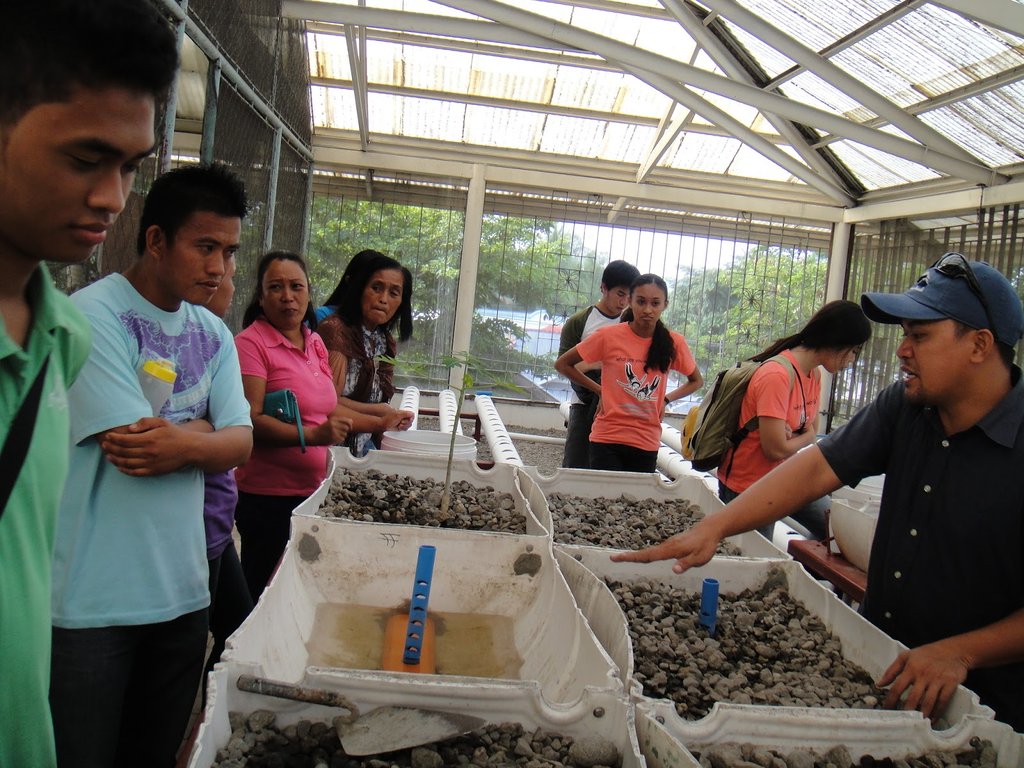
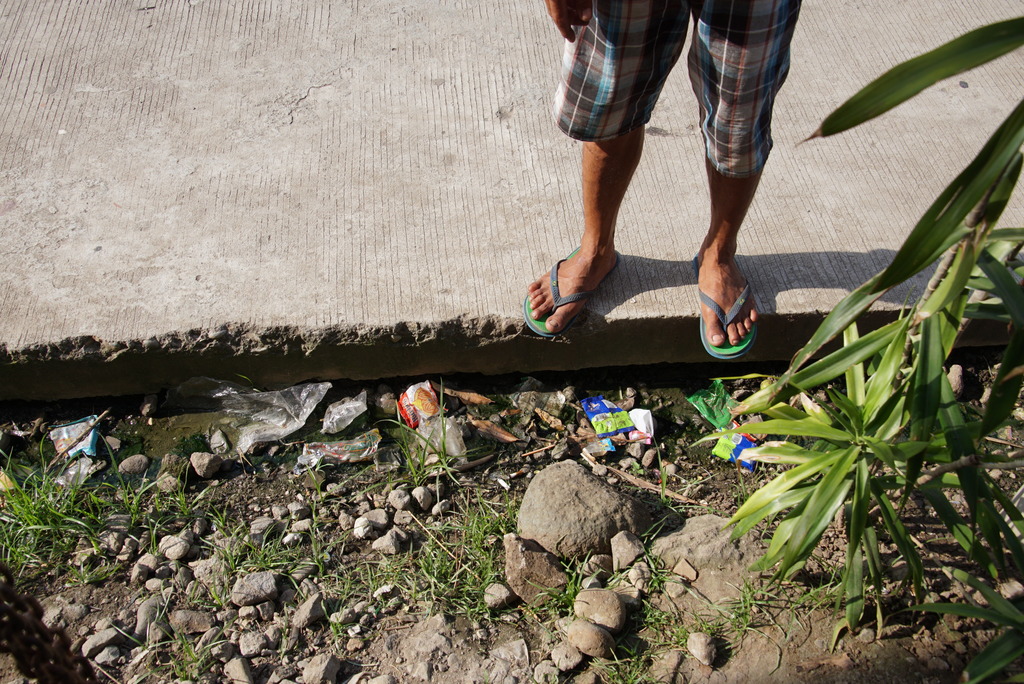
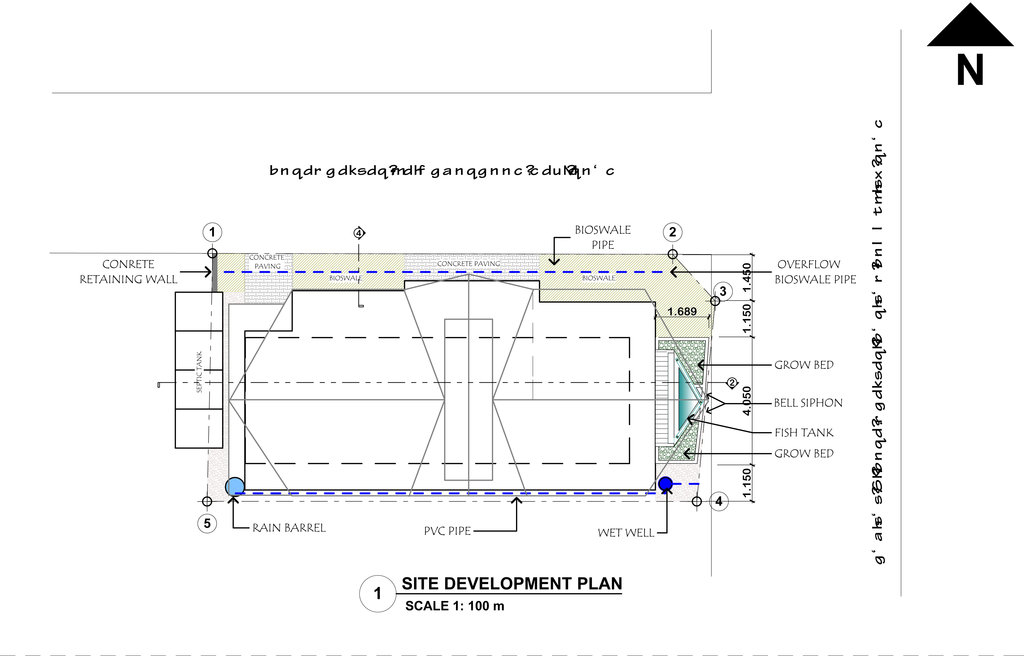
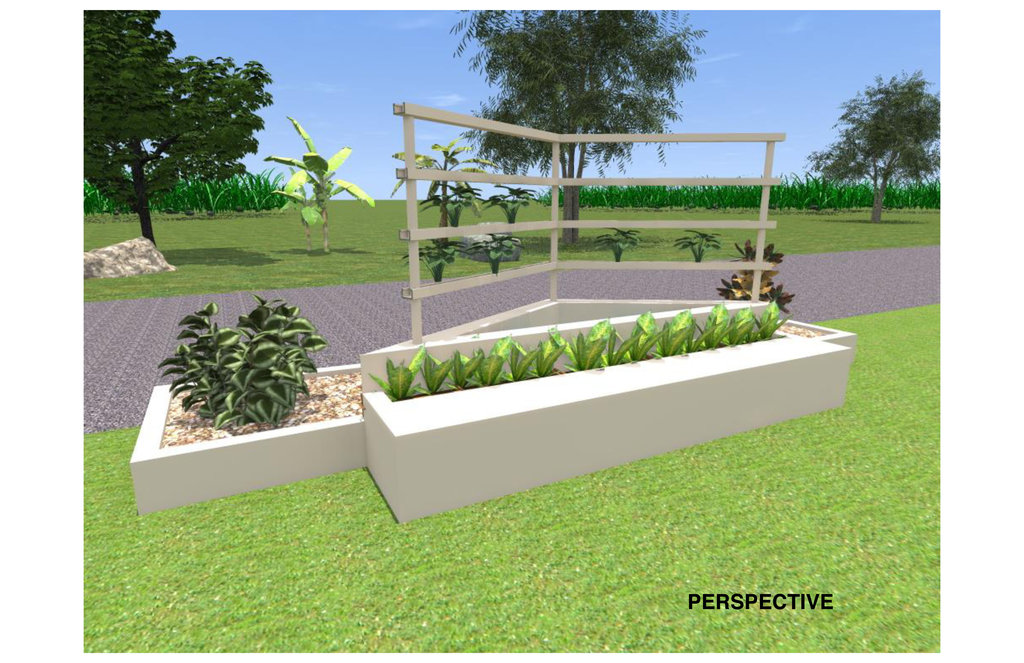
Still, the multipurpose site remains without the grey water management system. The Phase II plans for the livelihood program includes improvements to the site sewer trench by creating a bioswale, and a livelihood program that uses aquaponics and vertical growing wall. The program is waiting for funding to support this essential part of the program. Without the water management system, the site continues to flood due to poor sewer system. The dirt trench alongside the road collects debris and garbage and overflows with heavy rain.
Please donote to support Phase II of our program so that we can ensure the completion of this project to help the flood survivors. The benefits from the training of this livelihood program will nourish the community and the environment. Please help.
Project reports on GlobalGiving are posted directly to globalgiving.org by Project Leaders as they are completed, generally every 3-4 months. To protect the integrity of these documents, GlobalGiving does not alter them; therefore you may find some language or formatting issues.
If you donate to this project or have donated to this project, you can receive an email when this project posts a report. You can also subscribe for reports without donating.