By Nasly Alcazar Castillo | Lider del Proeycto
Report #4: 2,000 Sterilizations of Dogs and Cats in Colombia by 2025
Date: January 27, 2026
1. Context and Problem
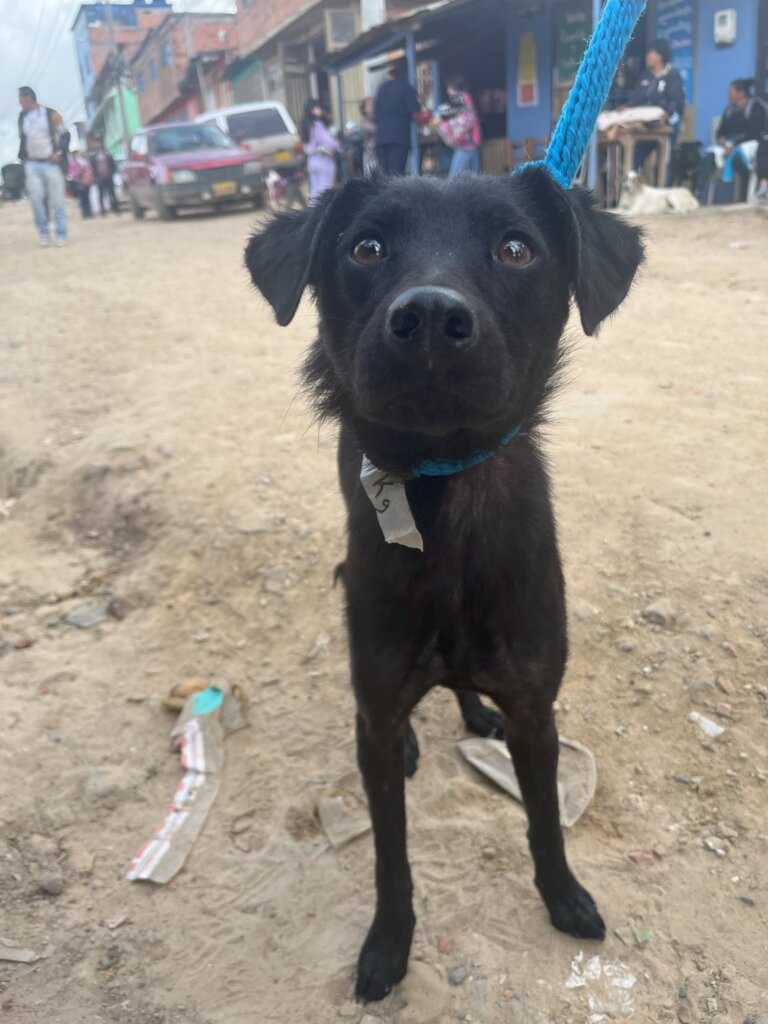
The situation of stray dogs and cats in Colombia has reached critical levels. It is estimated that nearly three million animals are in this situation. Although the problem is more visible in large and medium-sized cities such as Bogotá, Medellín, Barranquilla, Cali, Cartagena, and Santa Marta, the truth is that high rates of abandonment are present in both small and large cities.
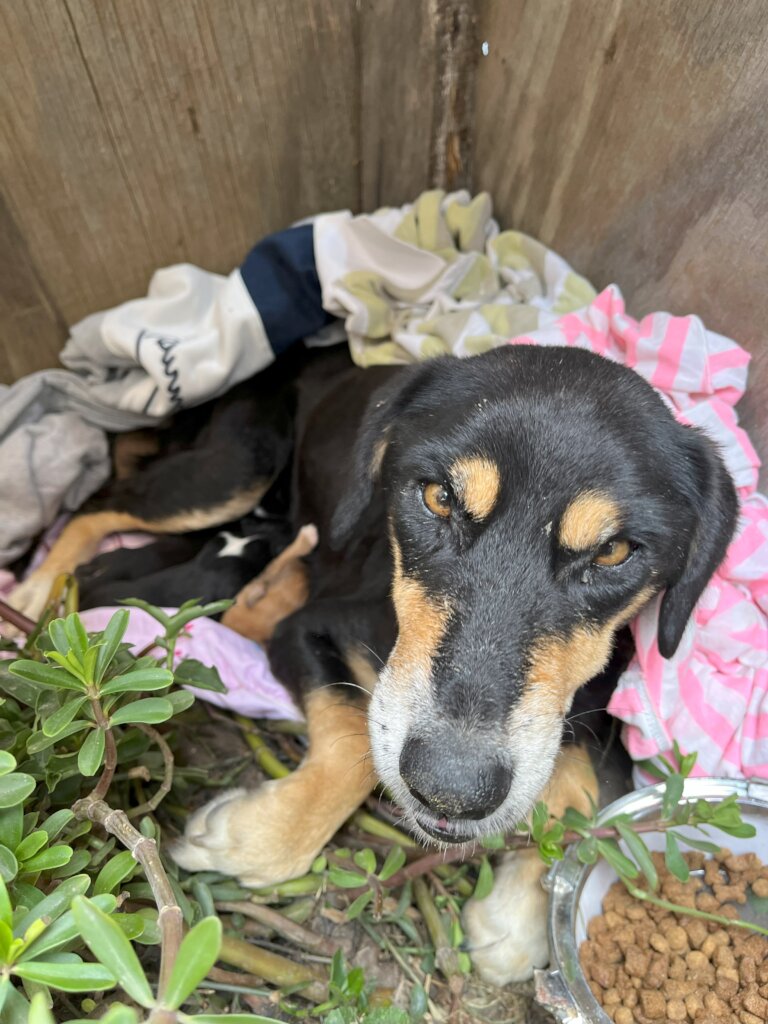
The main causes include the lack of sterilization and irresponsible ownership, stemming from impulsive purchases or adoptions. This reality generates an exponential increase in the animal population, which in turn leads to situations of mistreatment, diseases, and public health problems such as zoonoses, bites, and traffic accidents.
While Colombia has a significant legal framework—such as Law 1774 of 2016, which penalizes animal abuse and abandonment—significant challenges remain in its implementation.
2. Sterilization as a Solution
One of the main strategies to mitigate this problem is sterilization campaigns.
Although the Sterilization Saves Lives Law was passed, its implementation has been slow and, in many cases, almost nonexistent, especially in small and remote municipalities.
Given this situation, the Inawy Foundation continues to work actively to contribute to reducing the problem by providing free sterilizations in areas where access to these services is limited.
3. Results Obtained – Year 2025
During 2025, 506 sterilizations were performed, distributed as follows:
Felines: 307 Canines: 199 Females: 399 Males: 153
4. Characteristics of the Population Served
Species: 60% felines, 40% canines. Sex: 69% females, 31% males. These figures are especially relevant considering that a female dog can produce up to 3,618 offspring in seven years, and a female cat up to 420,000 offspring in the same period, highlighting the urgent need for preventative interventions.
5. 2026 Projection
For 2026, 900 sterilizations are planned, starting early on February 28th with the first event in Cazucá, in the La Isla area, with 135 sterilizations of stray dogs and cats from the local population. In July, 360 sterilizations will be performed in Ciénaga, Magdalena; in September, 135 sterilizations will be performed in Villa Garzón; and in November, 270 sterilizations will be performed in Cazucá to close out the year.
6. Resources and Sustainability
The Foundation is currently in the process of securing funding for these events. The main fundraising methods will be:
GlobalGiving platform.
Facebook and Instagram campaigns.
Recurring donors to the Foundation.
We continue to rely on the support of every donor who firmly believes in this project and on the dissemination of this initiative, so that more people can learn about it and join the cause.
Project reports on GlobalGiving are posted directly to globalgiving.org by Project Leaders as they are completed, generally every 3-4 months. To protect the integrity of these documents, GlobalGiving does not alter them; therefore you may find some language or formatting issues.
If you donate to this project or have donated to this project, you can receive an email when this project posts a report. You can also subscribe for reports without donating.



Support this important cause by creating a personalized fundraising page.
Start a Fundraiser