By Nasly Alcazar Castillo | Lider del Proeycto
Report No. 3: 2000 sterilizations of dogs and cats in Colombia.
Date: September 25th, 2025
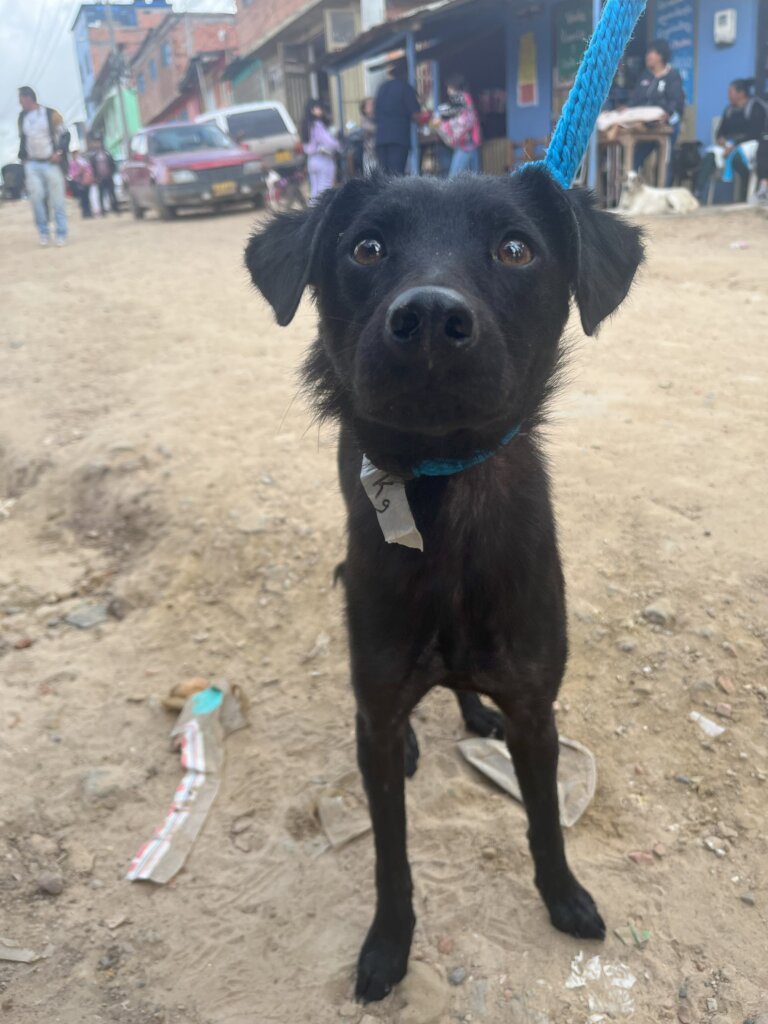
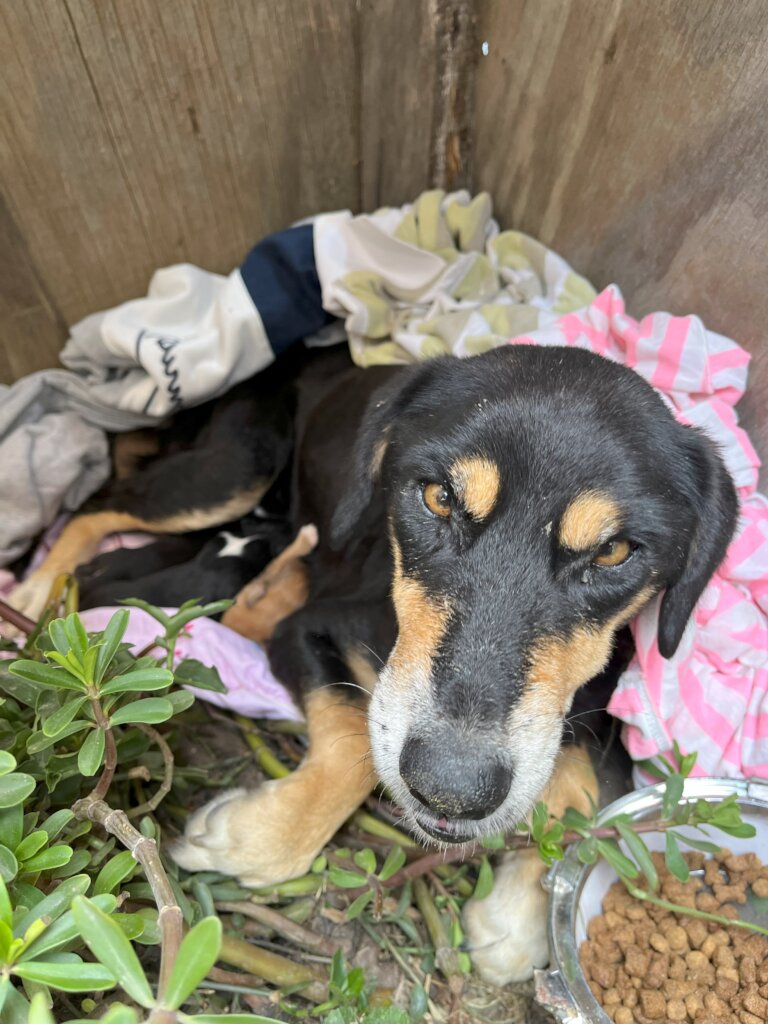
The problems of abandoned dogs and cats in Colombia include:
- Overpopulation, since they are animals that are mostly not sterilized.
- Diseases such as malnutrition, very serious viral infections such as distemper and parvo in dogs and feline leukemia and immunodeficiency in cats.
- Accidents that produce fractures, soft tissue trauma, chest trauma, abdomen and head trauma.
- Risk to public health due to the transmission of zoonoses such as rabies, ringworm, or diseases transmitted by fleas and ticks.
- Environmental problems due to contamination by feces; improper garbage collection, since dogs break garbage bags looking for food, making it harder to properly handle.
- Animal abuse of stray dogs and cats, since they are more vulnerable and their rights are not respected.
The above situations derive from the lack of responsible ownership, the low
percentage of sterilizations and high number of abandonment.
Faced with this panorama, there are several solutions.
- Responsible ownership: This is the key to avoiding abandonment and must include the care, feeding, identification (microchip) and sterilization of the animal.
- Sterilization: It is essential to control birth and reduce the number of animals that end up abandoned.
- Education: Foster a culture of respect for animals and promote adoption rather than purchase.
- Identification: Placing a microchip facilitates the identification and recovery of a lost animal.
Fundación Inawy, in accordance with the proposed solutions, has carried out 493 sterilizations as of August 30, 2025. Of that figure, 61% are felines, with 301 cats and 39% are canines with 192 dogs. In the case of felines, there are 40% females and 21% males. In the case of canines, there are 29% females and 10% males.
Analyzing these figures, we can conclude that approximately twice as many felines are sterilized than canines. Likewise, two thirds of the total number are feline and canine females. The animals that sterilize the least are canine males. On the other hand, 3% are dogs of potentially dangerous breeds.
We are satisfied with the work done to date; however, the problem is very serious, which is why systematic actions are required to impact the communities.
We continue to work and receive support from people who wish to contribute to reducing overpopulation, abuse and abandonment of dogs and cats.
Project reports on GlobalGiving are posted directly to globalgiving.org by Project Leaders as they are completed, generally every 3-4 months. To protect the integrity of these documents, GlobalGiving does not alter them; therefore you may find some language or formatting issues.
If you donate to this project or have donated to this project, you can receive an email when this project posts a report. You can also subscribe for reports without donating.


Support this important cause by creating a personalized fundraising page.
Start a Fundraiser