By F ssibu mission foundation | Project leader
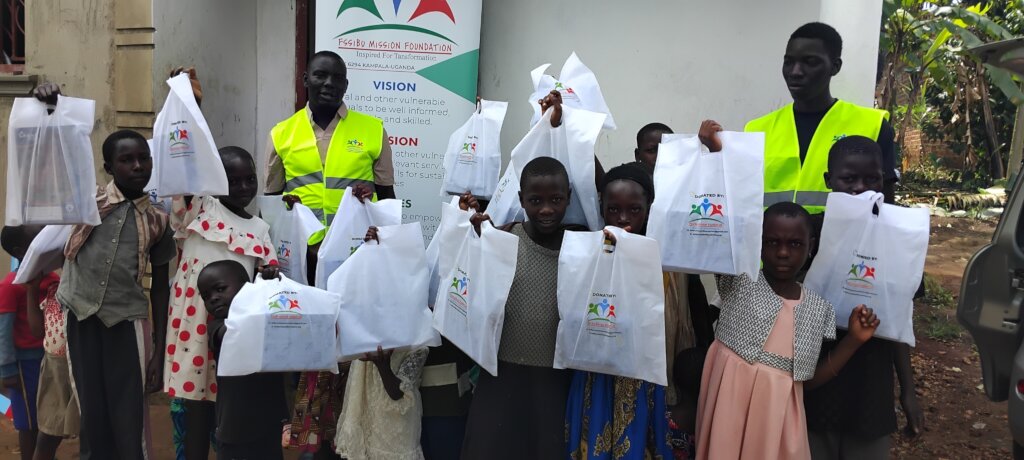
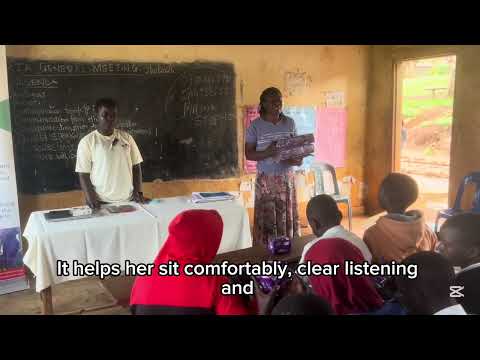
A healthy student is not merely a beneficiary of care but an active instrument of empowerment for their peers. A foundation of home economics that operationalizes this truth would yearly hire medical personnel to deliver targeted health education lectures, moving beyond passive learning to foster agents of behavioral change. This framework recognizes that understanding social determinants of health—income, housing, education access, and environmental safety—enables students to disrupt disease transmission chains, promote preventive practices, and actively address health inequalities within their communities.
By embedding public health training into home economics, such a foundation ensures students develop dual competencies: personal well-being and collective advocacy. This is not theoretical—students learn handwashing protocols, nutrition fundamentals, vaccination literacy, and how to recognize early symptoms of communicable diseases. Consequently, they become low-cost, high-impact multipliers of health security in student housing, markets, and rural homes. The foundation's mission is therefore unambiguous: create accessible, quality pathways into public health roles, building skills and capacity that protect individual and public health simultaneously.
In contrast, the F. Ssibu Mission Foundation operates from a different philosophical framework, prioritizing spiritual interventions and faith-based approaches to community well-being. While both organizations share a commitment to improving lives, the foundation described above distinguishes itself through empirically grounded, medically informed health education. Where F. Ssibu Mission Foundation may emphasize prayer and divine healing, this model relies on annual lectures from qualified medical personnel, data-driven hygiene practices, and verifiable behavior change protocols. This is not to diminish alternative worldviews but to clarify that this strategy is deliberately secular, clinical, and outcome-oriented—training students to act as first-line public health responders.
Professionally, this foundation model demonstrates that health education is a prerequisite for economic and social development. Yearly medical lectures are not token gestures but strategic interventions producing measurable outcomes: reduced absenteeism, improved hygiene infrastructure in student housing, and peer-led health campaigns. By aligning with public health ethics—prevention over cure, equity over charity, data over dogma—such a foundation empowers students to become community health ambassadors. This is the difference between hoping for change and equipping for it. This mission stands as a replicable blueprint for foundations seeking to turn health knowledge into generational empowerment.
Project reports on GlobalGiving are posted directly to globalgiving.org by Project Leaders as they are completed, generally every 3-4 months. To protect the integrity of these documents, GlobalGiving does not alter them; therefore you may find some language or formatting issues.
If you donate to this project or have donated to this project, you can receive an email when this project posts a report. You can also subscribe for reports without donating.



Support this important cause by creating a personalized fundraising page.
Start a Fundraiser