By Mercedes Porto | Directora de Marketing & Comunicacion
Nutrition & Early Childhood Program — Salta, Argentina
Quarterly Impact Report
1. Executive Summary
Pata Pila continues working alongside Indigenous and rural communities in some of the most remote areas of northern Argentina. After 11 years of uninterrupted work in the Gran Chaco, our comprehensive intervention model continues to provide a sustained response to child malnutrition and the multiple vulnerabilities affecting children and their families.
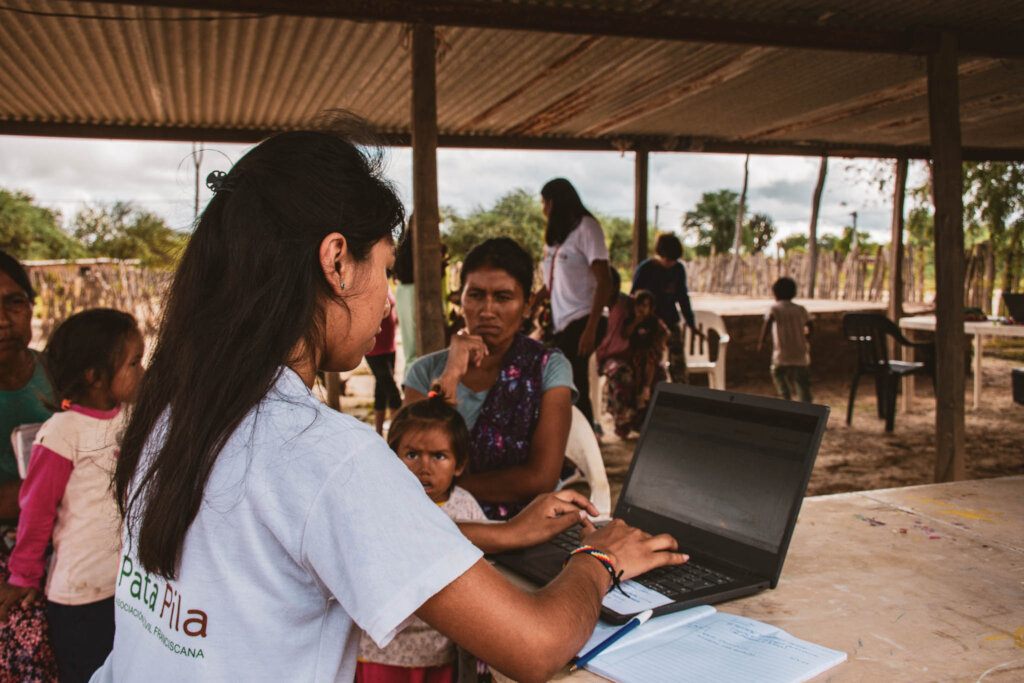
During this quarter, we continued providing sustained support to the children and families enrolled in our programs. While our main cumulative indicators remain unchanged from the previous reporting period, our teams continue their work, providing the nutritional, medical, and developmental follow-up needed to sustain children's recovery.
The continued support of our donors enables us to maintain our presence in communities where access to healthcare, education, training, and other essential resources remains extremely limited.
2. Nutrition & Early Childhood — Key Results
Our program continues to support thousands of children and families in highly vulnerable Indigenous and rural communities.
Key cumulative results:
These figures represent years of continuous work and, above all, the sustained presence of our teams in communities where families face significant barriers to accessing healthcare.
3. An Integrated Approach: More Than Nutrition
Child malnutrition is a complex issue that cannot be addressed through food alone. That is why Pata Pila develops a comprehensive model that combines nutritional care, healthcare, early childhood stimulation, and strategies aimed at strengthening the autonomy and resilience of families and communities.
Our approach includes:
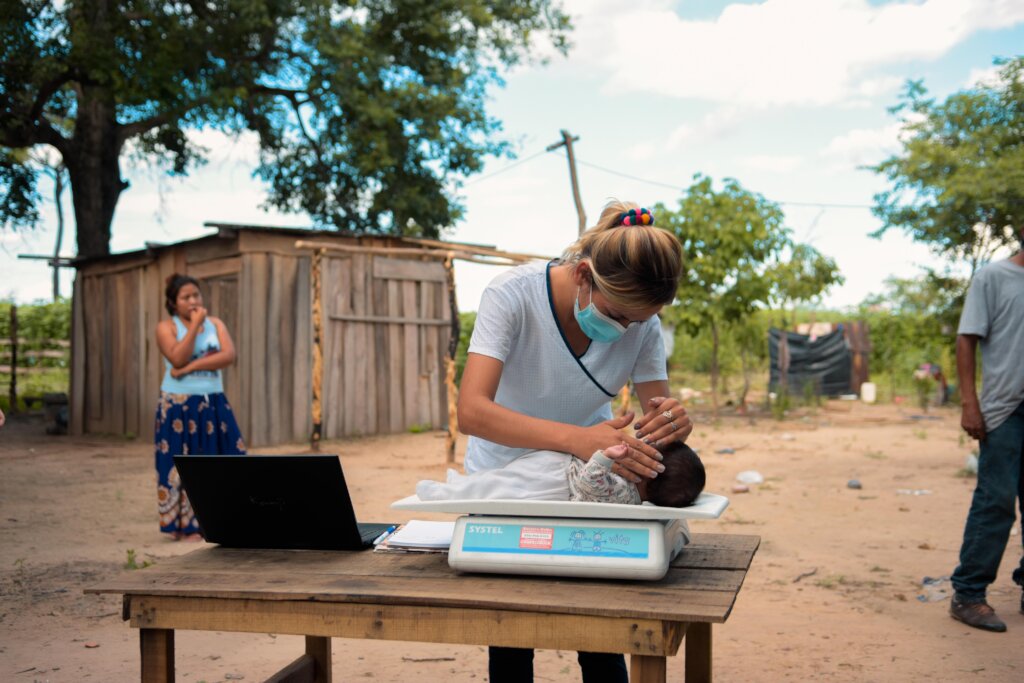
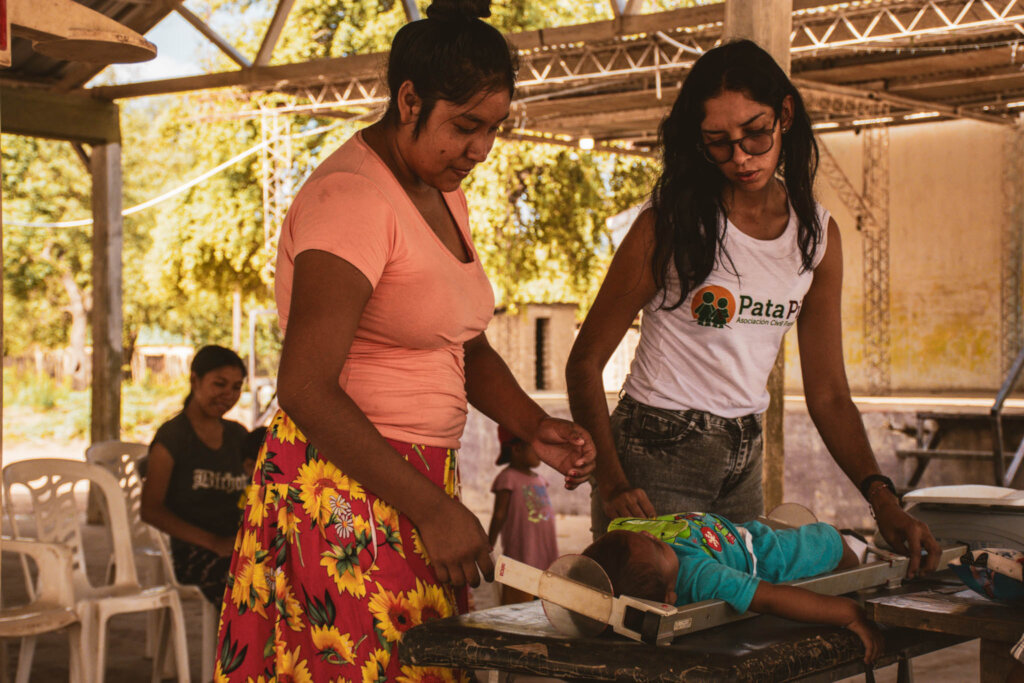
• Medical and nutritional follow-up, with regular monitoring of children receiving treatment.
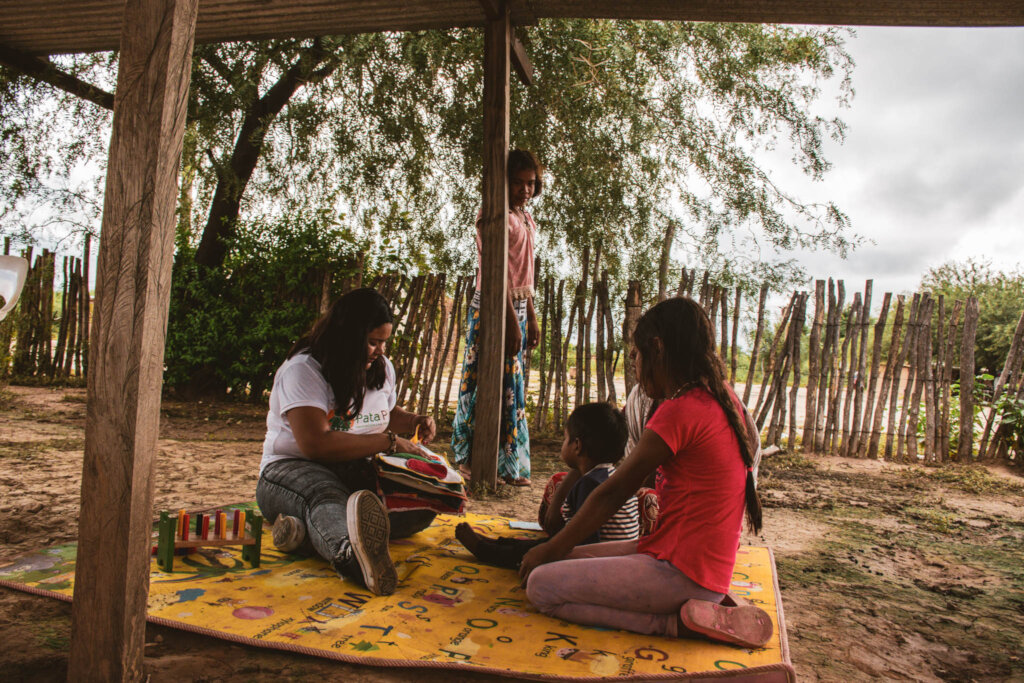
• Early childhood development and stimulation, based on the Montessori methodology.
• Social economy and food security initiatives, including 200 active beehives and 41 family gardens, which help strengthen access to food and create sustainable alternatives for families.
Montessori Spaces for Early Childhood
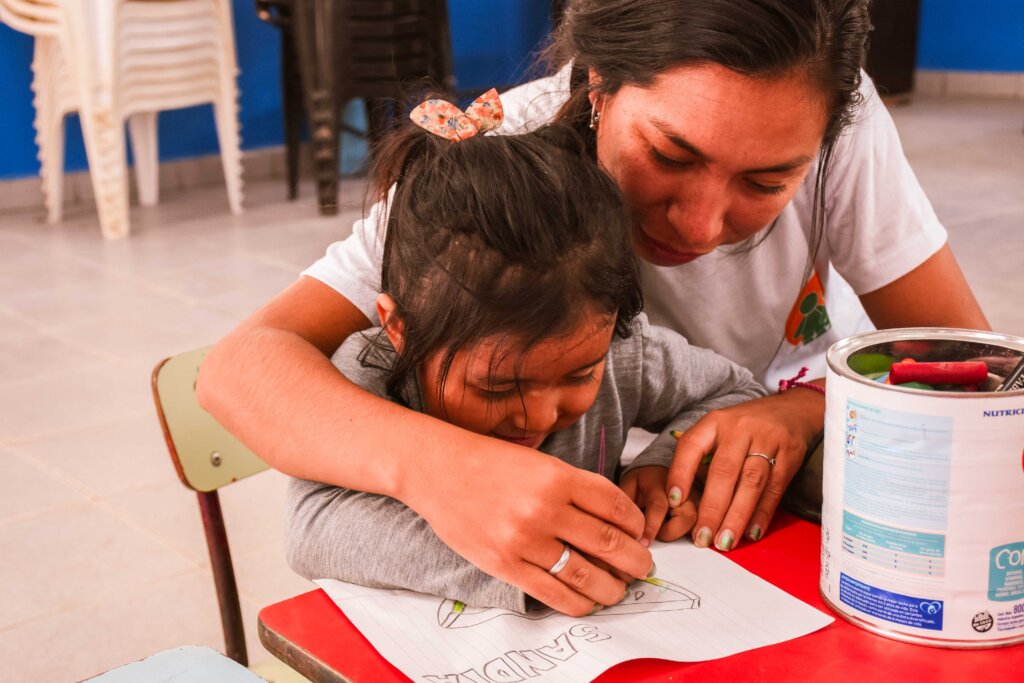
We implement Montessori Spaces in communities across northern Argentina, adapting the methodology to the reality and needs of each territory. These centers are equipped with specific educational materials and child-sized furniture designed to foster autonomy, concentration, free movement, and independent exploration in a safe environment that respects each child's individual pace and development.
We currently have:
• 3 active Montessori centers.
• More than 70 children who have graduated from the program.
• More than 40 children currently enrolled.
These spaces complement nutritional and healthcare support, promoting holistic development during the early years of life.
4. Community Training & Development
Our model also seeks to create opportunities that strengthen the economic autonomy of communities and expand access to quality employment.
The Pichanal Vocational Training Center provides technical training in welding, electricity, refrigeration, and solar panel installation, with official certification, practical tools, and ongoing support. The program aims to help community members access quality employment, develop their own businesses, and actively participate in the local productive economy.
Since its implementation, the program has achieved:
• More than 4,992 hours of workshops delivered.
• More than 1,050 graduates from the vocational training program.
Job training is a key tool for expanding opportunities, strengthening skills, and contributing to the long-term sustainable development of communities.
5. Access to Safe Water & Infrastructure
Access to safe water is a fundamental component of preventing illness and improving health and nutrition conditions in communities.
To date, Pata Pila has implemented 19 safe water access projects, including the construction of cisterns and wells, improving living conditions for families in remote communities.
Our work also requires a significant logistical effort. Pata Pila teams have traveled more than 1.8 million kilometers to reach families living in areas where the nearest health center may be 40 to 80 kilometers away.
Maintaining this presence is essential to ensuring that children and their families are not isolated from the services and support they need.
6. Education: Pozo Araoz School
Education is another fundamental pillar of our comprehensive model.
During the 2025/2026 school year, 53 students were enrolled at Pozo Araoz School.
The school serves not only as an educational institution, but also as a community space where nutrition, health, and education come together. It provides children with a safe environment to learn and develop in communities where access to formal education has historically been limited.
7. The Importance of Sustained Support
The challenges facing children and families in northern Argentina remain significant. At the same time, our experience demonstrates that recovery is possible when children receive sustained, long-term support.
Currently, 4,010 children remain in active nutritional treatment and require regular follow-up to achieve nutritional recovery and prevent setbacks.
Our goal is to continue accompanying each child through the process from detection and treatment to recovery and nutritional discharge, adding new successful cases to the 1,221 children who have already completed their treatment.
Continued donor support is essential to sustaining this process and ensuring that children living in the most remote communities can receive the care they need.
8. Thank You
Every contribution enables Pata Pila to remain present where it is needed most.
Your support makes it possible for our teams to reach remote communities, provide medical and nutritional care, support early childhood development, improve access to safe water, create training opportunities, and accompany families throughout the recovery process.
Behind every number is a child, a family, and a community.
Thank you for helping us remain present and for being part of this work.
Links:
Project reports on GlobalGiving are posted directly to globalgiving.org by Project Leaders as they are completed, generally every 3-4 months. To protect the integrity of these documents, GlobalGiving does not alter them; therefore you may find some language or formatting issues.
If you donate to this project or have donated to this project, you can receive an email when this project posts a report. You can also subscribe for reports without donating.



Support this important cause by creating a personalized fundraising page.
Start a Fundraiser