Deep Ecology Education Program

by Highland Support Project
Play Video
Deep Ecology Education Program

Project Report | May 22, 2026
Cultivating Climate Capability

By Ben Blevins | Project Leader

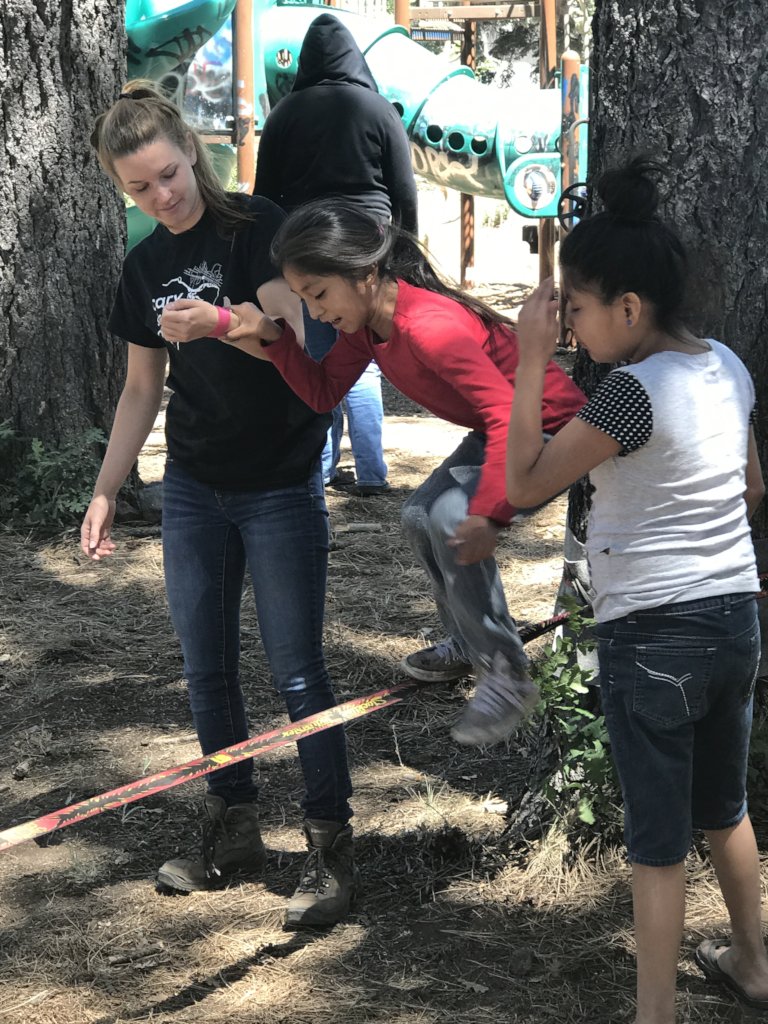
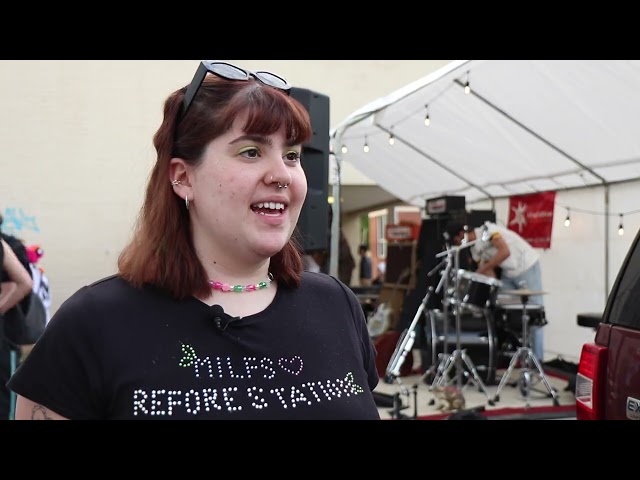
DEEP Facilitator Brian Ramirez keeps it fun.

To understand the ecological crisis is to feel the weight of a world in transition. For many young people, this weight is not an abstract concept; it is an intimate, psychological reality. It frequently manifests as climate anxiety—a profound emotional strain rooted in the warming of our planet and the degradation of the Earth's living systems. For the youth who will inherit the long-term consequences of this crisis, these feelings are not a pathology but rather a rigorous, adaptive response to profound environmental degradation. However, when confronted with institutional apathy and catastrophic media narratives, this adaptive concern risks calcifying into eco-paralysis—a state where youth relinquish belief in their own agency. The Deep Ecology Education Program (DEEP) intervenes in this critical psycho-educational terrain.

Our framework cultivates "climate capability"—a quantifiable synthesis of ecological literacy, practical competencies, and collective efficacy. By shifting pedagogical models from doom-laden rhetoric toward participatory, place-based learning, DEEP equips students to metabolize the emotional burden of climate change while driving objective, systemic action.

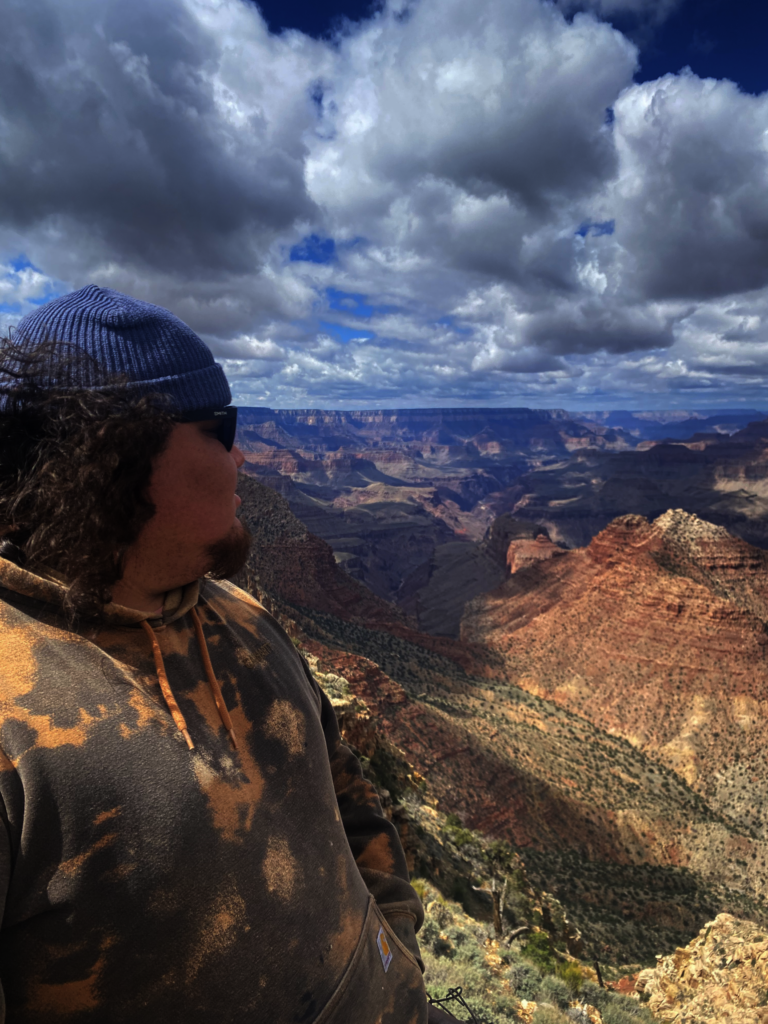
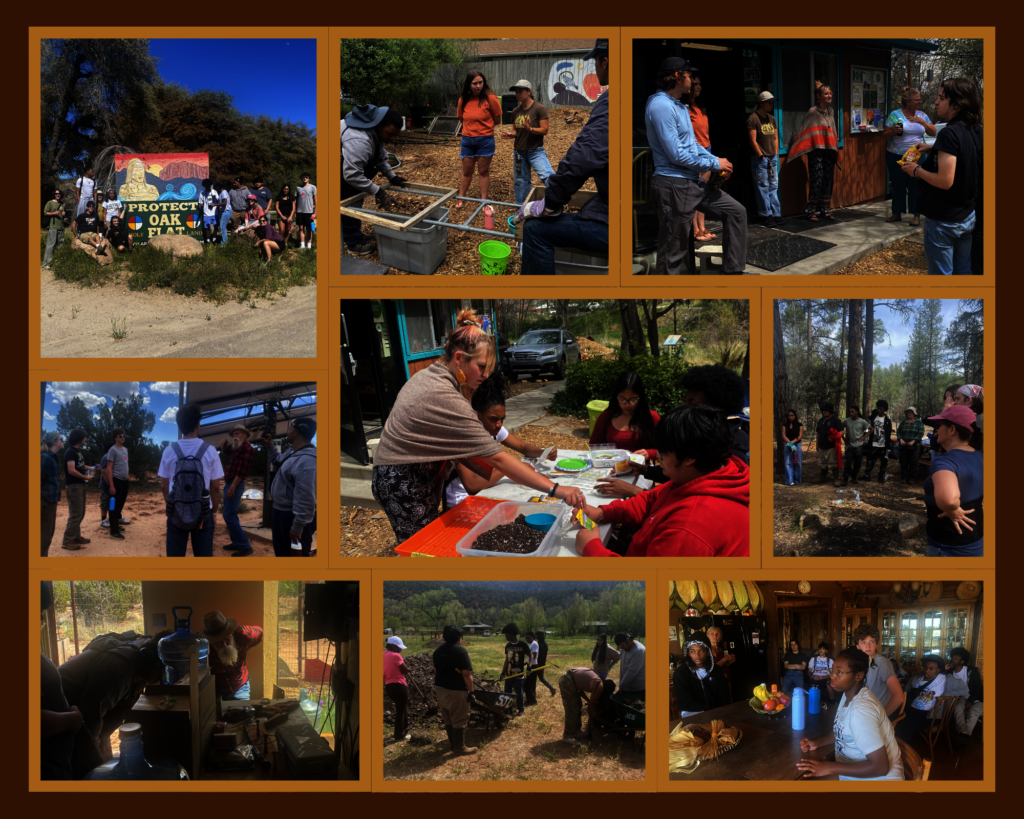
We operationalized this framework with students from a Virginia public school on a trip to Arizona by integrating ancestral knowledge with contemporary ecological practice, demonstrating concrete ways to navigate environmental crises and internalized distress. Centered on three pillars to transform eco-paralysis into practiced, objective ecological care:

  1. Community Healing and Ancestral Hydrology
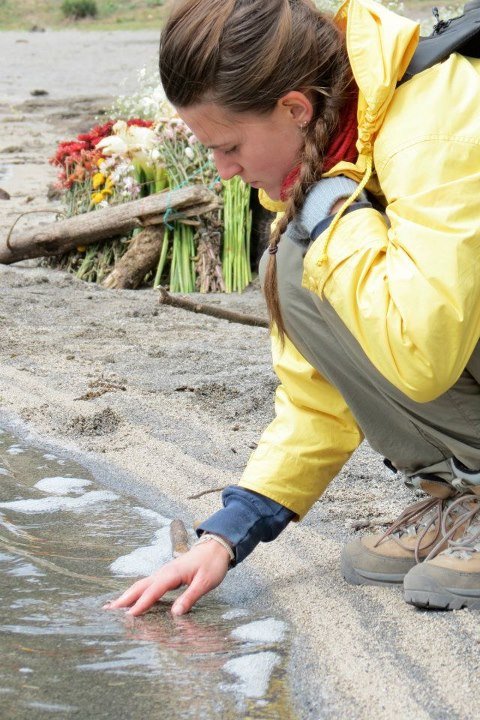
    To counteract feelings of institutional abandonment, education must illuminate localized, collective efficacy. Students partnered with the White Mountain Healing Coalition and tribal hydrologist Cheryl Pailzote to restore local flood canals. This situated ecological labor within enduring, culturally embedded relationships to the land, ensuring that environmental management paradigms remain deeply rooted in diverse cultural inclusivity.
  2. Off-Grid Sustainability and Tangible Solutions
    To disrupt catastrophic narratives, youth require exposure to viable ecological alternatives. At Akoshoa Farms, an off-grid homestead, the cohort practiced closed-loop renewable energy. Rather than merely conceptualizing a sustainable future, students actively rehearsed it, translating abstract theory into empirical, measurable self-efficacy.
  3. Higher Education and Systemic Advocacy
    For sustained engagement, ecological concern must mature into structural leadership. Concluding at Prescott College's environmental center, students integrated their field-based experiences with broader academic frameworks. This establishes structural pathways for stewardship, demonstrating that informed collective advocacy can compel systemic transformation.

Ultimately, the climate crisis demands behavioral and psychological adaptation alongside technological innovation. Supporting the DEEP framework champions a rigorous pedagogical model that reconciles the inner and outer dimensions of the climate response, advancing initiatives anchored in our fundamental relationality to the Earth.

2026 Community High Arizona DEEP Engagement
Share on Twitter Share on Facebook

About Project Reports

Project reports on GlobalGiving are posted directly to globalgiving.org by Project Leaders as they are completed, generally every 3-4 months. To protect the integrity of these documents, GlobalGiving does not alter them; therefore you may find some language or formatting issues.

If you donate to this project or have donated to this project, you can receive an email when this project posts a report. You can also subscribe for reports without donating.


Sign up for updates

Organization Information

Highland Support Project

Location: Richmond, VA - USA
Website:
Facebook: Facebook Page
X / Twitter: Profile
Project Leader:
BENJAMIN EDWARD BLEVINS
Richmond , VA United States

Learn more about GlobalGiving

Teenage Science Students
Vetting +
Due Diligence

Snorkeler
Our
Impact

Woman Holding a Gift Card
Give
Gift Cards

Young Girl with a Bicycle
GlobalGiving
Guarantee

Get incredible stories, promotions, and matching offers in your inbox

WARNING: Javascript is currently disabled or is not available in your browser. GlobalGiving makes extensive use of Javascript and will not function properly with Javascript disabled. Please enable Javascript and refresh this page.